Lula and Flávio Bolsonaro Head Into Brazil’s Tied 2026 Presidential Vote
Key Facts
—The vote — Brazil elects its president on 4 October 2026; a runoff between the top two follows on 25 October if nobody wins a majority of valid votes. Some 158.7 million voters are registered.
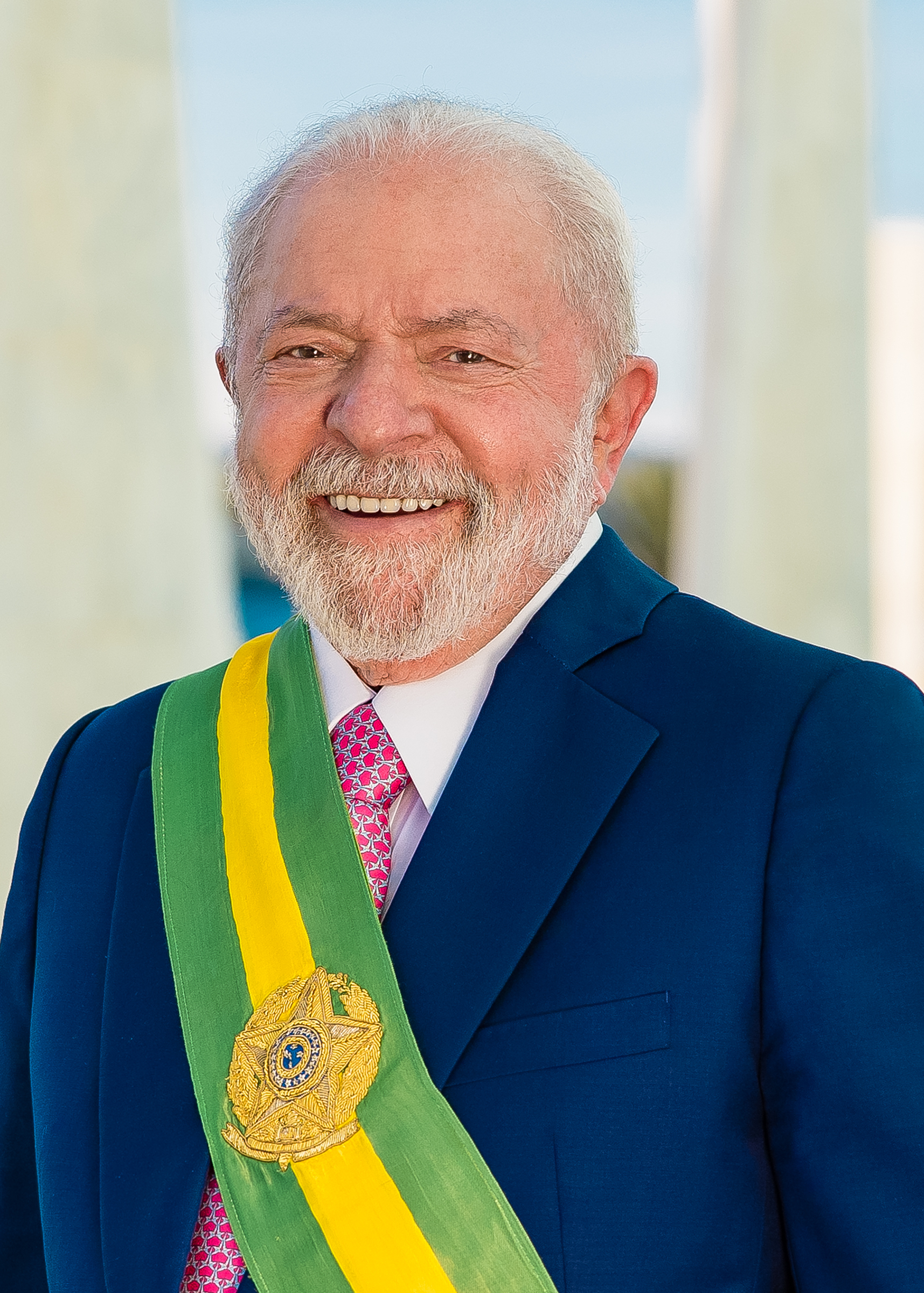
—The front-runners — President Luiz Inácio Lula da Silva (PT), 80, seeks a fourth term with Geraldo Alckmin as his running mate. Senator Flávio Bolsonaro (PL), 45, runs with Alfredo Gaspar.
—The polls — Lula leads every first-round survey; the runoff is statistically tied, from Datafolha’s 46-44 to AtlasIntel’s 46.4-46.2.
—The field — Thirteen tickets registered with the electoral court. Outsider Augusto Cury (Avante) polls at 6.6 percent.
—The backdrop — Jair Bolsonaro serves a 27-year sentence under house arrest; a Supreme Court crisis and a film-financing probe against Flávio dominate the final stretch.
—The stakes — Security, the deficit and trade friction with Washington top the campaign; markets already trade the outcome as the real holds near 5.15 per dollar.
Seventeen days before the first round, Brazil’s presidential election has narrowed to a rematch of political dynasties: Lula for a fourth term, Flávio Bolsonaro carrying his father’s movement. The first round looks set; the runoff looks like a coin toss.
The Race With Seventeen Days to Go
Every major pollster agrees on the shape of the first round and disagrees on almost everything else. Lula leads all of them, by margins that range from five to nine points depending on the house. Flávio Bolsonaro holds second place everywhere. Behind them, a third lane of outsider candidates splits what remains.
The runoff numbers tell a tighter story. Datafolha measured Lula at 46 percent and Flávio Bolsonaro at 44 percent in early September and found the same 46-44 split in its survey released on 12 September, after a week of Supreme Court turmoil. AtlasIntel, polling for Bloomberg between 4 and 9 September, put the runoff at 46.4 to 46.2 percent — a statistical tie. PoderData has shown Flávio ahead 47-45; Quaest found a 41-41 dead heat.
| Pollster (fieldwork) | 1st round: Lula | 1st round: Flávio | Runoff |
|---|---|---|---|
| Datafolha (1–2 Sept, 2,002 voters) | 38% | 33% | 46–44 Lula |
| AtlasIntel/Bloomberg (4–9 Sept, 5,000) | 43.0% | 37.4% | 46.4–46.2, tie |
| PoderData (early Sept) | — | — | 47–45 Flávio |
| Quaest (early Sept) | — | — | 41–41 |
| Datafolha (released 12 Sept) | — | — | 46–44 Lula |
The houses now disagree by as much as nine points on the same race, a gap that reflects method more than movement. Read them together and the picture is stable: Lula ahead in October, everything open for late October.
The Candidates
Luiz Inácio Lula da Silva runs for a fourth term at 80, twenty years after he first left office. The Workers’ Party officially nominated him on 3 August, with Geraldo Alckmin — his vice president since 2023 and a former São Paulo governor from the centre-right — again on the ticket. Lula confirmed the pairing in March. His campaign leans on record-low unemployment, a falling Selic rate and a security package worth R$11 billion, about US$2.1 billion, aimed at the PCC and Comando Vermelho factions.
Flávio Bolsonaro, 45, a senator for Rio de Janeiro, carries the Liberal Party nomination and his imprisoned father’s endorsement. On 5 August he named federal deputy Alfredo Gaspar as his running mate. His platform centres on public security, smaller government and amnesty for those convicted over the 8 January 2023 riot — the cause that defines his father’s movement.
The third lane belongs to Augusto Cury, a psychiatrist and bestselling author running for Avante, who reached 6.6 percent in the AtlasIntel first-round scenario and has drawn market attention with a liberal economic programme. Renan Santos polled 6.5 percent in the same survey. Neither threatens the top two; both matter if their voters migrate to a runoff.
The Issues That Move Voters
Security tops voter concerns and both campaigns know it. Lula answers with his R$11 billion federal plan against organised crime; Flávio Bolsonaro promises a harder line and ties the issue to his movement’s law-and-order identity.
The courts have become a campaign issue of their own. Since 1 September, messages made public by the Federal Police have shown contacts between Justice Alexandre de Moraes — the rapporteur of the case that jailed Jair Bolsonaro — and banker Daniel Vorcaro of the failed Banco Master. The court’s chief justice removed Moraes from a major probe, the plenary has weighed an investigation, and the right campaigns on the scandal as proof of a politicised judiciary.
The Dark Horse probe touches the challenger directly. An inquiry opened on 22 July at the request of the Federal Police examines the financing of Dark Horse, a film about his father funded by Vorcaro; documents unsealed on 11 September made it public. Speaking in Manaus, he denied wrongdoing: “I have nothing to hide; the film is totally legal.”
The economy and Washington frame everything else. The deficit, trade friction with Washington and the cost of living all poll high. A Datafolha survey found voters 46 percent more worried about the outcome than in 2022. The electoral court has also drawn new lines on artificial intelligence: deepfakes are banned, labelled AI content is restricted, and all AI campaign material goes dark 72 hours before each vote.
The Shadow of Jair Bolsonaro
The former president will not appear on the ballot or the trail. Convicted on 11 September 2025 of plotting a coup and sentenced to 27 years and three months, he serves his term under house arrest in Brasília on health grounds, with visits restricted — his son the candidate is barred from seeing him. He is also prohibited from political statements, which is why an AI-generated avatar endorsing Flávio at the July party convention landed before the electoral court.
His absence cuts both ways. It denies Flávio the movement’s best campaigner and feeds the amnesty cause that mobilises the base. Rallies led by the candidate, including the Independence Day demonstration on São Paulo’s Avenida Paulista, have kept the machinery visible.
What It Means for Expats and Investors
The real trades near 5.15 per dollar, and the rate story runs in opposite directions across the equator. On 16 September the Federal Reserve raised its benchmark to 3.75-4.00 percent, the first US hike since 2023, while Brazil’s Copom cut the Selic to 13.75 percent the same day — a fifth straight cut. The roughly ten-point gap keeps the carry trade alive, but the election now drives daily moves: desks on the B3 openly trade the polls, and a Bank of America survey shows foreign investors no longer fear a Lula win — they watch the Fed instead.
For expats, the practical consequences sit in the exchange rate and in campaign promises on taxation and transfers. A tied runoff means volatility into November; Copom meets again on 3-4 November, between the two votes and the inauguration calendar.
What Happens Next
Campaigning runs to 4 October, when Brazil also elects governors, senators and both houses of Congress. Federal forces have been approved to secure voting in five states. If no presidential candidate takes a majority of valid votes — no poll suggests anyone will — Lula and Flávio Bolsonaro meet again on 25 October. The Rio Times tracks the count live on election night.
Frequently Asked Questions
When is Brazil’s 2026 presidential election?
The first round is on 4 October 2026. If no candidate wins a majority of valid votes, the top two meet in a runoff on 25 October 2026.
Who are the main candidates for president of Brazil in 2026?
President Lula (PT) runs for a fourth term with Geraldo Alckmin; Senator Flávio Bolsonaro (PL) runs with Alfredo Gaspar. Thirteen tickets registered, including outsider Augusto Cury of Avante.
What do the latest polls say about Lula versus Flávio Bolsonaro?
Lula leads every first-round survey by five to nine points. The runoff is statistically tied: Datafolha shows 46-44, AtlasIntel 46.4-46.2, PoderData has Flávio ahead 47-45 and Quaest a 41-41 draw.
Can Jair Bolsonaro run in the 2026 election?
No. He is ineligible and serves a 27-year-and-three-month sentence for a coup plot under house arrest. He endorsed his son Flávio, who leads the Liberal Party ticket.
Who is Augusto Cury?
A psychiatrist and bestselling author running for the Avante party. He reached 6.6 percent in AtlasIntel’s September first-round scenario, third place, and campaigns on a liberal economic programme.
How does Brazil’s two-round voting system work?
A candidate needs more than half of valid votes on 4 October to win outright. Otherwise the two best-placed candidates contest a runoff on 25 October. About 158.7 million voters are registered; voting is mandatory for most citizens aged 18 to 70.
What does the election mean for the real and Brazilian markets?
The real holds near 5.15 per dollar with the Selic at 13.75 percent and falling while the US Federal Reserve raises rates. Trading desks already price the polls, and analysts expect volatility to rise into the 25 October runoff.
More from The Rio Times
Sources: TSE; Datafolha; AtlasIntel for Bloomberg; PoderData; Quaest; Reuters; AP; Agência Brasil; Anadolu; Federal Reserve; Banco Central do Brasil. FX basis: USD/BRL 5.15, 15 September 2026.
More: Brazil Elections 2026, full coverage from The Rio Times.
This article was produced by The Rio Times’ automated newsroom system. How we use AI · Report an error
Read More from The Rio Times