Latin America Defense Monitor — October 17–23, 2026
Weekly Edition · Saturday, 24 October 2026 · Issue #27
Executive Summary
The Big Picture: This week’s Latin America Defense Monitor follows a rescue mission in Haiti and a terrorism list in Buenos Aires. Both show how far the US-led security campaign now reaches, from a UN-backed force in Port-au-Prince to the legal registries of South American governments.
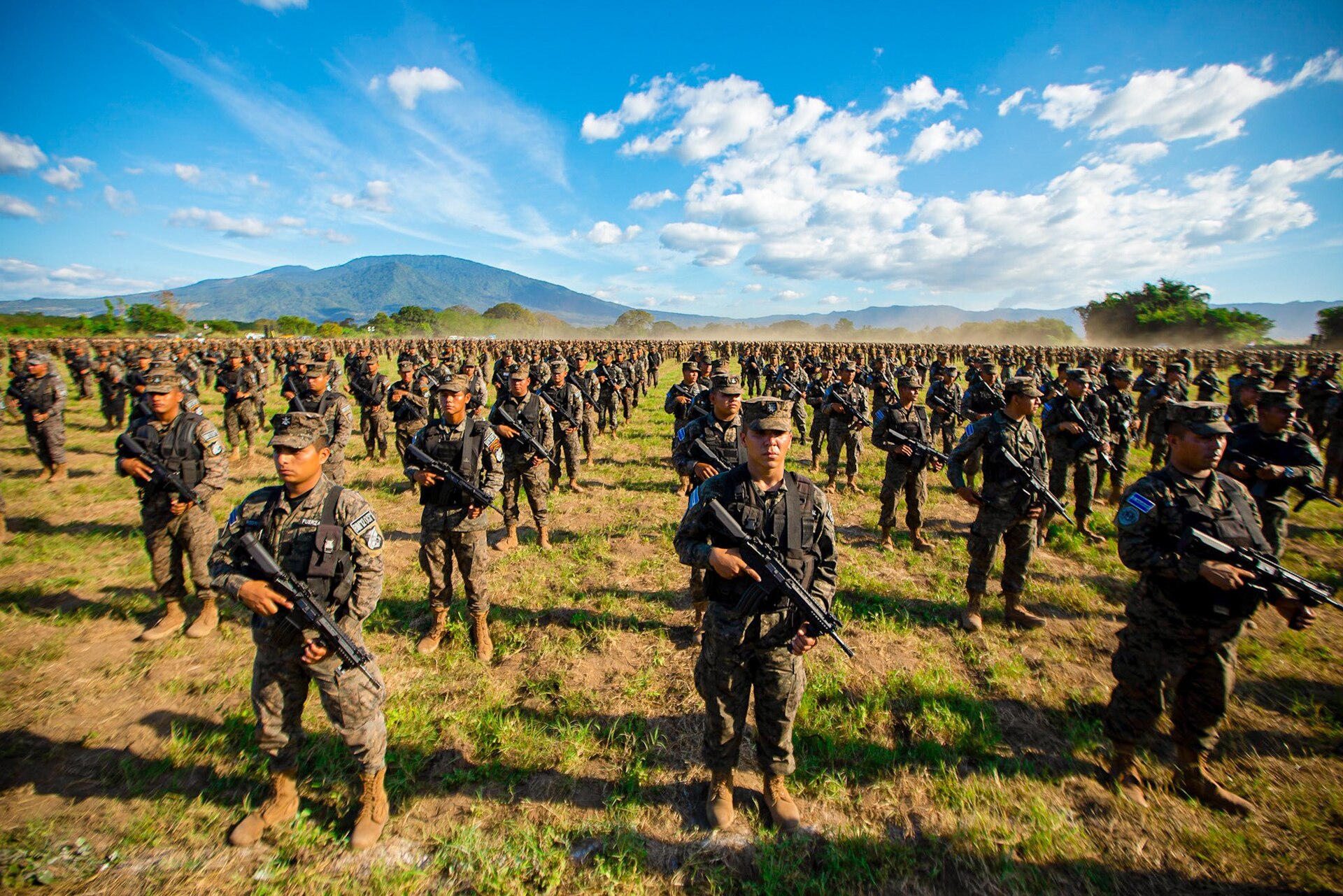
On Sunday, 18 October, gunmen attacked an armored vehicle of the Gang Suppression Force, the UN-backed mission in Haiti, and four Salvadoran aviation technicians vanished. On Thursday, 22 October, about 100 Salvadoran special-forces troops landed in Haiti to search for them, with another 100 expected.
The same day, Argentina’s Official Gazette published a joint resolution naming five criminal and insurgent groups as terrorist organisations. Washington already lists three of them, so Buenos Aires is moving closer to the US line, as The Rio Times reported on 22 October.
Bottom Line Up Front: Haiti is the open question. Four men are missing, a second Salvadoran contingent is unconfirmed, and the force they serve is still far below its planned strength.
Latin America Defense Monitor: Where Things Stand
The Week’s Key Stories
17–23 October 2026
Four Salvadoran Technicians Missing After Gang Attack
On Sunday, 18 October, gunmen attacked an armored vehicle of the Gang Suppression Force with gunfire and explosives in the Santo area of Croix-des-Bouquets, on the outskirts of Port-au-Prince. Four Salvadoran aviation technicians, whose duties included medical evacuations, escaped the burning vehicle and have not been seen since.
President Nayib Bukele announced on Wednesday, 21 October, that El Salvador had launched a military operation to bring the men home alive. He warned of a harsher response if they were not released alive and unharmed.
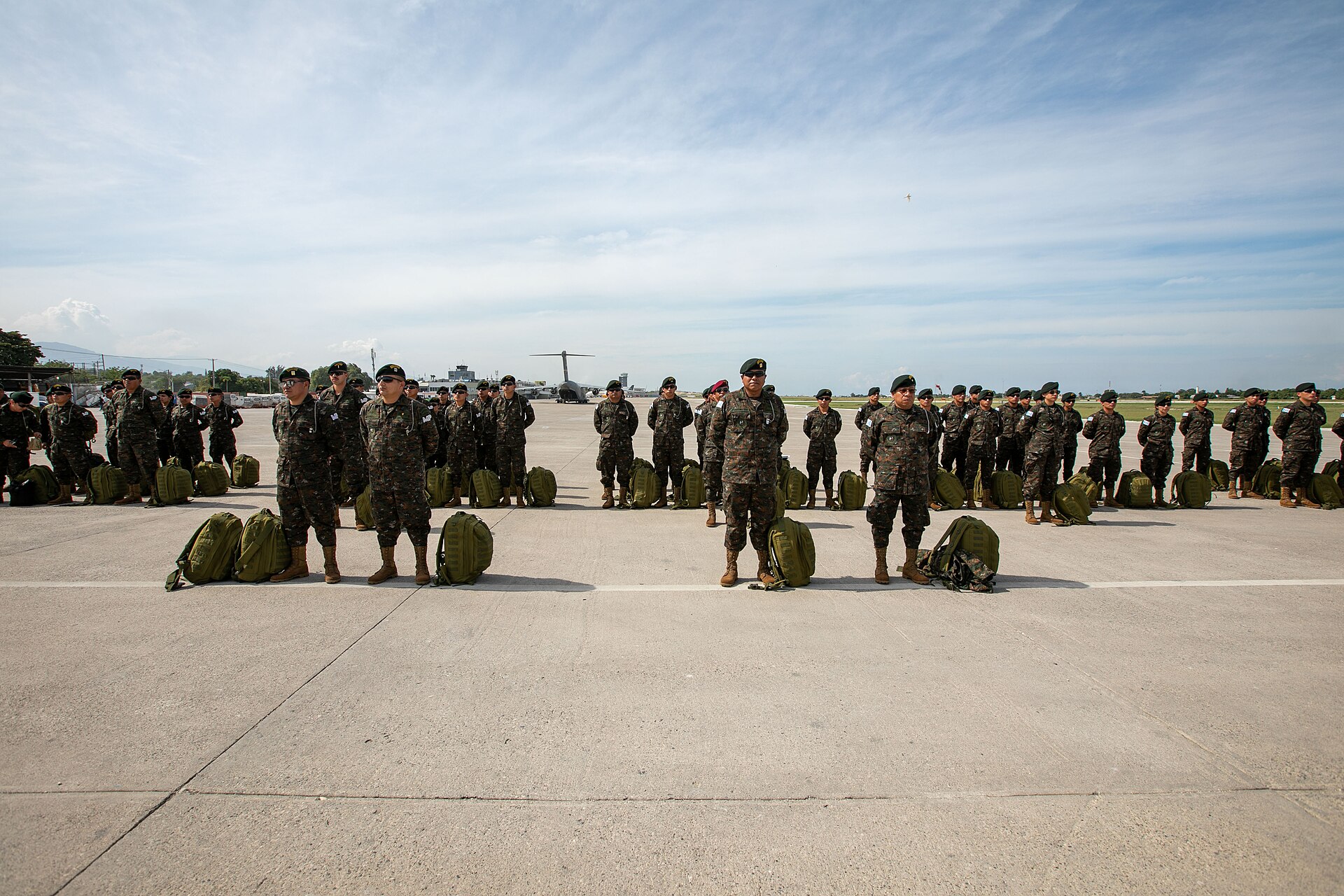
On Thursday, about 100 Salvadoran special-forces troops arrived to search the Plaine du Cul-de-Sac area, the Haitian Times reported. A second group of about 100 was expected that night, but its arrival has not been confirmed.
It is the first major attack on the force since it began operating on 1 June, according to AP and Al Jazeera. The force counts a little over 2,000 personnel from six countries, against a planned strength of 5,500.
Haiti’s government has called the men’s release a priority. The force told residents near the fighting to stay indoors.
Five Groups Added to the Terrorism Registry
On Thursday, 22 October, Argentina’s Official Gazette published a joint resolution of the Security and Foreign ministries. It adds five organisations to the national terrorism registry known as RePET.
The five are Mexico’s Sinaloa Cartel and Nueva Familia Michoacana, Ecuador’s Los Tiguerones, and Colombia’s ELN and FARC-EP. The FARC-EP is a dissident faction of the former FARC rebels, not the group that signed the 2016 peace deal.
Security Minister Alejandra Monteoliva and Foreign Minister Pablo Quirno signed the text. Argentina has used the registry before, adding Mexico’s Jalisco New Generation Cartel in March.
Washington already lists the Sinaloa Cartel and the Nueva Familia Michoacana, and added Los Tiguerones on 10 September, which took its list of Latin American terrorist organisations to 21, according to PBS. Registry entries let Argentina restrict the groups’ finances and operations.
Two weeks earlier, Argentina said the US State Department had opened a regional office of its narcotics bureau in Buenos Aires. Reports put the funding at more than US$13 million.
The Coalition Behind the Designations
Argentina’s step fits a wider pattern. On 22 September, during the UN General Assembly, President Donald Trump called cartels “the ISIS of the Western Hemisphere” and promised “unmatched military might.”
Fourteen Latin American and Caribbean governments in the US-led Shield of the Americas then backed terrorist designations for 24 criminal groups, according to reports. The legal form of each government’s step has not been laid out in the sources we checked.
What to Watch Next
7–30 days
What Is Not Known
as of 24 October
The names and ranks of the four missing men have not been made public in the reports we reviewed. It is unclear whether they were taken at once, killed, or separated during the fighting.
No group has claimed the attack, and we have seen no ransom demand or proof of life. We have not been able to verify reports of casualties among gang members or the force.
The legal consequences of Argentina’s listing beyond the registry have not been spelled out. Nor is it clear which of the 24 groups each Shield of the Americas government has formally designated.
Frequently Asked Questions
What happened to the four Salvadorans in Haiti?
Four Salvadoran aviation technicians serving with the Gang Suppression Force disappeared on 18 October after gunmen attacked their armored vehicle near Port-au-Prince. They have not been found.
How did El Salvador respond?
President Nayib Bukele announced a military rescue operation on 21 October. About 100 special-forces troops arrived in Haiti on 22 October to search for the men.
Which groups did Argentina name as terrorists?
Argentina listed the Sinaloa Cartel, the Nueva Familia Michoacana, Los Tiguerones, the ELN and the FARC-EP. The resolution appeared in the Official Gazette on 22 October.
Why does this matter to US readers?
A UN-backed force in Haiti has come under its first major attack, and a US ally has adopted Washington’s terrorism designations. Both stories bear on US security policy in the hemisphere.
Sources: Boletín Oficial of Argentina, joint resolution 5/2026 (22 October) via Infobae and Proceso; El Financiero; Haitian Times (23 October); La Nación; AP and Al Jazeera on the Gang Suppression Force; PBS on the US terrorism list; Reuters reports of Trump’s 22 September remarks as carried by The Star; The Rio Times’ own reporting.
Background: El Salvador Troops Reach Haiti to Find 4. More from Haiti, Argentina and El Salvador.
Previous edition: September 26 – October 2, 2026. All editions: Defense Monitor.
This article was produced by The Rio Times’ automated newsroom system. How we use AI · Report an error · Editorial responsibility: Matthias Camenzind, Editor-in-Chief