BRAZIL · CITY GUIDE
Key Facts
- The city Brazil’s planned federal capital, created between 1956 and 1960 and home to the presidency, Congress and the Supreme Federal Court.
- People 2,817,381 residents in the Federal District at the 2022 census, with about 3.0 million estimated for 2026.
- Economy R$365.7 billion (US$68.0 billion) in 2023, which is 3.3 percent of Brazil’s output and the eighth-largest regional economy.
- Government Celina Leão is governor of the Federal District and Luiz Inácio Lula da Silva is president as of October 2026.
- Getting there About 16.7 million passengers used Brasília airport in 2025, and the metro carries 160,000 to 180,000 riders a day.
- Safety The US travel advisory for Brazil is Level 2, with Brasília’s satellite cities listed under Do Not Travel.
- Time UTC-3 all year, one hour ahead of New York in US summer time and two hours ahead in winter.

Brasília is Brazil’s planned federal capital, built between 1956 and 1960 on the central plateau to house the presidency, Congress and the Supreme Federal Court. As of October 2026, this Brasília city guide covers a district of 2.8 million residents at the last census that produces 3.3 percent of Brazil’s economic output.
A Capital Built From Scratch
UNESCO, the United Nations cultural agency, says Brasília was created as the national capital between 1956 and 1960. Urban planner Lúcio Costa drew its layout, and architect Oscar Niemeyer designed its landmark public buildings.
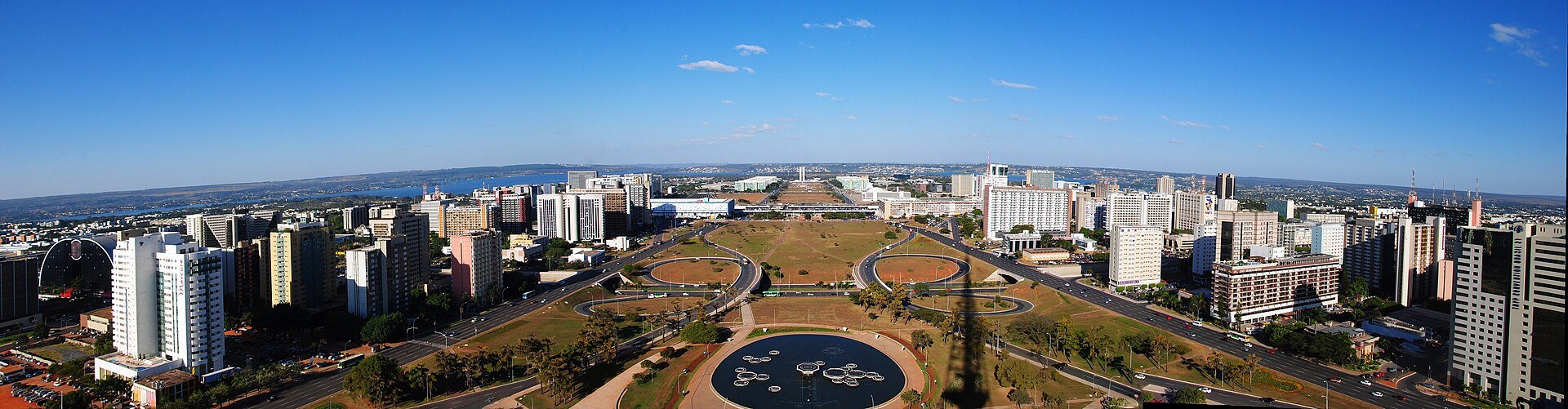
UNESCO added the city to its World Heritage List in 1987 as a singular artistic achievement and a unique example of twentieth-century urban planning. It says the layout is often compared to a bird in flight, built around two crossing axes, the Monumental Axis and the road axis along which neighbourhood units of superblocks are laid out.
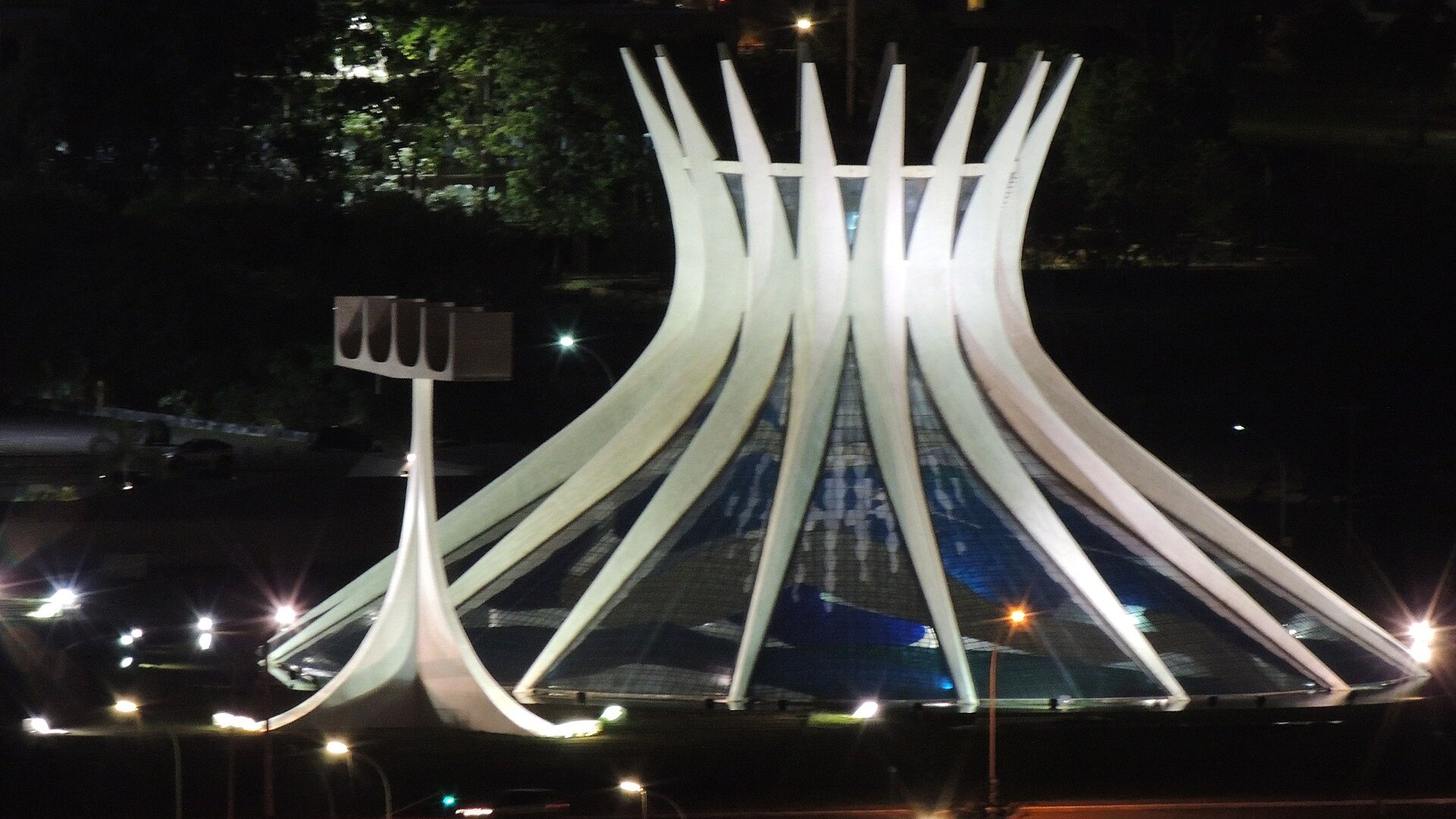
The protected core is the Plano Piloto, or Pilot Plan, which holds the Esplanade of the Ministries, the Three Powers Square and a cathedral built from 16 curved columns that rise 40 metres (131 feet). Fewer than 10 percent of the Federal District’s residents live there, UNESCO notes, even though it holds most public services and jobs.
Who Lives Here
The 2022 census counted 2,817,381 residents in the Federal District, which covers 5,761 square kilometres (2,224 square miles). That works out to 489 people per square kilometre, and the national statistics office IBGE estimates the population at about 3.0 million in 2026.
IBGE records the whole district as one municipality, Brasília, with the same population and output as the district itself. The census of 2022 therefore remains the last full count as of October 2026, and later figures are estimates.
How the Economy Works
The Federal District produced R$365.7 billion (US$68.0 billion at the central bank’s rate of R$5.3744 per US$ on 29 October 2026) of output in 2023, IBGE’s latest regional accounts show. That is 3.3 percent of Brazil’s R$10.9 trillion (US$2.04 trillion) and the eighth-largest regional economy among Brazil’s 26 states and the capital district.
Public administration, defense, education, health and social security supplied 45.4 percent of the district’s value added in 2021, the latest year IBGE has published that split. Other services added 49.7 percent, while factories contributed 4.0 percent and farming 0.9 percent.
In current prices the district’s output rose 11.2 percent in 2023, faster than the 8.6 percent for Brazil as a whole, though both figures include inflation. The district holds 1.4 percent of Brazil’s residents but produces 3.3 percent of its output, so output per resident is about 2.4 times the national average.
That dependence ties local incomes to federal pay, hiring and budget decisions made in the capital itself. Factories and farms play only a small part in the local economy.
Where Brazil’s Power Sits
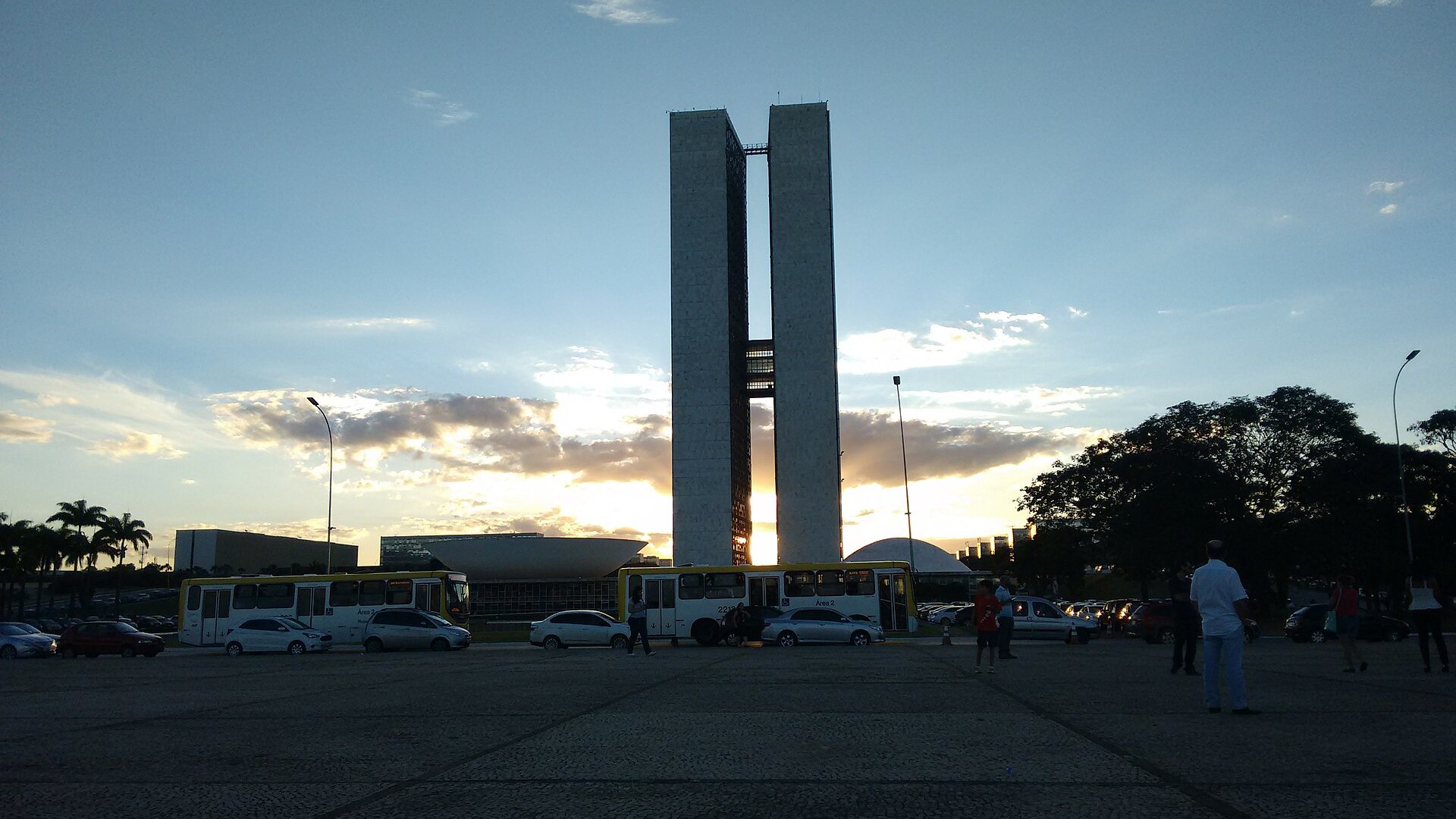
Brazil’s three branches of government all sit in Brasília, with Luiz Inácio Lula da Silva as president as of October 2026. Congress has two chambers, the Senate under Davi Alcolumbre and the Chamber of Deputies under Hugo Motta, and the Supreme Federal Court is presided over by Edson Fachin.
Voters chose a president in the October 2026 elections, and Senate president Alcolumbre publicly congratulated Lula on his re-election. The new four-year term is due to begin in the capital in early January 2027.
The district itself has a governor instead of a mayor, because it is not divided into municipalities. Celina Leão holds that office as of October 2026, and the district government’s own releases name her as governor.
Neighbourhoods and Satellite Cities
Daily life in the Plano Piloto is organised around superblocks, called superquadras, which are grouped into neighbourhood units along the road axis. UNESCO lists this scheme, with its sectors of defined use and network of green spaces, among the attributes that make the plan worth protecting.
Most residents live farther out in the satellite cities, led by Ceilândia, which the district government calls its most populous region, with more than half a million inhabitants in its latest household survey. Other satellite cities named in official sources include Samambaia, Taguatinga, Santa Maria, São Sebastião and Paranoá.
The district government is extending metro Line 1 in Samambaia, a R$319 million (US$59 million) project with two new stations and 3.6 kilometres (2.2 miles) of track that was 23 percent complete in April 2026. It also reopened a tender in December 2025 for more than 2.3 kilometres of new track and two stations in Ceilândia.
Safety and Security
The district’s public security secretariat reported 6.8 homicides per 100,000 residents in 2024, the lowest rate since 1977, when it stood at 14 per 100,000. The figure comes from the secretariat’s own review, published in January 2025, and the national picture is in the Brazil security and crime guide.
The Atlas of Violence, compiled by the federal research institute IPEA with a public-security forum, ranked the district third-lowest among Brazil’s 27 units for homicides in 2023, at 11 per 100,000. Only São Paulo and Santa Catarina had lower rates, and the secretariat’s own figure for 2024 covers a different year.
The US State Department rates Brazil at Level 2, Exercise Increased Caution, in an advisory dated 31 August 2026, citing crime and kidnapping. It lists Brasília’s satellite cities under Do Not Travel, and US government employees need special authorization to be in Ceilândia, Santa Maria, São Sebastião or Paranoá between 18:00 and 06:00.
The advisory also warns that express kidnappings, in which criminals force victims to withdraw cash or send Pix transfers, are an ongoing threat to locals and foreigners. Pix is Brazil’s instant bank-transfer system, and the advisory suggests using ATMs only in secure places such as shopping malls or major hotels.
Getting Around
Brasília airport handled about 16.7 million passengers in 2025, up 10.0 percent from 15.2 million in 2024, according to data from the civil aviation agency ANAC. That made it Brazil’s fourth-busiest airport, behind Guarulhos and Congonhas in São Paulo and Galeão in Rio de Janeiro.
Only about 5 percent of those passengers flew international routes, so the airport works mainly as a domestic hub. In the first nine months of 2026 it handled 12.9 million passengers.
The Metrô-DF carries between 160,000 and 180,000 passengers a day, and on 3 July 2026 the governor signed the order to tender 15 new four-car trains for about R$1 billion (US$186 million). The metro company’s president says capacity could reach 450,000 riders a day within five years once the trains and the extensions are in place.
What It Means for US Readers
The decisions that shape US trade, tariffs and investment in Brazil are made in Brasília, in the ministries on the Esplanade, in Congress and in the Supreme Federal Court. Readers who follow Brazilian policy should therefore watch the capital, and the guide to Brazil and US relations explains the main issues.
For visitors, the Level 2 advisory and its warning on the satellite cities are the practical starting point, and US government staff are told not to use municipal buses. Visitors can follow that logic by planning night trips by taxi or ride-hailing app instead of buses.
Brasília keeps UTC-3 all year, so it is one hour ahead of New York while US daylight time lasts and two hours ahead once US clocks fall back on 1 November 2026. The time difference between Brazil and the US is explained in more detail separately.
More coverage of the country is in the Brazil section, and the monthly Brasília events guides list concerts, sport and exhibitions in the capital. Both are useful before planning a stay.
What Is Not Known
IBGE has not yet published the sector split of the district’s 2022 or 2023 output, so the 45.4 percent public-sector share dates from 2021. Until it does, the 2021 split is the best official guide.
No official 2022 census count for each administrative region was available in the sources opened, so only Ceilândia is described as the most populous region. Other satellite cities are not ranked by size.
The State Department’s advisory does not say how long its limits on the satellite cities will last, and the district’s homicide rate for 2025 was not found in official releases. Both points should be checked again before a trip or an investment decision.
Frequently Asked Questions
Is Brasília the capital of Brazil?
Yes, Brasília was created as Brazil’s national capital between 1956 and 1960. The president, Congress and the Supreme Federal Court all sit there.
How many people live in Brasília?
The 2022 census counted 2,817,381 residents in the Federal District, and IBGE estimates about 3.0 million in 2026. Fewer than 10 percent live in the Plano Piloto, the planned core.
Is Brasília safe for US visitors?
The State Department rates Brazil Level 2, Exercise Increased Caution, in its 31 August 2026 advisory. It lists Brasília’s satellite cities under Do Not Travel, so check it before leaving the planned core.
What time is it in Brasília compared with New York?
Brasília is on UTC-3 all year. That is one hour ahead of New York during US daylight time and two hours ahead from 1 November 2026.
Why is Brasília a World Heritage site?
UNESCO inscribed it in 1987 as a unique example of twentieth-century urban planning. Lúcio Costa drew the layout and Oscar Niemeyer designed the landmark buildings.
How busy is Brasília airport?
About 16.7 million passengers used it in 2025, making it Brazil’s fourth-busiest airport. Only about 5 percent of them flew international routes.
Sources: UNESCO World Heritage Centre, Brasília, inscribed 1987; IBGE Census 2022, population, area and density; IBGE population estimates 2025 and 2026; IBGE regional accounts, GDP 2023; IBGE regional accounts, value added by sector, 2021; Central Bank of Brazil PTAX rate, 29 October 2026; Federal Senate presidency page, 28 October 2026; Chamber of Deputies presidency page; Supreme Federal Court news page, 29 October 2026; Federal District government release naming the governor, October 2026; Federal District government, metro train tender, 3 July 2026; Federal District government, Samambaia metro works, 7 April 2026; Federal District government, Ceilândia metro tender, 18 December 2025; Federal District public security secretariat, homicide rate 2024, 9 January 2025; Federal District government release on the Atlas of Violence 2025, 22 May 2025; US State Department travel advisory feed, Brazil Level 2, 31 August 2026; ANAC air transport statistics, updated 30 October 2026; National Observatory, Brazilian legal time zones; Decree 9,772 of 2019 ending daylight saving time.
This article was produced by The Rio Times’ automated newsroom system. How we use AI · Report an error · Editorial responsibility: Matthias Camenzind, Editor-in-Chief
The Brasília Guide
What The Rio Times publishes for foreigners in Brasília, Brazil.
This month
Coming up in Brasília
- Sorriso Maroto brings pagode to Brasília on 5 Dec 5 Dec
- Brazil Cup Final in Brasília on 6 December 2026 6 Dec
- Jão's tour lands in Brasília on 12 December 12 Dec
Living in Brasília
Understand Brazil
Brazil runoff, Sunday, October 25: Brazil runoff start time and results schedule. Latest: Brazil runoff polls, Flávio 51%, Lula 49%.