
BRAZIL · ELECTIONS
Published Friday, 16 October, 7:55 p.m. ET · Source: Brazil’s electoral court (TSE) decision, as reported by Estadão and CNN Brasil
Key Facts
- The country Brazil, Latin America’s largest country, elects its president in a runoff on Sunday 25 October between President Lula and Senator Flávio Bolsonaro.
- What happened On Friday 16 October, electoral court minister Estela Aranha barred Flávio Bolsonaro’s campaign from showing again an ad that tied a Lula remark to child abuse.
- The remark Lula spoke in Belém on 28 September about prostate cancer screening and compared how men and women approach medical exams.
- The ruling Aranha found the ad took the remark out of context and went beyond political criticism.
- Power Index Brazil ranks 1st of 14 in The Rio Times Latin America Power Index, with 75.0 points (October 2026 edition).
- Prediction markets Polymarket gives Flávio Bolsonaro a 77.6% chance of winning the 25 October runoff and Lula 22.5% (16 October, 7:26 p.m. ET). Polymarket puts Flávio Bolsonaro’s chance of winning at 78% and Kalshi at 77% (Lula: 23% and 22%), as of 16 October, 7:20 pm ET; prices are bets, not polls.
- Still open The Flávio campaign had not commented when Estadão published.
Runoff · Sunday, 25 October
Brazil Runoff 2026: Lula vs Flávio
Date, polls, debates, odds and how the runoff works, updated every day.
Brazil election 2026 · Brazil election polls · Brazil election odds · Brazil runoff date and results start · Brazil election results · All election stories
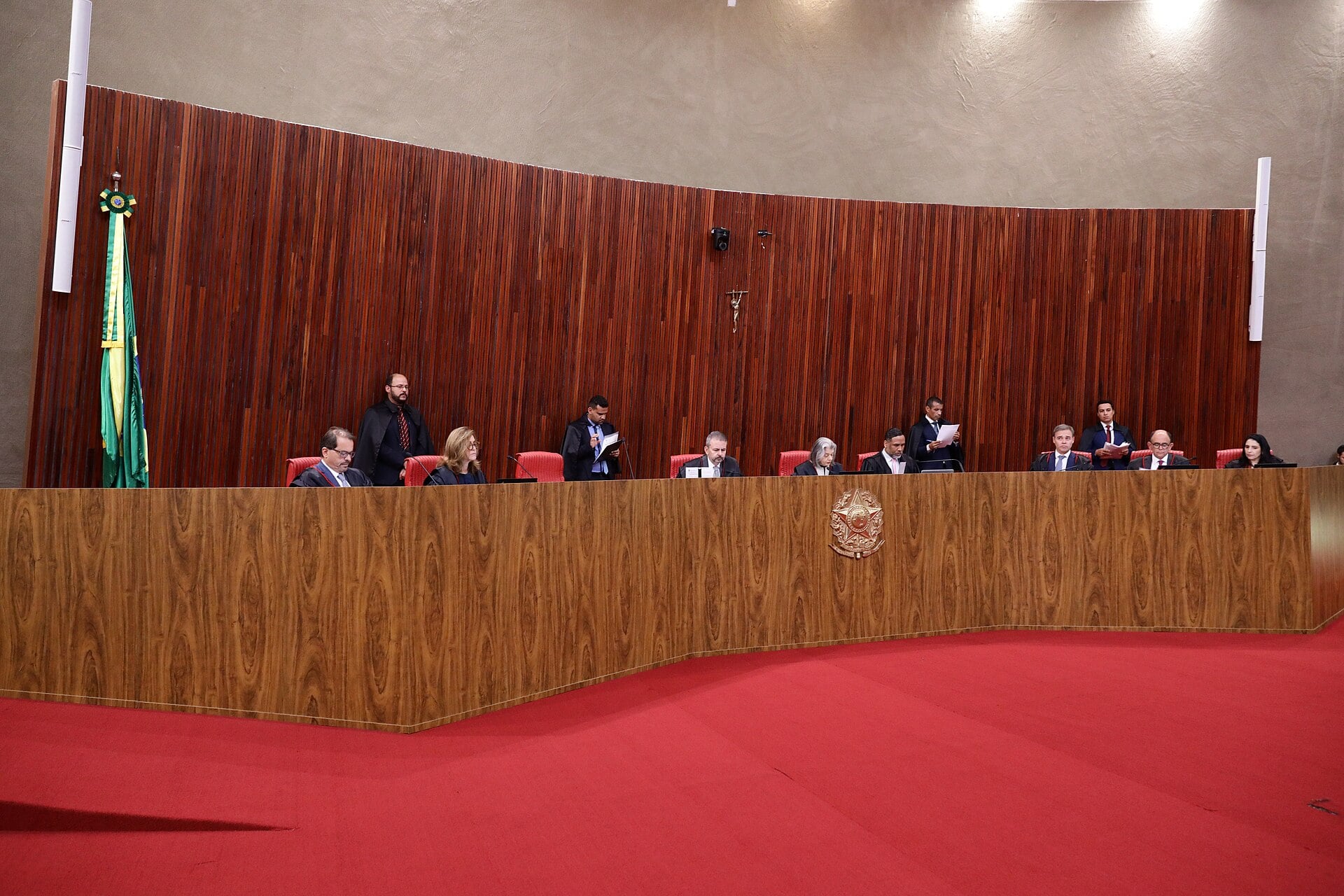
The electoral court (TSE) on Friday 16 October barred the campaign of Flávio Bolsonaro, senator for Rio de Janeiro, from showing again an ad that tied a remark by Luiz Inácio Lula da Silva, Brazil’s president, to child abuse. Minister Estela Aranha ruled that the ad stripped the remark of its meaning, nine days before the Brazil election 2026 runoff.
The ad took a fragment of a speech Lula gave in Belém on 28 September, when he spoke about prostate cancer screening. For US readers, this is the kind of ruling that shapes the final stretch of a race that polls show as very close.
What the Court Ordered
Aranha barred Flávio’s campaign from showing the ad again, Estadão reported. Lula’s side had asked the court to act, and the order covers the Liberal Party (PL) and Flávio.
The minister found the ad did not stay within political criticism, CNN Brasil reported. The court’s task in such cases is to judge whether campaign material misleads voters about what a candidate said.
What the Ad Said and What Lula Meant
In Belém, Lula compared how men and women approach preventive medical exams, CNN Brasil reported. The ad isolated that passage and paired it with phrases such as “Lula, children do not need to be touched from an early age.”
Aranha wrote that this was not merely another reading of an undisputed fact. In her words, it was a “discursive construction” that could lead viewers to conclude Lula referred to abusive practices involving children, CNN Brasil reported.
What It Means for US Readers
The runoff on Sunday 25 October decides who runs Latin America’s largest economy. Court orders on campaign ads show how closely Brazil’s judges police what candidates say about each other.
The rulings cut both ways: CNN Brasil has also reported that the court ordered removal of videos by Lula and his wife that attacked Flávio. Investors should expect more such rulings before the vote, though none changes the election date or rules.
What Prediction Markets Say
On Polymarket, an online prediction market, bettors give Flávio Bolsonaro a 77.6% chance of winning the 25 October runoff and Lula 22.5% (16 October, 7:26 p.m. ET). The “Brazil Presidential Election” market has drawn about US$184.9 million in total bets.
Why we show this: prediction markets turn real-money bets into a live probability that moves within minutes of the news, which is why investors, campaigns and newsrooms in the United States now follow them closely. We show them next to polls and official results, never instead of them.
Prediction markets · who wins the runoff
Implied chance of winning Brazil’s presidency on 25 October, from traders’ prices.
Polymarket
Flávio Bolsonaro 77.6% · Lula 22.5% (US$185 million traded)
Kalshi (regulated in the US by the CFTC)
Flávio Bolsonaro 77% · Lula 22%
As of 16 October, 7:20 pm ET (00:20 Lisbon), updated every 20 minutes. Prices are bets, not polls, and can move fast.
Why we show this: prediction markets turn real-money bets into a live probability that moves within minutes of the news, which is why investors, campaigns and newsrooms in the United States now follow them closely. We show them next to polls and official results, never instead of them.
What Is Not Known
The Flávio campaign had not responded when Estadão published, so its reaction and any appeal are unknown. The reports do not say whether the full court will review the order.
No poll yet measures whether the ad, or its removal, moved any votes. Any effect would show up first in the next round of runoff polls.
More: Brazil news in English, every day from The Rio Times.
Frequently Asked Questions
Why did Brazil’s electoral court bar Flávio Bolsonaro’s ad?
Minister Estela Aranha found on Friday 16 October that the ad took a Lula remark out of context and tied it to child abuse. She ruled it went beyond political criticism.
What did Lula actually say in the speech?
On 28 September in Belém, Lula compared how men and women approach preventive medical exams such as prostate cancer screening, according to CNN Brasil. The ad isolated that passage and framed it as a reference to children.
Who is Estela Aranha?
She is a minister of Brazil’s electoral court (TSE), which oversees the election and rules on campaign disputes. She issued Friday’s order.
When is Brazil’s runoff?
Brazilians vote on Sunday 25 October, nine days after this ruling. The winner takes office as president for a four-year term.
Does the ruling change the election?
No. It only bars one ad from being shown again, and it does not change the date or the rules of the vote.
Sources: Estadão, 16 October 2026; CNN Brasil, 16 October 2026.
This article was produced by The Rio Times’ automated newsroom system. How we use AI · Report an error · Editorial responsibility: Matthias Camenzind, Editor-in-Chief