
BRAZIL ELECTIONS 2026 · RUNOFF GUIDE
Runoff · Sunday, 25 October
Flávio Bolsonaro vs Lula: what happens next
The official first-round results from the electoral court (TSE), state by state.
Key Facts
- —The date Brazil chooses its president in a runoff on Sunday, 25 October 2026, with polls open from 8 a.m. to 5 p.m. Brasília time (7 a.m. to 4 p.m. US Eastern Time).
- —The first round On 4 October, Flávio Bolsonaro won 47.03% of valid votes and President Lula 45.16%, according to the electoral court (TSE).
- —The candidates Flávio Bolsonaro is a conservative senator for Rio de Janeiro and the eldest son of former president Jair Bolsonaro; Luiz Inácio Lula da Silva of the left-wing Workers’ Party is the sitting president.
- —How it is decided The candidate with more valid votes wins; blank and spoiled ballots do not count.
- —The next steps Free campaign airtime on television and radio runs from 9 to 23 October, and the winner takes office on 5 January 2027.
- —What it means for you The dollar fell more than 4% against the real on 5 October as markets priced a stronger conservative Congress, so the runoff is a market event for anyone holding Brazilian assets.
The Brazil runoff in 2026 pits Flávio Bolsonaro against President Lula on Sunday, 25 October, after a first round that the conservative challenger won by about 2.2 million votes. For readers in the United States, the outcome will decide the direction of Latin America’s largest economy, its currency and its relations with Washington.
This guide explains where the race stands, how the runoff works, the dates that matter until the inauguration, who the two candidates are and what to watch. We update it until the result; the official count is on our Brazil election results page.
Where the Race Stands After the First Round
Flávio Bolsonaro of the Liberal Party (PL) finished first on 4 October with 47.03% of valid votes, about 56.1 million votes. President Luiz Inácio Lula da Silva of the Workers’ Party (PT) received 45.16%, about 53.9 million votes. Those are the electoral court’s figures with 99.99% of polling stations counted.
Because neither candidate passed 50% of valid votes, the two leaders meet again three weeks later. The other candidates are out. Augusto Cury of Avante came third with 2.89%, Renan Santos of Missão fourth with 2.24% and Ronaldo Caiado of the PSD fifth with 2.18%.
The result surprised Lula’s camp. Lula himself called the result unexpected and said the race had gone into extra time, the business site InfoMoney reported. Abstention reached a record of about 21%, with more than 33 million registered voters staying away, the newspaper Folha de S.Paulo reported.
The right also did well in Congress. The PL elected 19 senators and will hold the largest group in the Senate, with 28 of 81 seats, according to g1 and Folha.
How Brazil’s Runoff Works
Brazil elects its president in up to two rounds. A candidate who wins more than half of the valid votes in the first round is elected outright. Otherwise, the top two meet in a runoff, and the one with more valid votes wins. Blank and spoiled ballots are not counted as valid votes.
Voting is compulsory for literate citizens aged 18 to 70. It is optional for 16- and 17-year-olds, for people over 70 and for voters who cannot read. Polls open at 8 a.m. and close at 5 p.m. Brasília time across the country.
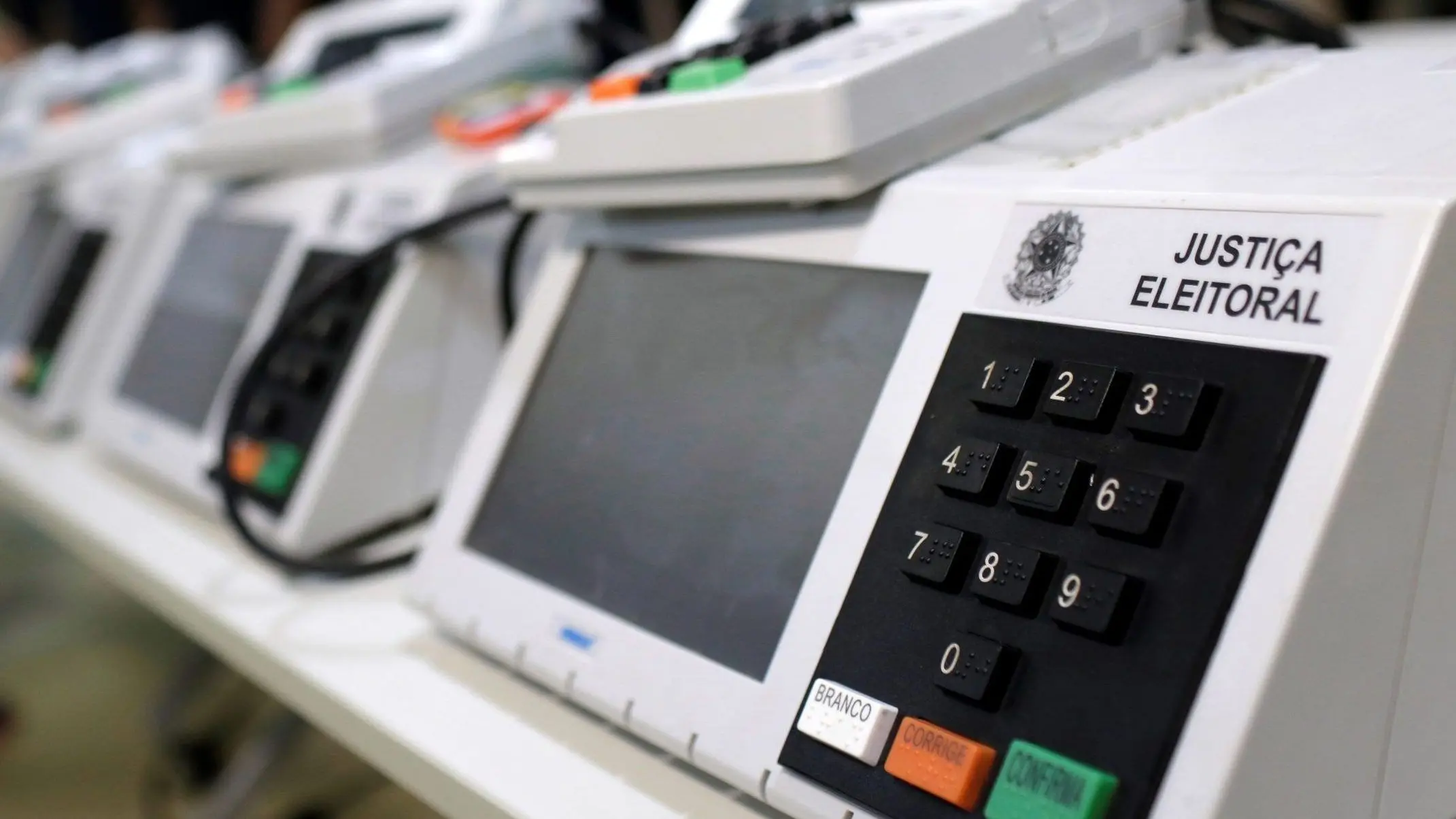
Brazilians vote on electronic voting machines run by the electoral courts, and results usually arrive on the same evening. Citizens registered abroad vote only for president. In states where no candidate for governor won a majority on 4 October, voters also choose their governor on 25 October.
The Calendar Until October 25 and Beyond
The runoff campaign began on Monday, 5 October, the day after the first round. These are the dates that matter:
- Friday, 9 October: free campaign airtime on television and radio begins for the two candidates.
- Sunday, 11 October: first television debate of the runoff, hosted by Band and the newspaper Estadão at 8 p.m. Brasília time.
- Friday, 23 October: last day of free campaign airtime.
- Sunday, 25 October: runoff vote from 8 a.m. to 5 p.m. Brasília time, with the count starting when polls close.
- Tuesday, 5 January 2027: the winner is sworn in for a four-year term.
The inauguration date is new. A 2021 constitutional amendment moved it from 1 January to 5 January, starting with the president elected in 2026.
Who Is Flávio Bolsonaro
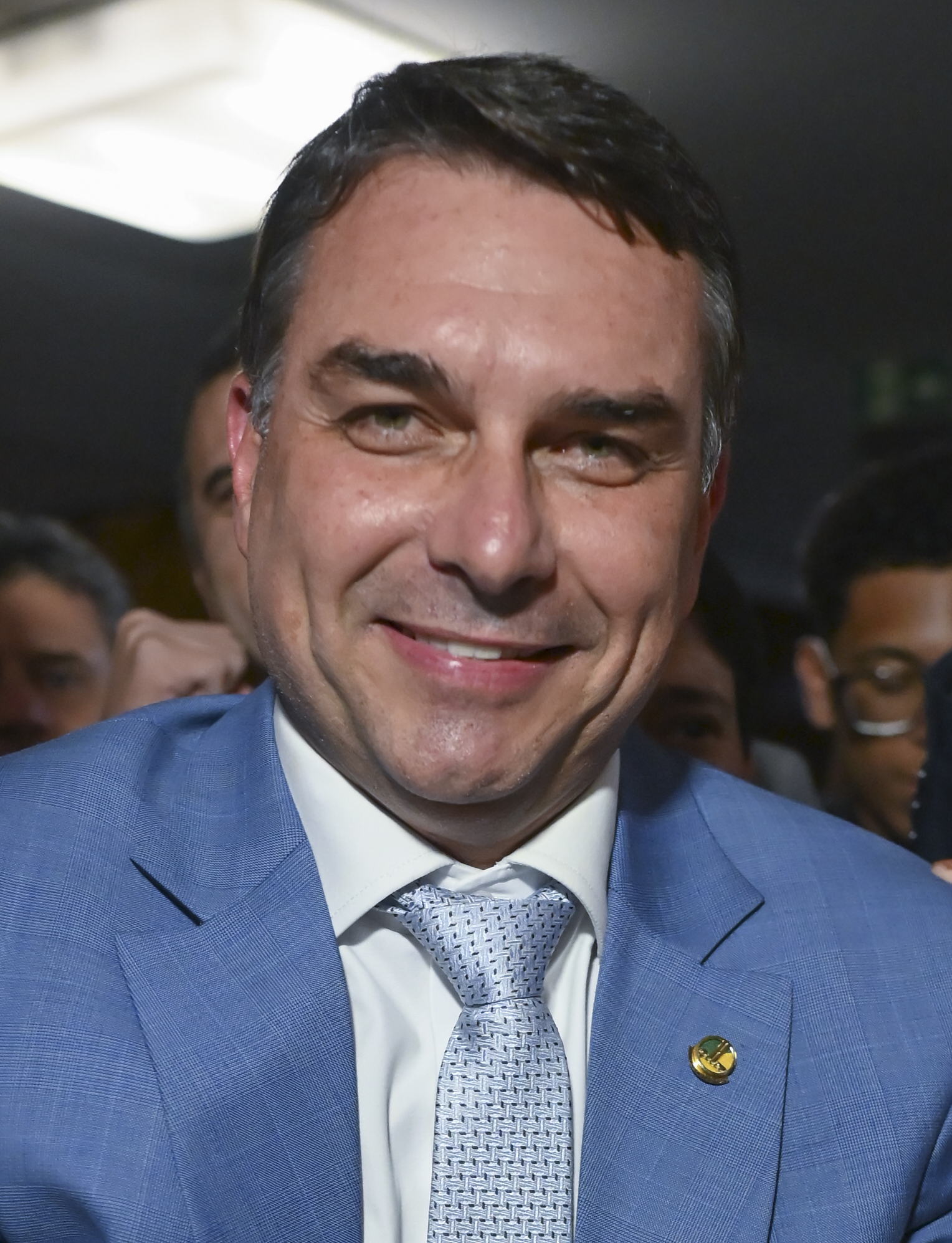
Flávio Bolsonaro, 45, has been a senator for the state of Rio de Janeiro since 2019. He is the eldest son of Jair Bolsonaro, the conservative president from 2019 to 2022. His father cannot run. The electoral court declared him ineligible until 2030 in a 2023 ruling, and in 2025 the Supreme Federal Court convicted him over a plot to overturn the 2022 election, which he denies; that conviction adds a further bar of eight years after he serves his sentence.
Flávio stands for his father’s political base: tougher policing and sentences, lower taxes and a smaller state, and conservative social values. His supporters see him as a calmer, more negotiable version of that agenda. His critics on the left argue that his victory would put the Bolsonaro family back in power and strain relations with the courts.
Foreign allies of the right reacted quickly. Argentina’s President Javier Milei and Israel’s Prime Minister Benjamin Netanyahu congratulated him on his first-round lead, g1 reported.
Who Is Lula
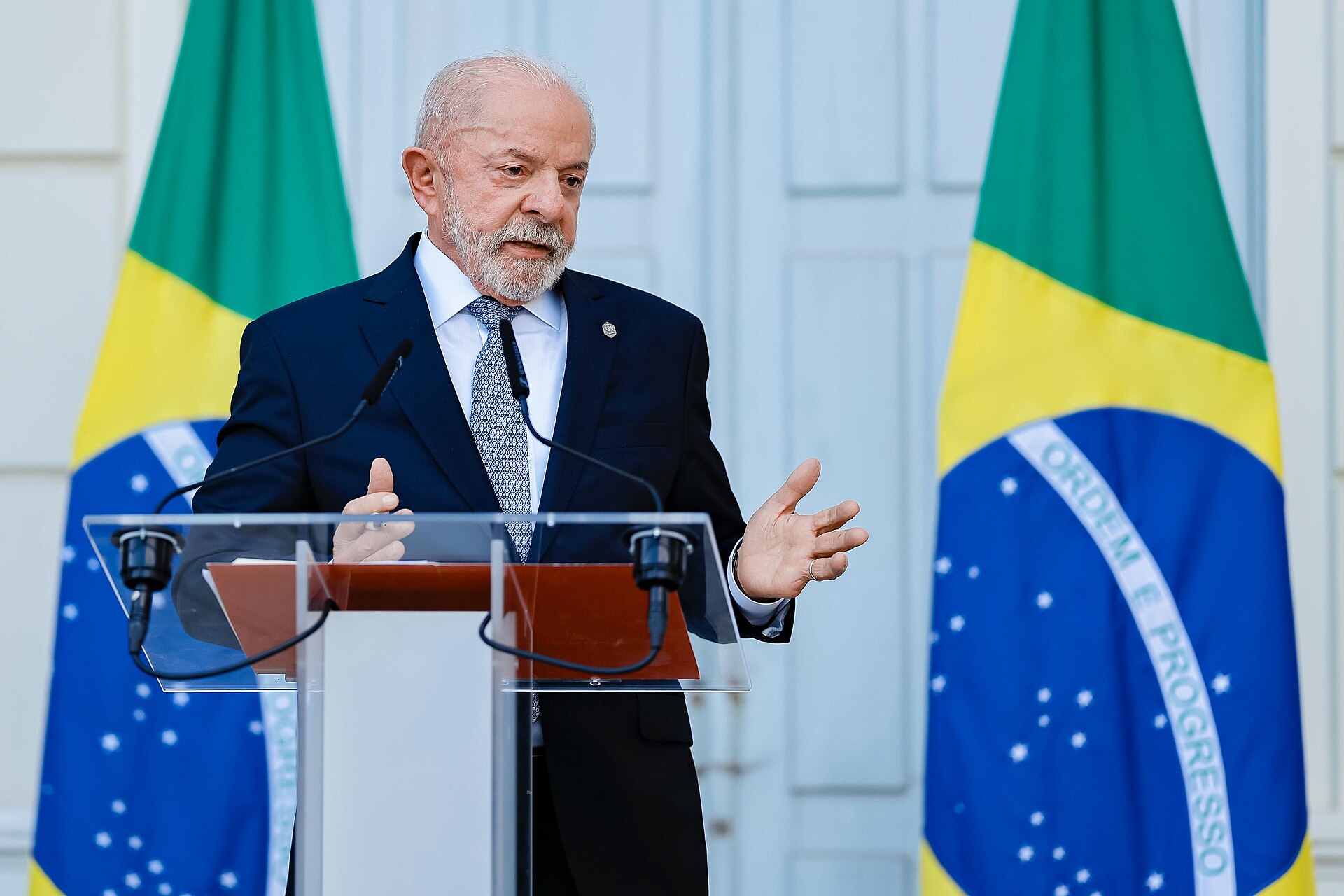
Luiz Inácio Lula da Silva, 80, is a former metalworker and union leader who co-founded the Workers’ Party. He was president from 2003 to 2010 and returned to office in January 2023. He is now seeking a fourth term.
Lula stands for social programmes such as the Bolsa Família cash transfer, state-led investment, income-tax relief for low earners and an active role in climate diplomacy. His supporters credit him with lower poverty and a stable democracy after the 2022 election. His critics on the right blame his government for high public spending, high interest rates and soft policing.
Endorsements and the Race for the Centre
With a gap of about 2.2 million votes, both camps now court the roughly 9 million voters who backed the eliminated candidates and the millions who stayed home. Flávio met São Paulo governor Tarcísio de Freitas of the Republicanos party and other allies on 5 October to plan his runoff strategy, g1 reported. Tarcísio, a former infrastructure minister under Jair Bolsonaro, leads Brazil’s richest state.
Formal endorsements from the third- to fifth-placed candidates had not been announced by the evening of 5 October. Lula’s campaign must win back centrist voters, many of whom rejected his party in the first round, while Flávio must reassure moderates who worry about his father’s legacy.
What Markets Are Pricing
Investors read the first round as a shift toward business-friendly policies. On 5 October the US dollar fell more than 4% and traded below R$5, according to g1. The move reflects bets that a conservative Congress, and possibly a conservative president, would cut spending and lower interest rates over time.
The repricing is a bet, not a result. A Lula win on 25 October could reverse part of it, while a Flávio win would put the focus on his economic team and his first budget. The international echo was immediate as well: US President Donald Trump cited Brazil’s same-day count to criticise slow vote counting in the United States, g1 reported.
What It Means for You
For US investors, the real, Brazilian stocks and US-listed Brazilian companies are likely to stay volatile until the runoff result. For companies doing business in Brazil, the new Congress matters as much as the president, because no Brazilian president governs without a coalition.
For travellers and expats, daily life continues as normal during the campaign. On voting day, expect closed schools used as polling stations, restrictions on alcohol sales in some states and busy roads in the evening.
What Is Not Known
It is not yet known which eliminated candidates will endorse whom, or how their voters will split. It is not known how the polls will move after the surprise of the first round. Nor is it known whether the market rally of 5 October will hold over three weeks of campaigning.
What to Watch
Watch for endorsements in the coming days, the first runoff polls, the free campaign airtime from 9 October and the first television debate on 11 October. Watch the real and Brazilian stocks as a running verdict on the race. On the evening of 25 October, follow the official count on our results page; in 2022 the runoff winner was clear within about three hours of polls closing.
Related reading: Brazil Election Explained After Flávio and Lula Advance; Brazil Election: Betting Markets Favour Flávio Bolsonaro, Polls Show a Tie; Brazil presidential polls diverge sharply 17 days before the vote; more from Brazil Elections 2026.
Frequently Asked Questions
When is the Brazil runoff in 2026?
The runoff is on Sunday, 25 October 2026. Polls are open from 8 a.m. to 5 p.m. Brasília time, which is 7 a.m. to 4 p.m. US Eastern Time.
What were the first-round results in Brazil?
Flávio Bolsonaro won 47.03% of valid votes and President Lula 45.16%, according to the electoral court. Because neither passed 50%, they meet in a runoff.
Who is Flávio Bolsonaro?
Flávio Bolsonaro, 45, is a conservative senator for Rio de Janeiro and the eldest son of former president Jair Bolsonaro. He runs for the Liberal Party (PL).
How does Brazil’s runoff work?
The two leading candidates of the first round face each other, and the one with more valid votes wins. Blank and spoiled ballots are not counted.
When does Brazil’s next president take office?
The winner is sworn in on 5 January 2027. A 2021 constitutional amendment moved the inauguration from 1 January.
How did markets react to the first round?
On 5 October the US dollar fell more than 4% and traded below R$5, according to g1, as investors priced a more business-friendly Congress.
Sources: TSE official results, g1, Folha de S.Paulo, InfoMoney, Estadão and Band debate, Constitutional Amendment 111/2021. As of 5 October 2026.
This article was produced by The Rio Times’ automated newsroom system. How we use AI · Report an error · Editorial responsibility: Matthias Camenzind, Editor-in-Chief