
GUIDES · BRAZIL
Key Facts
- —Context Brazil runs a universal public health system, the SUS, free at the point of use. Its public universities charge no tuition, and a large paid private sector sits beside both.
- —Private health plans 53.164 million people held private medical plans in August 2026, according to the ANS regulator. That is roughly one Brazilian in four.
- —Price cap The ANS capped 2026 increases on individual and family plans at 5.11%, set on 29 May 2026. Collective plans, including most employer cover, are not capped.
- —Schools In 2025, 46.018 million students were in basic education, in about 178,760 schools, per the Inep school census.
- —Universities More than 10 million undergraduates in 2024, per Inep. Private institutions held almost 80% of enrolments.
- —Exchange rate R$4.99 per US dollar, the Banco Central do Brasil PTAX rate of Friday 9 October 2026. Every conversion in this guide uses it.
Brazil services come in two tiers: free public health and education, and a paid private system that many middle-class families buy into. For an American moving there, the choice between the two decides both cost and quality.
This guide explains how each tier works as of October 2026, with prices in US dollars.
How Brazil Services Are Organised
The 1988 constitution calls health “a right of all and a duty of the State” in Article 196. Article 206 guarantees free public education in official institutions.
Those two lines explain why a middle-income country offers free hospitals and free universities.
Delivery is shared between three levels of government. Cities run most primary care, pre-schools and primary schools, while states run many hospitals and most secondary schools.
The federal government funds, regulates and runs the federal universities.
Brazil’s Migration Law of 2017 extends these rights to foreigners. It guarantees migrants access to public health services, and a right to public education without discrimination by nationality or migration status.
In 2021, households and the non-profits serving them spent the equivalent of 5.7% of GDP on health, against 4.0% for government. That is according to IBGE, the national statistics office.
Private spending outweighs public spending even with a free system in place.
The SUS: Free Public Healthcare for Everyone
The Sistema Único de Saúde (SUS), the unified health system, rests on the constitution and on Law 8,080 of 1990. It provides primary care, emergency treatment, hospital care and vaccines with no charge at the point of use.
Entry is through the local basic health unit, the Unidade Básica de Saúde (UBS), where family health teams work. Patients register there for the SUS card, the Cartão Nacional de Saúde, and are referred on to specialists.
Emergencies go to 24-hour emergency units (UPA) or hospital emergency rooms.
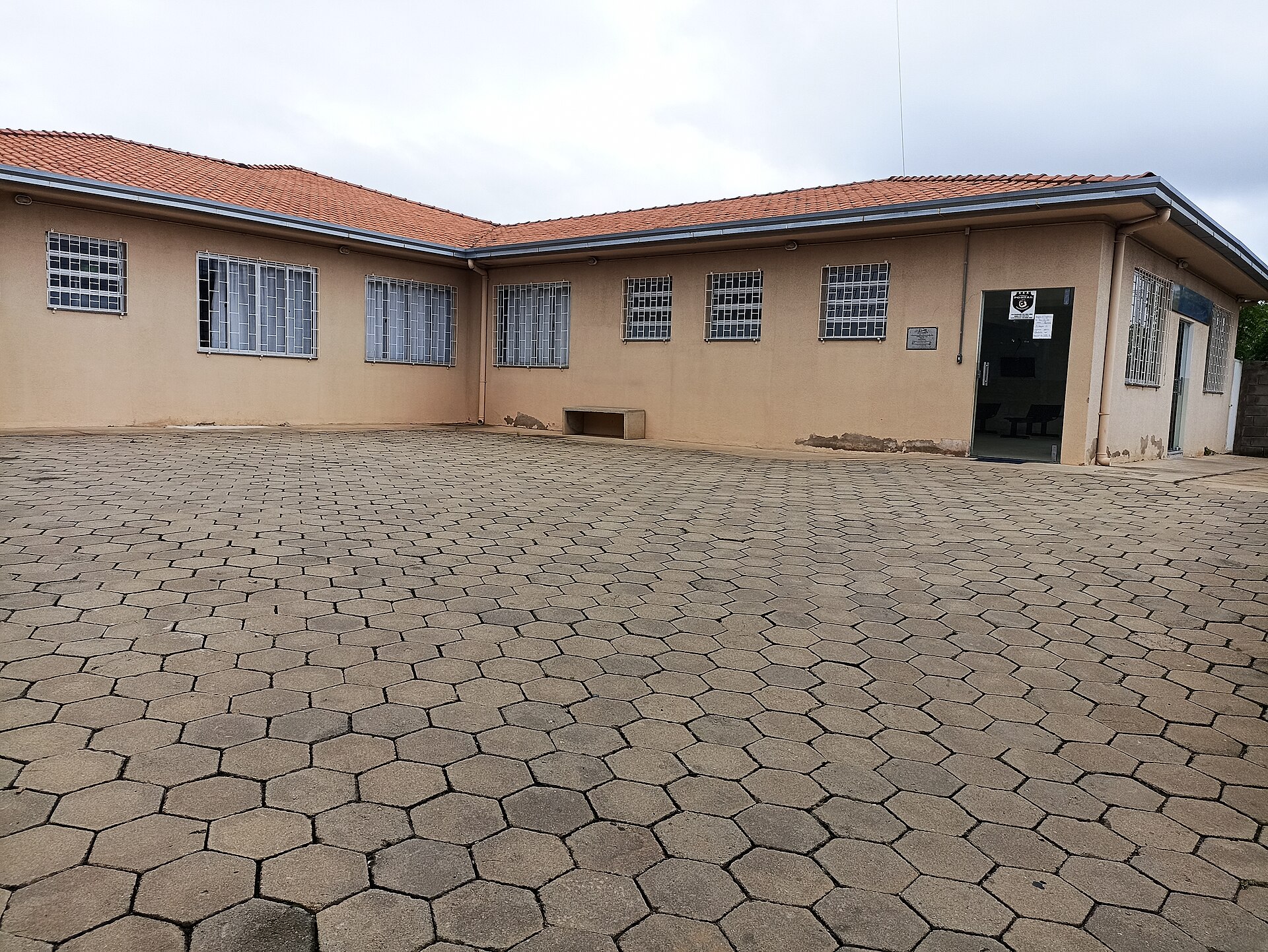
Waiting is the system’s best-known weakness. Specialist appointments, scans and planned surgery can take months in many cities, and quality varies between regions.
Large teaching hospitals linked to public universities, such as the Hospital das Clínicas in São Paulo, treat complex cases for the SUS. The SUS also runs the Farmácia Popular programme, which supplies medicines through registered private pharmacies, many of them free.
For a foreigner, the rule is simple. The SUS will treat you in an emergency, but routine care is easier with a private plan.
Private Health Plans and What They Cost
Private health plans, known as planos de saúde, are regulated by the National Supplementary Health Agency (ANS). In August 2026, 53.164 million people held private medical plans, ANS data showed.
Most cover comes through work. Corporate collective plans covered 38.977 million people and individual and family plans 8.350 million.
Plans bought through professional or trade associations covered 5.813 million.
The ANS sets a maximum annual increase only for individual and family plans. On 29 May 2026 it set that cap at 5.11%, its lowest apart from the negative adjustment of 2021.
Collective plans fall outside the cap, so their increases are negotiated with the contracting company.
Age also moves the price. Under ANS rules, plans sold since 2004 use ten age bands.
The top band, 59 and over, may cost at most six times the first.
How to Compare Plans
Premiums depend on age, city, hospital network and co-payment terms, so there is no single national price. Ask for quotes in writing and check whether a plan is individual or collective.
Then check the insurer’s record and the plan registration on the ANS website.
Public and Private Schools
Inep, the federal education statistics institute, counted 46.018 million students in basic education in its 2025 school census. That was 2.29% fewer than in 2024, mainly because Brazil has fewer school-age children.
Schooling is compulsory from age 4 to 17. In 2024, 97.2% of that age group attended school, according to IBGE household survey data cited by Inep.
Public schools charge no fees, and federal programmes fund school meals and textbooks. Quality varies widely between regions, cities and individual schools.
Many middle-class families therefore pay for private schools, whose fees vary as widely as the schools themselves.
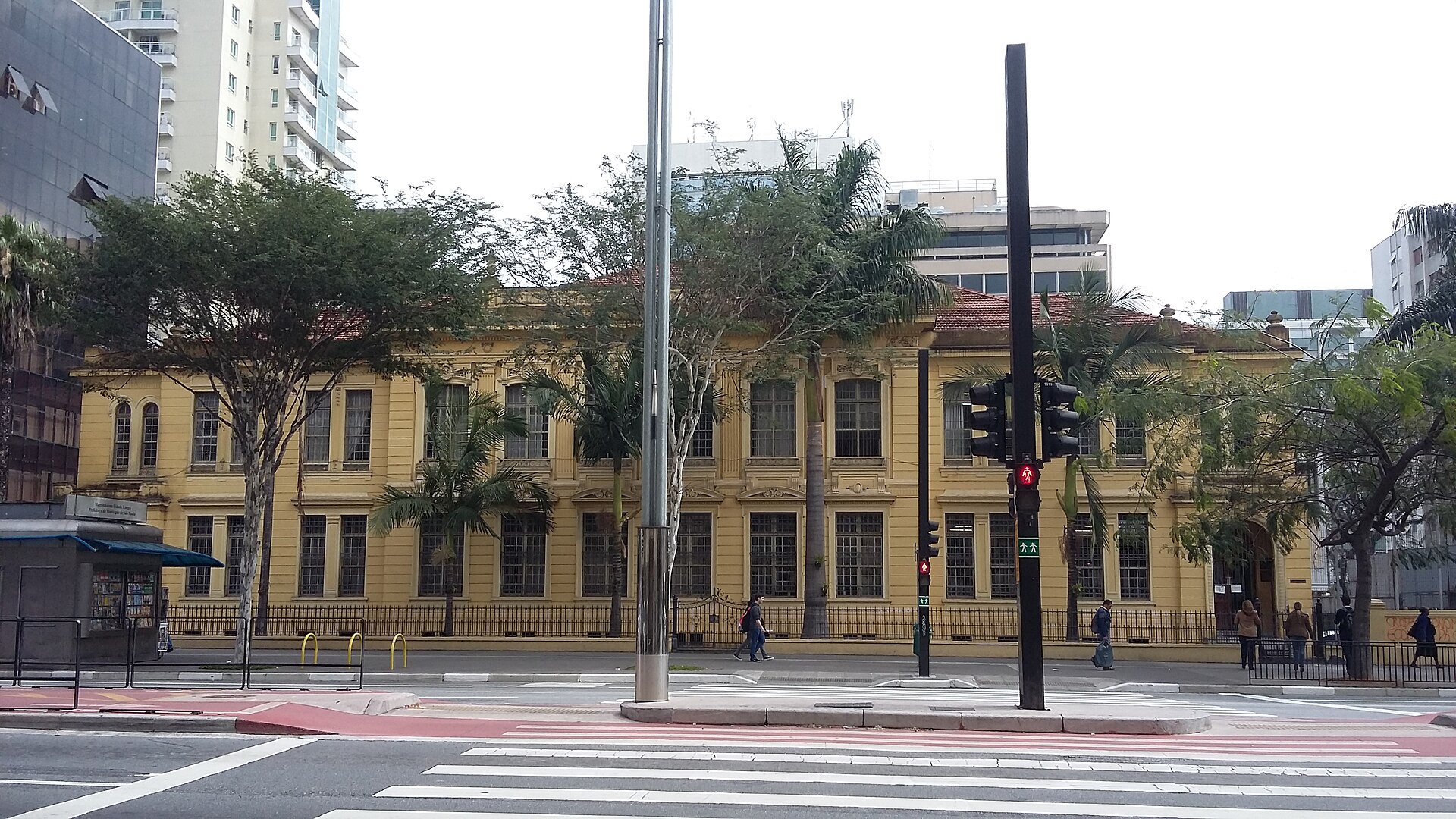
Results remain weak by international standards. PISA 2025, the OECD test of 15-year-olds, was published on Tuesday 8 September 2026.
Brazil scored 377 in maths, against an OECD average of 469.
In reading, Brazil scored 408 against an OECD average of 466. In science it scored 409.
International and Bilingual Schools
Expat families in São Paulo, Rio de Janeiro and Brasília often choose international or bilingual schools. Many teach in English, and they sit at the top of the price range.
Graded, the American School of São Paulo, publishes its fees. For the 2026-27 school year, monthly tuition is R$12,818 (about US$2,570) from pre-kindergarten to grade 5.
From grade 6 to 12 it is R$15,906 (about US$3,190) a month.
Graded bills tuition in 12 monthly instalments from July to June. A full year in its upper school therefore costs about R$190,872 (about US$38,250) before extra fees.
A one-time capital fund donation is also required at enrolment.
Most Brazilian schools start their year in February, while some international schools follow the northern-hemisphere calendar. Places at the best-known schools are limited, so families should apply early.
Universities: Free Public, Paid Private
Inep’s 2024 higher education census counted more than 10 million undergraduates for the first time. Distance learning overtook classroom courses, with 5.2 million students enrolled online against about 5 million on campus.
Private institutions dominate the numbers. About 90% of institutions are private, and they hold almost 80% of enrolments, more than 8 million students.
The federal network teaches about 1.3 million students, 64% of public enrolments.
Public universities charge no tuition. Entry is competitive.
Most select students through the national ENEM exam, and the University of São Paulo (USP) also runs its own Fuvest exam.
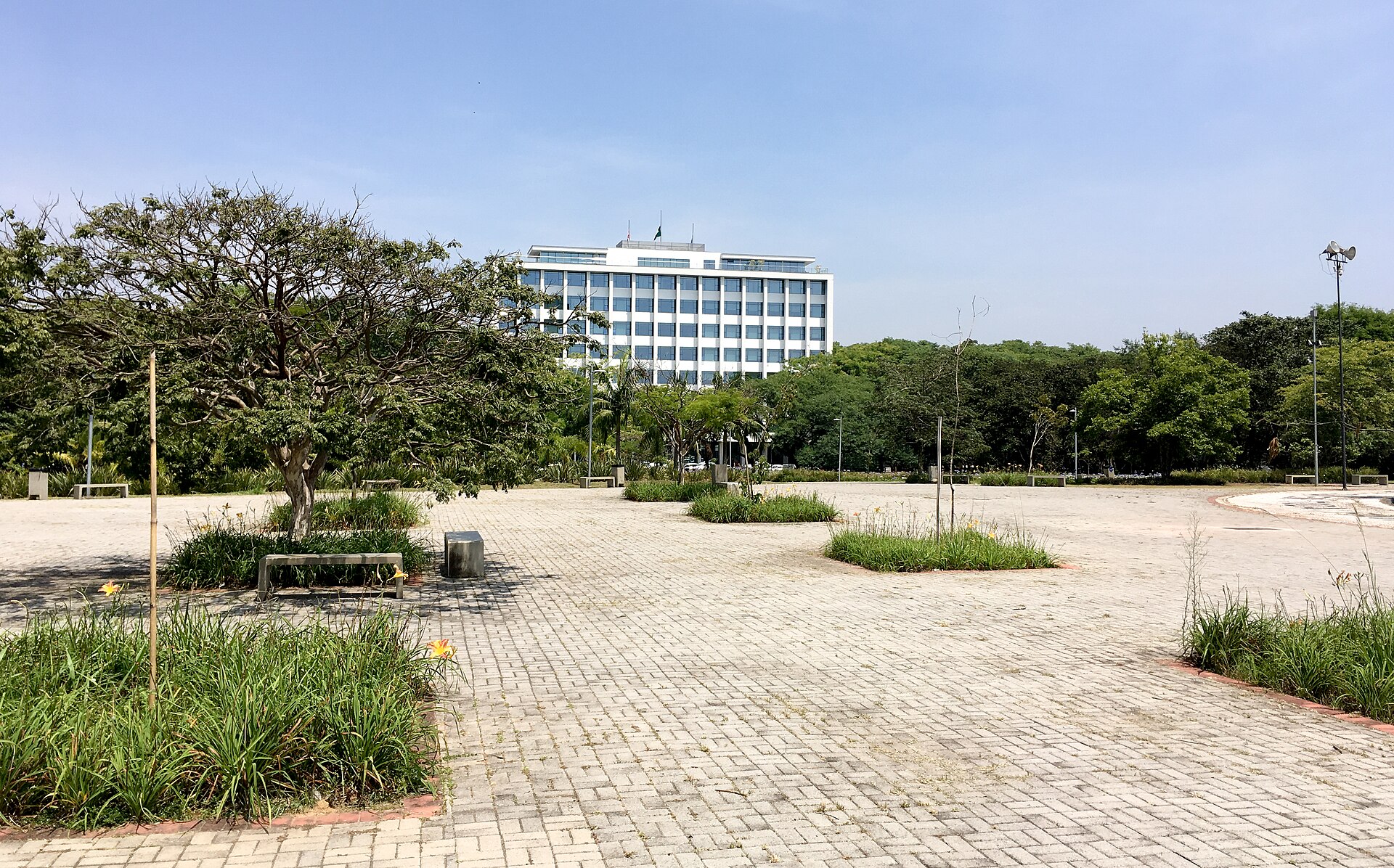
Private fees fell in 2026. The median monthly fee for classroom degrees was R$835 (about US$167), and for distance degrees R$214 (about US$43).
That is according to a survey published by ABMES, the association of private higher-education providers. Medicine is the most expensive course, with a median of R$11,400 (about US$2,285) a month at private institutions.
On quality, USP placed second in the QS Latin America and the Caribbean ranking published on 1 October 2026. The Pontifical Catholic University of Chile came first.
Dropout is a concern. Inep found that 17.5% of students who started a degree in 2023 had left by 2024.
What Foreigners Should Know
- Public health care is open to you. The SUS treats residents and visitors alike, and emergency care has no charge at the point of use.
- Register locally. Ask at the nearest UBS which documents it needs to issue an SUS card, as procedures are handled by each city.
- Read the plan type. An individual plan is protected by the ANS annual cap; a collective plan is not.
- Children have a right to a place. The Migration Law guarantees public education regardless of nationality or migration status.
- Degrees need recognition. Foreign diplomas are revalidated by Brazilian public universities, and doctors trained abroad must pass Revalida, the exam run by Inep.
- Expect Portuguese. Public clinics, schools and universities work in Portuguese, and English is rare outside private and international institutions.
What It Means for US Readers
Investors: Health insurers, hospital chains and education groups are listed on B3, the São Paulo exchange. ANS beneficiary data and the annual price cap move their revenue, and so do regulated changes to distance-learning rules.
Travellers: The SUS will treat a tourist in an emergency without charge. Private hospitals bill directly, so travel insurance that covers private care and medical evacuation still matters.
Expats: Budget for a private health plan. Families should add school fees, which reach about US$38,000 a year at a leading American school. In return, Brazil services cover almost everything a family needs, from vaccines to university.
Connected Coverage
Brazil Healthcare for Foreigners: Free SUS vs. Private Plans
Moving to Brazil in 2026: Visa Routes, Deadlines and One Big Error
Brazil Explained 2026 for Newcomers on Politics and Economy
Permanent Residency in Brazil for Expats: The Final Step (2026)
Brazil Blocks Health Insurer Hapvida From Repricing 947,000 Plans
Afya Yduqs Merger Agreement Signed to Combine Brazil Education Giants
What Is Not Known
The presidential runoff on Sunday 25 October 2026 will shape health and education budgets from 2027. It pits President Luiz Inácio Lula da Silva of the left-wing Workers’ Party (PT) against Senator Flávio Bolsonaro of the conservative Liberal Party (PL).
Lula has been president since January 2023. Flávio Bolsonaro, a senator for Rio de Janeiro, is the son of former president Jair Bolsonaro.
Farmácia Popular has become a campaign issue, with Lula’s campaign citing cuts proposed under Jair Bolsonaro’s government. On Friday 9 October 2026, Flávio Bolsonaro said he would keep it.
How a new government would fund the SUS and the federal universities in 2027 is not yet known.
The ANS has studied new rules for collective plan increases. The Supreme Federal Court (STF) is also judging how plans may raise prices for older members.
The outcome of both is not yet known.
Frequently Asked Questions
Is healthcare free in Brazil for foreigners?
Yes. The SUS is free at the point of use, and the 2017 Migration Law guarantees migrants access to public health services. Waits for specialists can be long, so many foreign residents also buy a private plan.
How many Brazilians have private health insurance?
In August 2026, 53.164 million people held private medical plans, according to the ANS regulator, roughly one Brazilian in four. Most are covered through employer plans.
How much can private health plans rise each year?
The ANS capped 2026 increases on individual and family plans at 5.11%. Collective plans, including most employer plans, fall outside the cap. Prices also rise when members move into an older age band.
Are public universities in Brazil free?
Yes. Public universities charge no tuition. Entry is competitive, mostly through the national ENEM exam, and the University of São Paulo also runs its own Fuvest exam.
How much does an international school cost in Brazil?
At Graded, the American School of São Paulo, monthly tuition for 2026-27 is R$12,818 (about US$2,570) up to grade 5 and R$15,906 (about US$3,190) for grades 6 to 12.
Can foreign children attend Brazilian public schools?
Yes. The Migration Law guarantees the right to public education without discrimination by nationality or migration status. Public schools charge no fees.
Sources: Health law from the constitution and Law 8,080, plan rules and data from the ANS, school and university data from Inep, fees from Graded and ABMES, and the exchange rate from the Banco Central do Brasil. All accessed 12 October 2026.
- Constitution of Brazil, Articles 196 and 206
- Migration Law 13,445 of 2017, Article 4
- ANS, age-band rules
- ANS, annual cap for individual and family plans
- Veja, ANS 2026 cap of 5.11%
- ANS beneficiary data for August 2026, via Estadão Conteúdo
- Agência Brasil, Inep school census 2025
- Correio Braziliense, Inep higher education census 2024
- Agência Brasil, private university fees 2026
- O Globo, PISA 2025 results
- Guia do Estudante, QS Latin America ranking
- Graded, tuition and fees 2026-27
- IBGE health satellite account, via Exame
- Banco Central do Brasil, PTAX rate
- Diário do Rio, presidential runoff
- Aos Fatos, Farmácia Popular claims
- SpaceMoney, Flávio Bolsonaro on Farmácia Popular
- Inep, Revalida 2026
Company profiles: Companhia Brasileira de Distribuição · more in our LatAm Company Intelligence section.
Company profiles: Helbor Empreendimentos S.A · more in our LatAm Company Intelligence section.
Company profiles: CM Hospitalar SA · more in our LatAm Company Intelligence section.
Company profiles: Azevedo & Travassos S.A · more in our LatAm Company Intelligence section.
Company profiles: Paranapanema S.A · more in our LatAm Company Intelligence section.
Company profiles: Braskem S.A. · more in our LatAm Company Intelligence section.
Company profiles: Oncoclinicas do Brasil · more in our LatAm Company Intelligence section.
Editorial responsibility: Matthias Camenzind, Editor-in-Chief · Editorial standards · Report an error
Expat Guide to Brazil
What The Rio Times publishes for foreigners who live in or move to Brazil.
Start here
- Brazil Security and Crime Explained 2026
- Brazil Rent and Power Bills After 4.58% Inflation
- What Is Nubank? 139 Million Customers, One Digital Bank
- Internet and SIM Cards in Brazil: Providers, Prices, Coverage
City guides
Rio de Janeiro, São Paulo, Florianópolis, Salvador, Belo Horizonte, Curitiba, Brasília
Coming up in Brazil
- South America Holiday Closures on 12 October 2026 12 Oct
- Apocalyptica Brazil Tour Plays Metallica in Five Cities From 13 October 13 Oct
- Robbie Williams in São Paulo, Brazil: 'Britpop' Show at Nubank Parque on October 13 — First Visit in 20 Years 13 Oct
- ART.PE Art Fair Opens in Recife, Brazil, on 15 October 14 Oct
Understand Brazil