Brazil’s 27 Governors Span Eight Parties

BRAZIL · ELECTION
Key Facts
- The country Brazil is Latin America’s biggest country, and each of its 26 states and the Federal District elects a governor who runs health, schools, police and roads.
- Why it matters Governors negotiate with the federal government and with municipalities, so the party map of the states shapes how Lula’s fourth term works outside Brasília.
- Why now The runoff on Sunday 25 October 2026 settled the last six governorships, and the electoral court confirmed the winners that night.
- What happened The Liberal Party (PL) ends with six governors and no runoff wins, while Lula’s Workers’ Party (PT) holds four and the PSD five.
- The numbers Eight parties share the 27 governorships: PL 6, PSD 5, PP 4, PT 4, Republicanos 4, PSDB 2, MDB 1 and Podemos 1.
- What it means for you US companies and investors now know which party will run each Brazilian state from January 2027, including São Paulo, home of the stock exchange and the Port of Santos.
- Still open Governors take office on 6 January 2027, and the sources reviewed do not explain how Rio de Janeiro was settled without a runoff.
- Power Index Brazil ranks 1st of 14 in The Rio Times Latin America Power Index, with 75.0 points (October 2026 edition).
Live tonight
Brazil’s runoff, live
The official TSE count for Flávio Bolsonaro and Lula, updated every minute (voting closed at 7 p.m. Brasília, 6 p.m. ET).
Brazil election 2026 · Brazil election polls · Who will win: Brazil election odds · Brazil runoff date and results start · Brazil election results · Brazil election poll data (CSV) · All election stories
Prediction markets · who wins the runoff
Implied chance of winning Brazil’s presidency on 25 October, from traders’ prices.
Polymarket
Flávio Bolsonaro – · Lula – (US$249 million traded)
Kalshi (regulated in the US by the CFTC)
Flávio Bolsonaro 0.4% · Lula 99.6%
As of 25 October, 11:40 pm ET (03:40 Lisbon), updated every 20 minutes. Prices are bets, not polls, and can move fast.
Why we show this: prediction markets turn real-money bets into a live probability that moves within minutes of the news, which is why investors, campaigns and newsrooms in the United States now follow them closely. We show them next to polls and official results, never instead of them.
In Plain English
A governor wins in the first round only with more than half of the valid votes, and otherwise the top two candidates meet in a runoff three weeks later. The Superior Electoral Court, known as the TSE, runs the vote and confirms the winners.
The Liberal Party, or PL, is the party of Jair Bolsonaro and his son Flávio, and the PT is President Lula’s Workers’ Party. The PSD, PP, Republicanos, PSDB, MDB and Podemos are other national parties.
Brazil’s 27 governors, one for each of the 26 states and the Federal District, will come from eight parties, with Jair Bolsonaro’s Liberal Party (PL) holding the most governorships at six and Lula’s Workers’ Party (PT) holding four, according to Agência Brasil and Agência Câmara. The runoff on Sunday 25 October 2026 settled the last six, and the electoral court (TSE) confirmed them that night.
The PL won none of the six runoffs, while the PSD, the PP, the Republicanos, the PSDB and the PT each took one or two, according to Agência Brasil. The races included a margin of 32,625 votes in Rio Grande do Norte, a comeback in Tocantins and the defeat of Espírito Santo’s sitting governor.
What the Runoffs Decided
The TSE confirmed six winners on Sunday night: Mailza Assis (PP) in Acre, Omar Aziz (PSD) in Amazonas, Vicentinho Júnior (PSDB) in Tocantins, Lorenzo Pazolini (Republicanos) in Espírito Santo, Cadu de Lula (PT) in Rio Grande do Norte and Celina Leão (PP) in the Federal District. Agência Câmara notes that Assis was re-elected and that Leão took over in April after the previous governor resigned.
Aziz won Amazonas with 61.42% against Professora Maria do Carmo of the PL, who took 38.58%, according to the TSE. His Força Amazonas coalition included the PT, the PCdoB, the MDB and the Republicanos beside his own PSD, according to the TSE.
The Closest Races and the Comebacks
In Rio Grande do Norte, Cadu de Lula of the PT won 50.77% of the valid votes, or 1,073,024, against 1,040,399 for Allyson Silva of the União party, a gap of 32,625 votes, according to the TSE. Silva had led the first round with 36.94% against 36.16%.
In Espírito Santo, Pazolini, a former mayor of Vitória, won 52.17% against the sitting governor, Ricardo Ferraço of the MDB, who took 47.83%, according to the TSE. In Tocantins, Vicentinho Júnior took 64.52% after trailing Senator Dorinha of the União party in the first round, 43.94% to 45.52%, according to the TSE.
How the Liberal Party Fared
The PL kept the lead it won in the first round on 4 October, with Paraná, Rio Grande do Sul, Santa Catarina, Rio de Janeiro, Rondônia and Roraima, according to Agência Brasil. Agência Câmara says it will have the most state governments from 2027 but won none in the runoff.
Maria do Carmo in Amazonas was the only PL candidate in the six runoffs, according to the TSE results pages. The party still sits inside two winning coalitions, Mailza Assis’s in Acre and Pazolini’s in Espírito Santo, according to the TSE.
How the Other Parties Stand
The PSD will hold five states, Amapá, Amazonas, Maranhão, Pernambuco and Sergipe, and the PP four, Acre, the Federal District, Mato Grosso do Sul and Paraíba, according to Agência Brasil. The Republicanos will hold São Paulo, Minas Gerais, Mato Grosso and Espírito Santo, with Tarcísio de Freitas listed as re-elected in São Paulo.
The PT keeps the four Northeastern states it already governed, Bahia, Ceará, Piauí and Rio Grande do Norte, which Agência Brasil says repeats its 2022 performance. The PSDB will hold Alagoas and Tocantins, the MDB Goiás and Podemos Pará.
What It Means for You
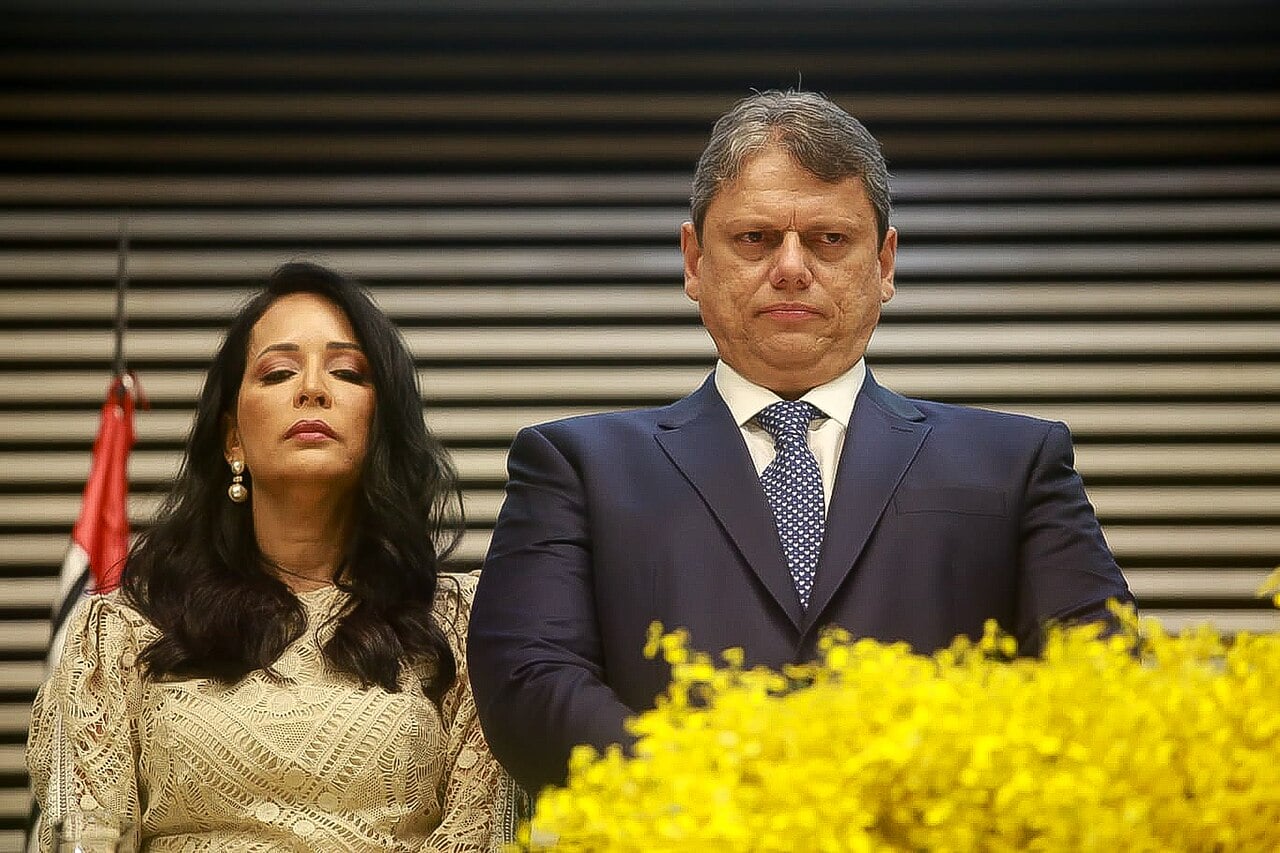
For US readers, the map shows that no single party controls Brazil’s states, since the party with the most governors holds only six of 27. São Paulo, home of the stock exchange and the Port of Santos, stays with Tarcísio de Freitas of the Republicanos, and Paraná goes to the former federal judge Sergio Moro of the PL.
Governors run state administration in areas such as health, education, public security, infrastructure and economic development, and they negotiate with the federal government and with municipalities, according to Agência Brasil. Earlier coverage is in the first-round governors map, The Big Read on Brazil and the Brazil news hub.
What Is Not Known
The sources reviewed do not explain how Rio de Janeiro was settled without a runoff, which an earlier report of 5 October said depended on whether the votes of Anthony Garotinho would count. Agência Brasil and Agência Câmara list Douglas Ruas of the PL as the state’s governor-elect and place none of the PL’s six governorships in the runoff.
The TSE pages opened for this report cover only the six runoff states, so the 21 first-round winners and the party totals rest on Agência Brasil and Agência Câmara, which agree with each other. Neither text gives vote shares for the first-round winners.
It is not known how the new governors will line up with President Lula in 2027 or how many of them backed Flávio Bolsonaro in the runoff. Governors take office on 6 January 2027, according to Gazeta do Povo, a day after Lula is due to be sworn in.
Frequently Asked Questions
How many parties will hold Brazil’s governorships?
Eight parties will govern Brazil’s 26 states and the Federal District, according to Agência Brasil. The PL has six, the PSD five, the PP, PT and Republicanos four each, the PSDB two, and the MDB and Podemos one each.
Did the Liberal Party win any governor in the runoff?
No, the PL won none of the six runoffs on 25 October, and its candidate Maria do Carmo lost in Amazonas with 38.58%. Its six governors all came from the first round on 4 October.
Which governors were elected in the runoff?
Mailza Assis (Acre), Omar Aziz (Amazonas), Vicentinho Júnior (Tocantins), Lorenzo Pazolini (Espírito Santo), Cadu de Lula (Rio Grande do Norte) and Celina Leão (Federal District) won on 25 October. The TSE confirmed all six that night.
What was the closest governor race?
Rio Grande do Norte, where Cadu de Lula of the PT won 50.77% against 49.23% for Allyson Silva, a gap of 32,625 votes, according to the TSE. Silva had led the first round.
When do the new governors take office?
Governors and vice-governors elected in 2026 take office on 6 January 2027, according to Gazeta do Povo. President Lula is due to be sworn in on 5 January.
Sources: Superior Electoral Court (TSE), Acre, 25 October 2026; TSE, Amazonas, 25 October 2026; TSE, Tocantins, 25 October 2026; TSE, Espírito Santo, 25 October 2026; TSE, Rio Grande do Norte, 25 October 2026; TSE, Federal District, 25 October 2026; Agência Brasil, 26 October 2026; Agência Câmara, 26 October 2026; Agência Câmara, runoff winners, 25 October 2026; Gazeta do Povo, 5 October 2026.
This article was produced by The Rio Times’ automated newsroom system. How we use AI · Report an error · Editorial responsibility: Matthias Camenzind, Editor-in-Chief