What Is Codelco? Chile’s State Copper Giant, Its Debt and the El Teniente Crisis
COMPANIES · CHILE
Key Facts
- —The country Chile is the world’s biggest copper-mining country, producing about 5.4 million tonnes in 2025. Codelco, owned entirely by the state, mines roughly a quarter of it.
- —What it is Corporación Nacional del Cobre de Chile, created in 1976 to run the copper mines nationalised in 1971. It has seven mining divisions plus the Ventanas smelter and refinery.
- —Size In the first half of 2026: revenue US$10.7 billion, adjusted EBITDA US$4.6 billion, profit before tax US$2.0 billion. Own output in 2025 was 1.307 million tonnes after an audit restatement.
- —Ownership 100 percent state-owned. Bernardo Fontaine has chaired the board since 26 May 2026; Jorge Gómez has been chief executive since 13 July 2026.
- —Why it matters It paid US$1.78 billion to the Chilean treasury in 2025 and now controls, with SQM, the lithium of the Salar de Atacama until 2060.
- —The catch Net debt of US$24.3 billion, falling output, rising costs, the fatal El Teniente collapse of July 2025 and an audit that found 2025 production was overstated.
What is Codelco, and why should anyone outside Chile care? It is the state company that mines about a quarter of Chile’s copper, the metal inside every power grid, electric car and data centre.
Codelco is also a company in trouble. Copper prices are near records and profits have jumped. Yet output keeps falling, debt keeps rising, and a fatal mine collapse and a production audit have forced a change of leadership.
What the company does
Codelco digs copper out of the Andes and the Atacama Desert, turns most of it into cathodes and concentrate, and sells it abroad. Its full name is Corporación Nacional del Cobre de Chile. It is the direct heir of the 1971 nationalisation of Chile’s large US-owned copper mines.
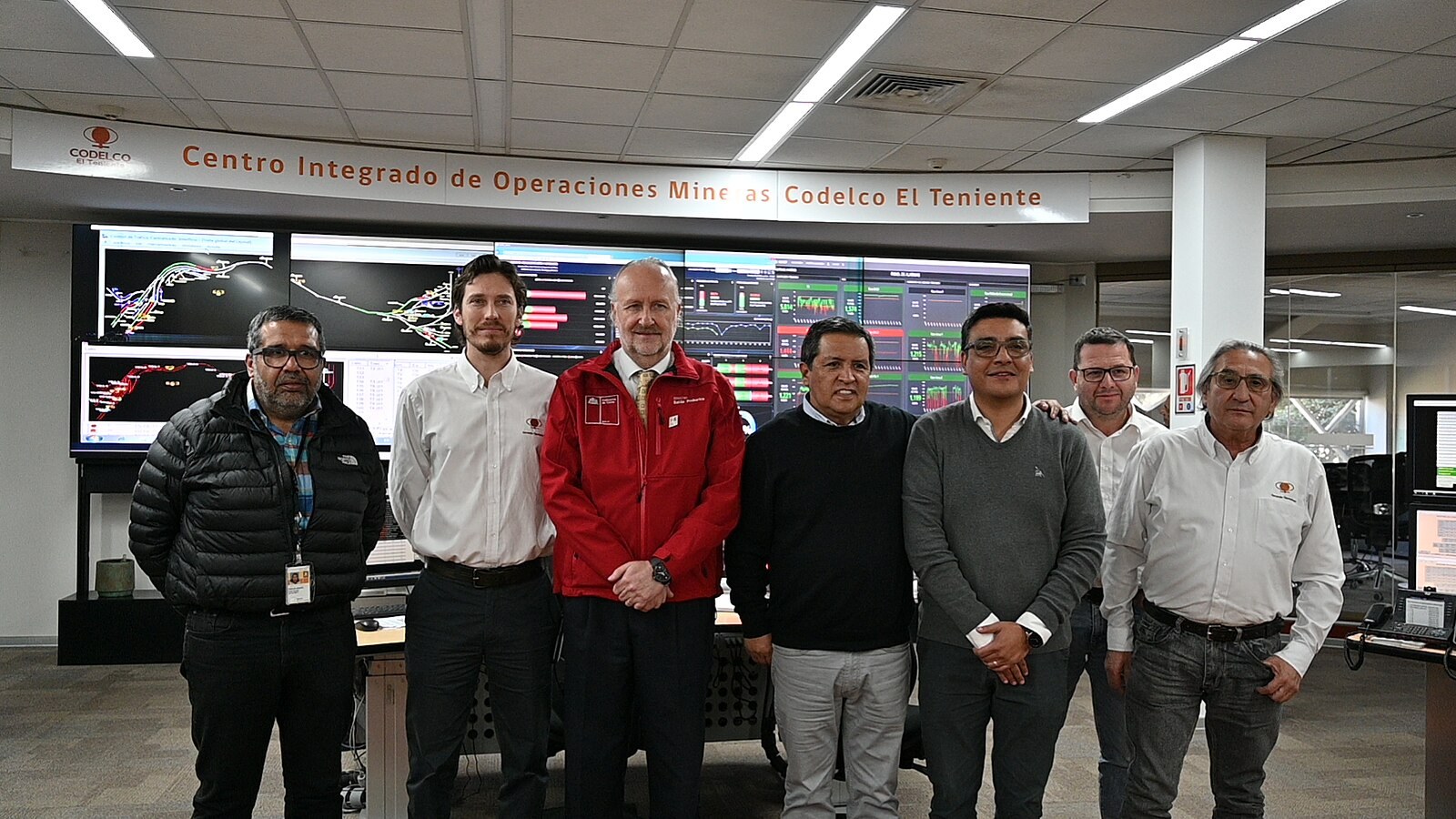
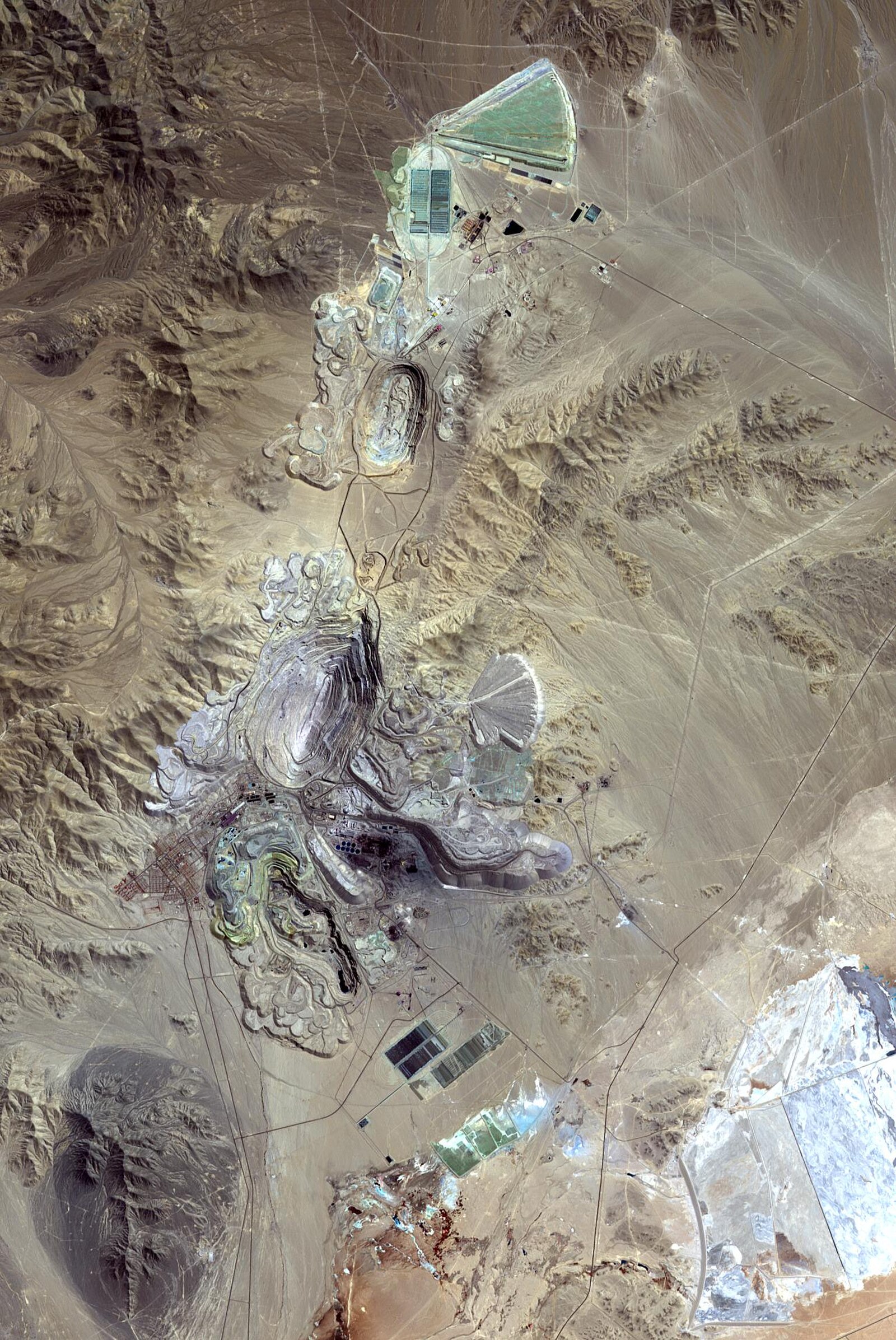
The company operates seven mining divisions. In the north sit Chuquicamata, Radomiro Tomic, Ministro Hales and Gabriela Mistral, all in the Antofagasta region of the Atacama Desert. Further south are Salvador, Andina and El Teniente, the last one south of Santiago near Rancagua. Ventanas, on the coast, is a smelter and refinery.
Codelco also holds minority stakes in three private mines: 49 percent of El Abra, 20 percent of Anglo American Sur and 10 percent of Quebrada Blanca. Counting those shares, it produced 1.44 million tonnes of copper in 2025. Its own divisions produced 1.334 million tonnes, later restated to 1.307 million.
For decades Codelco called itself the world’s largest copper producer. That claim has weakened. In 2025, according to data from Chile’s copper commission Cochilco reported by Pauta, BHP’s Escondida mine alone produced more copper than all of Codelco’s divisions combined, for the first time.
How it makes money
The business model is simple: mine copper cheaply enough to sell it at a margin. Codelco also sells molybdenum, a by-product used to harden steel, and earns from its stakes in other mines. Since 2025 it also earns from lithium.
Price does most of the work. In the first half of 2026 Codelco realised an average of 653.2 US cents a pound of copper, against 461.7 cents a year earlier. That rise more than offset lower sales volumes, so revenue grew 22.7 percent even as output fell.
Cost is the weak side. The direct cash cost, called C1, rose to 231.6 cents a pound in the first half of 2026, from 217.0 cents. The broader net cash cost, known as C3, reached 403.3 cents. Lower volumes at El Teniente, Chuquicamata and Ministro Hales explain most of the increase, along with inflation and a stronger Chilean peso.
Codelco does not keep what it earns in the way a private miner does. It pays corporate and special taxes and, historically, 10 percent of its copper export sales to the armed forces under the Ley Reservada del Cobre. A 2019 law abolished that levy but phases it out slowly, so Codelco still pays it. Its results also show profit without this charge, for comparison with private miners.
Live Market IntelligenceChile — Live Market Board
Rio Times · Live Market Intelligence
Chile — Live Market Board
-0.56%
187,197.46
+0.46%
63,594.53
-0.97%
10,908.18
-0.56%
2,758,840
-2.15%
2,530.05
-0.75%
59,831.84
-0.13%
| Instrument | Last | Change | YoY | Prev. | High | Low | Volume |
|---|---|---|---|---|---|---|---|
| IPSA | 10,908.18 | -0.56% | — | 10,969.49 | 11,210 | 10,984 | 1,513,213,483 |
| USD/CLP | 913.98 | +0.04% | -5.67% | 913.65 | 915.11 | 906.68 | — |
| COPPER | 6.61 | +0.03% | +46.70% | 6.61 | 6.71 | 6.61 | 39,543 |
| SQM-B | 65,305 | -0.84% | +49.03% | 65,860 | 66,949 | 64,978 | 76,539 |
| COPEC | 5,964 | -1.09% | -11.70% | 6,030 | 6,100 | 5,960 | 634,331 |
| BSANTANDER | 78.37 | -2.28% | +35.94% | 80.20 | 81.69 | 78.34 | 36,288,711 |
| FALABELLA | 6,334 | -1.48% | +23.28% | 6,429 | 6,450 | 6,300 | 26,085,814 |
| ENELAM | 87.09 | +0.10% | -10.13% | 87.00 | 87.40 | 86.50 | 13,106,417 |
| CENCOSUD | 1,946 | -2.19% | -35.30% | 1,990 | 2,010 | 1,945 | 966,528 |
| CMPC | 1,020 | -1.96% | -29.10% | 1,040 | 1,050 | 1,015 | 3,526,677 |
| BANCO CHILE | 184.96 | -1.01% | +32.87% | 186.85 | 189.99 | 184.33 | 18,101,240 |
| LATAM AIR | 24.08 | -1.11% | +16.61% | 24.35 | 24.59 | 23.88 | 573,612,753 |
| SOUTHERN COPPER | 193.97 | -0.26% | +104.01% | 194.48 | 199.36 | 192.59 | 367,102 |
The numbers
The latest reported period is the first half of 2026, published on 28 August 2026. Revenue reached US$10.7 billion and adjusted EBITDA, a measure of operating cash generation, rose 68 percent to US$4.6 billion. Profit before tax was US$2.0 billion, against US$429 million a year earlier. After taxes, net profit was US$669 million.
Production went the other way. Own output fell 11 percent to 564,000 tonnes, and attributable output including stakes fell 10.1 percent to 619,000 tonnes. El Teniente dropped from 172,000 to 126,000 tonnes, Chuquicamata from 115,300 to 90,000 and Ministro Hales from 66,800 to 52,700. Radomiro Tomic, Andina and Salvador grew.
For the full year 2025 Codelco reported EBITDA of US$6.67 billion and a record profit of US$2.42 billion. Of that profit, only US$388 million came from the business excluding the new lithium venture with SQM, according to the company’s own results presentation. Profit before tax was US$4.85 billion, Mining Weekly reported.
Contributions to the treasury were US$1.78 billion in 2025, up 16 percent, and US$933 million in the first half of 2026. Capital spending reached a record US$5.07 billion in 2025 and US$2.5 billion in the first half of 2026.
Debt is the number that worries Chile. Gross financial debt stood at US$27.6 billion on 30 June 2026, up 13.8 percent in a year. Net debt was US$24.3 billion. Because EBITDA rose so fast, net debt fell to 2.8 times a year’s EBITDA, from 4.4 times, and cash rose to US$3.3 billion.
Ownership and governance
The Chilean state owns 100 percent of Codelco. The president appoints the board chair and directors, and the ministries of finance and mining decide how much profit the company may keep. In August 2026 they let Codelco retain all of its 2025 net income, US$2.42 billion, for the first time in its history.
Leadership changed almost completely in 2026. President José Antonio Kast named Bernardo Fontaine chairman from 26 May, replacing Máximo Pacheco. On 3 June the board appointed Jorge Gómez, a mining engineer who ran the private Collahuasi mine for 14 years, as chief executive. He took over from Rubén Alvarado on 13 July.
Gómez then replaced much of the top team. Five new vice-presidents and four division heads were announced on 14 August 2026, most taking office on 1 September. Operations were split into a northern and a central-southern vice-presidency, and El Teniente, Chuquicamata, Ventanas and Ministro Hales all received new general managers.
The production audit
On 20 May 2026 Codelco reported an internal audit, triggered by an anonymous ethics complaint. It found that 20,000 tonnes of oxides at Chuquicamata and 6,875 tonnes of calcium arsenite at Ministro Hales had been booked as finished copper while still needing processing.
As a result, 2025 own production was restated from 1.334 million to 1.307 million tonnes, and C1 cost from 208.5 to 211.6 cents a pound. The audited financial statements did not need amending. The board sent the findings to prosecutors and on 21 July hired KPMG to audit the 2024 and 2025 production reports.
El Teniente: the accident and its cost
El Teniente, in the O’Higgins region, is the world’s largest underground copper mine. On 31 July 2025 a seismic event caused a rock burst in its tunnels and killed six contract workers. The Andesita and Recursos Norte areas have remained shut since.
The fallout has lasted more than a year. The El Teniente general manager, Andrés Music, left in August 2025. In February 2026 an internal audit found “serious breaches of duty” in how executives reported an earlier rock burst, in 2023, to the mining regulator Sernageomin. Codelco removed its operations chief Mauricio Barraza, El Teniente head Claudio Sougarret and projects manager Rodrigo Andrades.
Police searched Codelco offices and the homes of former executives on 19 February 2026 as part of the prosecutors’ investigation. In April 2026 Chile’s labour authorities fined Codelco about US$20,000 and three contractors about US$87,000 combined, Mining Weekly reported.
The operational damage is larger. Codelco told Reuters in February 2026 that El Teniente would produce around 301,000 tonnes a year for five years, rather than grow. On 4 August 2026 it also suspended work on Andes Norte, one of three projects meant to extend the mine’s life by 50 years, citing an emerging deep seismic risk.
Why it matters for the region
Copper is Chile’s largest export by far, and Codelco’s transfers are a line item in every Chilean budget. When Codelco struggles, the treasury, the peso and the country’s credit story all feel it.
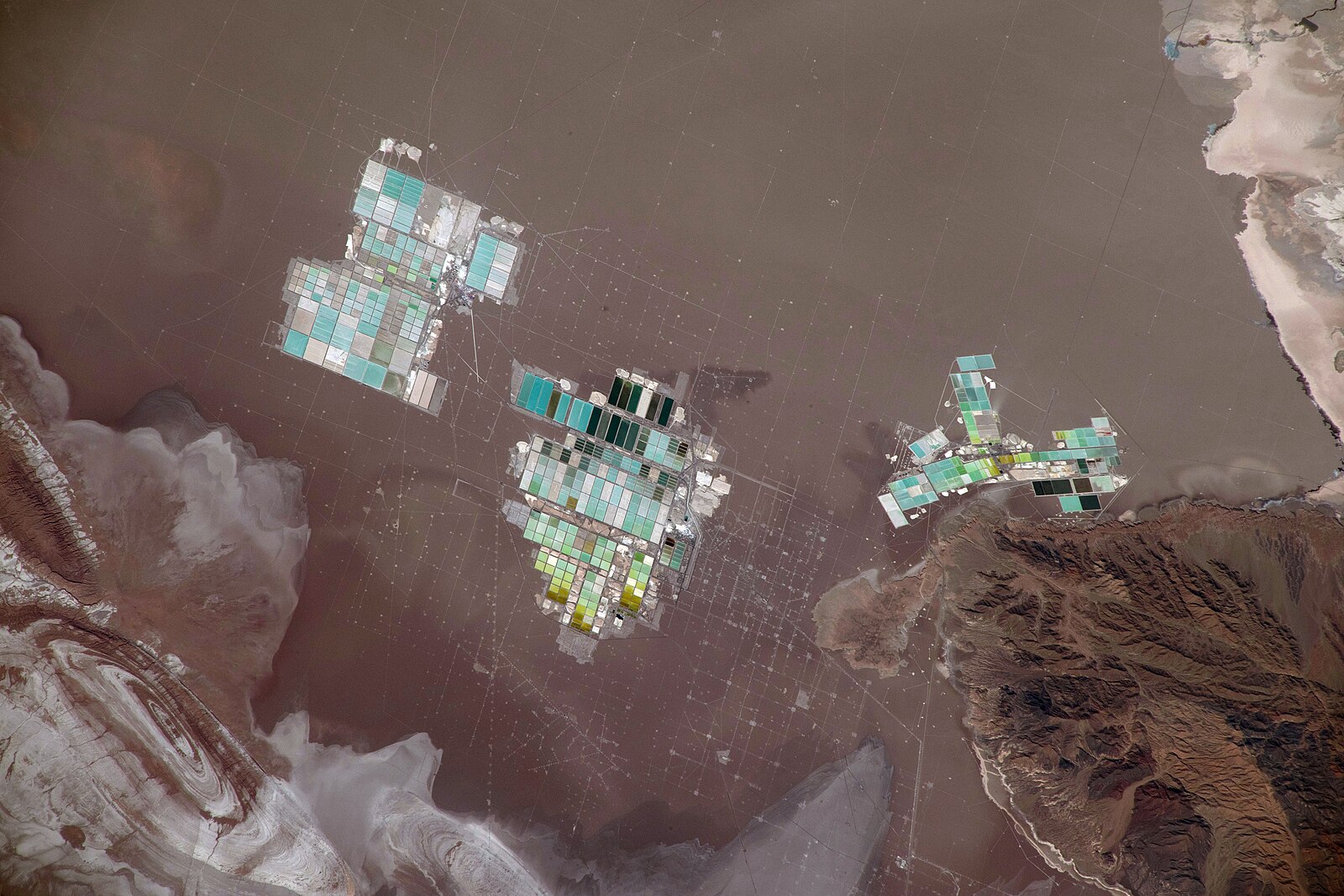
Lithium adds a second reason. On 27 December 2025 Codelco and SQM formed NovaAndino Litio, merging their Salar de Atacama businesses into one company. The deal secures production in the salt flat until 2060. SQM keeps operational control until 2030 and Codelco takes control from 2031, according to Benchmark Mineral Intelligence.
Codelco is also partnering with Rio Tinto at the Maricunga salt flat, keeping 50.01 percent while Rio Tinto commits up to US$900 million. Chile’s competition authority approved the venture in August 2026. Chairman Fontaine said in July that production there is still eight years away.
On copper, the most important partnership is with Anglo American. A joint mining plan for the neighbouring Andina and Los Bronces mines, signed on 24 June 2026, is expected to add about 120,000 tonnes a year over 21 years. It still needs environmental permits, which the companies expect by 2030.
Risks
The first risk is geology. Codelco’s mines are old, ore grades are falling, and deeper mining brings the kind of seismic risk that stopped Andes Norte. Replacing lost tonnes requires very large, very slow projects.
The second is money. Fontaine warned in August 2026 that Codelco faces “four difficult years”. In a television interview he said that over four years the company paid US$7 billion to the state while borrowing US$8.7 billion, Reporte Minero reported. He wants to fund the US$34 billion investment plan without piling on more debt.
The third is people and safety. Besides El Teniente, a worker died at the Potrerillos smelter of the Salvador division in January 2026. A restructuring plan now due by the end of 2026 could cut jobs. Reuters reported estimates of 5 to 20 percent of a workforce of about 77,000, counting contractors. Codelco said it was too early to speculate.
The fourth is credibility. The production audit and the El Teniente reporting failures both concern information given to the board and the regulator. Two investigations by prosecutors are open, and their outcome is not known.
What to watch
As of 23 September 2026, these are the markers that will show whether the turnaround under Gómez and Fontaine is working.
The restructuring plan. Codelco said in mid-September that its recovery plan should be ready by the end of 2026, later than the October date first suggested. Watch for asset sales, closures, project delays and job cuts.
The 2026 production figure. The target is about 1.34 million tonnes, which Fontaine has admitted will be hard to meet. First-half own output of 564,000 tonnes leaves a large second-half gap.
El Teniente. Any decision to restart Andes Norte, Andesita or Recursos Norte, and the results of the prosecutors’ investigation into the July 2025 collapse.
The KPMG audit of 2024 and 2025 production, and whether any charges follow the overstatement case.
Growth projects. Rajo Inca at Salvador should reach design capacity in 2027. The Salar Futuro lithium study with SQM and the Tovaku copper venture with Pucobre, a US$870 million project for 46,000 tonnes a year, are the next milestones.
Connected Coverage
Codelco Copper Output Audit Finds 2025 Overstatement
Codelco Chairman: Four Difficult Years and a US$34 Billion Plan That Cannot Be Paid For
Chile Authorizes Codelco to Reinvest 100% of 2025 Profits, Sparking Political Dispute
Chile’s Codelco Delays Its Maricunga Lithium to 2034
Chile Explained: The Country, the Kast Government and What to Watch
What Is Not Known
Who, if anyone, will be charged. Prosecutors are investigating both the El Teniente collapse and the production overstatement. No outcome had been announced by the dateline, and everyone named in either case is presumed innocent.
How deep the restructuring goes. Codelco has not said which operations, projects or jobs are in question, and its own estimate of timing has already slipped once.
When El Teniente recovers. Three mine areas and one major project are halted, and Codelco says the schedule and its effects remain under assessment.
How much lithium will be worth to Codelco over time. The 2025 windfall came largely from accounting for the SQM merger. Future income depends on lithium prices, the Salar Futuro permits and the handover of control in 2031.
Sources: Financial and production data come from Codelco’s first-half 2026 report and 2025 results presentation. National production is from Cochilco; leadership from Codelco board releases; accident, audit and restructuring reporting from Reuters and Chilean media. All accessed 23 September 2026.
- Codelco — Operational and Financial Report, 30 June 2026
- Codelco — first-half 2026 results release, 28 August 2026
- Codelco — 2025 results presentation, March 2026
- Codelco — board appoints Jorge Gómez chief executive, 3 June 2026
- Codelco — Codelco and SQM form NovaAndino Litio, 27 December 2025
- Pauta — Cochilco 2025 national copper production data
- Mining Weekly (Reuters) — Codelco 2025 pre-tax profit
- Mining Weekly (Reuters) — executives removed after El Teniente audit
- Mining Weekly (Reuters) — fines after the El Teniente collapse
- The Clinic — police searches in the El Teniente investigation
- Mining Weekly (Reuters) — restructuring plan delayed to end-2026
- Reporte Minero — Fontaine on debt, costs and the US$34 billion plan
- Benchmark Mineral Intelligence — NovaAndino Litio terms
More: Chile news in English, every day from The Rio Times.
Frequently Asked Questions
What is Codelco?
Codelco, the Corporación Nacional del Cobre de Chile, is Chile’s state-owned copper company. It was created in 1976 to run the mines nationalised in 1971, operates seven mining divisions and produced 1.307 million tonnes of its own copper in 2025 after an audit restatement.
Who runs Codelco?
Bernardo Fontaine has been board chairman since 26 May 2026, appointed by President José Antonio Kast. Jorge Gómez, a former head of the Collahuasi mine, has been chief executive since 13 July 2026, succeeding Rubén Alvarado.
How much debt does Codelco have?
At 30 June 2026 Codelco’s gross financial debt was US$27.6 billion and its net debt US$24.3 billion. Net debt equalled 2.8 times a year’s adjusted EBITDA, down from 4.4 times a year earlier because copper prices lifted earnings.
What happened at El Teniente?
On 31 July 2025 a seismic event caused a rock burst at El Teniente, the world’s largest underground copper mine, and killed six contract workers. Two mine areas remain shut, prosecutors are investigating, and El Teniente’s output fell to 126,000 tonnes in the first half of 2026 from 172,000.
What is Codelco’s lithium deal with SQM?
On 27 December 2025 Codelco and SQM formed NovaAndino Litio to run lithium production in the Salar de Atacama until 2060. SQM keeps operational control until 2030 and Codelco takes control from 2031.
Why did Codelco restate its 2025 production?
An internal audit reported on 20 May 2026 found that 26,875 tonnes of material still needing processing had been counted as finished copper at Chuquicamata and Ministro Hales. Own production for 2025 was restated from 1.334 million to 1.307 million tonnes.
This article was produced by The Rio Times’ automated newsroom system. How we use AI · Report an error
In depth
Read More from The Rio Times