
GUIDES · CHILE
Key Facts
- Regions Chile has 16 regions. The Santiago Metropolitan Region holds 7.4 million of the 18.5 million people counted in 2024.
- Exports Mining made up 59.1% of Chile’s 2025 goods exports, which reached a record US$107.0 billion.
- Risk Earthquakes can strike any coastal region, and summer wildfires hit the central regions hardest in 2024.
- Travel US travelers see Chile at Level 2, “exercise increased caution”, in an advisory dated 20 May 2026.
- Power Index Chile ranks 3rd of 14 in The Rio Times Latin America Power Index, with 62.9 points (November 2026 edition).
A plain guide to the 16 Chile regions: where the copper comes from, where people live and where the ground shakes.
Chile has 16 regions, running from the desert of Arica y Parinacota in the north to Magallanes at the southern tip. The Santiago Metropolitan Region alone holds about 40% of the people, according to the National Statistics Institute (INE), which counted 18,480,432 residents in its 2024 census.
For a US reader the regions matter in three ways. The northern ones supply the copper that goes into electric cars and wiring, the central ones are where most visitors land, and the southern ones are where the hiking is.
What Are the 16 Regions of Chile?
A region is Chile’s top administrative level, roughly like a US state, and each has a capital city. The list below runs from north to south, with the 2024 census count where we could confirm the INE figure.
The 16 Regions, North to South (Capital in Brackets)
- Arica y Parinacota (Arica) The far north, on the border with Peru.
- Tarapacá (Iquique) A desert and coastal region, home to the Collahuasi copper mine.
- Antofagasta (Antofagasta) The copper heartland, with the Escondida copper mine and the Atacama tourist town of San Pedro de Atacama.
- Atacama (Copiapó) A mining region on the southern edge of the Atacama Desert.
- Coquimbo (La Serena) A coastal region of beaches, clear night skies for astronomy and the Elqui Valley vineyards.
- Valparaíso (Valparaíso) The port, the seat of Congress and, far out in the Pacific, Easter Island; 1,896,053 people.
- Santiago Metropolitan (Santiago) The capital region, with 7,400,741 people, about 40% of the country.
- O’Higgins (Rancagua) Farmland, vineyards and the El Teniente copper mine, run by the state company Codelco.
- Maule (Talca) Wine country and a region with more than 1 million people; the 2010 earthquake struck off its coast.
- Ñuble (Chillán) Chile’s newest region, created in 2018 out of Biobío.
- Biobío (Concepción) An industrial and port region of 1,613,059 people, 8.7% of the country.
- La Araucanía (Temuco) A farming and forest region that passed 1 million people for the first time in 2024.
- Los Ríos (Valdivia) A green river and university region in the Lake District.
- Los Lagos (Puerto Montt) Lakes, volcanoes, salmon farms and the island of Chiloé.
- Aysén (Coyhaique) Remote Patagonia, reached along the Carretera Austral highway.
- Magallanes (Punta Arenas) The far south, gateway to Torres del Paine National Park and Antarctic cruises.
The INE published these first census results on 27 March 2025, and it counted five regions with more than 1 million people: Metropolitana, Valparaíso, Biobío, Maule and La Araucanía. The rest are far smaller, which is why a single region can dominate national politics and the national economy.
In Plain English
- Region Chile’s top-level division, roughly like a US state, led by an elected regional governor.
- INE The National Statistics Institute, Chile’s official census and statistics office.
- Senapred Chile’s national disaster prevention and response service.
Why Is the Copper North So Important?
Mining made up 59.1% of Chile’s goods exports in 2025, and total goods exports reached a record US$107.0 billion, according to the Central Bank of Chile. Most of that mining trade is copper from the desert regions of Tarapacá, Antofagasta and Atacama.
Antofagasta is the best known, because it is home to Escondida, which the mining group BHP operates and which is generally ranked the largest copper mine in the world. The Atacama Desert around it is one of the driest places on Earth, which is also why it draws astronomers and tourists to San Pedro de Atacama.
The central bank’s regional trade tables were not reachable for this guide, so we cannot say what share of exports each region ships. We name the copper regions because the mines sit there, not because we have a regional export ranking.
How Does Santiago Dominate the Centre?
The Santiago Metropolitan Region counted 7,400,741 people in 2024, against 1,896,053 in Valparaíso and 1,613,059 in Biobío, the next two. Government, the main airport, the stock exchange and most company headquarters sit in the capital, so most business visits to Chile begin there.
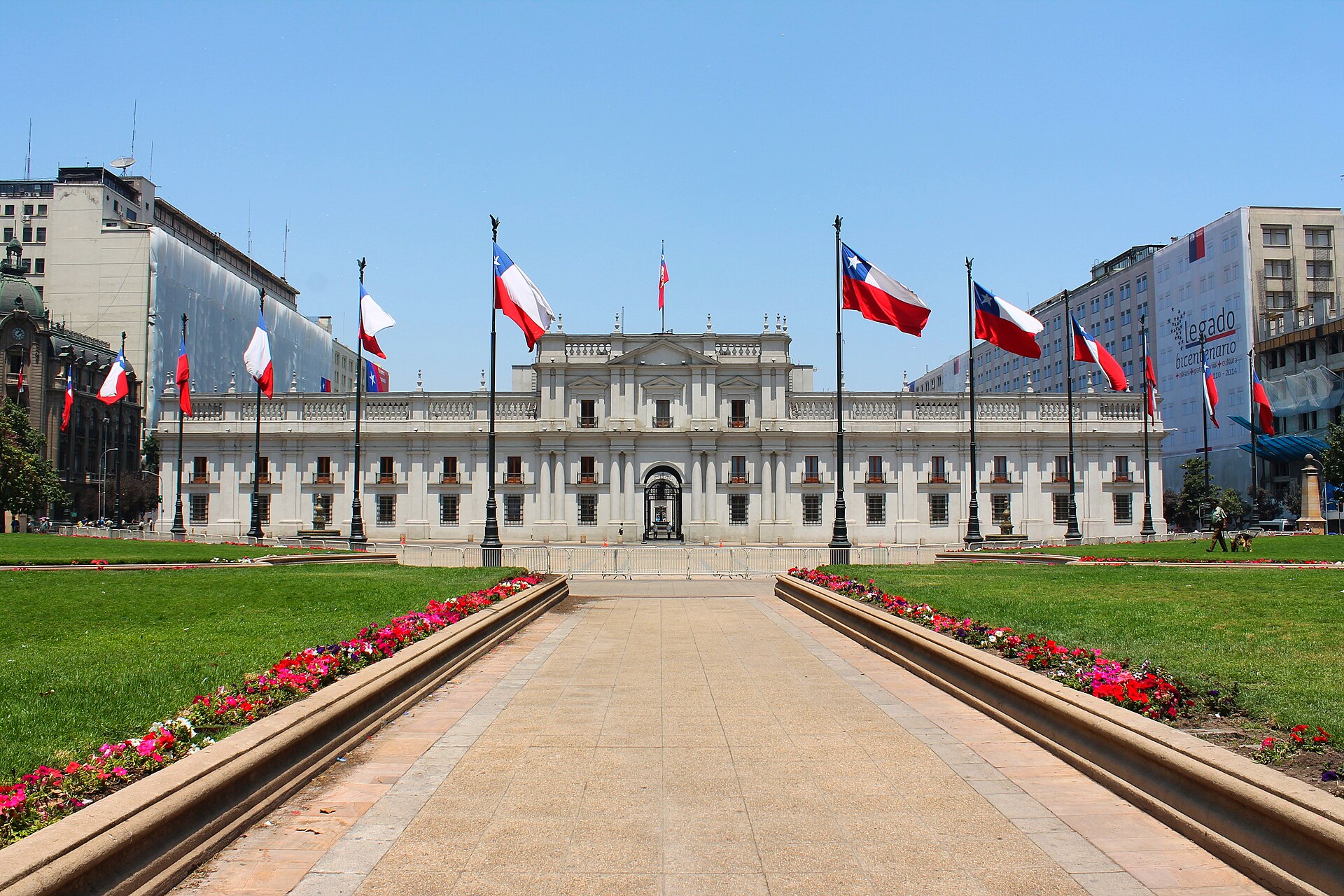
Valparaíso, on the coast west of the capital, has the country’s main port and hosts the national Congress. Its hills and painted houses are a UNESCO World Heritage site, and the region also includes Easter Island, far out in the Pacific.
Chile’s power is as centralised as its population, a theme we explore in Who Dominates Chile, Elites and Regions Explained. For living in the capital, see our Santiago city guide.
What Is There in Patagonia and the Lake District?
South of Biobío the country narrows into Los Ríos, Los Lagos, Aysén and Magallanes. This is the postcard Chile of volcanoes, lakes, fjords, glaciers and Torres del Paine National Park in Magallanes.
Aysén is the most remote of the four, reached along the Carretera Austral, a long mountain highway through Patagonia. Distances are large and services thin, so plan flights and rental cars well ahead.
What About Easter Island?
Easter Island, called Rapa Nui, is Chilean territory and belongs to the Valparaíso Region, even though it lies in the Pacific far from the mainland. Most visitors fly there from Santiago.
Visitors need a park ticket and must follow entry rules, and the price has been changing. Confirm the current fee and requirements with the island’s official park office and with Chile’s tourism service before you book.
Which Regions Face Earthquake and Wildfire Risk?
Chile sits on the boundary where the Nazca tectonic plate slides under South America, so earthquakes can hit any coastal region. The strongest in recent memory struck on 27 February 2010 off the coast of the Maule Region, with a magnitude of 8.8, according to the US Geological Survey (USGS).
Wildfire risk peaks in the hot, dry summer in the central regions. The fires of February 2024 in the Valparaíso Region killed at least 130 people, and the national forensic service (SML) had counted 134 deaths by 23 February 2024.
Senapred, the national disaster service, said 328,329 people registered for an earthquake and tsunami drill for schools in the Valparaíso Region on 5 November 2026. Our own coverage of the current weather emergency is in Chile Climate Emergency Covers 7 Regions and Chile Declares a Preventive Weather Emergency Across Five Northern Regions.
What It Means for US Readers
For investors, the regional map explains the copper link: S&P Global Ratings, a US credit rating agency, rates Chile’s long-term foreign-currency debt A with a stable outlook, affirmed in a rating action the Finance Ministry reported on 25 September 2026. None of the national figures we checked splits by region.
For travelers, the US State Department rates Chile Level 2, exercise increased caution, in an advisory dated 20 May 2026. Pick your region by season, keep a flexible itinerary in the south, and read the latest advisory and local emergency notices before you fly.
Our Chile news hub tracks regional stories as they break. Start with the region, then the season.
What to Watch Next
The central bank is scheduled to publish third-quarter GDP on 18 November 2026. The release will show how far the mining north is carrying the national economy.
What Is Not Known
We could confirm 2024 census counts on the INE page only for Chile as a whole, the Santiago Metropolitan Region, Valparaíso and Biobío, so the other regions carry no figure here. We also could not confirm the current Rapa Nui park fee or how exports split by region.
Frequently Asked Questions
How many regions does Chile have?
Chile has 16 regions. The newest, Ñuble, was carved out of Biobío and became the 16th in September 2018.
Which Chile region has the most people?
The Santiago Metropolitan Region, with 7,400,741 people in the 2024 census, about 40% of the 18,480,432 counted. Valparaíso (1,896,053) and Biobío (1,613,059) follow.
Which region drives Chile’s exports?
Mining drives them: it made up 59.1% of goods exports in 2025, and the copper mines of the northern desert regions lead that trade. A regional export split was not available to us.
Is Easter Island part of Chile?
Yes. Easter Island, called Rapa Nui, is Chilean territory and belongs administratively to the Valparaíso Region, although it lies in the Pacific far from the mainland.
Is Chile safe for US travelers?
The US State Department rates Chile Level 2, exercise increased caution, in an advisory dated 20 May 2026. Check the current advisory before you book.
Sources: INE, first 2024 census results, 27 March 2025 · Central Bank of Chile, 2025 trade results, January 2026 · US State Department, Chile travel advisory, 20 May 2026 · US Geological Survey, 27 February 2010 earthquake · Senapred, drill, 5 November 2026 · S&P Global Ratings, Chile, September 2026
This article was produced by The Rio Times’ automated AI newsroom. Editorial responsibility: Matthias Camenzind, Publisher and Editor-in-Chief. The Rio Times also runs Ask Rio Times, which answers from 100,000+ of our own articles, the daily Latin America Power Map, and prediction-market odds on elections and markets.. How we use AI · Report an error
Expat Guide to Chile
What The Rio Times publishes for foreigners who live in or move to Chile.
Start here
- Chile Tax System Explained for Residents and Foreigners
- Chile Security and Crime Explained 2026
- Santiago Rent for Foreigners in 2026, US$422 to US$886
- Best Places to Live in Chile for Expats 2026
City guides
Coming up in Chile
- US$5.79 Buys a Ticket to Chile's New Final 14 Nov
- Los Tres Unplugged Anniversary Shows Sell Out Two Santiago Nights 14 Nov
- Creamfields Chile 2026 in Santiago: Calvin Harris, Charlotte de Witte and 80 DJs at Club Hípico on November 14–15 14 Nov
- Hayley Williams in Santiago, 18 November 2026 18 Nov
Understand Chile