
CHILE · HISTORY
Key Facts
- —The basics Chile, home to 18.5 million people at the 2024 census, grew from Inca and Mapuche lands into a Spanish colony, proclaimed independence in 1818 and returned to democracy in 1990.
- —Why it matters The 1973 coup, the 1980 constitution and two failed rewrites in 2022 and 2023 still divide Chileans and frame how they judge the conservative government in office as of October 2026.
- —The numbers Spanish rule ran from the founding of Santiago in 1541 to 1818, military rule lasted 17 years, and voters rejected new constitutions by about 62% in 2022 and about 56% in 2023.
- —Who is who President José Antonio Kast, a conservative who founded the Republican Party, took office on Wednesday, 11 March 2026; socialist Salvador Allende died in the 1973 coup that brought General Augusto Pinochet to power.
- —What to watch The Central Bank of Chile, which held its benchmark rate at 4.5% in September, meets on 26 and 27 October 2026 and publishes its decision on Tuesday, 27 October.
- —Prediction markets Polymarket gives a 92% chance that the Central Bank of Chile leaves its rate unchanged in October (14 October, 11:53 a.m. ET).
- —Power Index Chile ranks 3rd of 14 in The Rio Times Latin America Power Index, with 63.6 points (October 2026 edition).
- —What it means for you Chile is a US free trade partner since 2004 and a copper giant, so its swings between left and right matter for US investors, mining firms and travellers to Santiago.
Chile history runs from Inca and Mapuche lands through Spanish rule, independence and dictatorship to a democracy still arguing over its constitution. This guide explains the turning points a US reader needs in 2026.
Chile history begins with indigenous peoples, above all the Mapuche, who resisted Spanish conquest for more than three centuries. Spain founded Santiago in 1541, and Chile proclaimed its independence in 1818.
The 1973 coup against Salvador Allende and 17 years of military rule under Augusto Pinochet still divide the country. Since March 2026 a conservative, José Antonio Kast, has governed a nation of 18.5 million people.
Before the Spanish, Inca and Mapuche Lands
People lived along Chile’s long strip of land, from the Atacama Desert to Patagonia, for thousands of years before Europeans arrived. They formed many societies, from fishing peoples on the northern coast to farmers in the central valleys.
In the 15th century the Inca Empire, based in Cusco in today’s Peru, pushed south into what is now central Chile. Its advance stopped around the Maule River, where Mapuche groups held their ground.
The Mapuche remain Chile’s largest indigenous people. Their claims to ancestral land in the southern Araucanía region are among the most sensitive issues in national politics.
Rapa Nui, or Easter Island, has its own Polynesian history far out in the Pacific. Chile annexed the island in 1888, and its giant stone statues now draw visitors from around the world.
Spanish Conquest and the Colonial Era
Ferdinand Magellan sailed through the strait at the continent’s southern tip in 1520. Diego de Almagro led the first Spanish expedition into Chile in 1535 but turned back without the gold he sought.
Pedro de Valdivia founded Santiago on 12 February 1541. The city has been the capital ever since and remains the centre of government, business and culture.
The Mapuche killed Valdivia in 1553 and defeated Spanish forces at Curalaba in 1598. The Bío Bío River then became a long frontier, with Mapuche lands to the south largely outside Spanish control.
Colonial Chile was a poor, remote corner of the Spanish Empire, ruled from Lima. Large rural estates shaped a society of a few landowning families and many poor mestizo and indigenous workers.
Independence and the New Republic
On 18 September 1810 leaders in Santiago formed a governing junta after Napoleon’s invasion of Spain. Chileans still celebrate that date as their national holiday, the Fiestas Patrias.
Spanish forces retook the country after the patriot defeat at Rancagua in 1814. An army led by José de San Martín and Bernardo O’Higgins then crossed the Andes and won at Chacabuco in 1817.
Chile proclaimed its independence on 12 February 1818, and victory at Maipú that April secured it. O’Higgins governed as Supreme Director until he was forced out in 1823.
The constitution of 1833 created a strong, centralised presidency backed by landowners and the Catholic Church. It gave Chile decades of relative stability while several neighbours suffered repeated coups.
Nitrate, War and the Southern Frontier
From 1879 to 1884 Chile fought Peru and Bolivia in the War of the Pacific over the nitrate-rich Atacama Desert. Chile won and took the Bolivian coast and the Peruvian province of Tarapacá.
Bolivia lost its access to the sea, a wound that still strains relations between the two countries. On 1 October 2018 the International Court of Justice ruled that Chile has no obligation to negotiate sea access for Bolivia.

Nitrate exports filled the state’s coffers for four decades and pulled workers north into desert mining towns. The boom faded after the First World War, when synthetic nitrate made in Germany undercut Chilean supply.
In the south, the army occupied Mapuche territory between 1861 and 1883 in a campaign the state called the Pacification of Araucanía. Mapuche communities lost most of their land, the root of today’s conflict.
In 1891 a civil war pitted President José Manuel Balmaceda against Congress. Congress won, Balmaceda took his own life, and a parliamentary era dominated by the elites followed.
Reform, Copper and Allende in the Twentieth Century
A new constitution in 1925 restored a strong presidency and formally separated church and state. Copper replaced nitrate as the main export, with the largest mines owned by US companies.
In the 1960s the Christian Democrat president Eduardo Frei Montalva expanded land reform and bought stakes in the big copper mines. Politics settled into three camps of similar size, right, centre and left.
On 4 September 1970 Salvador Allende, a socialist leading the Popular Unity coalition, won with just over a third of ballots. Congress confirmed him because no candidate had won a majority.
In July 1971 Congress voted unanimously to nationalise the large copper mines. The move angered Washington and the US mining companies that had owned them.
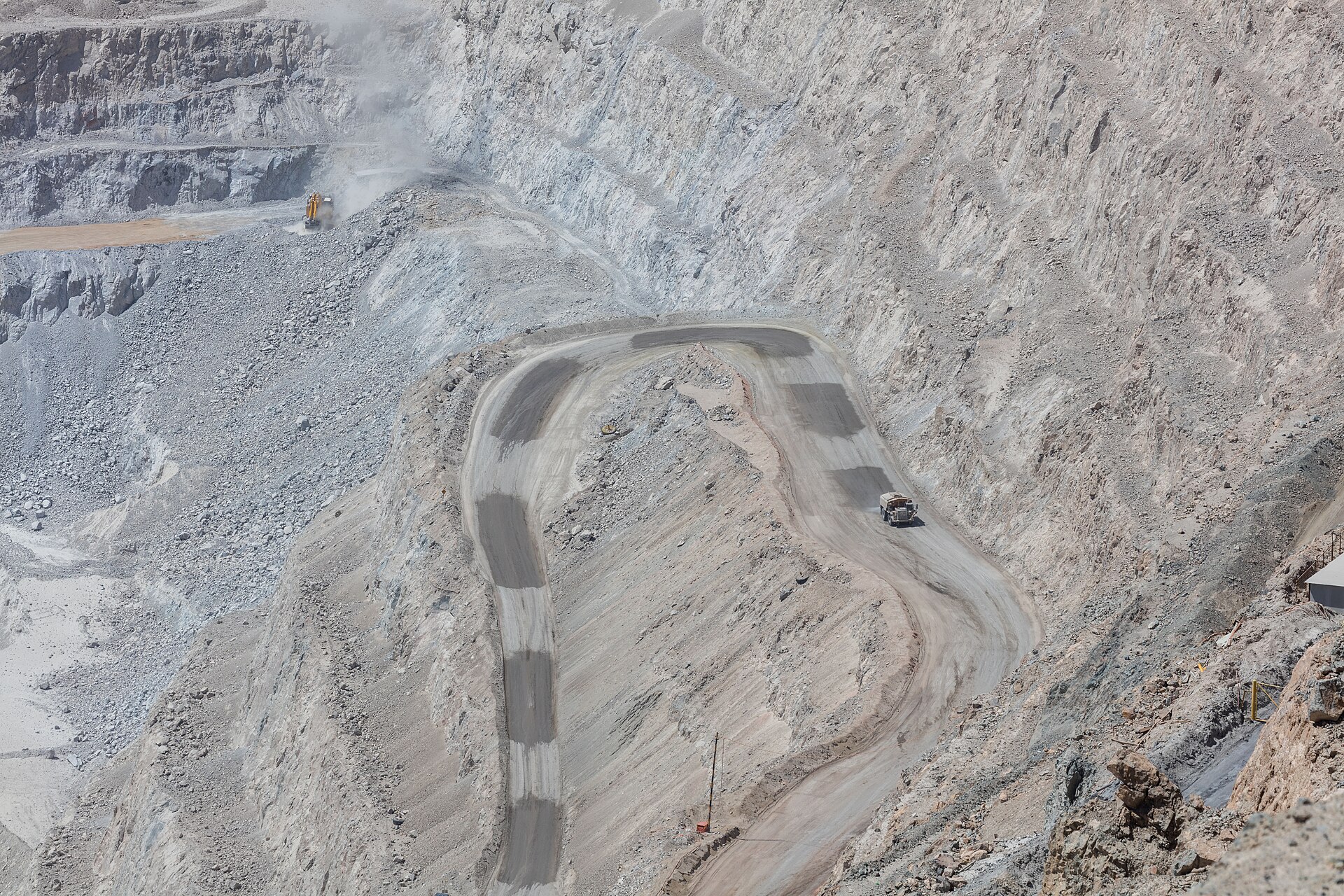
Allende’s government also deepened land reform and took over banks and factories. By 1973 high inflation, shortages and strikes had hardened a bitter split between his supporters and opponents.
A 2000 US intelligence report to Congress, known as the Hinchey Report, acknowledged that the CIA had worked against Allende. That history still colours how many Chileans view the United States.
The 1973 Coup and the Pinochet Years
On Tuesday, 11 September 1973, the armed forces overthrew Allende, and air force jets bombed La Moneda, the presidential palace. Allende died inside the palace that day.
General Augusto Pinochet, the army commander, led the junta and ruled for the next 17 years. Congress was closed, parties were banned, and thousands of people were detained.
State commissions later recognised more than 3,000 people killed or disappeared by state agents. They also recognised tens of thousands of survivors of political imprisonment and torture.
University of Chicago graduates, known as the Chicago Boys, opened the economy and privatised state companies. Pensions moved to private individual accounts in 1981, a model still debated today.
A new constitution was approved in a 1980 plebiscite held without electoral registers. It remains the basis of today’s charter, although reforms in 2005 removed many authoritarian features.
In a plebiscite on Wednesday, 5 October 1988, about 56% of voters said No to eight more years of Pinochet. Patricio Aylwin, a Christian Democrat, took office as president on 11 March 1990.
Return to Democracy and the Road to 2026
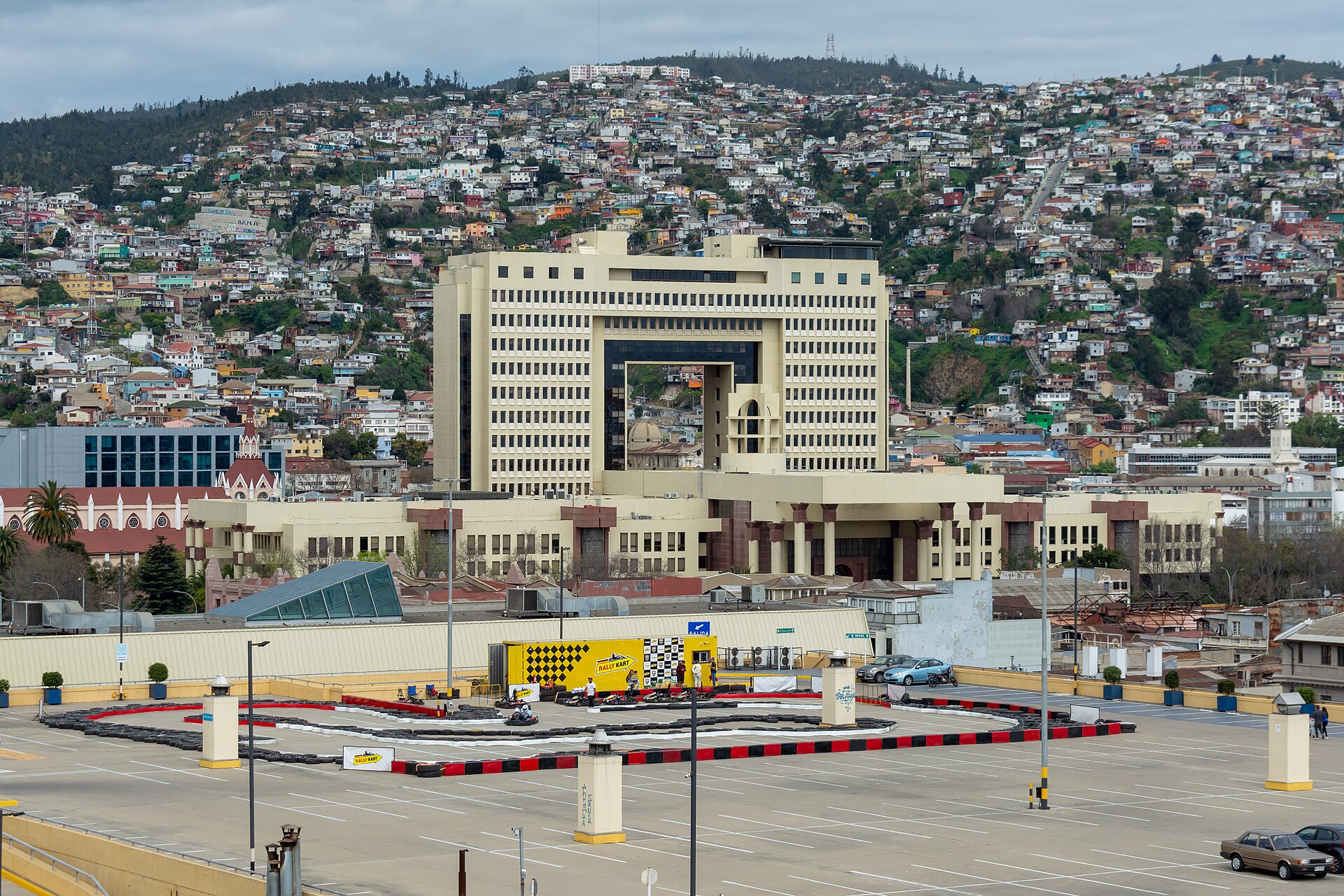
The restored Congress sits in the port city of Valparaíso, where parliamentary work resumed on 11 March 1990. Centre-left governments then ran Chile for the next two decades.
Pinochet was arrested in London in October 1998 on a Spanish warrant and later sent home. He died in December 2006 without ever being convicted.
Michelle Bachelet became Chile’s first woman president in 2006, and Sebastián Piñera brought the right back to power in 2010. The two alternated in office until 2022.
On Friday, 18 October 2019, protests over a metro fare rise exploded into nationwide unrest over inequality, pensions and health care. Dozens of people died in weeks of clashes.
In a plebiscite on Sunday, 25 October 2020, about 78% of voters backed writing a new constitution. Gabriel Boric, a left-wing former student leader, then won the presidency in 2021.
Voters rejected a left-leaning convention’s draft by about 62% on Sunday, 4 September 2022. A second draft, shaped by a council dominated by conservatives, failed by about 56% on Sunday, 17 December 2023.
Conservative José Antonio Kast beat Jeannette Jara of the governing left-wing coalition in the runoff on Sunday, 14 December 2025. He took office on Wednesday, 11 March 2026, promising tougher action on crime and migration.
His record and allies are covered in the profile of José Antonio Kast. Parties, Congress and the courts are mapped in Chile politics and who holds power in 2026.
How Chile History Shapes the Country Today
The 1973 coup remains the great dividing line in Chilean politics, and each September anniversary brings marches and debate. Many on the right credit military rule with growth, while the left recalls repression.
The failed rewrites left the 1980 charter in place, amended many times but never replaced. That outcome frustrates those who wanted a clean break with the dictatorship.
The Mapuche land conflict in Araucanía traces straight back to the 19th century occupation. Copper remains the backbone of exports, and the state company Codelco still runs the mines nationalised in 1971.
The country’s mixed European and indigenous roots are covered in Chile population and ethnic groups. The families, regions and businesses that hold sway are traced in who dominates Chile.
Writers, musicians and icons who carry this history appear in Chile culture and its key figures. Chile’s place among its neighbours is explained in Chile geopolitics.
What It Means for US Readers
Chile’s swings between left and right affect copper supply, mining investment and US companies operating there. Its free trade agreement with the United States has been in force since 1 January 2004.
Washington’s role in 1973 still shapes how Chileans read US policy, even under a friendly government. Investors also follow the Central Bank of Chile, which held its rate at 4.5% on Tuesday, 8 September 2026.
For travellers, La Moneda, the Museum of Memory and Human Rights and the port of Valparaíso each tell part of this story. Practical advice on living in the capital is on the Santiago city page.
Daily news from the country is collected on the Rio Times Chile page. The September rate decision is explained in the coverage of Chile’s rate hold.
What Prediction Markets Say
On Polymarket, traders gave a 92% chance that the Central Bank of Chile leaves its rate unchanged at the October meeting. That was the price on 14 October at 11:53 a.m. ET, with about US$10,400 traded.
These are bets, not polls or forecasts by the bank. The board meets on 26 and 27 October and publishes its decision on Tuesday, 27 October.
Why we show this: prediction markets turn real-money bets into a live probability that moves within minutes of the news, which is why investors, campaigns and newsrooms in the United States now follow them closely. We show them next to polls and official results, never instead of them.
What Is Not Known
No reliable count exists of how many indigenous people lived in Chile before the Spanish arrived. Estimates vary widely, and historians still debate them.
The full toll of the dictatorship may still rise as cases move through the courts. The fate of many of the disappeared remains unknown.
Whether Chile will attempt a third constitutional rewrite is not known. How the Kast government handles Mapuche land claims is also still open.
Frequently Asked Questions
When did Chile become independent?
Chile proclaimed its independence from Spain on 12 February 1818. The victory at the Battle of Maipú in April 1818 secured it.
Why do Chileans celebrate 18 September?
On 18 September 1810 leaders in Santiago formed the first national governing junta. The date is Chile’s national holiday, celebrated with the Fiestas Patrias.
What happened in Chile on 11 September 1973?
The armed forces overthrew the elected socialist president Salvador Allende, who died in La Moneda palace that day. General Augusto Pinochet then ruled Chile until March 1990.
How did Pinochet lose power?
Voters rejected eight more years of his rule in a plebiscite on 5 October 1988, with about 56% voting against him. Patricio Aylwin took office as an elected president on 11 March 1990.
Why did Bolivia lose its coast to Chile?
Chile defeated Bolivia and Peru in the War of the Pacific from 1879 to 1884 and kept Bolivia’s coastal province. In 2018 the International Court of Justice ruled that Chile need not negotiate sea access for Bolivia.
Who is the president of Chile in 2026?
José Antonio Kast, a conservative who founded the Republican Party, has been president since 11 March 2026. He defeated Jeannette Jara of the governing left-wing coalition in a runoff on 14 December 2025.
Sources: Banco Central de Chile, monetary policy statement, September 2026; Banco Central de Chile, monetary policy statement, January 2026; International Court of Justice, Obligation to Negotiate Access to the Pacific Ocean (Bolivia v. Chile); Office of the US Trade Representative, US-Chile Free Trade Agreement; Instituto Nacional de Estadísticas (INE), Censo 2024 results; Biblioteca del Congreso Nacional, biography of José Antonio Kast; Biblioteca del Congreso Nacional, the National Congress and its buildings; Central Intelligence Agency, CIA Activities in Chile (Hinchey Report), 18 September 2000, archive copy; Memoria Chilena (Biblioteca Nacional de Chile), the nationalisation of large-scale copper mining; Emol, 2025 presidential runoff; Chilevisión, 11 March 2026 handover; BioBioChile, Kast resigns from the Republican Party, 11 March 2026 (all accessed 14 October 2026).
This article was produced by The Rio Times’ automated newsroom system. How we use AI · Report an error · Editorial responsibility: Matthias Camenzind, Editor-in-Chief
Expat Guide to Chile
What The Rio Times publishes for foreigners who live in or move to Chile.
Start here
- Santiago Rent for Foreigners in 2026, US$422 to US$886
- Best Places to Live in Chile for Expats 2026
- Chile’s Rent Unit Rose 0.6% Before Inflation Data
- How to Get Residency in Chile in 2026: Permits, Fees and the Kast-Era Rules
City guides
Coming up in Chile
- BTS Chile Concerts Set for 14, 16 and 17 October 17 Oct
- Aitana in Santiago, Chile: Cuarto Azul World Tour at Movistar Arena on October 19, 2026 19 Oct
- Los Fabulosos Cadillacs Play Santiago on 29 October 29 Oct
- Foro de las Artes 2026 in Santiago, Chile: 30+ Free Events, 1–30 October 30 Oct
Understand Chile