Codelco Chairman: Four Difficult Years and a US$34 Billion Plan That Cannot Be Paid For
Chile · Mining
Key Facts
- The warning. Codelco chairman Bernardo Fontaine told a mining conference in Santiago on Thursday the company faces “four difficult years” in production.
- The plan. The five-year investment programme is US$34 billion, and Fontaine says there is no possibility of financing it given the debt.
- The debt. Gross debt rose from US$17.6 billion in 2021 to US$26.3 billion in 2025. Net debt to EBITDA is 3.8 times, against roughly 0.7 for global peers.
- The trend. Comparing the last four years with the previous four: production down 16 percent, costs up 82 percent, liabilities up 50 percent — with copper 30 percent more expensive.
- Not for sale. Fontaine has ruled out a listing. What he wants is partners and minority stakes, and changes to the laws governing Codelco.
- Meanwhile. Development at the Andes Norte project inside El Teniente was suspended on 4 August after six months of unusual seismic data.
Codelco’s chairman told a Santiago conference the state miner faces four difficult years and cannot finance its US$34 billion investment plan against nearly US$26 billion of debt.
The Codelco chairman has said out loud what the balance sheet already showed. Speaking in Santiago on Thursday, Bernardo Fontaine told a mining summit that the company’s US$34 billion five-year investment plan cannot be paid for, and that Chile should expect four difficult years of production while it is reworked.
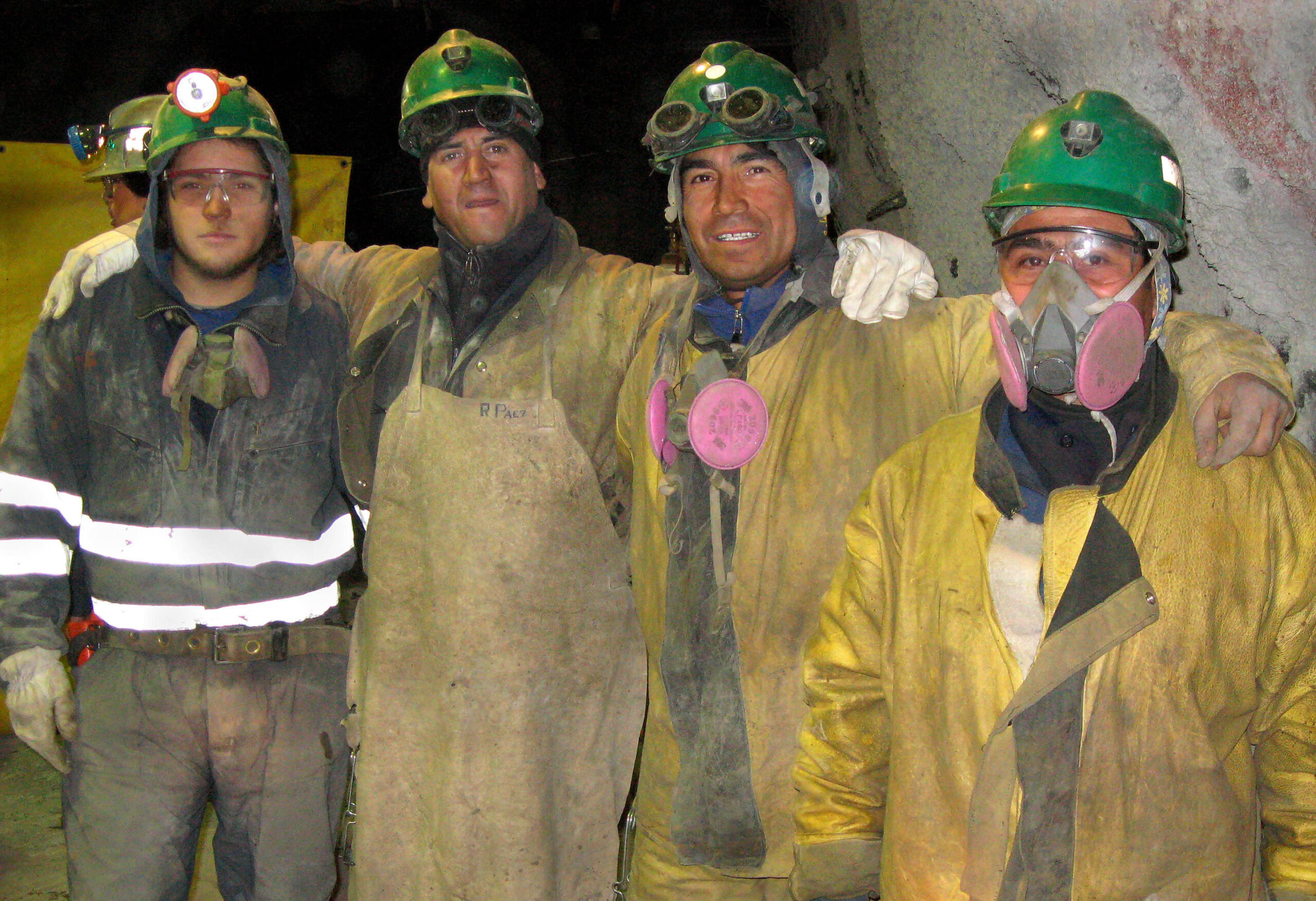
What the Codelco chairman said
Bernardo Fontaine spoke on Thursday at the third edition of Ecos de la Minería, a summit run by El Mercurio in Santiago. He did not soften it. “Codelco’s investment plan for these five years is US$34 billion, and there is no possibility of financing US$34 billion given the debt Codelco carries.”
And on what follows: “This plan is going to bring us four difficult years, difficult years in production.” Every scheduled investment is being re-evaluated, and only those that “effectively add value” will survive the review.
He set out four priorities: raise safety standards, maximise contributions to the state without taking on more debt, put the house in order with greater transparency, and strengthen sustainability. Fontaine was appointed by the Kast government and took the chair on 27 May. The chief executive, Jorge Gómez, has been in post since 13 July.
The numbers behind the warning
Fontaine’s case rests on a four-year comparison. Against the previous four years, production is down 16 percent, cost per tonne is up 82 percent and liabilities are up 50 percent — all achieved while copper was 30 percent more expensive.
Gross debt went from US$17.6 billion in 2021 to US$26.3 billion in 2025, and total accumulated debt now stands near US$26 billion. Net debt to EBITDA is 3.8 times; global peers sit around 0.7. Interest costs crossed US$1,022 million in the twelve months to the first quarter of this year.
His most pointed argument is about the money Codelco sends the treasury. Free cash flow after costs, expenses, investment and interest was negative across those four years despite US$7 billion in fiscal contributions — which, he argues, were financed by borrowing rather than earned.
What he is proposing, and what he is not
This is worth stating precisely, because it is easy to misreport. Fontaine has ruled out a public listing: “It is not in the plan.” Codelco stays entirely state-owned.
What he wants is to revise the rules and laws governing the company to make it easier to find partners, and to evaluate selling stakes Codelco holds in private companies. There is precedent: a June agreement with Anglo American over Andina and Los Bronces could add 2.7 million tonnes of copper over two decades. There has also been political friction over the opacity of minority-stake sales at El Abra and Quebrada Blanca.
The union is not persuaded. The Federación de Trabajadores del Cobre argues that every government has taken money out of Codelco without a long-term view, and rejects Fontaine’s dismissal of declining ore grade as a myth, saying falling grade is a principal cause of falling output. Its president says he will seek dialogue first, while leaving street action open.
El Teniente, and why this lands now
Four days before the speech, Codelco suspended development and construction at the Andes Norte project inside the El Teniente division near Rancagua. Six months of data had shown what the company called an emerging seismic phenomenon with characteristics different from the risks it has historically managed, linked to the greater depth of the works. At least four contractors and more than twenty contracts are affected.
The timing sharpens the point. Copper passed US$14,000 a tonne this week and Chile’s treasury stands to collect billions above budget, while the state miner that generates a large share of that money is telling the country it cannot fund its own future.
For anyone holding Chilean pesos, a Chilean pension or Chilean sovereign paper, this is a fiscal story rather than a mining one. Codelco pays the state directly, and a chairman saying out loud that the plan is unfinanceable is a signal about future transfers — and therefore about the deficit, the peso and the risk premium. This is general information, not investment advice.
More: Chile news in English, every day from The Rio Times.
Frequently Asked Questions
What did the Codelco chairman warn about?
Bernardo Fontaine said on 6 August that Codelco faces “four difficult years” in production and that its US$34 billion five-year investment plan cannot be financed given the company’s debt.
How much debt does Codelco carry?
Gross debt rose from US$17.6 billion in 2021 to US$26.3 billion in 2025, with net debt to EBITDA at 3.8 times against roughly 0.7 for global peers.
Is Codelco being privatised?
No. Fontaine has ruled out a listing and said Codelco remains entirely state-owned. He is proposing partnerships, minority-stake sales in private companies and changes to the laws governing Codelco.
What happened at El Teniente?
Codelco suspended development and construction at the Andes Norte project on 4 August after six months of data showed an unusual seismic phenomenon linked to the depth of the works.
Why does this matter outside mining?
Codelco pays the Chilean state directly. If it cannot fund its plan, future fiscal transfers fall — which feeds into the deficit, the peso and Chilean sovereign risk.
Sources: Diario Financiero; CNN Chile; Codelco; La Tercera; Federación de Trabajadores del Cobre.
This article was produced by The Rio Times’ automated newsroom system. How we use AI · Report an error
Read More from The Rio Times