Chile Authorizes Codelco to Reinvest 100% of 2025 Profits, Sparking Political Dispute
Chile · Mining
Key Facts
- —Announcement date 10 August 2026, in Valparaíso, by Mining Minister Daniel Mas.
- —Profit retained 100% of 2025 profits, about US$2.42 billion.
- —Previous benchmark 30% of 2024 profits reinvested.
- —Grau’s counterclaim US$2.1 billion linked to Novandino value uplift, leaving ~US$300 million underlying.
- —Boric-era attribution Grau said over 85% of the amount reflected prior decisions.
- —Production figure 1.33 million tonnes in 2025, per one report.
- —Debt context Reports cite varying debt figures around US$24-25 billion.
- —Protests Workers from Chuquicamata marched in Santiago on 10 August 2026.
Chile authorizes Codelco to retain all 2025 profits, a move critics call less historic than claimed.
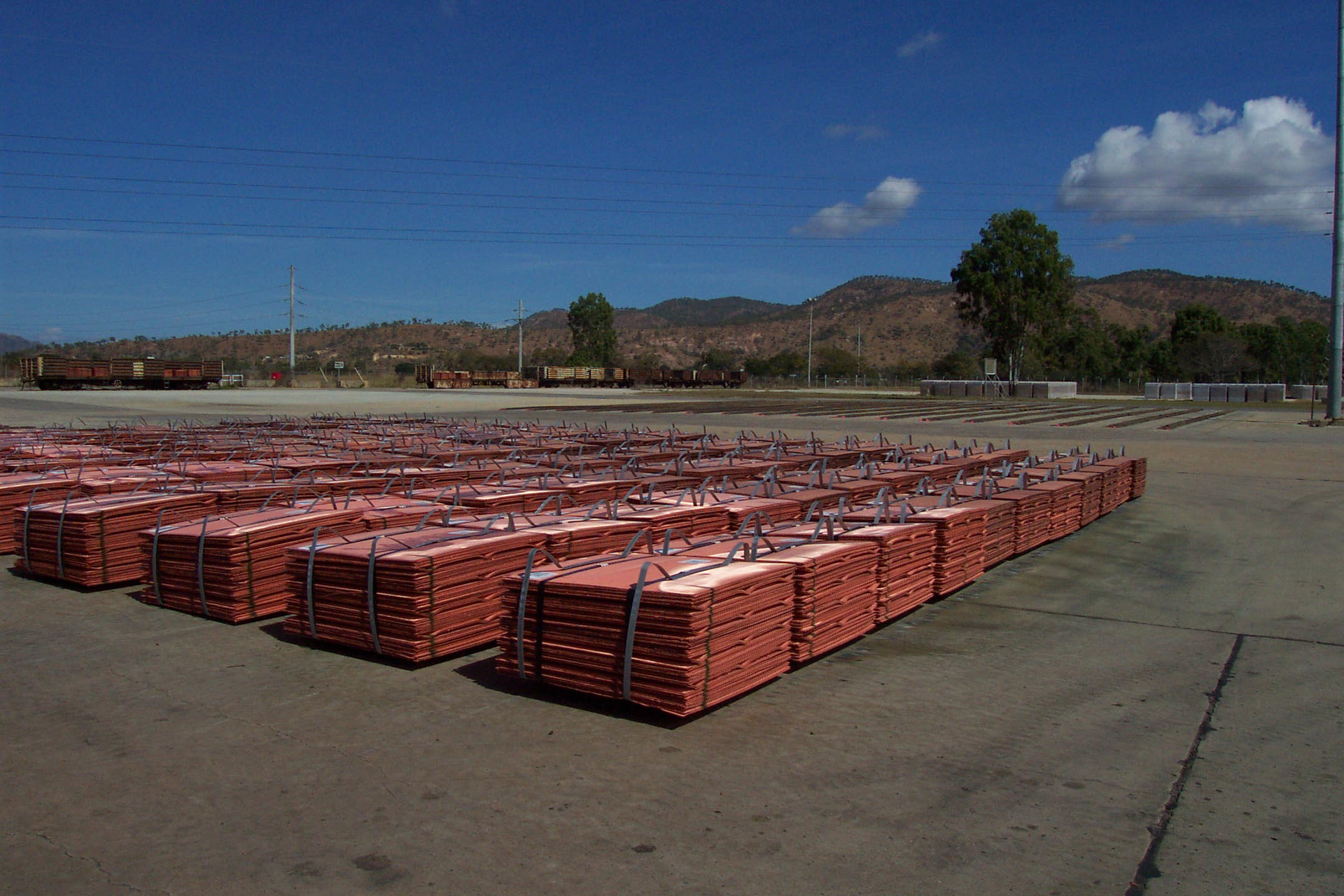
On 10 August 2026, Chile’s government authorized Codelco to retain and reinvest 100% of its 2025 profits. About US$2.42 billion, a Codelco reinvestment decision that has sparked a political dispute.
The announcement, made in Valparaíso by Mining Minister Daniel Mas, was hailed by officials as historic. But former Economy Minister Nicolás Grau called it ‘valioso, pero no histórico.
Government Announcement
Mining Minister Daniel Mas announced on 10 August 2026 that the. Government would authorize Codelco to retain all its 2025 profits for reinvestment.
The amount cited publicly was about US$2.42 billion, according to multiple reports from Mining Weekly, Bloomberg, and others. Government-linked sources described the decision as the first time in Codelco’s.
History that all annual profits would be channeled back to the company. The previous benchmark was 30% of 2024 profits, a figure confirmed by several reports covering the announcement.
Mas framed the measure as a decisive step to strengthen the state-owned copper giant’s balance sheet and future investment capacity. The news was initially broke by Mining Weekly and later picked up by international financial media, including Bloomberg.
The minister made the statement in Valparaíso, the seat of Chile’s National Congress, though no legislative vote was mentioned in the reports. The executive branch’s authority to set Codelco’s dividend policy is rooted.
In its role as sole shareholder, according to background in the coverage.
Grau’s Counterclaim
Former Economy Minister Nicolás Grau, writing on X, praised the reinvestment but rejected the ‘historic’ label. He argued that roughly US$2.1 billion of the total came from a.
Value increase linked to Novandino, leaving about US$300 million as underlying capitalization. Grau also said that more than 85% of the announced US$2.4 billion was attributable to decisions under President Gabriel Boric.
His comments were reported by La Tercera, which highlighted the split between official rhetoric and technical accounting. The former minister’s analysis suggested that the Novandino-related adjustment was not new cash generation but a revaluation effect.
He stressed that the ‘historic’ framing obscured the modest scale of new capital injection relative to the reported total. Grau’s intervention added a layer of nuance to the public debate, as he had served in the Boric administration’s economic team.
His remarks were widely shared on social media and cited by La Tercera’s political section.
Political Reaction and State Ownership Debate
Media reports indicate opposition politicians interpreted the move as potentially opening a debate over state ownership of Codelco. These claims are political interpretation rather than official policy, according to the reports.
El Desconcierto and Biobío noted that some right-leaning lawmakers saw the reinvestment as a step toward fiscal flexibility, but not privatization. The state ownership question has been a recurring theme in Chilean politics, especially around Codelco’s funding needs.
Protests occurred on 10 August 2026 at Codelco’s corporate offices, with workers. From Chuquicamata marching in Santiago against privatization proposals, as reported by regional media.
The demonstration underscored labor concerns about the company’s long-term direction. Union leaders have historically opposed any structural change to Codelco’s public ownership, and the march reflected those anxieties.
The reports stressed that no official privatization plan had been presented by the government.
Codelco’s Financial Context
Codelco’s 2025 output was cited at 1.33 million tonnes in one report. Debt figures vary across coverage, with reports citing roughly US$24 billion.
US$25.1 billion, or US$25 billion, but these are not identical sourced constants. The reinvestment aims to shore up the company’s financial stability, according to a note from GuruFocus.
This decision comes as the miner faces structural challenges, as noted in Mineria en Linea. Codelco has been operating with high leverage due to massive investment projects, including the Chuquicamata underground conversion and new mine developments.
Financial reports have frequently flagged the company’s debt burden as a constraint on its capital expenditure plans. The company’s production has also faced headwinds from declining ore grades and operational setbacks, which have pressured cash flows in recent years.
The 1.33 million tonnes figure for 2025 reflects a slight recovery, according to the single report that cited it.
Broader Implications
The Codelco reinvestment decision could affect Chile’s fiscal revenues, as the state usually takes a share of profits. Analysts suggest the move may signal a longer-term strategy to bolster investment.
El Periodista’s coverage noted that the decision aligns with global trends of state-owned miners retaining earnings to modernize operations. The trade-off between immediate fiscal needs and long-term corporate health is a central tension in the debate.
The debate over the ‘historic’ nature of the decision reflects underlying political tensions. The government’s characterization is not an independently established fact, as Grau’s counterclaim shows.
Chile’s budget has relied on Codelco dividends as a significant revenue source. So the retention of 100% of 2025 profits could widen the fiscal gap.
However, advocates argue the reinvestment could increase future returns by enabling overdue projects.
Conclusion
On 10 August 2026, Chile authorized Codelco to retain and reinvest all. Its 2025 profits, a move that has drawn both praise and skepticism.
The exact financial impact remains subject to interpretation, with no direct official filing included in the verified reports. The Codelco reinvestment decision will likely continue to fuel discussion about the company’s financing model and its role in Chile’s economy.
Future reporting may clarify the underlying numbers, but as of now, the details remain contested.
More: Chile news in English, every day from The Rio Times.
Frequently Asked Questions
What did Chile’s government authorize regarding Codelco’s 2025 profits?
On 10 August 2026, the government authorized Codelco to retain and reinvest 100% of its 2025 profits, about US$2.42 billion. This decision replaces the previous benchmark of 30% for 2024 profits.
Why did former Economy Minister Nicolás Grau call the decision ‘valioso, pero no histórico’?
Grau argued that roughly US$2.1 billion of the total came from a Novandino value uplift, leaving about US$300 million underlying. He also attributed over 85% of the amount to decisions under President Boric.
What is Codelco’s production level cited in reports?
One report cited Codelco’s 2025 output at 1.33 million tonnes. This figure is from a single source and may not reflect full official data.
What are the reported debt figures for Codelco?
Reports cite varying debt figures, roughly US$24 billion, US$25.1 billion, or US$25 billion. These are not identical sourced constants and should be checked against official filings.
Were there protests related to the announcement?
Yes, on 10 August 2026, workers from Chuquicamata marched in Santiago against privatization proposals. The protests occurred at Codelco’s corporate offices, as reported by regional media.
Connected Coverage
Sources: Mining Weekly, Bloomberg, La Tercera, El Desconcierto, Biobío, El Periodista, GuruFocus, Mineria en Linea
This article was produced by The Rio Times’ automated newsroom system. How we use AI · Report an error
In depth
Read More from The Rio Times