Chile Explained 2026: The Country, the Kast Government and What to Watch
GUIDES · CHILE
Key Facts
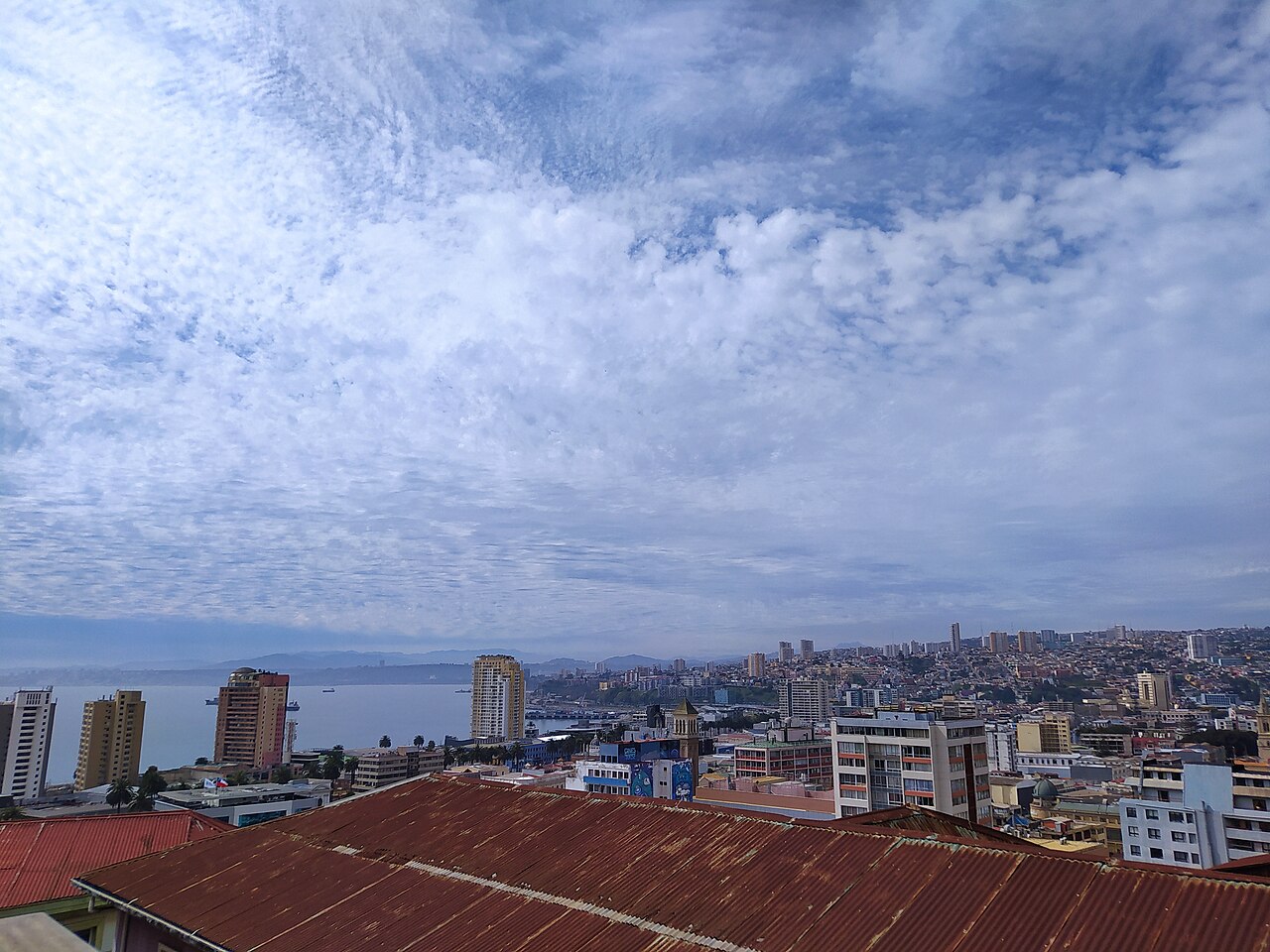
- —Capital Santiago is the capital and the seat of government, but the National Congress sits in Valparaíso, about 120 kilometres away on the coast.
- —Population 20,150,948 projected for 2026, based on the 2024 census. The statistics institute expects a peak near 20.6 million in 2035 and decline after that.
- —Currency The Chilean peso, averaging 941 to the US dollar in September 2026. It has weakened about 6.5 percent against the dollar since January.
- —Language Spanish. Chilean Spanish is spoken fast, drops final consonants and carries a large stock of local idiom, and it is widely considered the hardest in the region.
- —Economy About US$357 billion in 2025. Copper above all, plus lithium, salmon and wine. Record exports of US$107.0 billion in 2025.
- —Government A unitary presidential republic under the amended 1980 constitution. One four-year term, no immediate re-election, 155 deputies and 50 senators.
Chile explained for newcomers: the mining economy underneath everything, a government six months old, and an unemployment rate that has not been this high in five years.
Chile explained in 2026 is a study in two speeds. The country still sells more copper than anyone else and keeps the region’s steadiest institutions, while its domestic economy has slowed to near-stall and a new right-wing government is discovering how little a president can do without the votes in Congress.
What kind of country is this?
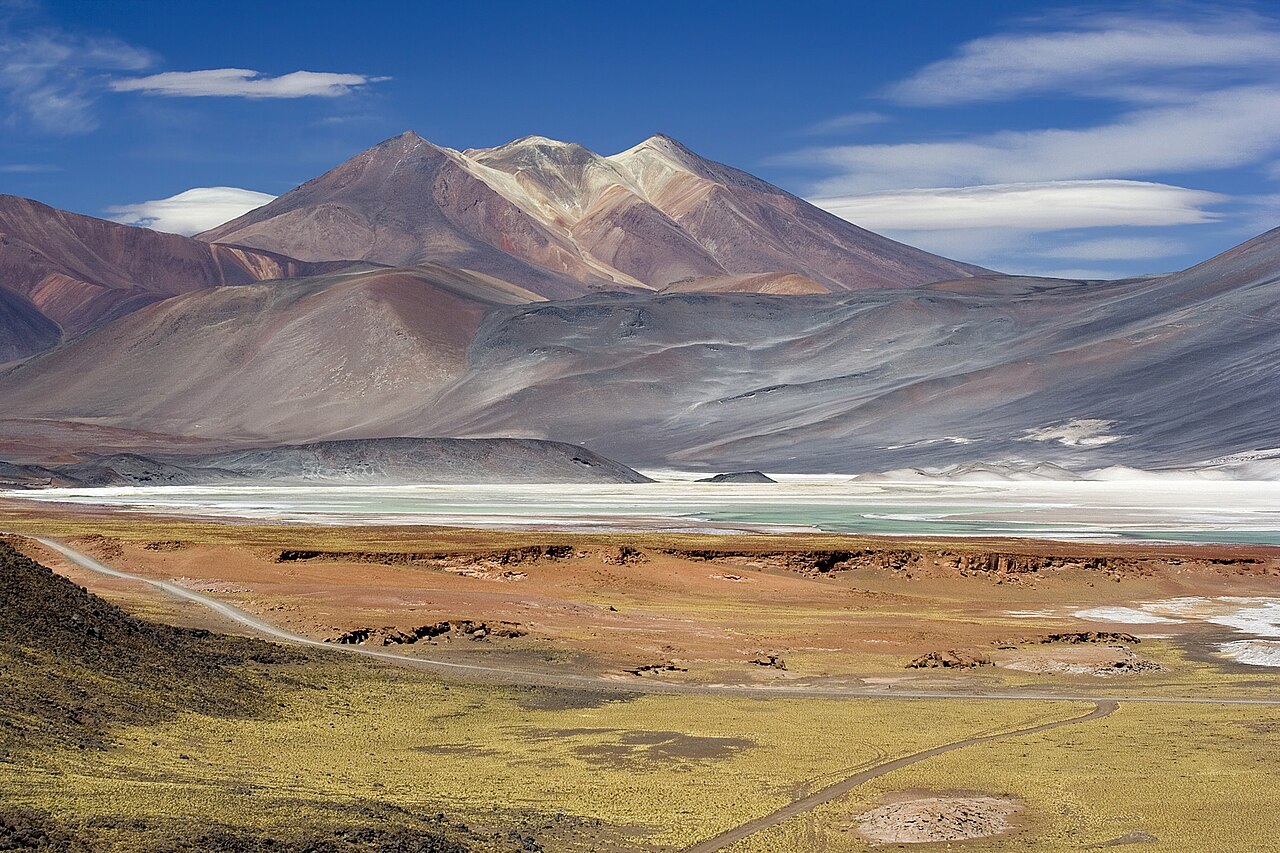
Chile is a ribbon. It runs more than 4,000 kilometres north to south and averages under 180 kilometres east to west, hemmed by the Andes on one side and the Pacific on the other. The north is the Atacama, the driest non-polar desert on earth. The far south is fjords, ice and almost nobody.
That shape gives the country a single spine and one dominant centre. Greater Santiago holds roughly a third of the population and a much larger share of the money. Valparaíso, where Congress sits, and Concepción are the other poles. Everything else is small, distant and expensive to reach.
The political inheritance is specific and still live. A military government ran the country from 1973 to 1990 and wrote the constitution of 1980 that, heavily amended, is still in force. Two attempts to replace it, in 2022 and 2023, were rejected at referendum from opposite directions. Chileans voted twice not to change the document and have now moved on to other arguments.
Who runs Chile and how
José Antonio Kast of the Republican Party took office on 11 March 2026 for the term to 2030, succeeding Gabriel Boric. He is the furthest-right president since the return of democracy, and he won on security and migration. The presidency is a single four-year term with no immediate re-election, so the clock is short by design.
Congress has 155 deputies and 50 senators, and the arithmetic is the thing to watch. Constitutional reforms need supermajorities: the government’s migration reform in September 2026 required four-sevenths of sitting deputies, which is 89 votes of 155. It failed by one.
That defeat is the clearest statement of where the government stands. Six months in, its signature legislative project on the issue it campaigned hardest on could not clear the chamber. A president with a mandate and without a supermajority is the normal Chilean condition, and it constrains every announcement that follows.
Underneath the politics the institutions are unusually solid by regional standards. The central bank is independent and credible, the tax authority is effective, contracts are enforced and the courts function. That is the actual reason Chile scores well with investors, rather than any particular government’s programme.
How the economy works
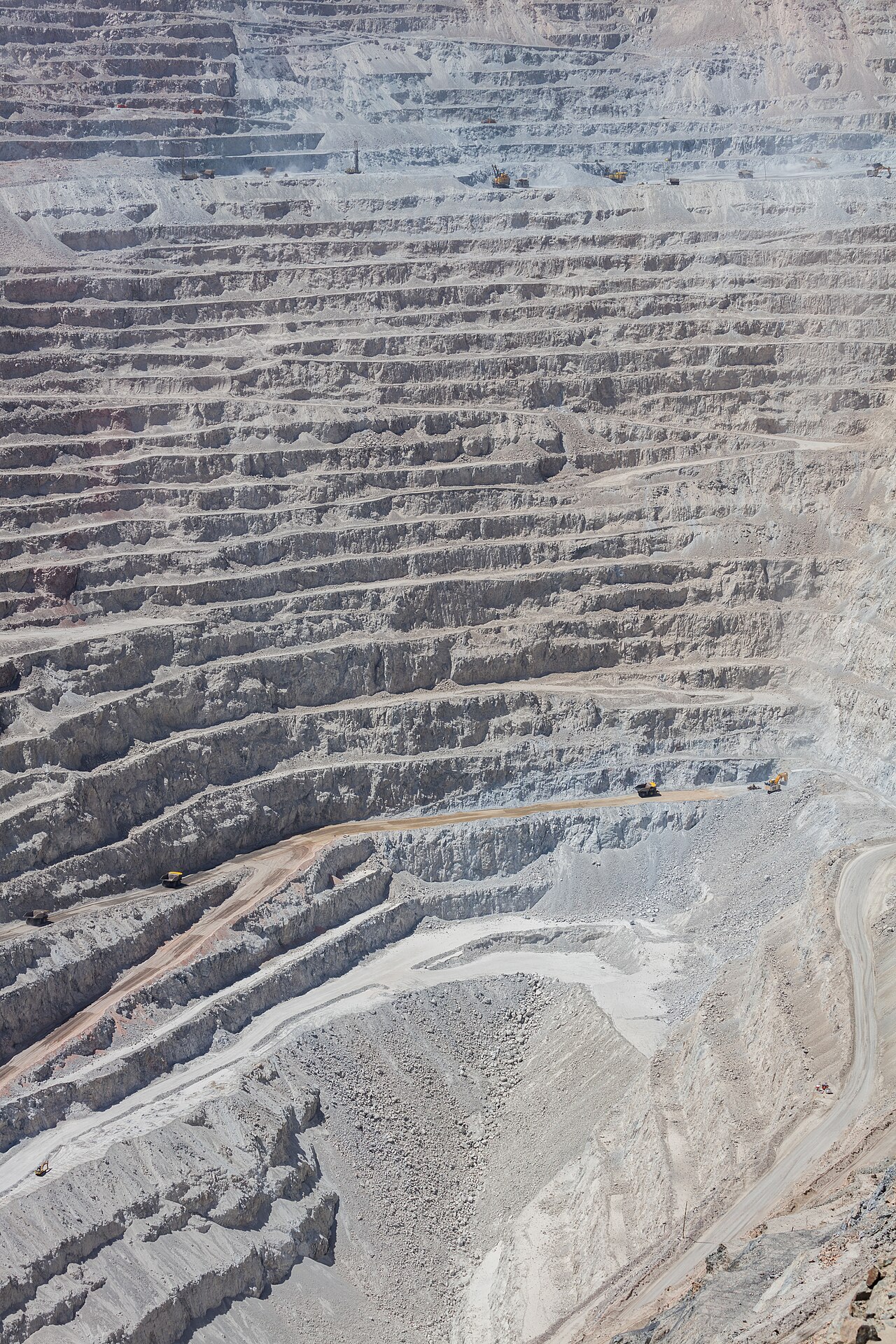
Copper is the foundation, and Chile is the world’s largest producer. The state copper commission projected output of 5.27 million tonnes in 2026, a fall of 2.6 percent, recovering to 5.55 million tonnes in 2027. In August 2026 it raised its average price forecast for the year to US$5.95 a pound. Copper exports were around US$55 billion in 2025.
Lithium is the second story and it has just been restructured. The Salar de Atacama holds roughly a quarter of known world reserves. A joint venture between the state copper company and the private producer SQM was constituted at the end of 2025, with majority state participation and rights through 2060. That settled what would happen when the private licence expired in 2030. Almost 95 percent of Chile’s lithium exports go to China, South Korea and Japan.
The domestic economy is the weak half. Unemployment was 9.5 percent in the May to July 2026 moving quarter, the highest in five years and up 0.8 points on the year. Employment actually fell 0.2 percent while the workforce grew. First-time jobseekers rose almost 21 percent. Informality sits at 26.5 percent.
Prices are running above target and the central bank is not moving. Consumer prices rose 0.6 percent in August 2026, giving 4.1 percent over twelve months against a 3 percent target. The policy rate was held at 4.5 percent on 8 September. The following day the bank cut its own 2026 growth forecast to a range of 0.25 to 0.75 percent, down from 1.0 to 1.75 percent.
Trade is where Chile looks least like its neighbours. China took 36.8 percent of exports in 2025 and the United States 16.1 percent, and about 96.5 percent of goods trade is with economies holding trade agreements with Chile. There are 36 such agreements covering 66 economies. Total exports hit a record US$107.0 billion in 2025.
What is happening right now
As of 24 September 2026 the government is six months old and having a difficult week. On 22 September its constitutional reform to lengthen the detention of foreigners facing administrative expulsion was rejected in the Chamber of Deputies, one vote short of the 89 needed. Migration was the centre of the campaign.
On the same day the president opened the general debate at the United Nations General Assembly. His eighteen-minute address declared that Chile is back, criticised the organisation’s bureaucracy and invited investors to choose Chile. He cited a fall in homicides, a drop in irregular border entries, more expulsions, a corporate tax cut to 23 percent and investment applications above US$44 billion. Those figures are worth reading carefully, for reasons set out below.
Within hours of meeting the American president in New York, Chile’s position on a United States-led security framework shifted. Ministers had spent weeks saying the question was under evaluation, with the defence minister stating that Chile is nobody’s backyard. Afterwards the president described the arrangement as a coordination rather than a treaty and denied any cession of sovereignty. What Chile has actually joined is disputed between sources.
Beneath the diplomacy sits the budget. The constitutional deadline for submitting the 2027 budget bill to Congress falls on 30 September 2026. As of late September the government had not given its own coalition a filing date. If Congress fails to dispatch the bill within sixty days, the president’s text takes effect as submitted.
What to watch
The budget process has a published timetable and it is the spine of the next two months. The finance minister presents the state of the public finances to the joint budget commission on 5 October 2026. Subcommittees examine ministries from 6 to 23 October, amendments are due by 28 October, and the commission votes between 29 October and 5 November.
The floor debates follow. The Chamber of Deputies sits from 9 to 11 November and the Senate from 17 to 19 November. A third stage in the Chamber falls on 23 November, with a target dispatch on 25 November. Anyone with a commercial interest in Chilean public spending should read that calendar rather than the headlines.
On the economy, the central bank meets on 26 and 27 October 2026, and the statistics institute publishes the moving-quarter employment figures at the end of each month. With growth forecast between 0.25 and 0.75 percent for the year and unemployment at a five-year high, those two series will decide whether the policy rate stays at 4.5 percent.
What this means for foreigners
Immigration runs under the 2021 migration law through the national migration service. The main route is temporary residency for up to two years. The work-based subcategory rests on an employment contract with an employer established in Chile, a formal job offer, or own-account professional services under a contract running beyond ninety days. The application is normally filed from outside Chile. After two years on a contract-based temporary residence you can apply for permanent residency.
There is no confirmed Chilean digital nomad visa. Several expat sites say one launched in 2024; no such subcategory appears on the migration service’s own pages. If a guide offers you one, ask it for the official link before you plan around it.
Tax residency uses a clear day count. Under the tax code as amended in 2020 you are resident if present in Chile, continuously or not, for more than 183 days in any twelve-month period. Residency attaches on the day the 184th day is reached. That is the standard test, and it is one part of Chile explained where the rule is simple.
Health cover is compulsory and split. Workers and pensioners contribute 7 percent of taxable income and direct it either to the public fund or to a private insurer. The public fund covered 85.2 percent of residents at the end of 2025. Private insurers covered 12.5 percent and usually need a top-up averaging around 10 percent of taxable income. Private membership has fallen almost a quarter in five years.
On costs, treat every aggregator with suspicion: for Santiago in 2026 they disagree by a factor of two. A useful hard anchor is the statutory monthly minimum wage. It is 553,553 pesos from 1 May 2026 for workers aged 18 to 65, roughly US$590 at the September rate. Santiago is commonly described as the most expensive capital in South America, and a Chile explained guide that quotes one tidy monthly figure for it is guessing.
Connected Coverage
Chile Markets: the IPSA and the Peso
Sources: Population, inflation and employment from INE, the policy rate and growth forecasts from the Banco Central de Chile, copper output and prices from Cochilco, trade data from SUBREI, residency rules from the Servicio Nacional de Migraciones and the minimum wage from the Dirección del Trabajo.
- INE — 2026 population projection of 20,150,948
- INE — unemployment at 9.5 percent, May to July 2026
- Banco Central de Chile — September 2026 monetary policy report
- Banco Central de Chile — 2026 monetary policy calendar
- Cochilco — copper price forecast raised to US$5.95 a pound
- SUBREI — Chile’s foreign trade, January to December 2025
- Servicio Nacional de Migraciones — temporary residency permit
- Dirección del Trabajo — the monthly minimum wage
- Servicio de Impuestos Internos — observed dollar rate, 2026
What Is Not Known
Whether the government’s headline security figure is new. At the United Nations on 22 September 2026 the president said homicides fell 11.5 percent in the first six months of the year. But 11.5 percent is exactly the official fall in the national homicide rate for calendar 2025 against 2024, published on 5 March 2026, six days before he took office. No first-half 2026 homicide report could be located. Do not attribute that number to this government without a primary source.
The other figures from that speech. The claimed 86 percent fall in irregular border entries, the claim of roughly 50 percent more expulsions than a year earlier and the figure of more than US$44 billion in investment applications were all asserted in the address and repeated in coverage. No underlying government dataset for any of them could be found.
Whether Chile is the world’s second or third largest lithium producer. Reuters and GlobalData say second, behind Australia. Benchmark Mineral Intelligence says Chile fell to third in 2025 with 18 percent of supply, behind China at 21 percent. The difference probably turns on whether Chinese brine and lepidolite output counts as mined supply. Both are credible.
What Chile has actually joined in the United States-led security framework. Chilean outlets citing the foreign ministry report formal adherence on 22 September 2026. At least one international outlet reporting the same day says Chile took part as an observer while Peru was admitted as a member. The president calls it a coordination with no treaty. The scope, the information-sharing obligations and the implications for relations with China, Chile’s largest trading partner, are not publicly specified.
Whether a Chilean digital nomad visa exists. Secondary expat sites say one launched in 2024. No such subcategory appears on the migration service’s own pages. Until the service publishes it, treat the claim as unverified.
Frequently Asked Questions
Who is the president of Chile in 2026?
José Antonio Kast of the Republican Party, in office since 11 March 2026 for the term to 2030, succeeding Gabriel Boric. Chilean presidents serve a single four-year term and cannot stand again immediately.
Is Santiago the capital of Chile?
Yes, and it is the seat of government. But the National Congress sits in Valparaíso, about 120 kilometres away on the coast, so the legislature and the executive are in different cities.
How is the Chilean economy doing in 2026?
Split. Copper and lithium exports are strong, with record total exports of US$107.0 billion in 2025, while the domestic economy has nearly stalled. Unemployment reached 9.5 percent in the May to July 2026 quarter, a five-year high, and the central bank cut its 2026 growth forecast to a range of 0.25 to 0.75 percent.
When does a foreigner become a Chilean tax resident?
After more than 183 days of presence in any twelve-month period, counted continuously or not. Residency attaches on the day the 184th day is reached, under the tax code as amended in 2020.
Does Chile have a digital nomad visa?
Not one that the migration service publishes. Several expat sites claim one launched in 2024, but no such subcategory appears on the official pages. The usual routes are the work-based subcategories of temporary residency, which require a contract or a formal job offer.
How does health insurance work in Chile?
It is compulsory and split between a public fund and private insurers. Workers and pensioners contribute 7 percent of taxable income to whichever they choose. The public fund covered 85.2 percent of residents at the end of 2025 and private insurers 12.5 percent, with private plans usually requiring a top-up above the 7 percent.
This article was produced by The Rio Times’ automated newsroom system. How we use AI · Report an error
Read More from The Rio Times