
ETHIOPIA · FOREIGN PLAYERS
Key Facts
- What is happening Ethiopia, home to 135.9 million people, is courted by lenders, investors and powers from Beijing to Abu Dhabi.
- Why it matters Ethiopia defaulted on its foreign debt in 2023; official creditors agreed relief above US$3.5 billion in July 2025.
- The numbers Foreign direct investment reached US$4.32 billion in 2025/26, up 8%, and World Bank commitments stand at US$15.82 billion.
- Who is who Abiy Ahmed began a new term as prime minister on 5 October 2026; Fitsum Assefa is finance minister.
- What to watch The next IMF review, final deals with bondholders and creditor countries, and the entry of foreign banks.
- What it means for you US goods trade with Ethiopia was about US$2.5 billion in 2025; the State Department says reconsider travel.
- Prediction markets Polymarket gives 4.3% odds Abiy Ahmed is out as prime minister in 2026 (4 Nov, 9:40 a.m. ET).
Lenders restructure its debt, investors chase its 135.9 million consumers, and powers from Beijing to Abu Dhabi court its government. Here is who brings what to Ethiopia, and what each wants back, in November 2026.
Ethiopia foreign players include lenders, investors, governments and aid agencies, and all of them want something from the country. The World Bank puts its population at about 135.9 million in 2025.
This guide sets out who brings money, trade, troops or votes to Ethiopia, and what each wants in return. Every figure is dated and comes from an official page read in November 2026.
Prime Minister Abiy Ahmed began a new five-year term on 5 October 2026, after his Prosperity Party won the 1 June election. Parliament approved his cabinet on 8 October 2026, with Fitsum Assefa as finance minister replacing Ahmed Shide.
More coverage sits on the Rio Times Ethiopia page and in the Ethiopia Explained guide. Related pillars cover who holds power in Ethiopia and its neighbours in the Horn of Africa.
Ethiopia Foreign Players at a Glance
The list below names each group of outside players with the one fact that best shows its weight. Details and dates follow in the sections after it.
- The IMF: a 48-month loan programme of about US$3.4 billion approved on 29 July 2024, with about US$2.647 billion paid out by 1 July 2026.
- The World Bank: 43 operations worth US$15.82 billion in commitments on 23 March 2026, mostly for safety nets, water and skills.
- China and France: the two co-chairs of the committee of official creditors that agreed to relieve over US$3.5 billion of Ethiopian debt.
- Foreign investors: US$4.32 billion of foreign direct investment in the 2025/26 fiscal year, according to the Ethiopian Investment Commission.
- The United States: about US$2.5 billion of goods trade in 2025, a Level 3 travel advisory, and about 304,000 Ethiopian-born residents.
- Turkey: about 200 Turkish companies employing more than 20,000 Ethiopians and total investment above US$2 billion, on its foreign ministry page.
- BRICS partners: Ethiopia became a member of the BRICS group in 2024, alongside 10 other members including China, Russia, India and Brazil.
The IMF and the World Bank, the Biggest Lenders
The International Monetary Fund, the global lender of last resort, approved a 48-month Extended Credit Facility for Ethiopia on 29 July 2024. The programme totals SDR 2.556 billion, about US$3.4 billion, and the SDR is the IMF’s own unit of account.
The IMF completed the fifth review on 1 July 2026 and released about US$464 million at once. Total payments reached about US$2.647 billion, and about US$200 million came early to ease fuel import costs.
The Fund projects real growth of 8.2% for 2026/27 after 7.8% in 2025/26. It expects average inflation of 12.3% in 2026/27, up from 11.7% in 2025/26.
In return the IMF asks for tight monetary policy, a deeper foreign exchange market and the phase-out of fuel subsidies. It also wants new independent members on the board of the National Bank of Ethiopia and a recapitalisation of the central bank.
The World Bank lists 43 operations, 34 national and 9 regional, with US$15.82 billion of commitments as of 23 March 2026. Its items include a US$1.1 billion rural safety net project and a US$596.3 million water and sanitation account.
Its private-sector arm, the International Finance Corporation, held US$371 million in Ethiopia on 28 February 2026. The World Bank’s guarantee platform carried US$1.03 billion of exposure on the same date.

China, France and the Debt Restructuring
Ethiopia defaulted on its foreign debt in 2023, the World Bank notes, and asked for relief under the G20 Common Framework. That is the group-of-20 process for poor countries that cannot pay their debts.
On 2 July 2025 the finance ministry announced a memorandum of understanding with the Official Creditor Committee. China and France co-chair that committee, and the ministry says the treatment gives relief of over US$3.5 billion.
The memorandum becomes binding only through separate bilateral agreements with each creditor country. The IMF said on 1 July 2026 that several of those had been signed.
The ministry is also negotiating with other creditors, including bondholders who hold Ethiopia’s Eurobond, a dollar bond sold to international investors. In its 1 July 2026 release the IMF welcomed an agreement in principle with those holders.
What China and France want is not stated in the pages read. Official creditors in such deals generally seek repayment on terms no worse than those given to other lenders.
The official pages read give no confirmed total of Chinese loans to Ethiopia, so none is stated here. The wider story of Ethiopian debt is told in the Rio Times debt guide and the IMF review note.
Foreign Investors and Companies
The Ethiopian Investment Commission, the state investor agency, said Ethiopia drew US$4.32 billion of foreign direct investment in the 2025/26 fiscal year. That is 8% more than the year before, Commissioner Zeleke Temesgen said at its annual review on 9 July 2026.
The commission’s own website promotes manufacturing, agriculture and emerging sectors such as telecoms and financial services. It carries a US$40 million snack factory expansion by PepsiCo, the American drinks and snacks group, as a success story from 2022.
The biggest change for foreign money is in banking. Parliament approved a new banking law, Proclamation 1360/2024, on 17 December 2024, and it lets foreign banks enter as branches or subsidiaries.
The National Bank of Ethiopia, the regulator, sets capital rules and approves each licence. The official pages read name no foreign bank that has been licensed so far.
Most investors want a large consumer market, cheap power and an export base. They also want a freely convertible currency, which is why exchange rate reform matters so much to them.
The World Bank says the exchange rate has been market-determined since July 2024, which investors welcome. Rules on foreign ownership keep changing, as this Rio Times note shows.
The United States, Aid and the Diaspora
The US Trade Representative, the White House trade office, estimates two-way goods and services trade at US$4.5 billion in 2025. American goods exports were US$1.4 billion, up 41.2%, and imports were US$1.0 billion, up 123.3%.
That left a US goods surplus of US$396.4 million, down 28.1% on 2024. Services trade was about US$2.0 billion, with US services exports of US$950.0 million.
The United States and the regional trade bloc COMESA signed a trade and investment framework agreement in 2001. AGOA, the law giving African goods duty-free entry, is unclear for Ethiopia because the USTR page contradicts itself.
The diaspora is a source of both money and influence. About 304,000 Ethiopian-born people lived in the United States in 2024, the Migration Policy Institute counts, behind only Nigerians at 533,000.
A wider count puts 412,000 US residents as born in Ethiopia or reporting Ethiopian ancestry in 2023. The remittances they send home are not confirmed in the official pages read.
The State Department advisory is Level 3, reconsider travel, since 1 April 2026. Level 4, do not travel, covers Tigray, Afar, Amhara and several other regions.
Turkey, the Gulf States and BRICS
Turkey’s foreign ministry says about 200 Turkish companies operate in Ethiopia and employ more than 20,000 people. It puts total Turkish investment above US$2 billion, with 13 projects completed.
Turkish trade with Ethiopia was US$398.8 million in 2019 and US$272 million in 2020, the latest years the ministry shows. The ministry gives no later figures.
Ethiopia joined BRICS in the 2024 expansion, and India’s 2026 BRICS chair website lists it among 11 members. The group also includes China, Russia, Egypt, Iran, Saudi Arabia and the United Arab Emirates.
Membership gives Addis Ababa a seat in a forum of large emerging economies. The BRICS group is not a military alliance.
The pages read confirm no Gulf, Russian or Chinese military base in Ethiopia. Russian nuclear cooperation and Gulf investment pledges are listed below under what is not known.
Embassies, Security and Military Presence
Addis Ababa hosts the headquarters of the African Union, the 55-member continental body, so many capitals keep embassies there. The city also hosts the UN Economic Commission for Africa.
The State Department warns of unrest near the borders with Somalia, Sudan, South Sudan and Kenya. Level 4, do not travel, applies within 50 kilometres of each of those borders.
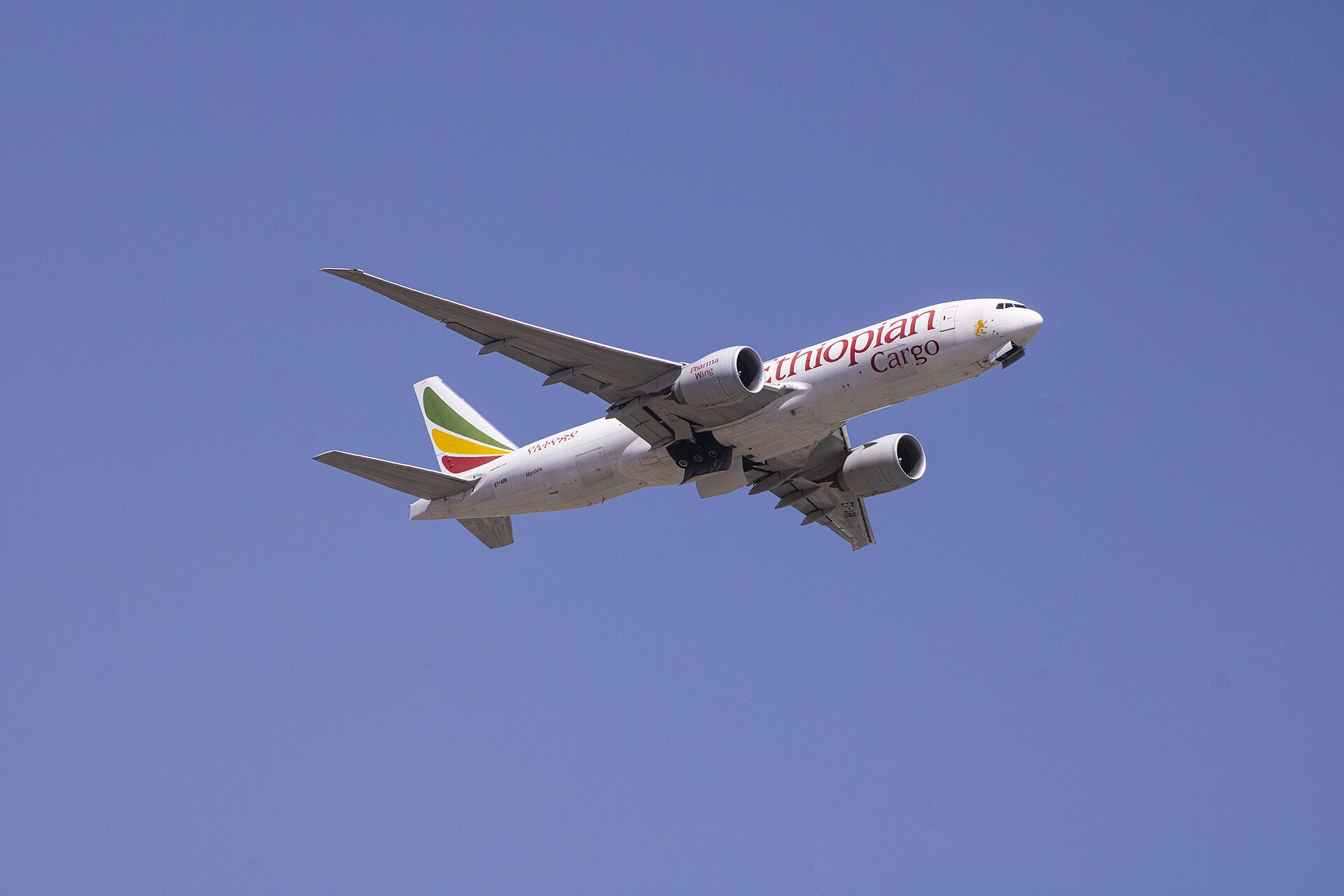
Foreign governments therefore engage mainly through diplomacy, lending and trade, not through bases. The foreign bases in the region sit next door in Djibouti, which the Horn of Africa guide explains.
Aid Donors and Aid Groups
The World Bank’s safety net projects reach millions. An urban jobs project works in 88 cities and reaches 2.4 million people, and the rural programme supports 8 million.
These programmes show how donors tie money to conditions such as transparency and targeting. Donors want proof that funds reach poor households and that conflict areas are not left out.
The official pages read give no confirmed 2026 total for humanitarian funding or for the United States’ aid to Ethiopia. Readers should check the UN humanitarian tracking service before quoting a figure.
What It Means for US Readers
American exporters and importers trade about US$2.4 billion of goods with Ethiopia a year, and the surplus favours the United States. Check AGOA and tariff rules on the day of each shipment, because the USTR page is unclear.
Investors should watch the IMF programme, because its reviews set the pace of currency reform and debt relief. A missed review would raise the risk of renewed default.
Travellers should read the State Department advisory before booking, since large regions sit at Level 4. Conditions can change quickly.
The large diaspora in Washington, Minneapolis and other US cities gives Ethiopian politics a direct American audience. Remittance and investment rules for diaspora members change often.
What Prediction Markets Say
Polymarket, a real-money prediction market, puts 4.3% on Abiy Ahmed leaving office as Prime Minister in 2026 (4 November, 9:40 a.m. ET). The market has traded about US$13,100 and closes on 31 December 2026.
Why we show this: prediction markets turn real-money bets into a live probability that moves within minutes of the news, which is why investors, campaigns and newsrooms in the United States now follow them closely. We show them next to polls and official results, never instead of them.
What Is Not Known
- Chinese lending: the total of Chinese loans to Ethiopia and the date of China’s bilateral relief agreement could not be confirmed at an official page.
- Eurobond terms: the final terms of the deal with Eurobond holders were not found in the IMF text, only an agreement in principle.
- AGOA: whether Ethiopia is eligible for US duty-free access in 2026, because the USTR page gives two answers.
- Russia and the Gulf: the terms, financing and timetable of any Russian nuclear project or Gulf state investment pledge.
- Foreign banks: which foreign banks have applied for or received a licence under Proclamation 1360/2024.
- Aid and remittances: current US aid, humanitarian funding totals and diaspora remittances for 2025/26.
- Next IMF review: the date of the sixth review, which the July 2026 release does not give.
Frequently Asked Questions
Who are Ethiopia’s biggest lenders?
The IMF, with a programme of about US$3.4 billion, and the World Bank, with US$15.82 billion of commitments in March 2026. China and France co-chair the committee of official creditors.
Did Ethiopia default on its debt?
Yes, Ethiopia defaulted on its foreign debt in 2023. Official creditors agreed relief of over US$3.5 billion in July 2025, and talks with bondholders advanced in 2026.
How much foreign investment does Ethiopia attract?
The Ethiopian Investment Commission counted US$4.32 billion of foreign direct investment in the 2025/26 fiscal year, up 8%. It announced the figure on 9 July 2026.
Can foreign banks operate in Ethiopia?
Parliament approved a banking law on 17 December 2024 that lets foreign banks enter. No licensed foreign bank is named in the official pages read.
Is Ethiopia a BRICS member?
Yes, Ethiopia joined in the 2024 expansion. India’s 2026 BRICS chair website lists it among 11 members.
Is it safe for Americans to visit Ethiopia?
The State Department rates Ethiopia Level 3, reconsider travel, since 1 April 2026. Many regions and border zones are Level 4, do not travel.
How big is the Ethiopian diaspora in the United States?
About 304,000 Ethiopian-born people lived in the United States in 2024. That makes them the second largest sub-Saharan African group after Nigerians.
Sources: IMF, fifth review press release, 1 July 2026; IMF, Ethiopia country page; World Bank, Ethiopia overview; Ministry of Finance of Ethiopia, creditor committee memorandum, 2 July 2025; Ethiopian Investment Commission; US Trade Representative, Ethiopia; US State Department, Ethiopia travel advisory, 1 April 2026; Turkish Ministry of Foreign Affairs, Turkey and Ethiopia; India BRICS 2026 chair website; Migration Policy Institute, sub-Saharan African immigrants, 2024 ACS (all accessed 4 November 2026).
This article was produced by The Rio Times’ automated newsroom system. How we use AI · Report an error · Editorial responsibility: Matthias Camenzind, Editor-in-Chief
Expat Guide to Ethiopia
What The Rio Times publishes for foreigners who live in or move to Ethiopia.
Start here
- Ethiopia Golden Visa Explained: Fees for Americans in US$
- Safaricom's M-Pesa Enters Ethiopia as Wave Secures a West African Bank Licence
City guides
Coming up in Ethiopia
- Great Ethiopian Run Returns to Addis Ababa 22 November 22 Nov
- Ethiopian Christmas 2027 Ends a 43-Day Fast 7 Jan
- Timkat 2027 Falls on 19 January in Addis 18 Jan
- Ethiopia's Lake Hawassa Half Marathon on 14 February 2027 14 Feb
Understand Ethiopia
Horn of Africa and the Red Sea
- Horn of Africa 2026: Why It Matters and Who Backs Whom
- Ethiopia’s Neighbors Explained, Ports, Eritrea, Somalia
- Eritrea Explained 2026, a Red Sea Country Guide
- Somalia Explained: Al-Shabaab, Somaliland, the Ports and the Fight Over a 2026 Vote