Somalia Explained: Al-Shabaab, Somaliland, the Ports and the Fight Over a 2026 Vote

GUIDES · SOMALIA
Key Facts
- —Capital Mogadishu, on the Indian Ocean coast. Somalia has the longest coastline of any country on the African mainland.
- —Population About 19.7 million in 2025, according to World Bank estimates. There has been no full census in decades.
- —Currency The Somali shilling (SOS). One US dollar bought about SOS 572 on 30 September 2026. Dollars circulate widely.
- —Language Somali and Arabic are the official languages. English and Italian are heard in business and among older officials.
- —GDP About US$13.0 billion in 2025, or roughly US$660 per person, one of the lowest levels in the world (World Bank). Growth was about 3 percent.
- —Government A federal parliamentary republic under a provisional constitution. Parliament elects the president; member states hold much of the real power.
Somalia explained for readers in North America and Europe. Who governs a country without a direct national vote since 1969? Why do its ports draw Gulf money, and why is its 2026 mandate disputed?
Somalia sits beside one of the world’s busiest shipping routes, into the Red Sea and the Suez Canal. Its piracy, port deals and insurgency reach shipping costs, aid budgets and security policy far beyond the Horn of Africa.
What kind of country is this?
Somalia occupies the Horn of Africa, the triangle of land that points east into the Indian Ocean. Its northern coast faces the Gulf of Aden, the approach to the Red Sea. Much of the interior is dry rangeland, and herding camels, goats and sheep is still a central way of life.
The modern state began on 1 July 1960, when former British Somaliland joined former Italian Somalia. British Somaliland had become independent five days earlier, on 26 June 1960. That short gap still matters, because it underpins Somaliland’s claim to separate statehood today.
In October 1969 the army under Siad Barre seized power. His government collapsed in January 1991, and the country fell into civil war. For two decades there was no functioning national government, and clan militias, warlords and later Islamist movements filled the space.
Somaliland, in the north-west, declared independence on 18 May 1991. It has its own president, army and currency, and has held competitive elections. Somalia still regards it as part of its territory. On 26 December 2025 Israel became the first UN member state to recognise it.
Somali society is organised around clans and sub-clans. Clan identity shapes politics, business partnerships and who sits in parliament. Almost all Somalis are Muslim and speak Somali, which makes the country unusually uniform by African standards, yet deeply divided by lineage.
Who runs Somalia and how
Somalia is a federal parliamentary republic governed by a provisional constitution adopted in 2012. The federal government sits in Mogadishu. Federal member states such as Puntland, Jubaland, South West State, Galmudug and Hirshabelle run their own administrations and security forces.
The president is not elected by voters. Members of parliament, themselves chosen through a clan-based system of elders and delegates, elect the head of state. The president then appoints a prime minister, who needs parliament’s confidence.
Hassan Sheikh Mohamud is president. Parliament elected him in May 2022 for a four-year term, his second stint in the post. His government wants to replace the clan system with one person, one vote. It presents this as the first democratic vote since 1969.
That goal is widely shared in principle but fiercely contested in practice. In March 2026 parliament amended the constitution to lengthen terms from four years to five. The president says his mandate therefore runs to 15 May 2027. The opposition says it expired on 15 May 2026.
The opposition is led by figures including Puntland’s president, Said Abdullahi Deni, and former president Sharif Sheikh Ahmed. They call the amendments unilateral and unconstitutional. Puntland and Jubaland have refused to take part in the federal electoral process on Mogadishu’s terms.
The courts have become part of the story. On 24 August 2026 the Federal Supreme Court annulled Galmudug’s first direct state election, held on 30 July, citing irregularities. It ordered a fresh vote but set no date. Somalia is also an elected member of the UN Security Council for 2025 and 2026.
How the economy works
Somalia’s economy is small, informal and resilient. The World Bank puts output at about US$13.0 billion in 2025, roughly US$660 per person. Growth slowed to about 3 percent in 2025 from about 4 percent in 2024.
Three things keep it running. Livestock exports, mostly to Gulf markets, are the main merchandise earner. Money sent home by Somalis abroad supports millions of households. Telecoms and mobile money, largely in US dollars, are used for everyday payments across the country.
The state itself is thin. Tax collection is low, and much public spending, including security, relies on donors. The government often complains that aid arrives through parallel channels instead of its budget. Al-Shabaab, meanwhile, runs its own taxation of trade and property in areas it can reach.
The biggest recent economic milestone was debt relief. On 13 December 2023 the IMF and World Bank confirmed Somalia had reached completion point under the Heavily Indebted Poor Countries initiative. External debt fell from 64 percent of output in 2018 to less than 6 percent by the end of 2023.
That deal reopened access to concessional finance and is tied to an IMF lending programme with regular reviews. In March 2024 Somalia also became the eighth member of the East African Community. The trade bloc includes Kenya, Tanzania and Uganda.
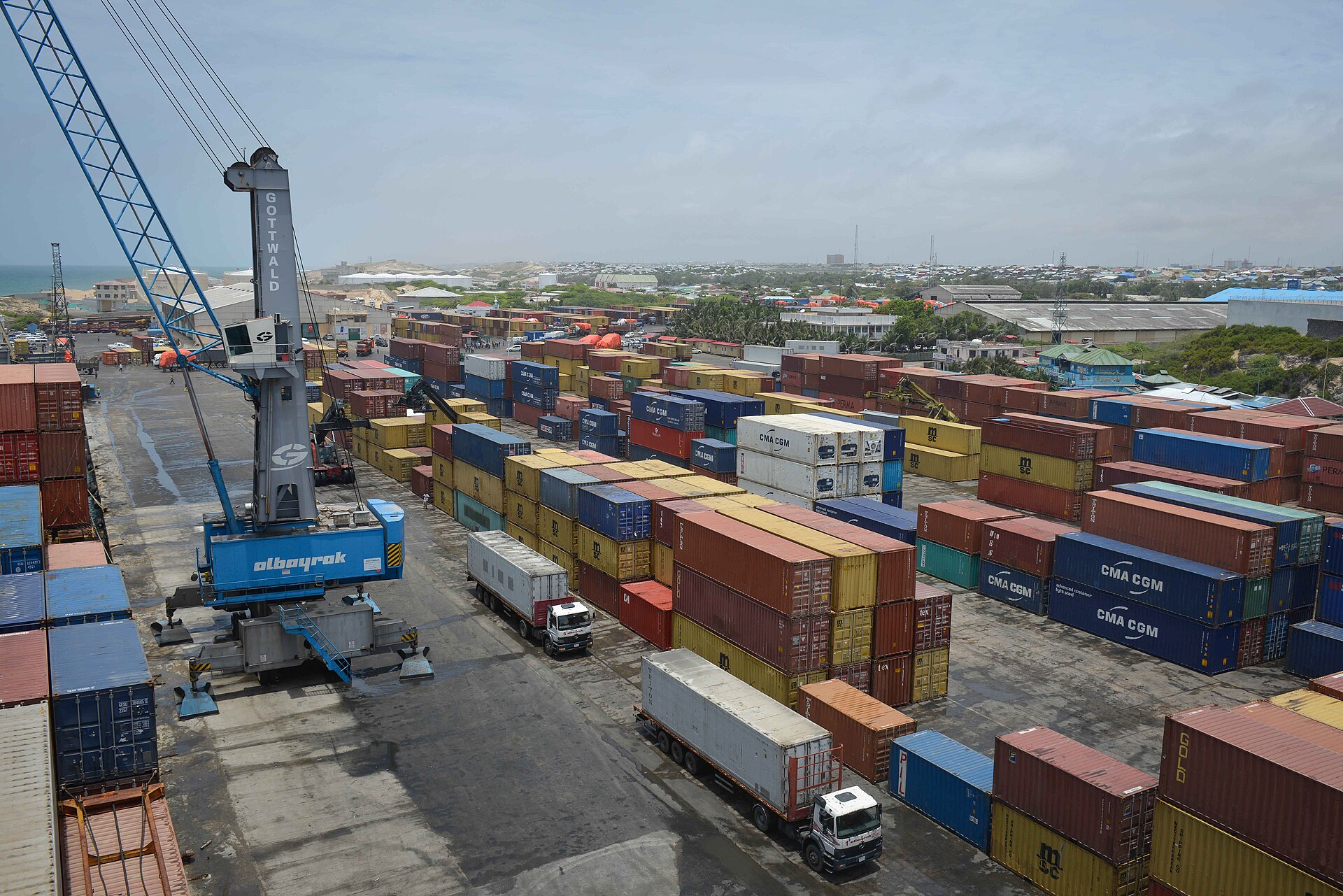
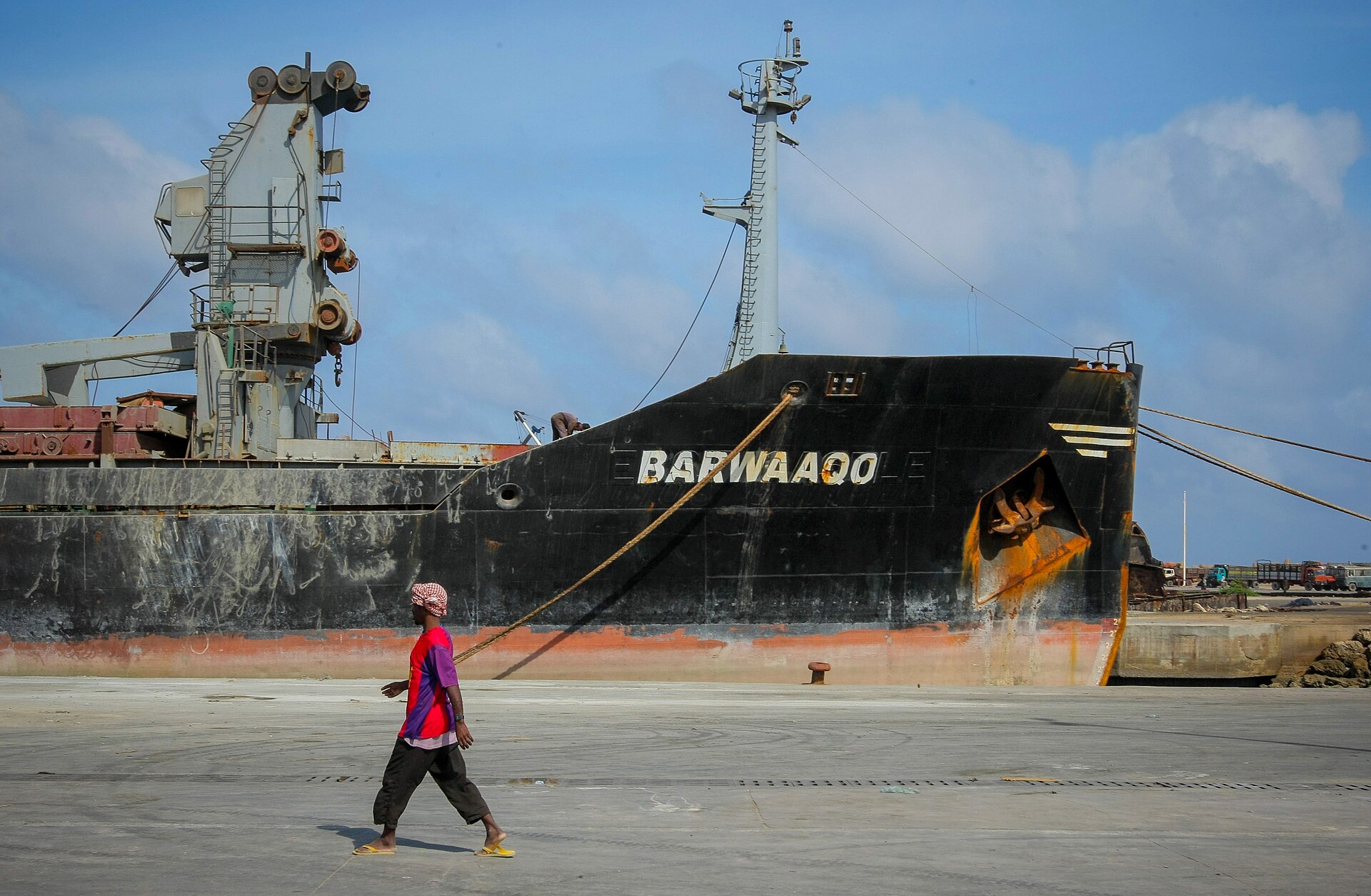
Ports are where the economy meets geopolitics. Mogadishu is the main port for the capital region. Bosaso serves Puntland, and Kismayo serves Jubaland. Berbera, in Somaliland, is run by Dubai’s DP World under a 30-year concession tied to up to US$442 million of investment.
What is happening right now
As of 27 September 2026, Somalia faces a political standoff, a stalled war and a funding cliff at the same time. None of the three has a clear resolution in sight.
On politics, talks between the government and the opposition collapsed around 15 May, as the original presidential term ran out. On 17 August government troops pushed an opposition-aligned militia out of Baidoa after clashes, Reuters reported.
On 24 September 2026 the president addressed the UN General Assembly. He said Somalia was determined to hold its first democratic election since 1969. He also asked donors to route more aid through the state. A day earlier, Puntland asked the UN Security Council to intervene in the political dispute.
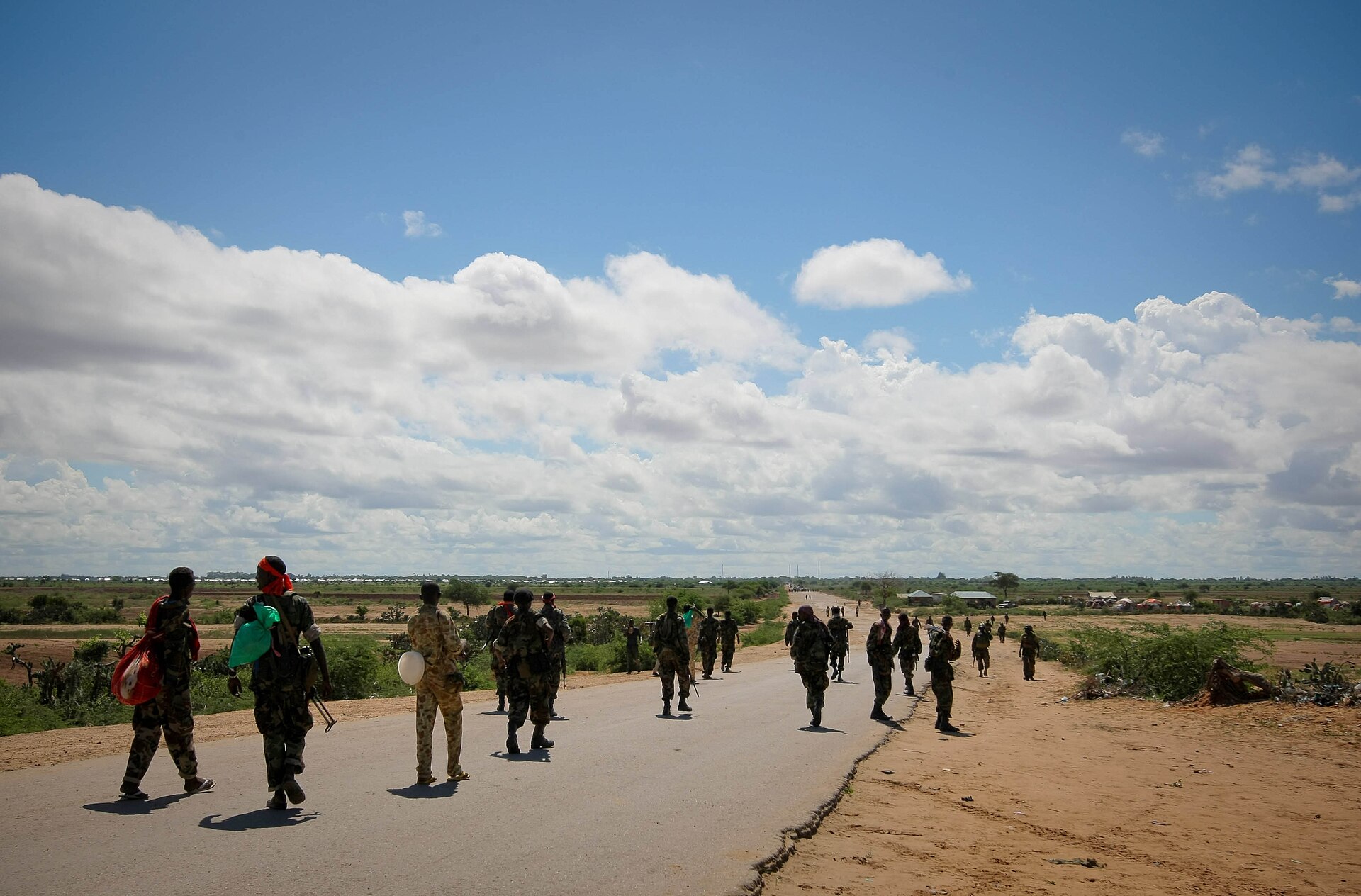
On security, al-Shabaab remains the main armed threat. The group left fixed positions in Mogadishu in August 2011 but still holds large rural areas in the south and centre. The International Crisis Group called the war a stalemate in a report on 30 June 2026. The defence ministry rejected that report as false.
The foreign relationships have shifted sharply. On 12 January 2026 the Somali cabinet cancelled all agreements with the United Arab Emirates, including port, security and defence deals. It accused Abu Dhabi of undermining Somali sovereignty. Somaliland rejected the decision, and DP World said Berbera would keep operating.
Money for the African Union mission, known as AUSSOM, is running short. In July Washington said it would end UN logistical support for the mission after 2026. In September it agreed instead to a 12-month wind-down of the UN support office from January 2027, followed by its closure, Reuters reported. Troop contributors had asked for 18 to 24 more months.
The humanitarian picture is severe. The IPC, the UN-backed hunger scale, projects that 5.4 million people will face crisis-level hunger or worse from October to December 2026. Its 23 September analysis warns that displaced people in the south-west could face famine if floods are severe. The World Food Programme says funding cuts limit it to roughly 600,000 people.
What to watch
31 October 2026. The mandate of UNTMIS, the UN’s political mission in Somalia, ends. No successor arrangement had been announced by late September.
January 2027. A 12-month wind-down of UN logistical support for the African Union mission is due to begin, under the plan the United States accepted in September. Watch whether the Security Council agrees a new financing formula, and whether any troop contributor scales back.
The election timetable. Watch for a date for national direct elections, now expected in 2027, and for the rerun in Galmudug. Any deal that brings Puntland and Jubaland back into the process would be the clearest sign of progress.
15 May 2027. This is the end of the president’s term as extended by parliament. If no election has been held by then, the legitimacy dispute is likely to sharpen.
Somaliland recognition. Israel’s step has not so far been followed by other UN members. The commander of US Africa Command said in Mogadishu in mid-2026 that Washington had no plans to recognise Somaliland.
Hunger and rains. The October to December rainy season, expected to bring floods, will show whether food insecurity eases or worsens.
What this means for foreigners
For most travellers, Somalia is not a destination. Western governments, including the United States, advise against travel to most or all of the country. They cite terrorism, kidnapping and armed conflict. Those who go are usually aid workers, diplomats, contractors or members of the diaspora, with professional security support.
Somaliland is a partial exception. It has been more stable than the south for years, and Hargeisa and Berbera see business visitors. But its status is unrecognised by almost every government, so consular help is limited and legal protections are uncertain.
For investors, the opportunity and the risk are the same thing. Telecoms, ports, fisheries and possible offshore oil and gas attract interest. Yet Mogadishu can cancel contracts, and member states can reject them. Some deals are signed with administrations Mogadishu does not accept, as the UAE case showed.
For shipping and insurers, Somalia matters because of the Gulf of Aden route. Piracy has resurfaced in recent years; in September 2026 pirates released the vessel MV Sward after 138 days. Somalia explained in one line: a country whose coastline is worth more to outsiders than its capital can yet control.
Connected Coverage
Somalia UN Speech Promises a Vote as the President’s Term Is Disputed
Somaliland Pushes UN Recognition Drive on Sidelines of General Assembly
Somalia Cancels Berbera Port Deals as Ethiopia and UAE Reshape Horn of Africa Geopolitics
Somalia’s Top Court Threw Out Galmudug’s First Direct Vote
Somalia’s Peace Mission Now Hangs on a UN Vote
Ethiopia Explained: The Country, Abiy’s Reforms, the Economy and What to Watch
What Is Not Known
When Somalia will vote. No date has been set for direct national elections, and the government and opposition disagree on the rules. Whether Puntland and Jubaland will take part is unknown.
What replaces current international support. It is unclear who will pay for the African Union mission once UN support winds down in 2027. Nor is it known what follows the UN political mission after 31 October.
How much territory al-Shabaab controls. Front lines shift, figures from the government and independent analysts differ, and no reliable current map exists in the public domain.
The real size of the economy and population. Somalia has had no full census in decades, and much activity is informal, so official figures are estimates.
Sources: Population and output from the World Bank. Debt relief from the IMF and World Bank. Regional membership from the East African Community. Politics and security from official statements and major outlets. All accessed 27 September 2026.
- World Bank — World Development Indicators, Somalia: population, GDP, GDP per person and growth, 2024–2025.
- World Bank and IMF — HIPC completion point for Somalia, 13 December 2023.
- East African Community — Somalia joins as the eighth partner state, March 2024.
- open.er-api — US dollar exchange rates, 30 September 2026.
- Al Jazeera — Somalia cancels all agreements with the UAE, 12 January 2026.
- Al-Monitor — Israel recognises Somaliland, 26 December 2025.
- Somali Guardian — president says term not expired as opposition rejects legitimacy, May 2026.
- International Crisis Group — New Chapter, Same Stalemate: Somalia’s War with Al-Shabaab, 30 June 2026.
- Somalia Ministry of Defence via AllAfrica — rejection of the Crisis Group report, 7 July 2026.
- Reuters — US gives UN more time to end support for Somalia peacekeepers, 18 September 2026.
- IPC Somalia analysis, July–December 2026, issued 23 September 2026 (via Save the Children).
Frequently Asked Questions
What is the capital of Somalia?
Mogadishu, on the Indian Ocean coast. It is the seat of the federal government and parliament.
Is Somaliland part of Somalia?
Somalia says it is. Somaliland declared independence on 18 May 1991 and runs its own government. Israel became the first UN member state to recognise it on 26 December 2025.
When is Somalia's next election?
No date has been set. Parliament extended terms from four years to five in March 2026, and national direct elections are now expected in 2027. The opposition disputes the extension.
Who is al-Shabaab?
An armed Islamist group that has fought the Somali state for years. It left fixed positions in Mogadishu in August 2011 but still holds large rural areas in the south and centre.
How big is Somalia's economy?
About US$13.0 billion in 2025, or roughly US$660 per person, according to the World Bank. Growth was about 3 percent in 2025.
Is it safe to travel to Somalia?
Western governments, including the United States, advise against travel to most or all of the country because of terrorism, kidnapping and armed conflict. Somaliland has been more stable, but consular help there is limited.
This article was produced by The Rio Times’ automated newsroom system. How we use AI · Report an error · Editorial responsibility: Matthias Camenzind, Editor-in-Chief