Ethiopia Explained 2026: The Country, Abiy’s Reforms, the Economy and What to Watch
GUIDES · ETHIOPIA
Key Facts
- —Capital Addis Ababa, a self-governing chartered city and the headquarters of the African Union. It doubles as the administrative centre of the surrounding Oromia region.
- —Population About 135.5 million in 2025, the World Bank estimates, roughly two-fifths of the US population. Only about one person in four lives in a town or city.
- —Currency The birr, floated on 29 July 2024. It traded at 162.67 birr per US dollar on 25 September 2026, against 57.48 birr to the dollar before the float.
- —Language Amharic, joined in February 2020 by Afaan Oromo, Tigrinya, Somali and Afar as federal working languages. English is the main language of secondary and university teaching.
- —GDP US$126.4 billion in 2025 at market exchange rates, or about US$930 per person, roughly 1 percent of the US figure. The IMF projects real growth of 9.2 percent for 2025/26.
- —Government A federal parliamentary republic under the 1995 constitution, with 12 regional states and two chartered cities. Prime Minister Abiy Ahmed has led since April 2018.
Ethiopia explained for readers abroad: how the country is governed, what Abiy Ahmed’s reforms changed, and why the north is fighting again.
Ethiopia explained in one line: a fast-growing, landlocked giant that is opening its economy while fighting armed movements on several fronts. Both stories are true at once. Each one shapes the other.
What kind of country is this?
Ethiopia covers about 1.14 million square kilometres, roughly the size of Texas and California combined. It has had no coastline since Eritrea became independent in 1993. That fact shapes much of its foreign policy.
It is also unusual in Africa for never having been colonised, apart from an Italian occupation from 1935 to 1941. Emperor Haile Selassie, the last monarch, was swept away by the 1974 revolution. A military regime known as the Derg then ruled until 1991.
From 1991 to 2018 a coalition dominated by the Tigray People’s Liberation Front (TPLF) governed the whole country. It wrote the 1995 constitution, which organises the state along ethnic and linguistic lines. Article 39 even gives every “nation, nationality and people” a right to secede.
Each regional state has its own constitution, police, courts and elected council. There are now 12 of them, up from the original nine, plus the chartered cities of Addis Ababa and Dire Dawa. Oromia holds about 37 percent of the population and Amhara is second.
Most Ethiopians still live in the countryside, with the urban share at about 24 percent. In 2024 only 56.6 percent of people had electricity, according to the World Bank. Any account of Ethiopia explained for newcomers has to start with that rural and still largely unconnected society.
Who runs Ethiopia and how
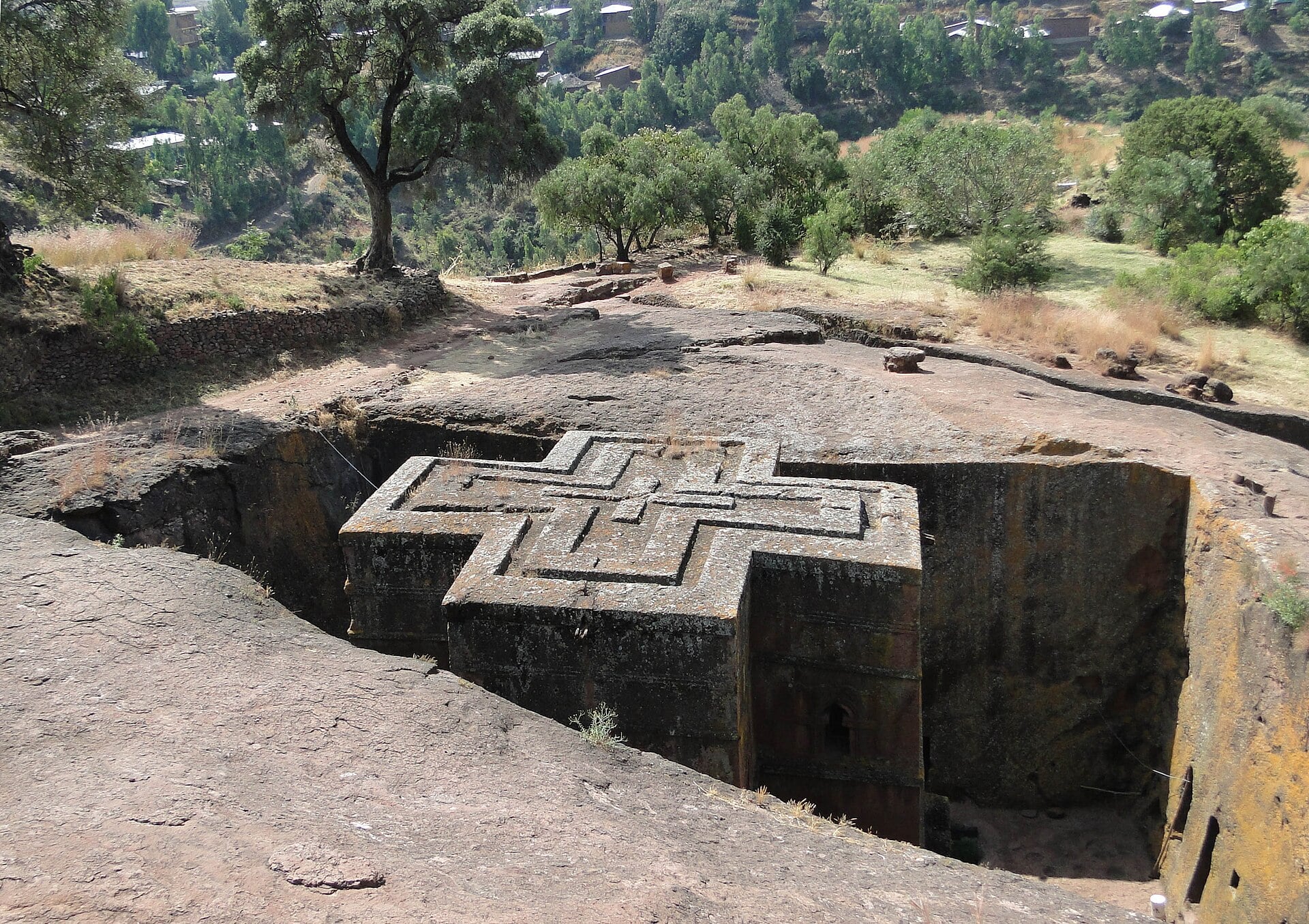
Ethiopia is a parliamentary system. The party that wins a majority in the 547-seat House of Peoples’ Representatives forms the government and names the prime minister. The president, currently Taye Atske Selassie, is head of state with a largely ceremonial role.
A second chamber, the House of Federation, speaks for the country’s ethnic communities. Each recognised nation, nationality and people has at least one seat, plus one more for every million members.
Abiy Ahmed became prime minister in 2018 after mass protests against the old ruling coalition. He won the Nobel Peace Prize in 2019 for ending the stand-off with Eritrea. Late that year he merged most of the coalition’s parties into a single Prosperity Party, and the TPLF was pushed to the margins.
That rupture ended in civil war in Tigray from November 2020 to November 2022. By African Union estimates, the war killed more than 600,000 people. It ended with a peace deal signed in Pretoria, South Africa.
The Prosperity Party won more than 90 percent of the available seats in 2021. At the general election on Monday 1 June 2026 it did so again. The National Election Board of Ethiopia (NEBE) declared it the winner of 438 of the 486 seats for which results were announced.
Voting did not take place in Tigray or in parts of Amhara because of insecurity. The ruling party ran unopposed in 64 constituencies. The strongest opposition party, Ezema, won 13 seats.
The new parliament opens on Monday 5 October 2026, when the government for the next five-year term is to be formed. Abiy is widely expected to be re-elected prime minister.
How the economy works
Ethiopia earns its foreign currency mainly from gold and coffee. Exports hit a record of more than US$10.7 billion in the fiscal year to 7 July 2026, up from US$8.3 billion. Coffee brought in about US$3 billion, and Abiy put gold at about US$5.5 billion.
For decades the state kept a tight grip. The exchange rate was fixed, foreign banks had been shut out since 1975, and Ethio Telecom was the only phone company. By the central bank’s own account, the result was a black market for dollars, chronic shortages and high inflation.
Abiy’s government calls its answer the Homegrown Economic Reform Agenda. The decisive step came on Monday 29 July 2024, when the National Bank of Ethiopia (NBE) let the birr float. It fell from 57.48 birr to 74.73 birr per dollar on the first day, a fall of about 23 percent in the birr’s value.
The same day, the International Monetary Fund (IMF) approved a four-year loan programme worth about US$3.4 billion. After the fifth review on 1 July 2026, disbursements totalled about US$2.65 billion. The fund said all its quantitative performance criteria had been met.
Inflation has been the main cost for households. It averaged 26.6 percent in 2023/24, the IMF says, and the central bank reports 9.7 percent by December 2025. A fuel-price shock from the war in the Middle East pushed it back into double digits; it stood at 15.1 percent in August 2026.
In July 2026 the NBE raised its policy rate from 15 to 16 percent and scrapped a cap on bank lending. It also cut the share of goods-export earnings that exporters must surrender, from 50 to 30 percent. A dollar now buys almost three times as many birr as before the float.
Ethiopia is also restructuring its foreign debt, including its only international bond, a US$1 billion issue. The IMF welcomed an agreement in principle with those bondholders in July 2026. It projects reserves at 2.1 months of imports for 2025/26, up from 0.7 months two years earlier.
The opening goes beyond the currency. Kenya’s Safaricom won the first private telecoms licence in 2021. The Ethiopian Securities Exchange (ESX) opened on 10 January 2025 with a single listed company, Wegagen Bank.
Ethio Telecom listed on 26 May 2026 after a share offer that drew more than 47,000 investors, the exchange says. By mid-September six companies were trading, and 11 more had approval in principle to list. Banking opened on paper in 2025, yet no foreign commercial bank was operating as of September 2026.
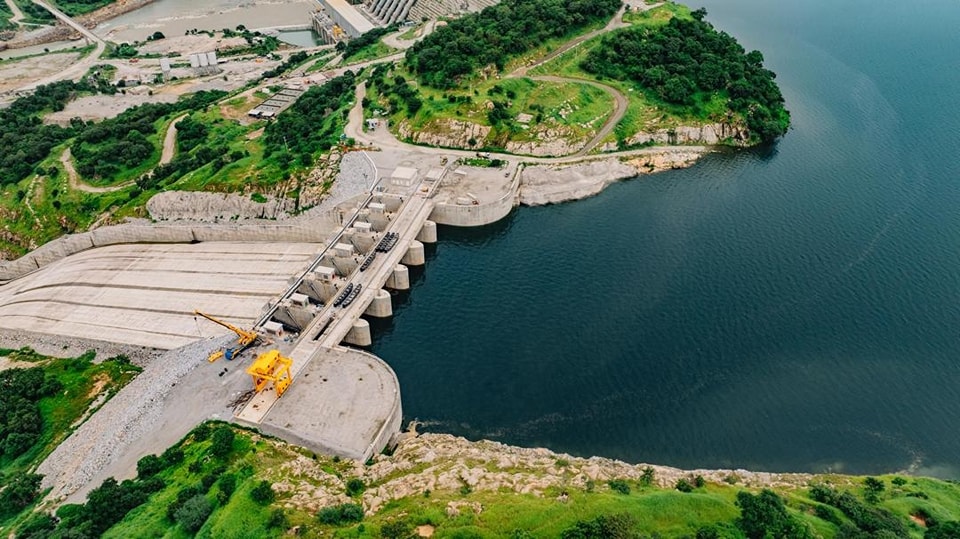
The other pillar is electricity. The Grand Ethiopian Renaissance Dam (GERD) on the Blue Nile, near the Sudanese border, was inaugurated on Tuesday 9 September 2025. At 5,150 megawatts it is Africa’s largest hydroelectric plant, built for about US$5 billion and financed at home.
Egypt, which relies on the Nile for 97 percent of its water, calls the dam an existential threat. Every mediation attempt, including one by the United States, has failed. Ethiopia’s own case is simple: about 43 percent of its people still had no electricity in 2024.
What is happening right now
As of 25 September 2026, northern Ethiopia is at war again. Fighting between federal and Tigrayan forces broke out on Wednesday 23 September. TPLF vice-president Amanuel Assefa told AFP: “We are in the situation of full-blown war now.”
Each side blames the other for starting it. Tigrayan forces seized three local airports, including Mekelle’s, and attacked into the neighbouring Afar and Amhara regions. The army said it had killed 272 TPLF fighters in North Wollo, a figure AFP could not verify.
Three days earlier, on Sunday 20 September, seven armed groups announced a joint front. They include the TPLF, Fano militias from Amhara and the Oromo Liberation Army. The Ethiopian Peoples’ Forces Alliance for Survival says its aim is to remove Abiy’s government.
The government says the alliance is financed by Eritrea, which denies it. The European Union called for immediate de-escalation, and the US embassy said it was “disappointed” by the TPLF offensive. Ethiopian Airlines suspended flights to Mekelle, Shire and Axum, and on 25 September AFP cited reports of a northern internet blackout.
The Pretoria deal of November 2022 left disarmament, disputed land in western Tigray and the return of displaced people unresolved. Clashes resumed in late 2025.
In May 2026 a revived regional council elected TPLF chairman Debretsion Gebremichael as president. General Tadesse Werede, the interim leader appointed by Abiy, kept his claim.
Amhara has been in conflict since 2023, when Fano militias rose against a plan to fold regional forces into federal ones. A state of emergency followed in August 2023. ACLED, a conflict-monitoring group, says more than 8 million people there were exposed to violence between February and August 2026.
In Oromia, the Oromo Liberation Army has fought the government for years. A breakaway faction signed a peace deal with the regional government in December 2024. The main group rejected it and fights on.
The economy is moving on a separate track. On Thursday 24 September, Abiy, Djibouti’s President Ismaïl Omar Guelleh and Aliko Dangote, the Nigerian industrialist, broke ground on a fuel pipeline. Reuters, citing Abiy’s office, put the cost at US$660 million.
The line will run 120 kilometres from Damerjog in Djibouti to Dewele in Ethiopia, with storage at both ends. It is due to operate within 18 months. Abiy says it will cut fuel transit to Addis Ababa from five days to one.
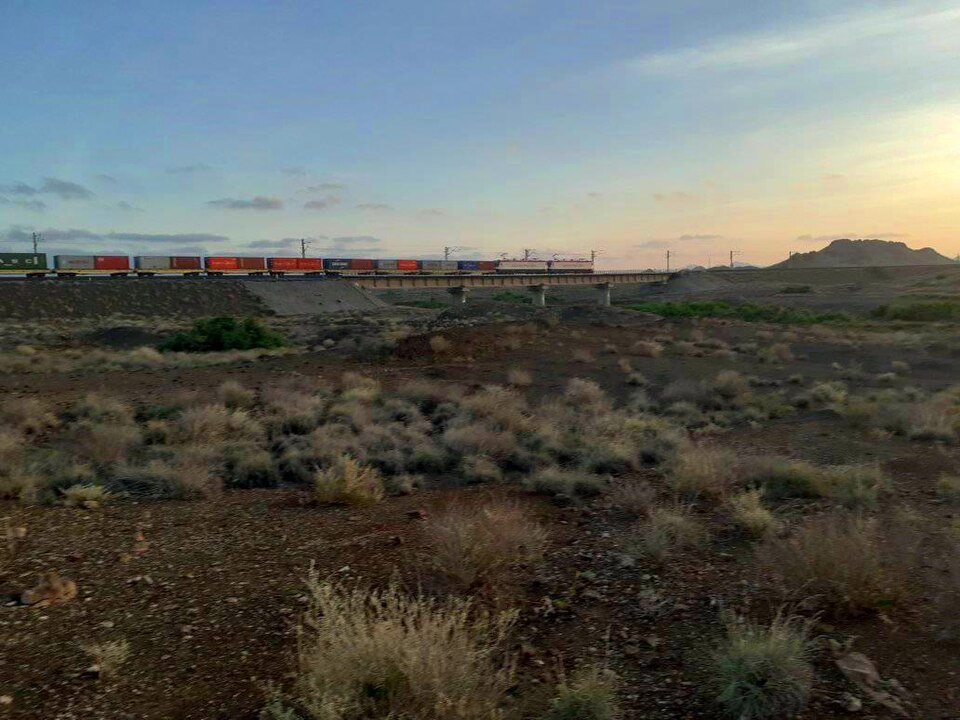
The pipeline sits inside a bigger ambition. More than 95 percent of Ethiopia’s trade by volume passes through Djibouti, and Abiy calls sea access an existential issue. His January 2024 sea-access deal with the breakaway region of Somaliland angered Somalia.
Turkey brokered a settlement, the Ankara Declaration of 11 December 2024, which envisages commercial access under Somali sovereignty. Since early 2026 attention has turned to Eritrea’s port of Assab. Abiy has said he has no intention of going to war for it, and Eritrea rejects any Ethiopian claim.
What to watch
End of September 2026: the NBE’s Monetary Policy Committee said it would next meet by the end of the month. A move on the 16 percent policy rate would show how worried it is about inflation.
Monday 5 October 2026: the new parliament opens and the government for the next five years is formed. Watch who holds defence, finance and foreign affairs in Abiy’s new cabinet.
October 2026: the Ethiopian Statistics Service is expected to publish September inflation. August’s 15.1 percent, down from 15.3 percent in July, was the first fall since the fuel shock began. A second fall would suggest the fuel shock is fading.
The northern front lines, above all in Afar and Amhara, and whether Eritrea is drawn in. Practical signals are whether flights to Mekelle, Shire and Axum resume and whether the internet returns.
The IMF’s sixth review, the next checkpoint in the loan programme. On the six-monthly rhythm so far it would fall around the turn of the year, though no date is published. The final deal with bondholders is the other debt milestone.
The pipeline’s progress against its 18-month target, and the stock exchange. If all 11 approved companies list, the ESX will grow from six to 17 listings.
What this means for foreigners
Travel risk has risen sharply. The US State Department’s advisory of 27 August 2026 rates Ethiopia Level 3, “Reconsider Travel”. It says do not travel to Tigray, Amhara, parts of Oromia and several border areas.
The same advisory warns that internet and phone services are often cut before, during and after unrest. Ethiopian Airlines has already suspended flights to Mekelle, Shire and Axum.
Visitors apply for an electronic tourist visa through the official portal, evisa.gov.et. Nationals of Kenya and Djibouti need no visa, and the portal lists which nationalities can get a tourist visa on arrival. It also warns that several lookalike visa websites are not official.
Money is simpler than before the float. Banks and, since 2024, licensed non-bank bureaus buy and sell foreign currency at market rates. This guide uses 162.67 birr per US dollar, the ExchangeRate-API reference rate for 25 September 2026.
That is close to the central bank’s own benchmark. Its special auction on 20 August cleared at a weighted average of 160.21 birr per dollar.
For investors, the doors are opening unevenly. Nigeria’s United Capital received the first foreign investment-banking licence in June 2026, but capital outflows were left restricted in the 2024 reform. The IMF describes exchange restrictions as only partially eased so far.
Ethiopia explained for a newcomer comes down to two clocks. The economic reforms run on IMF review dates. The security situation runs on events nobody schedules, and anyone planning a trip, a posting or an investment should watch both.
Connected Coverage
Ethiopia Economy Battles 161 Birr Dollar as IMF Lifeline Grows — the birr at 161 to the dollar and the IMF programme
Sources: Election results from the National Election Board of Ethiopia, monetary and exchange-rate data from the National Bank of Ethiopia, inflation from the Ethiopian Statistics Service, the loan programme from the International Monetary Fund, and population and output from the World Bank. All accessed 25 September 2026.
- Ethiopian News Agency — NEBE announces final results of the seventh general election
- Fana Media Corporation — new parliament opens on 5 October 2026
- International Monetary Fund — fifth review of the Extended Credit Facility, Press Release 26/235
- National Bank of Ethiopia — foreign exchange reform, 29 July 2024
- National Bank of Ethiopia — Governor’s statement, seventh Monetary Policy Committee meeting
- Ethiopian Statistics Service — Consumer Price Index releases
- World Bank — Ethiopia population, GDP, urbanisation and electricity access data
- UK Permanent Committee on Geographical Names — Ethiopia factfile, languages and regions
- US Department of State — Ethiopia travel advisory, 27 August 2026
- Reuters — Djibouti, Ethiopia and Dangote to build petroleum pipeline
What Is Not Known
How far the northern fighting spreads. Casualty claims from both sides cannot be independently verified. The scale of fighting in Afar and Amhara is unclear, as is the number of people newly displaced.
Eritrea’s role. The government says Asmara finances the new alliance, and Eritrea denies it. Independent evidence of military coordination has not been published.
Who legitimately governs Tigray. Addis Ababa backs its appointed interim administration, while the TPLF cites the council elected in 2020. No date exists for a new regional election.
The inflation path. The central bank expects inflation to moderate by December 2026 but to stay in double digits. The date of the IMF’s sixth review has not been announced.
The pipeline’s true price is unclear: Reuters reported US$660 million and the BBC US$600 million. Some outlets cited US$160 million, a figure linked to the Djibouti storage terminal. How costs split between Ethiopian Investment Holdings and the Dangote Group has not been published.
What “sea access” finally means. Officials increasingly speak of sovereign access, which goes beyond the commercial arrangement agreed with Somalia. Neither Eritrea nor Somalia has accepted that goal.
Frequently Asked Questions
Who leads Ethiopia in 2026?
Prime Minister Abiy Ahmed, in office since 2018. His Prosperity Party won 438 of the 486 seats declared after the election of 1 June 2026. The new parliament opens on 5 October 2026 and is expected to re-elect him.
What is the Ethiopian birr worth?
About 162.67 birr per US dollar on 25 September 2026. Before the central bank floated the currency on 29 July 2024, it was 57.48 birr to the dollar. A dollar now buys almost three times as many birr.
Is Ethiopia at war again?
In the north, yes. Fighting between federal and Tigrayan forces broke out on 23 September 2026 and spread into Afar and Amhara. Separate insurgencies continue in Amhara, led by Fano militias, and in Oromia, led by the Oromo Liberation Army.
Is it safe to travel to Ethiopia?
The US State Department rates Ethiopia Level 3, Reconsider Travel, in its advisory of 27 August 2026. It says do not travel to Tigray, Amhara, parts of Oromia and several border areas. It also warns that internet and phone services are often cut during unrest.
What is the Grand Ethiopian Renaissance Dam?
Africa’s largest hydroelectric plant, on the Blue Nile near the Sudanese border. It was inaugurated on 9 September 2025, has a capacity of 5,150 megawatts and cost about US$5 billion. Egypt, which relies on the Nile for 97 percent of its water, calls it an existential threat.
Why does sea access matter so much to Ethiopia?
Ethiopia has been landlocked since Eritrea became independent in 1993. More than 95 percent of its trade by volume passes through Djibouti. On 24 September 2026 it broke ground with Djibouti and Dangote on a 120-kilometre fuel pipeline, due to operate within 18 months.
This article was produced by The Rio Times’ automated newsroom system. How we use AI · Report an error
Part of our ongoing coverage
Africa: The New Scramble — the great-power contest over the continent.
Read More from The Rio Times