Who Runs Ethiopia’s Economy, the Key Players in 2026
AFRICA · ETHIOPIA
Key Facts
- The size Ethiopia has about 135 million people and an economy of US$126.4 billion in 2025, or US$933 per person.
- The pace Output grew 9.8 percent in 2025, while consumer prices rose 13.2 percent over the year.
- The owner Ethiopian Investment Holdings, the state wealth fund, holds 40 companies in nine sectors, from the national airline to the biggest bank.
- The money The central bank’s policy rate stands at 16 percent, and one US dollar buys about 162 birr (29 October 2026).
- The market Seven companies trade on the Ethiopian Securities Exchange: six banks and Ethio Telecom.
- Prediction markets Polymarket gives a 3.3% chance that Prime Minister Abiy Ahmed is out in 2026 (29 October, 10:09 a.m. ET).
The Ethiopia economy is steered by a state wealth fund, a central bank, a national airline and a few big banks. This guide names them and explains what each one controls, as of October 2026.

The Ethiopia Economy in Plain English
Ethiopia has about 135 million people, the second most in Africa after Nigeria, and an economy of US$126.4 billion in 2025. That is only US$933 a person, so a few state-run giants matter far more than they would in a rich country.
Output grew 9.8 percent in 2025, but prices rose 13.2 percent over the year, which squeezes ordinary households. Measured in dollars, the economy was smaller than in 2024, when it stood at US$149.7 billion.
Farming still produces 32.8 percent of output, and the government owns many of the biggest companies. Our guides to Ethiopia and its politics and to the birr reform give the background.
- Birr: the national currency of Ethiopia.
- State-owned enterprise: a company the government owns, such as the national airline.
- Eurobond: a dollar bond that a government sells to foreign investors.
- IMF: the International Monetary Fund, a lender that backs a country’s reform plan.
The State Wealth Fund That Owns the Big Names
Ethiopian Investment Holdings (EIH) is the government’s investment arm, set up in December 2021 to manage state companies. Its website calls it the largest sovereign wealth fund in Africa and lists 40 portfolio companies in nine sectors.
Dr Brook Taye is chief executive, and the portfolio includes Ethiopian Airlines Group, Ethio Telecom and the Commercial Bank of Ethiopia. The fund’s website lists ministers and the central bank governor on its board, so the fund and the government sit close together.
The transport cluster also holds Ethiopian Shipping and Logistics and the Ethiopian Toll Roads Enterprise. Ethiopian Electric Utility and the Development Bank of Ethiopia are on the portfolio list too.
On 4 August 2026 the fund took in Faydaverse, the state company that runs Ethiopia’s national digital identity, called Fayda. EIH says the Fayda system reaches 50 million residents and has issued more than 15 million digital identity credentials.
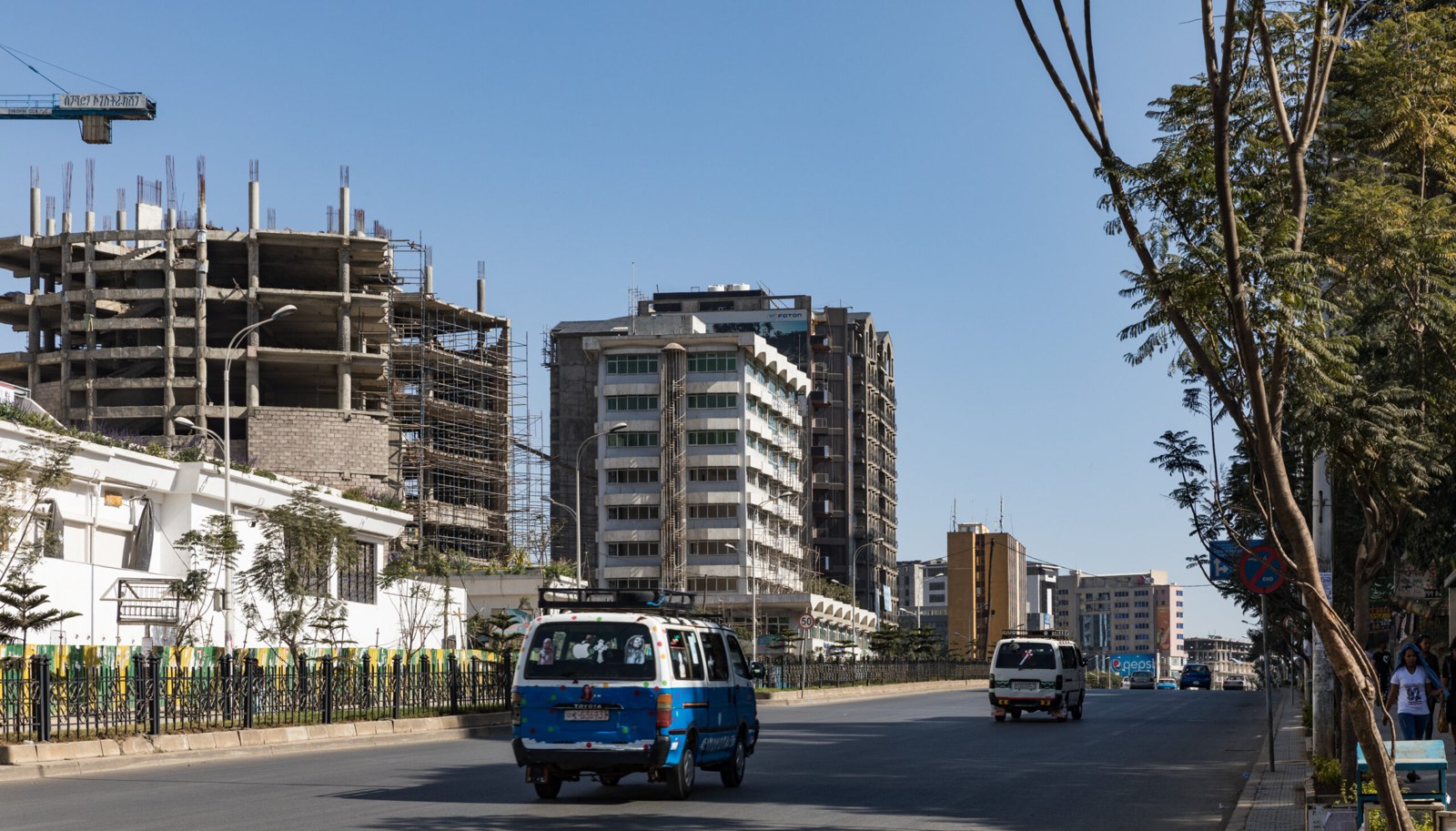
The Central Bank, the Ministers and the IMF
The National Bank of Ethiopia is the central bank, and its website names Eyob Tekalign Tolina as governor. Its policy rate stands at 16 percent, and the Treasury bill yield is 5.4 percent.
The bank says it works for stable prices and safe banks. It lists 32 banks, 18 insurers and 54 microfinance institutions under its watch.
Our report on the new cabinet explains who holds which ministry. The ministers on the EIH board matter because they also oversee the biggest state companies.
The International Monetary Fund approved a four-year loan program of about US$3.4 billion for Ethiopia on 29 July 2024. The decision released about US$1 billion at once and backs the government’s Homegrown Economic Reform agenda.
Debt Justice, a UK campaign group, said on 29 June 2026 that bondholders had agreed a restructuring deal with Ethiopia. It cuts the principal by 12 percent to US$880 million, paid from 2026 to 2029, at 6.15 percent interest.
More detail is in our guide to Ethiopia’s IMF reform and debt. Debt Justice says it took Ethiopia over five years to win this limited relief through the G20 Common Framework.
Ethiopian Airlines, the Flagship Company
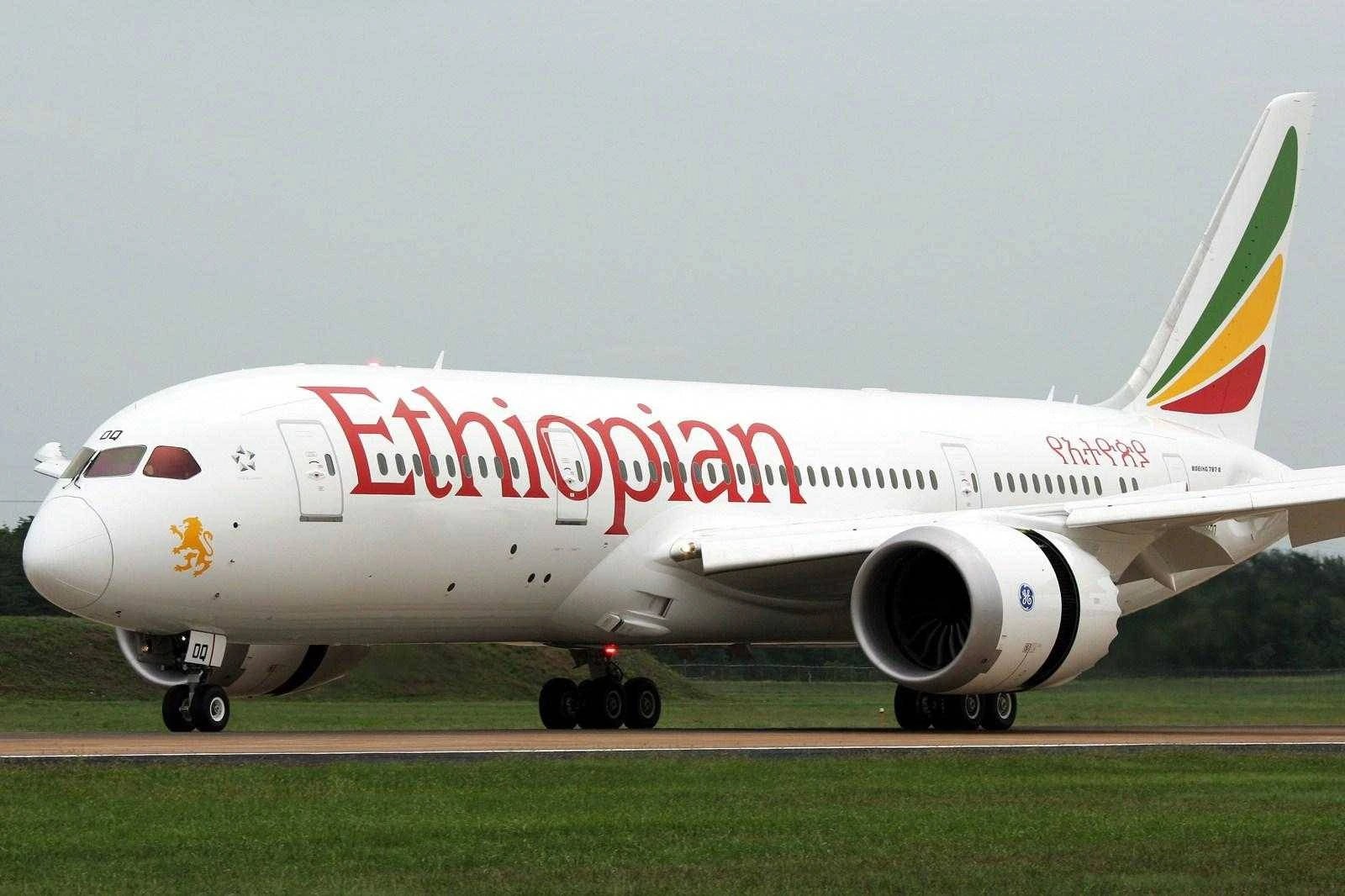
Ethiopian Airlines Group is Ethiopia’s best-known company and a core holding of EIH. On 30 September 2026 it signed a Boeing deal for eight 777-8F and two 777F freighters.
Group Chief Executive Mesfin Tasew said the deal strengthens the airline’s cargo business. The airline says it already flies twelve 777 freighters, two 767 freighters and four 737-8 freighters.
The airline says it serves more than 160 passenger and cargo destinations on five continents. It also says Skytrax has named it Best Airline in Africa nine years in a row.
On 10 January 2026 construction began on Bishoftu International Airport, about 40 kilometres from Addis Ababa. The airline expects the first phase, worth about US$12.5 billion, to finish by 2030 and handle 60 million passengers a year.
Banks, Telecom and the Stock Exchange
The Commercial Bank of Ethiopia (CBE), the oldest and largest commercial bank, is owned by the state. EIH’s website says it holds the country’s largest assets, deposits and branch network, with more than 42 million customers.
Private banks such as Awash Bank, Abay Bank and Bank of Abyssinia all listed their shares on the exchange in 2026. The central bank supervises 32 banks in total.
The Ethiopian Securities Exchange (ESX) is the country’s new stock market, and seven companies are now listed on it. Wegagen Bank was the earliest, on 10 January 2025, and Sidama Bank the latest, on 28 September 2026.
- Ethio Telecom, the state-owned telecom operator, listed on the ESX on 26 May 2026 under the ticker TELE.
- Awash Bank listed on 23 April 2026, Abay Bank on 25 June 2026 and Bank of Abyssinia on 28 July 2026.
- Gadaa Bank and Wegagen Bank are the other listed banks, alongside Sidama Bank.
Foreign Investors and Money From Abroad
The state dominates the Ethiopia economy, but foreign money matters. The biggest foreign name is Nigerian industrialist Aliko Dangote, whose group is building a US$2.5 billion urea plant in Gode with EIH.
EIH’s news page says the plant is planned to make three million tonnes of urea a year. Urea is a fertiliser that farmers spread on crops.
In October 2026 EIH announced a US$660 million pipeline, 120 kilometres long, from Damerjog in Djibouti to Dewele in Ethiopia. The Dangote Group is a partner, and EIH expects the work to take two years.
Foreign direct investment, meaning money from abroad put into businesses, reached US$3.8 billion in 2025. Remittances, meaning money sent home by Ethiopians abroad, were US$7.1 billion in 2024.
The New Gold Refinery
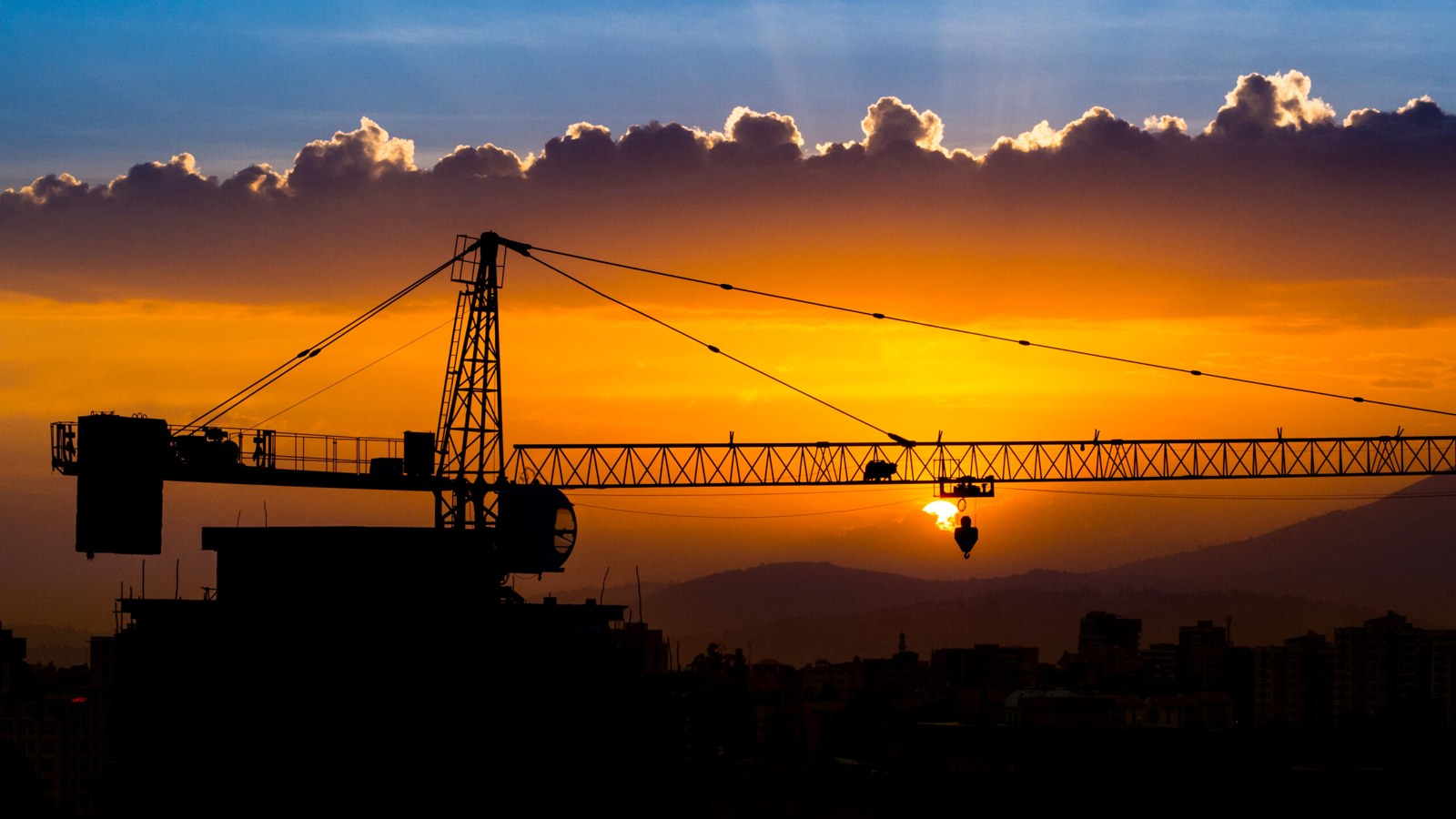
In October 2026 Prime Minister Abiy Ahmed inaugurated a gold and silver refinery at the Bole Lemi Special Economic Zone. It is a partnership between EIH and Sam Precious Metals, in a project worth more than US$50 million.
The plant can process more than 600 tonnes of precious metals a year. It is meant to handle domestic gold and supplies from neighbouring countries.
That capacity is far above Ethiopia’s own gold output, so the plant will need metal from its neighbours. Our Ethiopia section follows how the project develops.
What Prediction Markets Say
Polymarket, a real-money betting platform, puts the chance that Prime Minister Abiy Ahmed leaves office in 2026 at 3.3 percent. That price was set at 10:09 a.m. ET on 29 October, and about US$13,090 has traded.
A low price means traders see little risk of a sudden change at the top. Investors in Ethiopian assets watch it because the prime minister’s decisions shape every sector in this guide.
Why we show this: prediction markets turn real-money bets into a live probability that moves within minutes of the news, which is why investors, campaigns and newsrooms in the United States now follow them closely. We show them next to polls and official results, never instead of them.
What It Means for US Readers
Most US contact with the Ethiopia economy runs through Ethiopian Airlines. It announced in March 2026 that it would resume direct flights between Addis Ababa and Atlanta from 21 May 2026.
The listed shares trade on the exchange in Addis Ababa, and US travellers should check current State Department advice before booking. For businesses, the key counterparties are EIH, the central bank and the finance ministry.
What Is Not Known
Debt Justice says the bondholders also get the right to buy a new Ethiopian Eurobond paying 8.5 to 9 percent. If Ethiopia does not issue it, the country owes a fee that is capped at US$90 million but not yet set.
The refinery’s real throughput will only show up in future official trade data. The same goes for how much gold from neighbouring countries ever reaches it.
Frequently Asked Questions
How big is the Ethiopia economy?
It was US$126.4 billion in 2025, with about 135 million people, or US$933 per person. In dollar terms it was smaller than in 2024, when it reached US$149.7 billion.
Who owns Ethiopia’s biggest companies?
The government does, through Ethiopian Investment Holdings. The fund lists 40 companies, including Ethiopian Airlines Group and Ethio Telecom.
Who runs Ethiopia’s central bank?
Eyob Tekalign Tolina is governor of the National Bank of Ethiopia, according to the bank’s website. Its policy rate stands at 16 percent.
Is there a stock market in Ethiopia?
Yes. The Ethiopian Securities Exchange lists seven companies: six banks and Ethio Telecom, which joined on 26 May 2026.
How big is Ethiopian Airlines’ cargo fleet?
The airline says it flies twelve 777 freighters, two 767 freighters and four 737-8 freighters. On 30 September 2026 it signed for eight more 777-8F and two more 777F freighters.
What did Ethiopia agree with its bondholders?
Debt Justice says bondholders accepted a 12 percent cut in principal, to US$880 million, with interest at 6.15 percent. Debt Justice commented on the deal on 29 June 2026.
Sources: World Bank, World Development Indicators for Ethiopia (GDP, population, growth, inflation, investment, remittances, farm share), 2026-10-08; Ethiopian Investment Holdings, website: portfolio, board and press releases (4 August and October 2026), 2026-10-16; National Bank of Ethiopia, homepage (policy rate, Treasury bill yield) and governance page, 2026-10-29; Ethiopian Securities Exchange, list of listed companies, 2026-10-29; Ethiopian Airlines Group, press releases of 10 January, 17 March and 30 September 2026, 2026-09-30; International Monetary Fund, press release on the Ethiopia Extended Credit Facility, 29 July 2024, 2024-07-29; Debt Justice, statement on Ethiopia’s bondholder deal, 29 June 2026, 2026-06-29.
This article was produced by The Rio Times’ automated newsroom system. How we use AI · Report an error · Editorial responsibility: Matthias Camenzind, Editor-in-Chief
Expat Guide to Ethiopia
What The Rio Times publishes for foreigners who live in or move to Ethiopia.
Start here
- Ethiopia Golden Visa Explained: Fees for Americans in US$
- Safaricom's M-Pesa Enters Ethiopia as Wave Secures a West African Bank Licence
City guides
Coming up in Ethiopia
- Great Ethiopian Run Returns to Addis Ababa 22 November 22 Nov
- Ethiopian Christmas 2027 Ends a 43-Day Fast 7 Jan
- Timkat 2027 in Addis Ababa Has No Tickets 18 Jan
Understand Ethiopia
Horn of Africa and the Red Sea
- Horn of Africa 2026: Why It Matters and Who Backs Whom
- Ethiopia’s Neighbors Explained, Ports, Eritrea, Somalia
- Eritrea Explained 2026, a Red Sea Country Guide
- Somalia Explained: Al-Shabaab, Somaliland, the Ports and the Fight Over a 2026 Vote
Brazil runoff date: Sunday, October 25, poll closing times and when results start · Brazil runoff polls: Flávio 51%, Lula 49% · Kalshi and Polymarket odds
Rotate for Best Experience
This report is optimized for landscape viewing. Rotate your phone for the full experience.
You've reached your free article limit
Subscribe to The Rio Times for unlimited access to our reporting from across Africa.
Keep reading for free
Your first article was on us. Register with your email address to read 6 free articles every month. You will also receive Africa Intelligence: African markets, politics and business, every weekday morning.
Expat Guide to Ethiopia
What The Rio Times publishes for foreigners who live in or move to Ethiopia.
Start here
- Ethiopia Golden Visa Explained: Fees for Americans in US$
- Safaricom's M-Pesa Enters Ethiopia as Wave Secures a West African Bank Licence
City guides
Coming up in Ethiopia
- Great Ethiopian Run Returns to Addis Ababa 22 November 22 Nov
- Ethiopian Christmas 2027 Ends a 43-Day Fast 7 Jan
- Timkat 2027 in Addis Ababa Has No Tickets 18 Jan
Understand Ethiopia