Democrats Win Senate by Flipping Seven Seats

Key Facts
- Result: Democrats won the Senate by taking seven seats from Republicans; at 2:35 a.m. Eastern Time (ET) they had 54 seats, Republicans 43.
- Before: Before the vote Republicans held 53 of the 100 seats and Democrats 47; the new Senate sits in January 2027.
- Open: Alaska, Mississippi and Nebraska are undecided; in Mississippi, Democrat Scott Colom leads by fewer than 30 votes.
- Prediction markets: Kalshi, a US-regulated exchange, settled Democratic Senate control at 99.9%; Polymarket gives Democratic leader Chuck Schumer 81% to be majority leader.
Published Wednesday, 4 November, 2:40 a.m. ET · Source: US state election results as projected by news organisations, Kalshi, Polymarket
Democrats won control of the US Senate on Tuesday night by taking seven seats from Republicans, including Texas, Kansas and South Carolina. News organisations projected the result at about 11:30 p.m. Eastern Time (ET).
From January 2027, that gives Democrats the power to block President Donald Trump’s nominees for judges, cabinet posts and ambassadors. Our House report covers the other chamber, and our live results page tracks every open race.
Seven Seats Changed Hands
Democrats took North Carolina, Ohio, Texas, South Carolina, Kansas, Iowa and Maine from Republicans. Before the vote Republicans held 53 of the 100 seats and Democrats 47, counting two independents who vote with them.
In Texas, James Talarico, a state representative, beat Ken Paxton, the state attorney general, by 53.9% to 44.2%. In North Carolina, Roy Cooper, a former governor, beat Michael Whatley, a former Republican National Committee chairman, by 58.7% to 39.1%.
In Ohio, Sherrod Brown, a former senator, beat Republican Senator Jon Husted. In Maine, Troy Jackson, a former president of the state Senate, beat Senator Susan Collins.
In Iowa, Josh Turek, a state representative, beat Congresswoman Ashley Hinson. In Kansas, Democrat Adam Hamilton beat Senator Roger Marshall, the first Democrat to win a Senate seat there since 1932.
Annie Andrews, a pediatrician, also won South Carolina’s seat, which Republicans had held. That completes the list of seven Democratic gains.
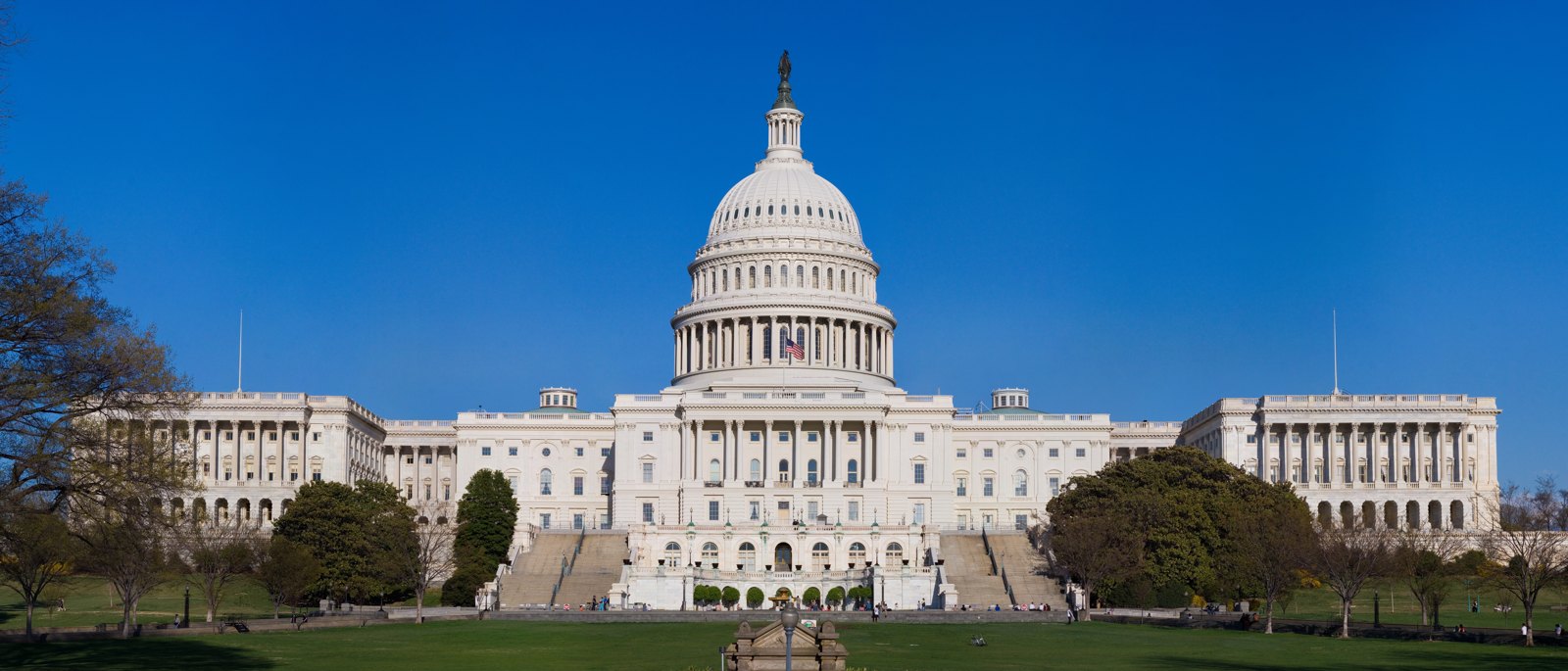
Three Races Are Still Open
Michigan, held until now by retiring Democrat Gary Peters, went to Democrat Abdul El-Sayed, who beat Republican Mike Rogers, a former congressman, by 52.0% to 46.0% with 85.1% counted. Several major news organisations projected the win, though a few had not yet done so.
In Mississippi, Democrat Scott Colom led Republican Senator Cindy Hyde-Smith by fewer than 30 votes, at 48.9% each, with 97.2% counted. About 28,000 votes were still to be counted.
In Alaska, Democrat Mary Peltola, a former congresswoman, had 48.3% to Republican Senator Dan Sullivan’s 48.1% with 54.1% counted. In Nebraska, Republican Senator Pete Ricketts led independent Dan Osborn, who runs without a party, 49.3% to 44.7% with 76% counted.
Democrats have 54 seats and Republicans 43, including Louisiana, where Julia Letlow, a congresswoman, won. The three open races decide the last three seats.
What a Democratic Senate Can Do
From January 2027 the Senate confirms judges, cabinet members and ambassadors by a simple majority. A Democratic majority can therefore block Mr Trump’s nominees.
Chuck Schumer of New York, the Democratic Senate leader, is expected to become majority leader, which lets him decide which bills reach the floor. Most bills still need 60 votes to end debate, a rule called the filibuster, so with 54 seats Democrats would need six Republican votes.
What Prediction Markets Say
Kalshi, a US exchange regulated by the Commodity Futures Trading Commission (CFTC), the federal derivatives regulator, closed its Senate control market at 11:46 p.m. ET and settled it for Democrats, with a last price of 99.9%. On Polymarket, another prediction exchange, traders priced Chuck Schumer at 81% to become majority leader at 2:25 a.m. ET, in a thinly traded market.
In Mississippi, Polymarket traders priced Colom at 75.5% and Hyde-Smith at 23.8% at 2:40 a.m. ET, with US$3.61 million traded. These prices are bets on a result, not polls.
Why we show this: prediction markets turn real-money bets into a live probability that moves within minutes of the news, which is why investors, campaigns and newsrooms in the United States now follow them closely. We show them next to polls and official results, never instead of them.
What It Means for You
If you follow US policy as an investor or traveller, expect fights over nominees and spending rather than quick new laws. The filibuster and Mr Trump’s veto limit what either side can pass.
If you live or do business in Latin America or Africa, the Senate confirms ambassadors and votes on treaties. See our reports on Brazil and Latin America and on Africa.
What Is Not Known
We do not yet know the results in Alaska, Mississippi and Nebraska. Late-counted ballots can move close races, and Mississippi is close enough that every vote matters.
Official results come from state election authorities, and very close races can go to recounts. The final Senate split is therefore not yet known.
Sources
The Rio Times US midterms live results · US Senate, the upper chamber of Congress · Polymarket · Kalshi
This article was produced by The Rio Times’ automated newsroom system. How we use AI · Report an error · Editorial responsibility: Matthias Camenzind, Editor-in-Chief
Frequently Asked Questions
Who controls the US Senate after the 2026 midterms?
Democrats won control by taking seven Republican seats, according to projections by news organisations. They have 54 seats against 43 for Republicans, with three races still open.
Which Senate races are still undecided?
At 2:35 a.m. ET, Alaska, Mississippi and Nebraska were undecided. In Mississippi, Democrat Scott Colom led Republican Senator Cindy Hyde-Smith by fewer than 30 votes.