Ethiopia Economy Battles 161 Birr Dollar as IMF Lifeline Grows
Economy · Ethiopia
Key Facts
- —The stakes The birr has lost over half its value since the July 2024 float, hurting households, importers, and the state.
- —The date On 3 September 2026, the birr traded at 161.05 per dollar, down 12.59% in a year.
- —The policy anchor A 48-month International Monetary Fund (IMF) facility of about US$3.4 billion now has about US$2.65 billion disbursed after the fifth review.
- —The price pressure Inflation hit 15.3% in July 2026, up from 13.9% and from a 9.7% low in December 2025.
- —The catch Despite reforms, dollar shortages persist, with independent forex bureaus quoting rates well above the official one.
Ethiopia’s reform gamble slowed the currency’s fall after an initial 30% shock, but the birr has not truly stabilized. Official and parallel rates still differ, and inflation is rising again.
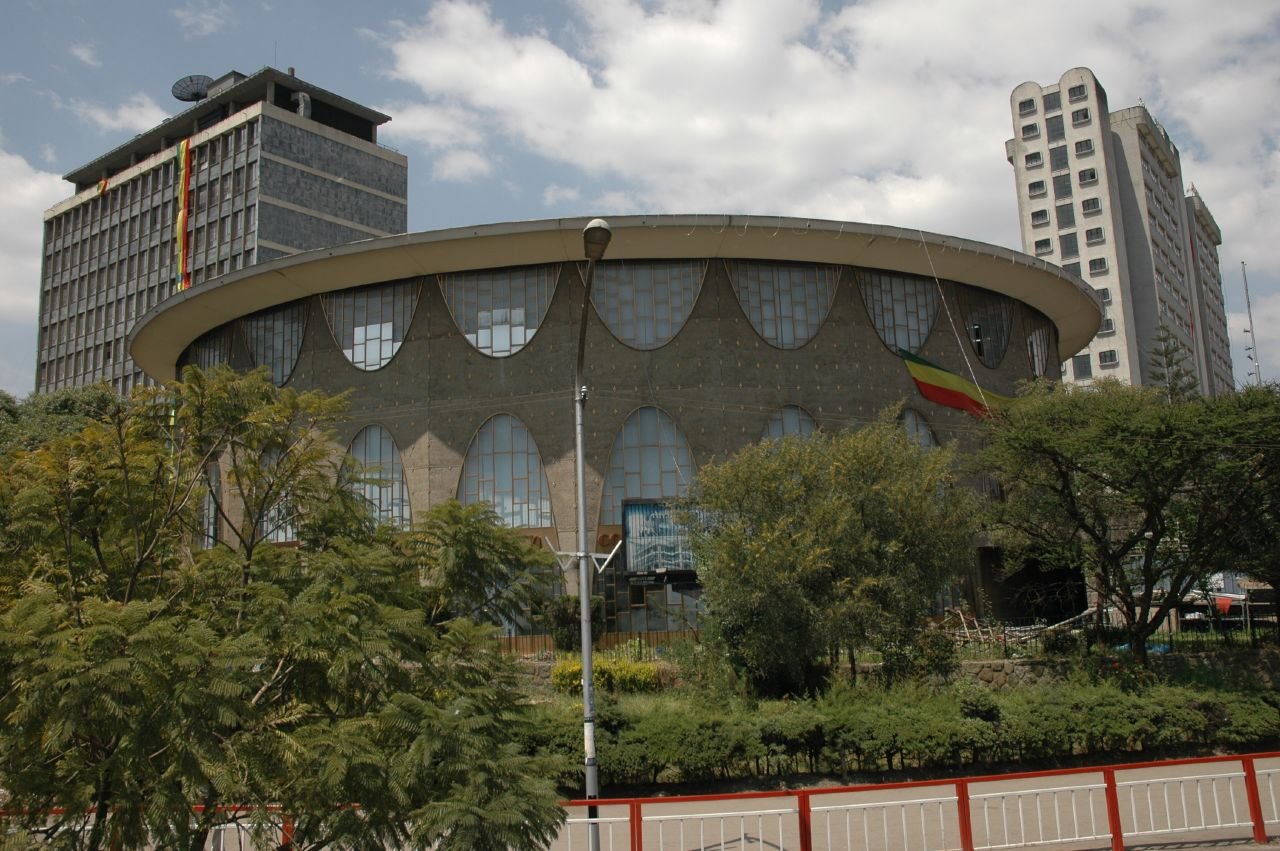
The IMF-backed plan is a race between trust and higher import prices.
The float that began with a 30% plunge
Ethiopia floated the birr and announced a market-based exchange-rate regime on 29 July 2024. The move accompanied approval of a four-year IMF facility.
On announcement day the currency fell about 30%, to 74.73 birr per US dollar from 57.48 birr per dollar only days earlier. The data came from the Commercial Bank of Ethiopia.
Before the float the birr traded at about 57 per US dollar. Within three months it had crossed 100 per dollar.
By late 2025 the birr had fallen beyond 150 per US dollar. That represented a depreciation of more than 165% over roughly 15 months from pre-float levels.
The float was part of the Homegrown Economic Reform Agenda. Officials aimed to correct macroeconomic imbalances and shift toward private sector-led growth.
Exchange-rate crawl into 2026
As of January 2026, banks sold dollars at close to 151 birr per US dollar in the official market. The parallel market rate had reached above 180 birr per dollar.
A UNDP quarterly profile noted that the gap between official and parallel markets persisted even after reforms. Ethiopia’s experience was compared to Nigeria and Sri Lanka.
A record-sized central bank foreign-exchange auction on 27 January 2026 briefly shifted wholesale dynamics. The auction did not lead to broad price discovery in cash markets.
By August 2026, independent foreign-exchange bureaus were quoting selling rates near 177 birr per dollar. That gap over the official rate had narrowed since January but had not closed.
By 3 September 2026, the official USD/ETB exchange rate reached 161.05 birr per US dollar. That marked a 12.59% depreciation over the previous 12 months.
Inflation: single digits were brief
Tighter monetary policy and credit caps helped bring headline inflation down to 9.7% by December 2025. Selected commodities still saw steep price hikes.
That single-digit reprieve ended quickly. Headline inflation climbed to 11.7% in April 2026, up from 9.4% in March 2026.
Food inflation reached 13.5% in April 2026. This renewed pressure on household budgets.
Local reports noted that inflation tends to accelerate once the exchange rate crosses 100 birr per dollar. By mid-2026 that threshold was far behind.
The inflation rate hit 15.3% in July 2026, up from 13.9% previously. The renewed rise reversed the late-2025 gains.
The IMF programme and its cash lifeline
The IMF Executive Board approved an Extended Credit Facility, or ECF, arrangement for Ethiopia on 29 July 2024. An ECF is an IMF loan for low-income countries facing balance-of-payments problems.
The facility was for SDR 2.556 billion, about US$3.4 billion at the time, and represented 850% of Ethiopia’s IMF quota. The arrangement runs for 48 months.
The fourth review was completed on 16 January 2026. Ethiopia drew SDR 191.7 million, about US$261 million.
After that disbursement, total IMF financing under the programme reached about US$2.183 billion.
The fifth review was completed on 1 July 2026, releasing a further US$464 million. Cumulative disbursements under the ECF then reached about US$2.65 billion.
Debt treatment, official and private
Ethiopia defaulted on its debt in 2023 and has since pursued treatment on two separate tracks: official creditors and private bondholders.
A July 2025 agreement with the Official Creditor Committee restructured US$8.4 billion of official debt. Earlier deals with France and China were completed by April 2026.
That track was expected to free over US$3.5 billion in fiscal space for public investment through 2028.
Talks with holders of Ethiopia’s defaulted US$1 billion Eurobond collapsed in May 2026. A preliminary deal followed the next month.
Official creditors approved that private-creditor deal in August 2026. Terms include a 15% cut to the bond’s face value and a new bond maturing in 2029.
External public debt stood at US$28.9 billion in 2024, and IMF documents cite comprehensive debt treatment as a core programme objective.
Reconstruction and reserve pressure
Post-Tigray reconstruction remains a demand on public finances, though no verified spending total is available for this piece.
Reconstruction imports add to Ethiopia’s dollar demand, alongside the fiscal space freed by debt relief.
IMF documents described late-2025 and early-2026 outcomes as strong growth, exports, revenue mobilisation and reserve accumulation, alongside declining inflation.
A tight monetary stance was judged appropriate to anchor inflation expectations, though it has not fully halted price rises.
Foreign exchange shortages persist
Central bank auctions in early 2026 did not produce broad price discovery in cash markets. Commercial bank rates stayed clustered tightly around regulator-set spreads.
A 2% cash spread limited selling rates to about three birr above buying rates through most of early 2026.
The gap between official and parallel markets persisted well over a year after the float, undermining the reform’s transparency goal.
Foreign exchange market functioning and transparency are explicit objectives of the ECF programme; progress so far looks only partial.
Telecom, banking and the dam
Telecom and banking liberalisation, opening those sectors to foreign investors, are part of Ethiopia’s wider reform agenda meant to support private-sector growth.
The National Bank of Ethiopia, known as the NBE, regulates commercial banks. It set the 2% cash spread cited above.
The Grand Ethiopian Renaissance Dam, a hydropower project known as GERD, remains part of Ethiopia’s energy strategy. It is not financed by the IMF programme.
No verified 2026 generation or export-revenue figures for the dam are available for this piece, so none are cited.
Central bank’s tight grip
The National Bank of Ethiopia kept commercial bank dollar rates within a narrow band in early 2026. Buying rates moved by only fractions of a birr week to week.
The Commercial Bank of Ethiopia held its buying rate near 151.60 birr for nearly four weeks in January 2026.
The tight grip signalled official caution about a disorderly slide. The September 2026 rate of 161.05 birr shows depreciation continued regardless.
More: Ethiopia news in English, every day from The Rio Times.
Growth, exports and the credibility test
Economic growth was estimated at 9.2% in fiscal year 2024/25, according to IMF review materials.
IMF documents cite strong exports and revenue mobilisation as reform outcomes, though those gains have not eliminated the parallel market premium.
External public debt of US$28.9 billion in 2024 left Ethiopia vulnerable to currency moves. A weaker birr raises the local-currency cost of dollar debt repayments.
The fifth review’s completion on 1 July 2026 freed about US$464 million more. The staff-level agreement behind it had been reached on 3 June 2026.
Ethiopia’s exchange-rate experiment is now more than two years old. The birr has gone from 57 to 161 per dollar without converging official and parallel rates.
Connected Coverage
An Ethiopian Rewrote the Half-Marathon Record in Buenos Aires
China’s Zijin Took 9.2% of the Miner Building Ethiopia’s Kurmuk
Chinese Builders Are on Every Package of Ethiopia’s New Airport
The Big Picture
More from the Ethiopia section
More Africa news: Nigeria | South Africa | Kenya | Egypt | Ghana | Morocco | DR Congo | Angola | Ethiopia | Tanzania
Latest developments
- Ethiopia Drones Hit Eritreans on 8 October, ACLED Says — 10 October 2026
- Minnesota Leaders Rebuke Trump’s 8 October Somali Post — 10 October 2026
- Tanzania GDP Rebasing Puts Economy at US$96 Billion — 10 October 2026
- Kenya Says 84 Citizens Dead or Missing in Russia’s War — 10 October 2026
This article was produced by The Rio Times’ automated newsroom system. How we use AI · Report an error · Editorial responsibility: Matthias Camenzind, Editor-in-Chief
LatAm Markets: Live Signals → — real-time movers, turnover leaders and FX across Latin America.
Expat Guide to Ethiopia
What The Rio Times publishes for foreigners who live in or move to Ethiopia.
Start here
Coming up in Ethiopia
Understand Ethiopia
Horn of Africa and the Red Sea
- Horn of Africa 2026: Why It Matters and Who Backs Whom
- Ethiopia’s Neighbors Explained, Ports, Eritrea, Somalia
- Eritrea Explained 2026, a Red Sea Country Guide
- Somalia Explained: Al-Shabaab, Somaliland, the Ports and the Fight Over a 2026 Vote