Cuba Neighbours Explained, the Island in the Caribbean

CUBA · REGIONAL RELATIONS
Key Facts
- —What it is Cuba has no conventional land border with another sovereign state, only the disputed US naval base at Guantánamo Bay and extensive maritime boundaries with Caribbean neighbours.
- —Why it matters Cuba’s geography places it across the Florida Straits, Windward Passage and Yucatán Channel, making it central to Caribbean shipping, migration and maritime security.
- —The numbers
- —The catch The United States embargo restricts Cuba’s access to fuel, finance, shipping and insurance, while CARICOM states avoid choosing between Havana and Washington.
- —Who is who As of October 2026, Miguel Díaz-Canel Bermúdez is President of Cuba and Manuel Marrero Cruz is Prime Minister.
- —What it means for you A foreigner doing business, travelling or investing in Cuba must navigate US sanctions, Cuban currency rules and a neighbourhood where politics and logistics are inseparable.
Cuba neighbours shape nearly every aspect of life on the island, from fuel supplies and food imports to migration routes and diplomatic alliances. Understanding these relationships explains why Cuba is both central to the Caribbean and economically isolated within it.
Cuba is the largest island state in the Caribbean, sitting at the crossroads of the Gulf of Mexico, the Atlantic Ocean and the Caribbean Sea. This guide explains who Cuba’s neighbours are, how those relationships work, and what they mean for foreigners, investors and curious readers in 2026.
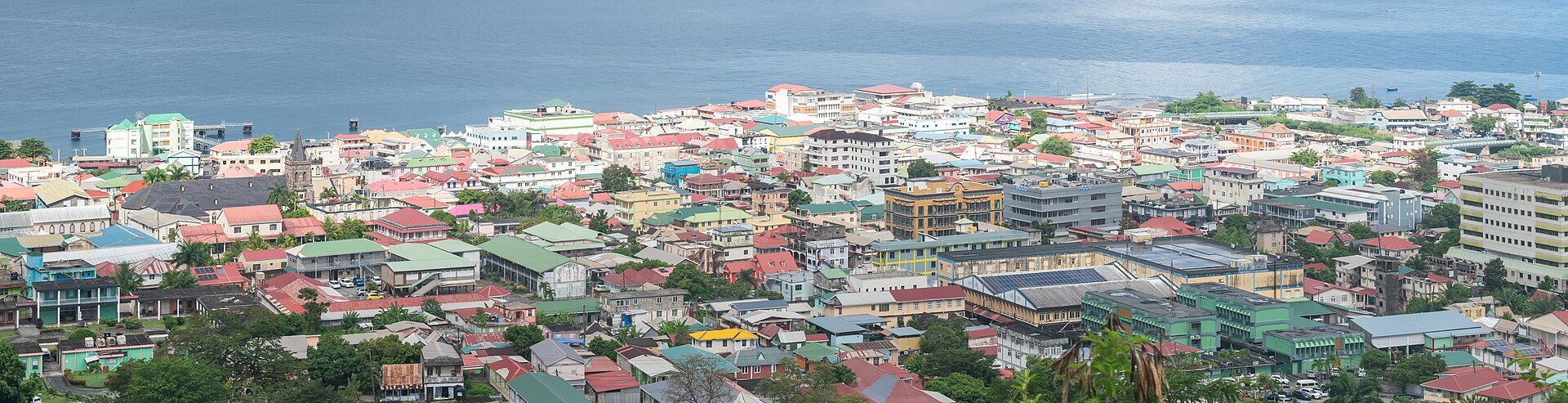
Cuba’s Geographic Neighbourhood
Cuba’s only internationally recognised land border is the territory occupied by the United States Naval Station at Guantánamo Bay, which Cuba considers illegally occupied. The island has no conventional land border with another sovereign state. Its real neighbourhood is maritime, defined by sea lanes and straits rather than shared frontiers.
To the north and northeast lies the Bahamas. Haiti sits east across the Windward Passage. Jamaica lies southeast across the Caribbean Sea. The Cayman Islands, a British Overseas Territory, are to the south. Mexico is west across the Yucatán Channel. The United States lies north and northwest across the Florida Straits and around Guantánamo Bay. The Dominican Republic sits southeast beyond Jamaica and Haiti.
Cuba’s position gives it influence over several important maritime corridors: the Florida Straits, the Old Bahama Channel, the Windward Passage and routes linking the Gulf of Mexico with the Atlantic and Caribbean. That geography makes Cuba relevant to shipping, migration, fisheries, energy security, disaster response and maritime security even when bilateral political relations are poor.
The United States: Cuba’s Defining Rivalry
Cuba’s most consequential regional relationship remains its rivalry with the United States. The two countries restored diplomatic relations in 2015, but relations deteriorated again after the US administration of President Donald J. Trump tightened sanctions and travel restrictions. The Biden administration made limited adjustments, including restoring some consular functions and easing selected family-remittance and travel measures, but the core US embargo remained.
As of October 2026, the United States continues to maintain broad economic sanctions against Cuba. The US government’s Cuba policy is administered principally through the Department of the Treasury’s Office of Foreign Assets Control, while the State Department manages diplomatic and consular policy. The US position remains that Cuba’s political system, human-rights record and security relationships justify continued pressure. Cuba and most Caribbean governments reject that rationale and describe the embargo as a unilateral coercive measure.
The regional consequences are wider than the bilateral dispute. Restrictions complicate Cuba’s access to fuel, finance, shipping, insurance and spare parts. Caribbean governments are concerned that worsening shortages could increase irregular migration. CARICOM has repeatedly argued that the embargo harms ordinary Cubans and affects Caribbean nationals studying and living in Cuba. Regional governments generally seek to avoid choosing between Cuba and the United States because they depend economically and strategically on both.
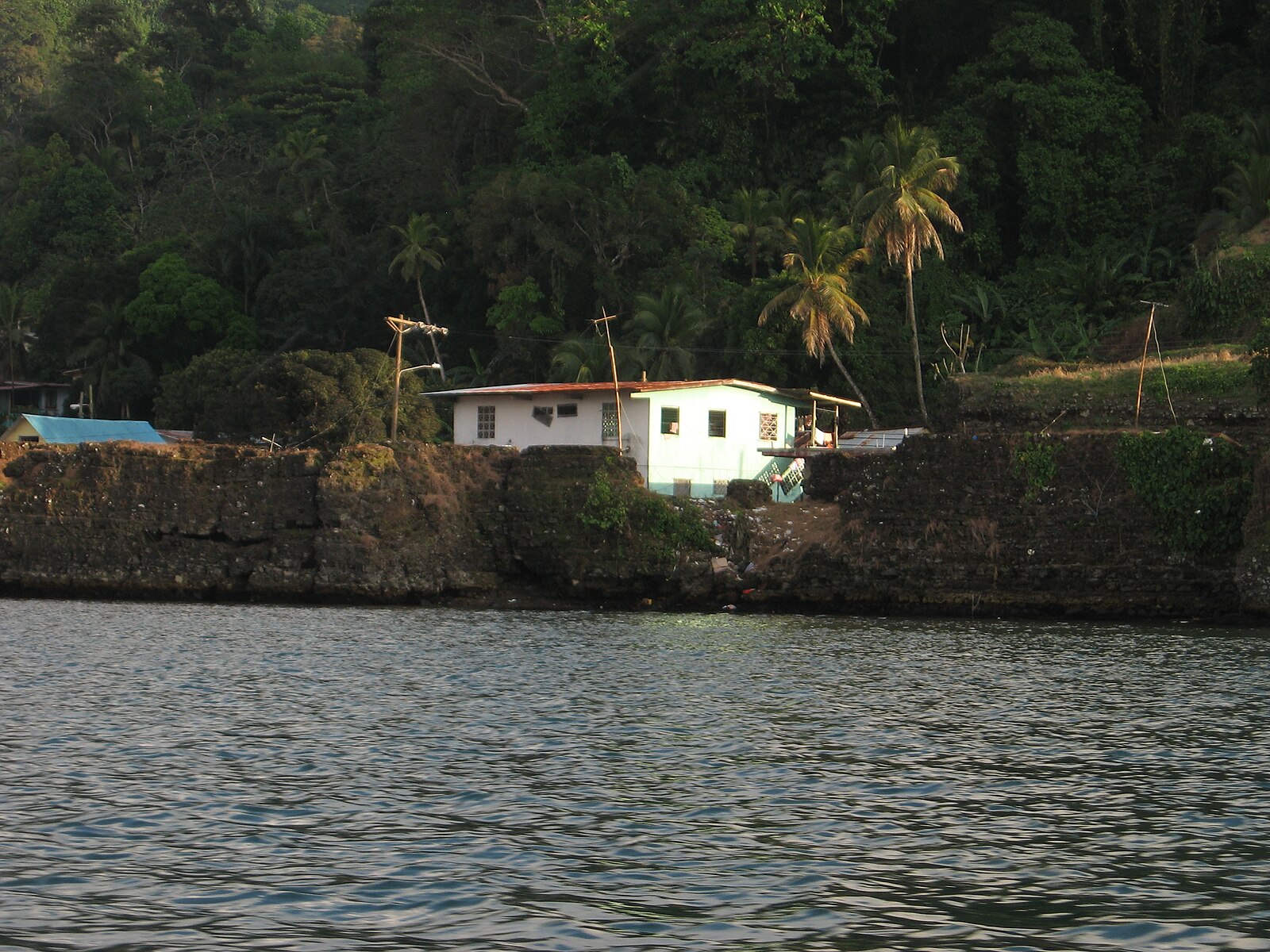
CARICOM and Cuba: A Political Friendship with Practical Limits
Cuba is not a CARICOM member, but its relationship with the bloc is one of the Caribbean’s most durable diplomatic partnerships. Diplomatic relations between Cuba and the four independent CARICOM states of Barbados, Guyana, Jamaica and Trinidad and Tobago began on 8 December 1972. CARICOM describes that decision as a landmark act of regional independence during the Cold War. By 2025, all CARICOM member states had established diplomatic relations with Cuba.
The relationship is institutionalised through CARICOM–Cuba summits, ministerial meetings, cooperation in health, education, agriculture, disaster response and sports, Cuban scholarships and medical training, and diplomatic coordination over the US embargo and the principle of non-intervention.
The relationship became more operational in 2026 as Cuba’s economic and energy crisis worsened. CARICOM governments decided to prepare humanitarian support, including powdered milk and baby formula, beans, wheat flour, rice and canned goods, medical supplies, solar panels and batteries, and water tanks. The CARICOM Secretariat said the goods would be purchased on behalf of member states and shipped to Cuba. Mexico identified suppliers and offered free shipment from Mexico to Cuba.
In May 2026, CARICOM’s Council for Foreign and Community Relations, known as COFCOR, expressed concern over what it called intensifying economic, commercial and financial measures against Cuba. It specifically affirmed Cuba’s right to import and receive fuel and warned that possible military aggression against Cuba would destabilise the wider Caribbean. The 2014 CELAC Proclamation of Latin America and the Caribbean as a Zone of Peace was adopted in Havana, and CARICOM–Cuba declarations subsequently reaffirmed it, including the Fifth Summit’s 2014 Havana Declaration and the Seventh Summit’s 2020 final declaration.
Current CARICOM officeholders relevant to Cuba
The principal officeholders identified in the official 2026 CARICOM material are Dr Carla Barnett, Secretary-General of CARICOM; Dr Terrance Drew, Prime Minister of Saint Kitts and Nevis and Chairman of CARICOM at the February 2026 heads-of-government meeting; and Melvin Bouva, Minister of Foreign Affairs, International Business and International Cooperation of Suriname, who chaired the May 2026 COFCOR meeting. Because chairs rotate, the officeholder should be checked against the date of publication whenever the article is updated.
Mexico: A Practical Partner and Logistical Bridge
Mexico is one of Cuba’s most important regional partners because of geographic proximity, political solidarity and its capacity to supply food, fuel, medicines and transport services. The humanitarian arrangement announced by CARICOM in 2026 illustrates Mexico’s role. Mexico helped identify suppliers and committed to free maritime shipment of CARICOM-purchased aid from Mexico to Cuba.
Mexico has also maintained a more independent Cuba policy than Washington. Mexican governments have generally supported diplomatic engagement, opposed the US embargo at the United Nations and provided assistance during Cuban crises. For Cuba, Mexico is a nearby source of imports and a potential logistics hub; for Mexico, Cuba is relevant to Gulf and Caribbean security, migration management, public health and regional diplomacy.
The bilateral relationship is not without constraints. Mexico’s capacity to provide energy or credit is limited by its own fiscal, infrastructure and supply pressures. Trade between the two countries is also affected by Cuba’s shortage of foreign exchange and difficulties in making international payments.
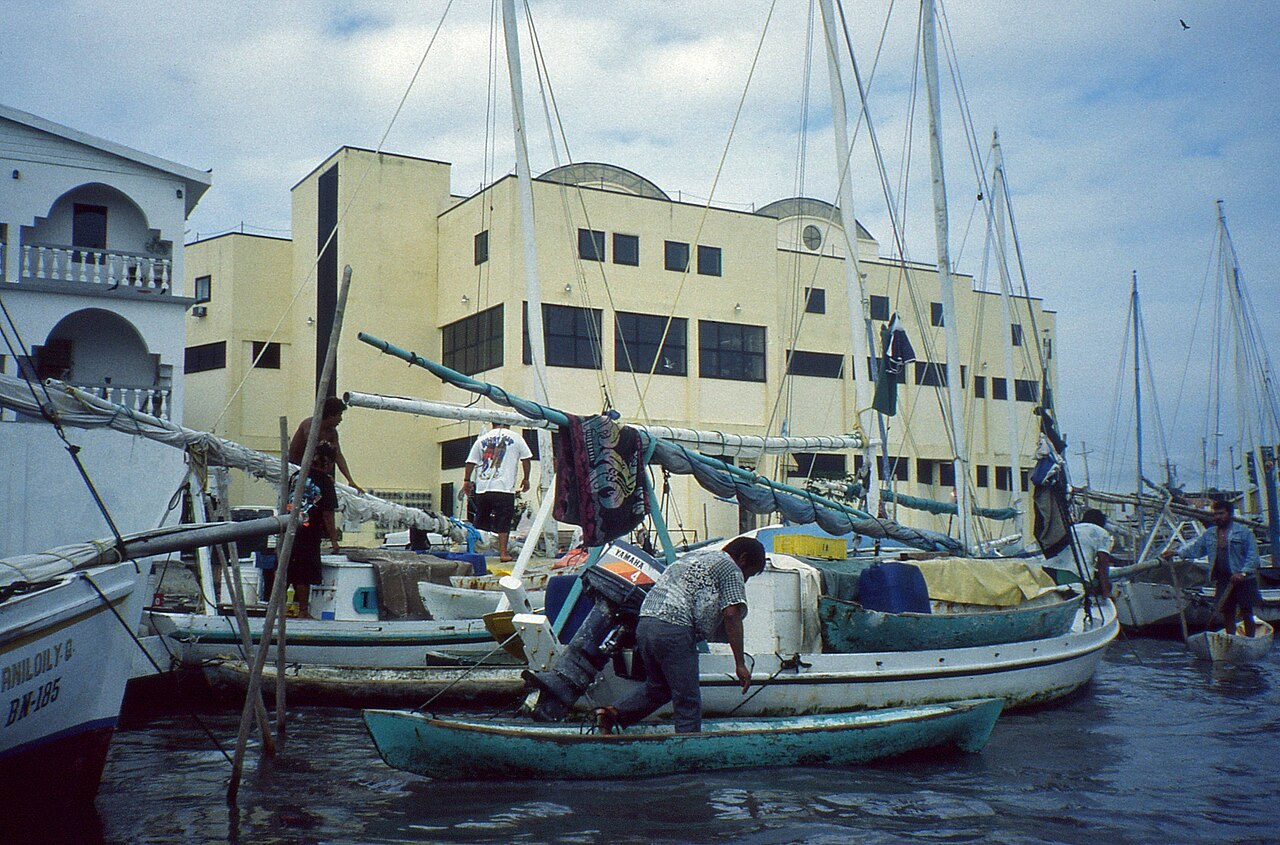
The Bahamas, Haiti and Jamaica: Proximity, Migration and Maritime Security
The Bahamas
The Bahamas is Cuba’s nearest English-speaking neighbour in the northwestern Caribbean. The two countries share maritime space around the Old Bahama Channel and the broader Bahamian-Cuban archipelago. The relationship is shaped by maritime boundaries and fisheries, irregular migration, search and rescue, drug trafficking and transnational crime, shipping and tourism.
The Bahamas is also a destination and transit point for Cuban migrants attempting to reach the United States. Its coast guard and immigration authorities have periodically intercepted Cuban nationals at sea. The country’s proximity means that deterioration in Cuba’s food, fuel or employment conditions can have immediate effects on maritime movement.
Haiti
Haiti and Cuba are linked by the Windward Passage, one of the principal maritime routes between the Atlantic and Caribbean. Haiti has long been an important destination for Cuban medical cooperation. Cuban doctors and health professionals have worked in Haiti, including after natural disasters and during public-health emergencies.
The relationship is asymmetric. Haiti has limited capacity to export to Cuba, while Cuba’s principal contribution has been technical and humanitarian rather than commercial. Cooperation has been constrained by Haiti’s security crisis, weak transport links and limited public finances. The Haiti–Cuba relationship also sits within a wider migration system involving the Dominican Republic, maritime routes and onward movement toward the United States.
Jamaica
Jamaica was one of the four CARICOM states that established relations with Cuba in 1972. The two countries cooperate in health, education, culture, tourism, agriculture and disaster response. Jamaica’s geographic position between Cuba and the eastern Caribbean gives it importance for maritime transport and aviation links. It is also a major English-speaking market close to Cuba, although bilateral trade remains modest compared with the scale of political contact. The relationship has periodically been affected by domestic political differences, but Cuba is generally treated in Jamaica as a sovereign Caribbean partner rather than a security threat.
The Dominican Republic and Puerto Rico
The Dominican Republic and Cuba share the broader northern Caribbean but have not developed relations comparable to Cuba’s ties with CARICOM. The Dominican Republic is one of the Caribbean’s largest economies and a major logistics, tourism and free-zone centre. Its proximity to Cuba creates potential for air and maritime transport, food and consumer-goods trade, tourism, banking and logistics, and migration cooperation.
Cuba’s limited foreign-exchange liquidity and US sanctions reduce the scale of these opportunities. Dominican firms also operate in a regional environment in which transactions involving Cuba can create compliance and financing complications. Puerto Rico, a US territory, is geographically close to Cuba but cannot conduct fully independent foreign policy. Its relationship with Cuba is therefore mediated by US federal sanctions. The proximity is nevertheless relevant to hurricanes, marine ecology, migration routes and emergency planning.
Borders and Maritime Boundaries
Cuba’s principal border issues are maritime rather than terrestrial. The country has maritime delimitation agreements or arrangements with several nearby states, including the United States, Mexico, the Bahamas, Haiti, Jamaica and Honduras. The most politically sensitive territorial issue remains Guantánamo Bay. Under the 1903 lease arrangements, the United States operates a naval base there. Cuba disputes the legitimacy of the arrangement and has refused to recognise the base as a normal bilateral border.
For investors and transport operators, maritime boundary questions affect offshore exploration, fisheries, submarine cables, shipping routes, search-and-rescue responsibilities and environmental protection. Cuba has offshore oil and gas prospects, but development has been limited by financing, technology access, sanctions and weak domestic infrastructure.
Shared Rivers: Little Cross-Border River Politics
Unlike much of mainland Latin America, Cuba does not share major international rivers with sovereign neighbours. Its rivers are entirely domestic. This means that Cuba’s regional water politics focus less on transboundary river management and more on drought, hurricanes and floods, coastal erosion, groundwater, desalination, agricultural irrigation and water-treatment infrastructure.
Cuba’s water and sanitation systems are under pressure from aging infrastructure, electricity shortages and lack of imported equipment. These problems have regional implications because CARICOM’s humanitarian package in 2026 included water tanks, solar equipment and batteries. The absence of shared rivers does not mean the absence of shared environmental issues. Cuba and its neighbours share the Caribbean Sea and Gulf of Mexico marine ecosystems, migratory fish stocks, coral reefs, hurricane systems, marine pollution, invasive species, and coastal and climate risks.
Energy and Infrastructure
Energy is Cuba’s most urgent regional vulnerability. The country relies heavily on imported fuel, while its power plants and distribution networks are aging. Fuel shortages have produced blackouts, disrupted transport and reduced industrial output. CARICOM’s 2026 humanitarian package included solar panels and batteries precisely because electricity generation is unreliable.
Cuba’s energy crisis has regional spillovers. Blackouts affect hospitals, water pumping and food storage, which in turn can push more people to migrate. Caribbean governments watch Cuba’s fuel imports closely because a severe collapse could send larger numbers of Cubans onto the sea. The COFCOR statement in May 2026 specifically affirmed Cuba’s right to import and receive fuel, signalling that Caribbean states see energy access as a stability issue for the whole region.
Cuba’s Government and Institutions in 2026
As of 4 October 2026, Cuba’s head of state is Miguel Díaz-Canel Bermúdez, and its head of government is Manuel Marrero Cruz. The official Cuban Presidency lists the current Council of Ministers. Bruno Eduardo Rodríguez Parrilla is Minister of Foreign Affairs, and Juan Carlos García Granda is Minister of Tourism.
Currency and Exchange-Rate Rules
Cuba’s currency is the Cuban peso (CUP). The official tourism portal states that foreign currencies may be exchanged at airports, banks, hotels, CADECA exchange offices and shopping centres, subject to the applicable current rate. It also states that the CUP is not valid or exchangeable outside Cuba. Cuban exchange rates are determined by the Central Bank of Cuba and published daily on the BCC website under the framework described in Resolution No. 126 of 2022.
What Cuba’s Neighbourhood Means for Foreigners
For a foreigner, Cuba’s neighbourhood is not an abstraction. It determines which airlines fly to Havana, which banks will process a payment, which insurers will cover a shipment, and which ports can receive cargo. The US embargo means that many international companies avoid Cuba entirely, even when their home governments have normal relations with Havana. Caribbean and Mexican firms often step into the gaps, but they face their own compliance and financing constraints.
Travellers should complete the online D’Viajeros Health and Travel Declaration Form before arrival and present the resulting QR code to Cuban immigration authorities.
That collapse reflects fuel shortages, power cuts, reduced flight connectivity and the broader economic crisis. For investors, the message is clear: Cuba’s neighbourhood offers opportunity, but only for those willing to navigate sanctions, currency risk and infrastructure gaps.
What to Watch
The floating exchange rate published daily by the Banco Central de Cuba is another indicator to watch, as it reflects the real pressure on Cuban households and businesses.
Migration flows from Cuba to the Bahamas, Mexico and the United States will remain a barometer of domestic conditions. Any further tightening of US sanctions, or any relaxation, will ripple through the Caribbean immediately. And the humanitarian aid shipped via Mexico in 2026 may become a recurring pattern if Cuba’s energy and food situation does not stabilise.
Related reading: Moving to Puerto Rico 2026 Step by Step; Saint Kitts and Nevis Explained 2026; Cardi B Headlines BZR WKND in Kingston on 18 October; more from Caribbean.
Frequently Asked Questions
Does Cuba share a land border with any country?
Cuba has no conventional land border with another sovereign state. Its only internationally recognised land border is the territory occupied by the United States Naval Station at Guantánamo Bay, which Cuba considers illegally occupied.
Is Cuba a member of CARICOM?
No, Cuba is not a CARICOM member, but it maintains close diplomatic and practical cooperation with the bloc. Diplomatic relations with the first four CARICOM states began on 8 December 1972, and by 2025 all CARICOM member states had established relations with Cuba.
Which countries are Cuba’s closest neighbours?
The Bahamas lies north and northeast, Haiti east across the Windward Passage, Jamaica southeast, the Cayman Islands south, Mexico west across the Yucatán Channel, and the United States north and northwest across the Florida Straits.
What currency does Cuba use?
Cuba uses the Cuban peso (CUP), and the Central Bank of Cuba publishes daily exchange rates.
What humanitarian aid did CARICOM send to Cuba in 2026?
CARICOM governments prepared humanitarian support including powdered milk and baby formula, beans, wheat flour, rice and canned goods, medical supplies, solar panels and batteries, and water tanks. Mexico identified suppliers and offered free shipment from Mexico to Cuba.
Sources: caricom.org, caricom.org, caricom.org, caricom.org, caricom.org, caricom.org. Retrieved 4 October 2026.
This article was produced by The Rio Times’ automated newsroom system. How we use AI · Report an error · Editorial responsibility: Matthias Camenzind, Editor-in-Chief