
CUBA · PEOPLE AND DAILY LIFE
Key Facts
- —The basics Cuba people numbered 9.43 million at the end of 2025, and families get by on state salaries, a shrinking ration book, remittances and informal trade under a US embargo dating from 1962.
- —Why it matters Daily hardship drives emigration, with a net migration loss of 245,264 people in 2025, which feeds directly into US debates on migration, remittances, sanctions and travel to the island.
- —The numbers The average state salary was 6,930 pesos a month in 2025, about US$289 at the fixed 24-peso official rate but only about US$14 at the official rate introduced in December 2025, while formal inflation was 13.42% in March 2026.
- —Who is who Miguel Díaz-Canel is President and leader of the Communist Party of Cuba, the only legal party, while the US Treasury’s sanctions office enforces embargo rules for Americans as of October 2026.
- —What to watch Watch the grid’s daily blackout forecasts, how amended US Cuba sanctions rules published on 29 September 2026 are applied, and whether ration staples reach state shops on time.
- —Prediction markets Polymarket gives a 9.5% chance that Miguel Díaz-Canel is out as leader of Cuba by 31 December 2026 (14 October, 12:08 p.m. ET).
- —Power Index Cuba ranks 14th of 14 in The Rio Times Latin America Power Index, with 22.5 points (October 2026 edition).
- —What it means for you US visitors cannot go as tourists, US bank cards do not work, and outages can last 12 hours a day in Havana, so travel under an authorised category and carry cash and medicine.
Cuba people live with low state salaries, long blackouts and a shrinking ration book. This guide shows how ordinary families get by in 2026 and what US visitors should expect.
Cuba people, about 9.43 million at the end of 2025, live through a long economic crisis that touches every household. State salaries buy little, blackouts shape the day, and a US embargo dating from 1962 limits trade and travel.
For a US reader, the island matters because daily hardship drives migration to Florida and beyond. Washington’s sanctions rules also decide which Americans may visit, how money moves and what can be shipped.
Cuba People in Numbers, a Shrinking and Ageing Nation
The National Office of Statistics and Information (ONEI), Cuba’s state statistics agency, counted 9,434,593 residents at the end of 2025. That was 313,414 fewer people than a year earlier, in figures carried by the state news agency Prensa Latina.
Births fell to 68,064 in 2025, while deaths reached 136,214, roughly double the number of babies born. The net migration balance was a loss of 245,264 people, the biggest single driver of the decline.
ONEI puts the country’s ageing rate at 26.7 percent of the population. For families, that means fewer working-age adults at home and more older relatives who need care and medicine.
Cuba is a mixed society with Spanish, African and Caribbean roots that show in its music, religion and food. Afro-Cuban religions such as Santería coexist with the Catholic Church and Protestant congregations.

Salaries, Prices and the Peso
ONEI data published in April 2026 put the average monthly state salary at 6,930 pesos for 2025. At the official rate of 24 pesos per US dollar, that equals about US$289 (rate basis: open.er-api.com, 14 October 2026).
Few Cubans can buy dollars at that rate, and the State Department says getting dollar cash through official channels is nearly impossible. The government introduced a second, far weaker official rate in December 2025.
At that newer rate, the independent outlet Diario de Cuba valued the average salary at about US$14.44 in April 2026. At the informal street rate of 525 pesos per dollar, it was worth about US$13.20.
Prices have risen faster than many wages, with ONEI reporting formal-market inflation of 13.42 percent year on year in March 2026. That figure covers official prices only, not the private shops and street markets where much food is now bought.
Cuba merged its two pesos on 1 January 2021, ending the convertible peso that tourists once used. Since then, dollars have returned through hard-currency stores, private sellers and money sent by relatives abroad.
Pensions sit below the average wage, so many older Cubans depend on relatives or on small side jobs. Many working-age Cubans keep a state job for stability and benefits, then earn their real income elsewhere.
The Ration Book and the Daily Hunt for Food
Cuban households hold a libreta de abastecimiento, the ration book created in 1962 to distribute subsidised basics. It is used at the local state shop, the bodega, which sells rice, beans, sugar and oil at fixed prices.
For most families the quotas fall well short of a month’s needs, so they buy the rest privately. The State Department describes severe shortages of food, potable water and medicine throughout the island.
Queues, word of mouth and messaging-app groups tell people where eggs, chicken or cooking gas have arrived. Much of the day can go into finding food, a reality visitors notice quickly outside hotel areas.
Since a 2021 decree-law, Cuba has allowed private small and medium-sized firms, called mipymes, which import and sell food and household goods. Their prices are often far above what a state salary can cover.
Blackouts, Water and Getting Around
Power cuts define daily life in 2026, as the state utility Unión Eléctrica (UNE) struggles with old plants and fuel shortages. The State Department warns that outages can last up to 12 hours a day in Havana and longer elsewhere.
Blackouts stop water pumps, spoil refrigerated food and cut mobile data, so families plan cooking and laundry around the power schedule. Generators help the few who can afford fuel, and even backup systems fail when fuel runs short.
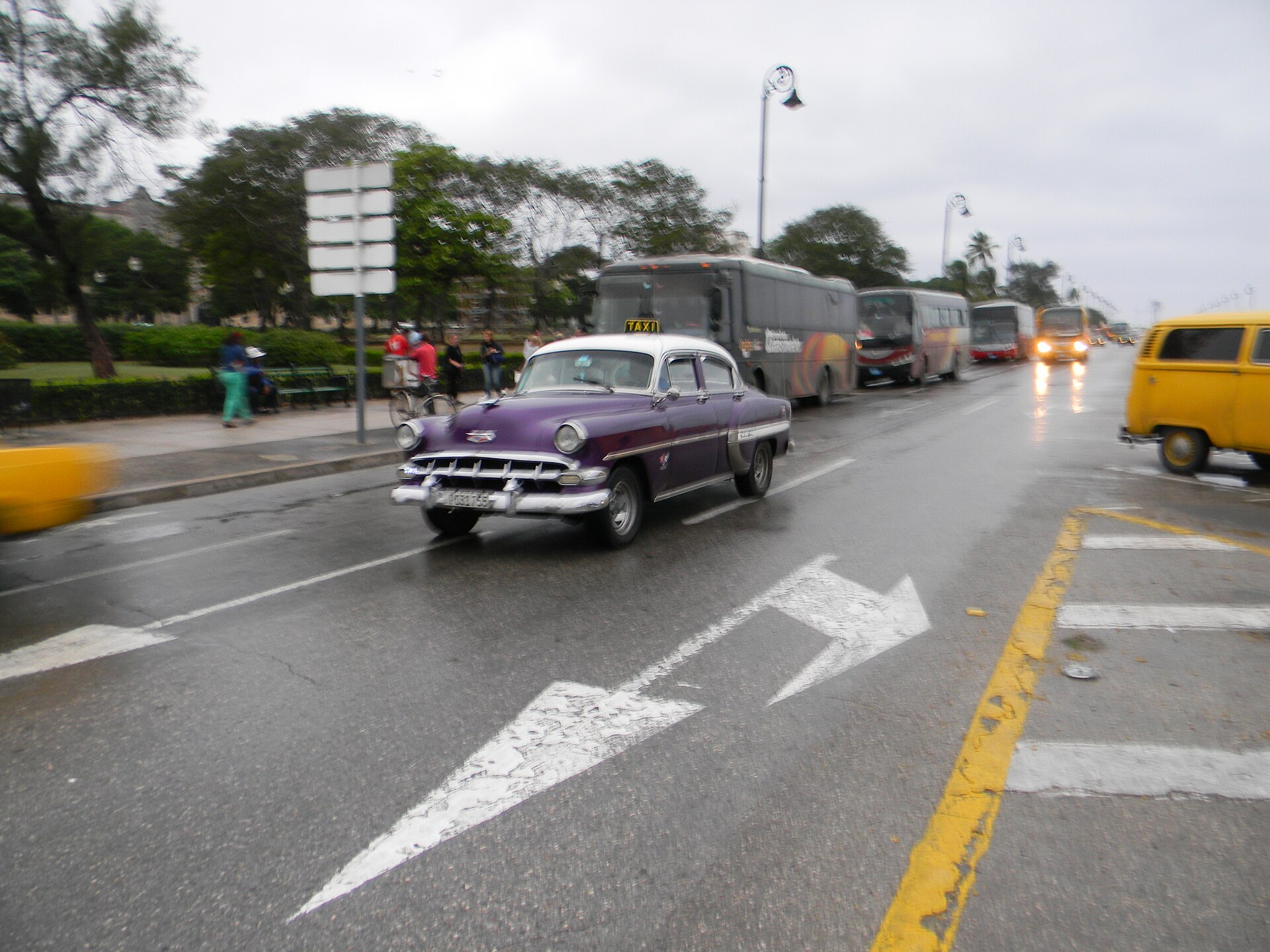
Public transport is scarce, with crowded buses, shared taxis and vintage American cars working as fixed-route cabs. Many Cubans walk or cycle, and fuel queues form quickly whenever supplies arrive.
Internet access runs through ETECSA, the state telecom monopoly, and mobile data has become the main window to the outside world. Its price and the power cuts limit how long people can stay online.
Remittances, Mipymes and the Informal Economy
Money from relatives abroad, much of it from Miami and the rest of Florida, keeps many households afloat. Cuba does not publish official remittance totals, so their exact size is not known.
Remittances arrive as transfers, as cash carried by travellers and as goods shipped in parcels or extra luggage. In October 2020, the US Treasury barred Cuban military-linked firms from processing remittance transactions, narrowing formal channels.
Luggage rules matter as well, and Cuba has changed customs duties on goods that travellers bring in. The Rio Times report on the dollar duty for excess luggage explains the current charges.
The informal economy, summed up in the Cuban verb resolver, or to get by, covers everything from resold medicine to home repairs. Many families combine a state job, a private side business and help from abroad to reach the end of the month.
Private businesses, from cafés and repair shops to importers, now offer many of the better-paid jobs. The government regulates them closely and has changed the rules several times since 2021.
Housing, Swaps and Crowded Family Homes
Housing is scarce and often in poor repair, so several generations frequently share one apartment. Until a 2011 decree-law allowed home sales, the permuta, or housing swap, was the main legal way to move.
Swaps still happen, often with cash added on the side to balance a larger or better-located flat. Classified websites and word of mouth now handle both swaps and sales.
Old buildings in districts such as Centro Habana sometimes partly cave in after heavy rain. Visitors renting rooms should check the building and ask about water tanks and backup power.
Foreigners can rent rooms in licensed private homes, known as casas particulares, an important income source for many families. US visitors must also check that their lodging is not on the State Department’s Cuba Prohibited Accommodations List.
How the US Embargo Shapes Everyday Life
The US embargo began with President John F. Kennedy’s proclamation of February 1962 and was later written into law. Key statutes include the Cuban Democracy Act of 1992, the 1996 Helms-Burton Act and the Trade Sanctions Reform Act of 2000.
The Treasury’s Office of Foreign Assets Control (OFAC), which runs US sanctions, enforces the Cuban Assets Control Regulations. Its Cuba page lists Executive Order 14404 of 1 May 2026 and amended regulations published on Tuesday, 29 September 2026.
Miguel Díaz-Canel, President and First Secretary of the Communist Party, Cuba’s only legal party, leads the country as of October 2026. In an October 2026 video message to the UN food agency FAO, he said the embargo is one cause of food shortages.
For ordinary Cubans, the embargo means fewer imports, costlier shipping and almost no access to US banks, cards or payment apps. Havana blames the embargo for most shortages, while Washington blames the state-run economy and its controls.
Most independent analysts see both factors at work, alongside low farm output and a weak tourism recovery. The result at street level is the same, with empty shelves, high prices and long waits.
US law still allows food and medicine sales to Cuba under strict conditions, and relatives in America send goods and cash. Those family flows, rather than trade, are how most American money reaches Cuban homes.
What It Means for US Readers
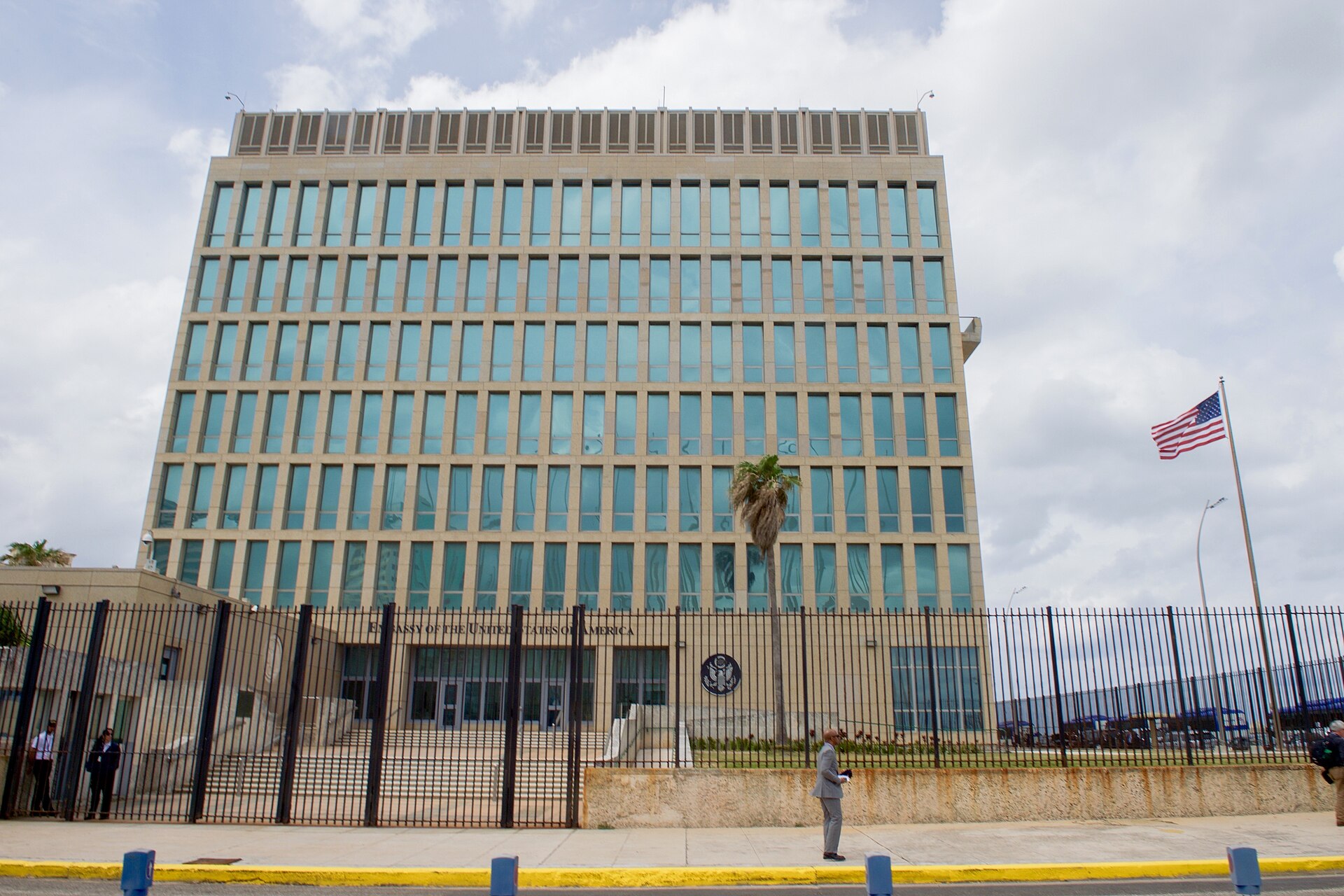
Tourism to Cuba remains prohibited by US statute, and the State Department lists 12 categories of authorised travel under general licenses. Because OFAC amended the Cuba rules on 29 September 2026, check the current version before you book.
US credit and debit cards do not work in Cuba, so visitors must carry cash in dollars or euros. Amounts above US$5,000 must be declared on arrival, and medicine is in severely short supply on the island.
The State Department rates Cuba at Level 2, exercise increased caution, citing crime and unreliable electrical power. Medical evacuation can start at US$15,000, so extra insurance is worth having beyond the Cuban health cover US airlines must buy.
For Cuban Americans, the main issues are remittance channels, luggage limits and the welfare of ageing relatives on the island. The Rio Times Cuba explainer and the guide to who governs Cuba cover the political background.
For a longer stay, start with the guide to moving to Cuba and the breakdown of the cost of living in Cuba. More island coverage sits on the Rio Times Cuba page.
What Prediction Markets Say
On Polymarket, bettors give Miguel Díaz-Canel a 9.5 percent chance of being out as leader of Cuba by 31 December 2026. That price was recorded on 14 October at 12:08 p.m. ET, on a contract with about US$747,000 in bets.
These are bets, not polls, and they reflect the views of traders rather than of Cuban voters. They also say little about daily life on the island.
Why we show this: prediction markets turn real-money bets into a live probability that moves within minutes of the news, which is why investors, campaigns and newsrooms in the United States now follow them closely. We show them next to polls and official results, never instead of them.
What Is Not Known
Cuba does not publish remittance totals, and current ration quantities per person could not be confirmed from an official source. The real value of a salary depends on which exchange rate a family can actually use.
How the September 2026 OFAC amendments change individual travel categories is not covered in this guide. No independent survey measures how many Cubans rely mainly on informal income.
Frequently Asked Questions
How many people live in Cuba?
Cuba’s statistics office counted 9,434,593 residents at the end of 2025. That was 313,414 fewer than a year earlier, mostly because of emigration.
How much do people earn in Cuba?
The average state salary was 6,930 pesos a month in 2025. That is about US$289 at the fixed 24-peso rate, but only about US$14 at the newer official rate.
Do Cubans still use a ration book?
Yes, households still hold a ration book for subsidised staples at state shops. The quotas fall short, so families buy most extra food privately.
Can Americans travel to Cuba as tourists?
No, tourism to Cuba remains prohibited by US statute. Travel is allowed only under one of 12 authorised categories, so check current Treasury rules first.
Do US bank cards work in Cuba?
No, US credit and debit cards do not work in Cuba. Visitors should bring enough cash in dollars or euros for the whole trip.
Why are there so many blackouts in Cuba?
Old power plants and fuel shortages leave the grid unable to meet demand. Outages can last up to 12 hours a day in Havana and longer elsewhere.
Sources: Oficina Nacional de Estadística e Información (ONEI); Prensa Latina, ONEI population figures; Diario de Cuba, ONEI salary data; Prensa Latina, President Díaz-Canel at the FAO; US Department of State, Cuba travel information; US Treasury OFAC, Cuba sanctions; open.er-api.com exchange rates; Polymarket market prices (all accessed 14 October 2026).
This article was produced by The Rio Times’ automated newsroom system. How we use AI · Report an error · Editorial responsibility: Matthias Camenzind, Editor-in-Chief
Expat Guide to Cuba
What The Rio Times publishes for foreigners who live in or move to Cuba.
Start here
- Moving to Cuba 2026, Step by Step
- Panama Visa Appointment System Launches for Havana Applicants
- Spain and Portugal Close Their Golden Visa Doors, Forcing LATAM Investors to Reroute
Coming up in Cuba
Understand Cuba