Dominica Explained 2026, the Caribbean Nature Island
DOMINICA · COUNTRY GUIDE
Key Facts
- —What it is A 751-square-kilometre volcanic island republic in the Eastern Caribbean, between Guadeloupe and Martinique.
- —Why it matters Dominica is a parliamentary democracy with a stable government, a nature-based tourism economy and a citizenship-by-investment programme that draws global interest.
- —The numbers Area of 751 square kilometres; highest point Morne Diablotin at 1,447 metres; US equals EC.70, the fixed Eastern Caribbean peg.
- —Who is who President Sylvanie Burton, inaugurated on 2 October 2023, is head of state; Prime Minister Roosevelt Skerrit has led the government since 2004.
- —The catch Mountainous terrain, heavy rainfall and a small import-dependent market make infrastructure, transport and daily logistics more demanding than in larger Caribbean hubs.
- —What it means for you A newcomer should plan for a slower pace, cash in rural areas, weather-related disruptions and the need to verify housing, roads and utilities before committing.
Dominica explained: it is a small, mountainous Eastern Caribbean republic where volcanic geography, a parliamentary system and a nature-focused economy shape almost every part of life. For a foreigner, understanding Dominica means understanding terrain, community and the practical limits of a 751-square-kilometre island.
Dominica sits between Guadeloupe and Martinique in the Lesser Antilles, but it does not resemble the flat, beach-heavy image many visitors expect from the Caribbean. This guide explains the country as it stands in 2026: its geography, people, politics, economy, daily life and what a newcomer should watch.
What Dominica is: geography and the Nature Island identity
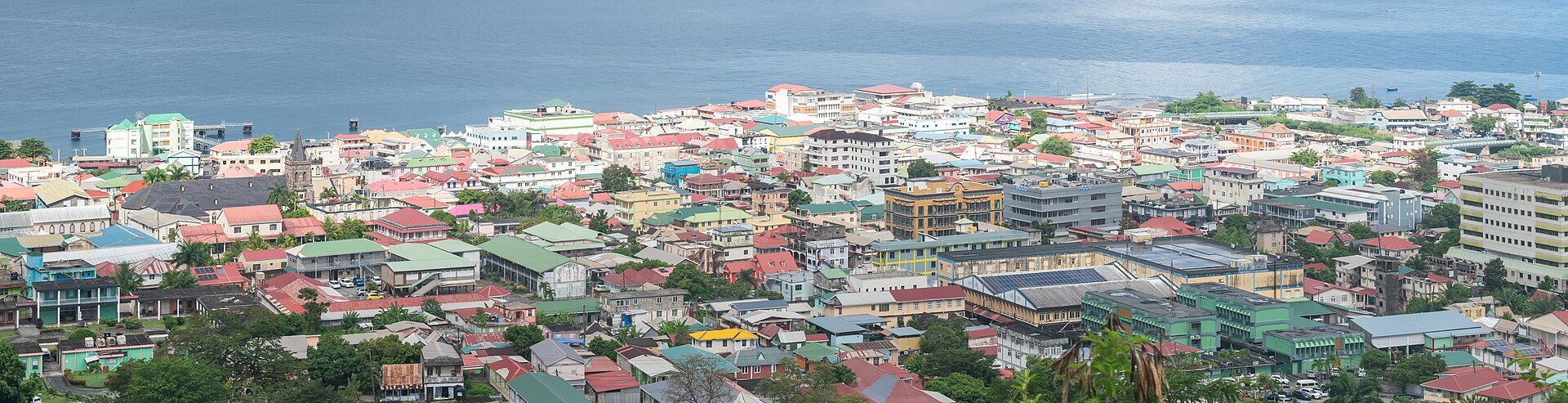
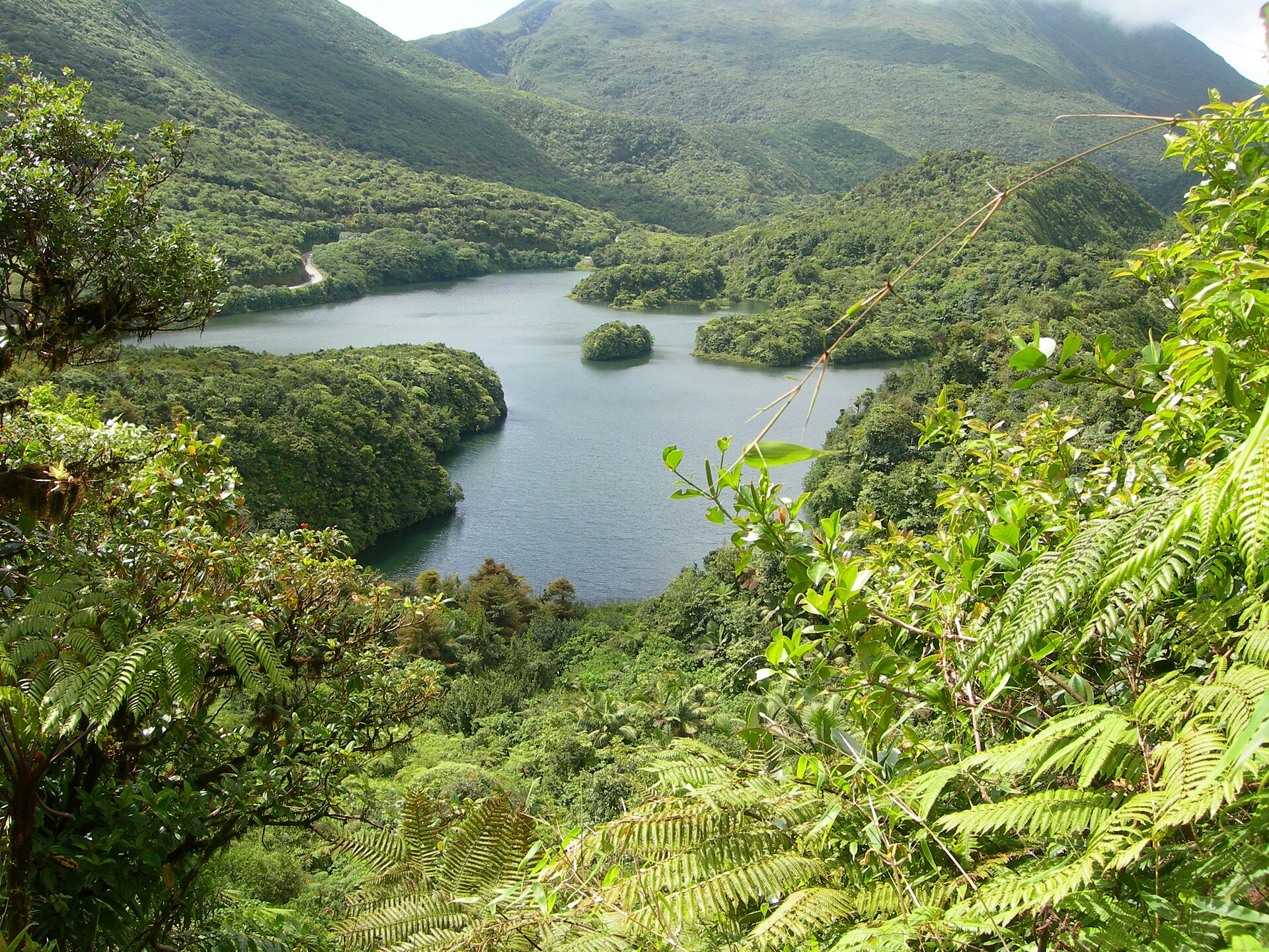
Dominica is an island republic of 751 square kilometres in the Eastern Caribbean. It lies between the French overseas territories of Guadeloupe to the north and Martinique to the south. The Government of Dominica describes the country as volcanic in origin, with steep interior terrain, deep valleys, rivers, waterfalls, hot springs and a heavily forested landscape.
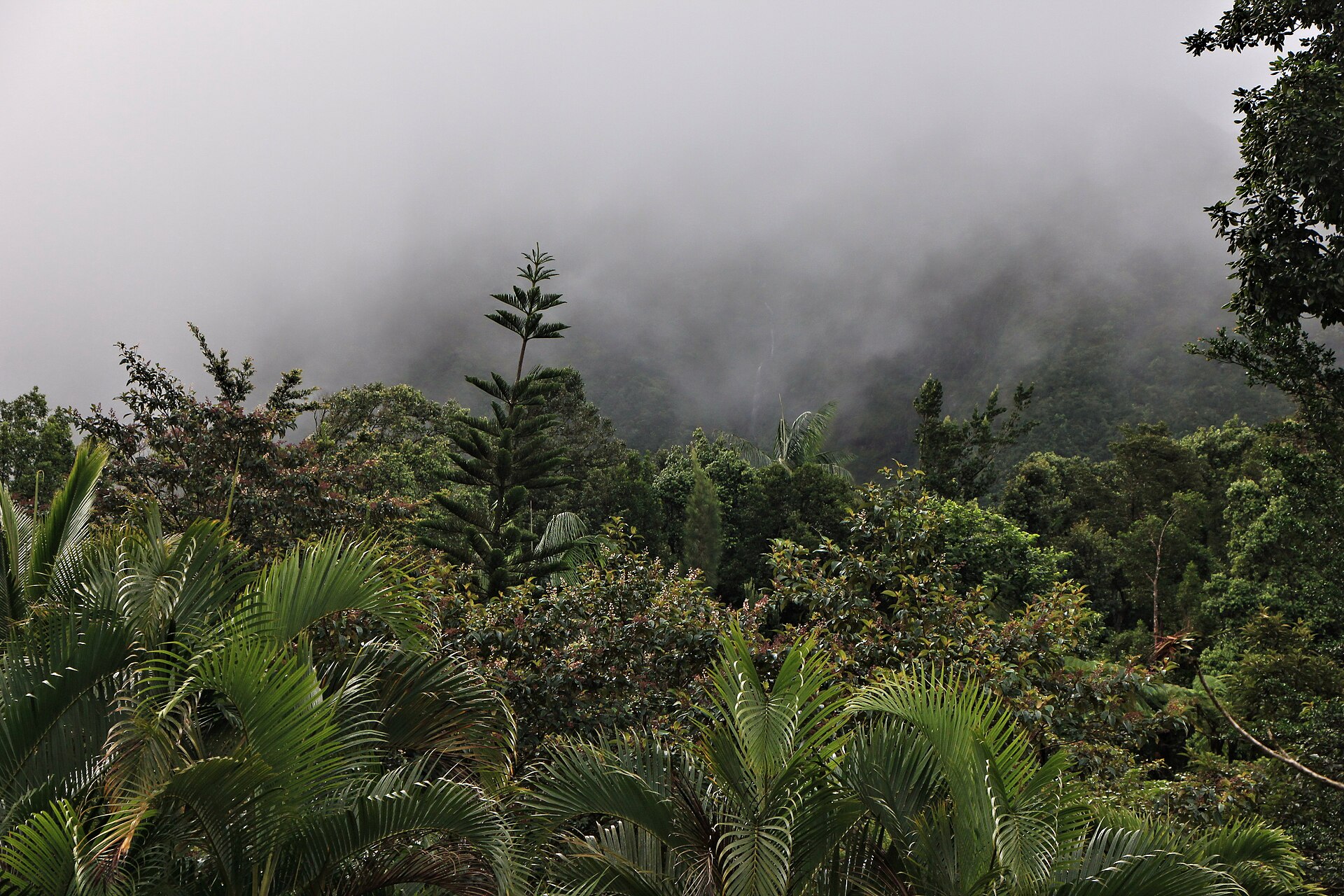
The highest point is Morne Diablotin, at 1,447 metres. The climate is humid tropical marine, with limited seasonal temperature variation and substantially heavier rainfall during the wet season. This geography is the foundation of Dominica’s tourism brand as the Nature Island, but it also creates practical constraints. Settlements and economic activity concentrate along the coast and in river valleys. Roads are often narrow, winding and vulnerable to landslides.
For a newcomer, geography is not background scenery. It affects travel times, construction costs, utility reliability and even where people can build. Heavy rainfall can disrupt transport, electricity and water. The government frames much of its public policy around climate resilience, environmental protection and what it calls a blue economy, meaning economic activity linked to marine resources and ecosystems.
Dominica’s tourism proposition is therefore different from that of larger Caribbean destinations. It is built on hiking, diving, rivers, rainforests, hot springs and marine life rather than large beaches or dense resort development. Visitors and investors who understand this distinction are better prepared for what the island offers and what it does not.
People, language and identity
Dominica’s population is predominantly of African descent, with mixed-heritage, European and other communities also present. The Government of Dominica’s country profile identifies the main ethnic categories as Black, mixed, Amerindian or Carib, White and other groups. The island is home to the Kalinago people, the Indigenous community of Dominica. The Kalinago Territory occupies land on the eastern coast and has its own communal and cultural institutions.
Kalinago identity remains an important part of Dominica’s national story, tourism offering and discussions about land, heritage and economic opportunity. This is reflected at the highest level of the state. President Sylvanie Burton, inaugurated on 2 October 2023, is Dominica’s first woman president and its first Indigenous president. The Office of the President identifies her as a member of the Kalinago community.
English is the official language, reflecting Dominica’s history as a former British colony. Kwéyòl, also called French Patois, is widely used in informal and cultural settings and reflects the island’s French and Creole heritage. Visitors may hear English in government, business, education and formal transactions, while Kwéyòl is more visible in community life, music, festivals and family settings.
Religious affiliation is diverse. The government lists Roman Catholic, Seventh-day Adventist, Pentecostal, Methodist, Baptist and Anglican communities among the island’s religious groups. Churches play visible roles in community life, public ceremonies and social networks. For a foreigner, this means that community ties, family networks and church life often matter as much as formal institutions.
Political system and current leadership in 2026
Dominica is a parliamentary democracy and became independent from the United Kingdom on 3 November 1978. The constitutional structure is broadly familiar to other Commonwealth Caribbean countries. The President is head of state. The Prime Minister is head of government. The executive government is formed from the parliamentary majority.
The President appoints as Prime Minister the member of the House of Assembly who appears most likely to command majority support. Ministers are appointed by the President on the Prime Minister’s advice. Bills passed by the House of Assembly require presidential assent before becoming law.
President Sylvanie Burton
Her Excellency Sylvanie Burton is President of the Commonwealth of Dominica. She was inaugurated on 2 October 2023 after receiving a 20–5 vote in the House of Assembly on 27 September 2023. The presidency is primarily a constitutional and ceremonial office, but it has formal powers under the Constitution, including appointing the Prime Minister, appointing ministers on the Prime Minister’s advice and assenting to legislation.
Prime Minister Roosevelt Skerrit
The Honourable Roosevelt Skerrit is Prime Minister and head of government. He has held the office since 2004 and is also the Member of Parliament for the Vieille Case constituency. The Government of Dominica identifies Skerrit as having been Prime Minister since 2004. His administration’s current priorities include completing major infrastructure projects, addressing housing needs, strengthening education, expanding tourism, developing the blue economy and improving climate resilience.
Parliament and elections
Dominica’s legislature is the House of Assembly. The most recent general election was held on 6 December 2022. Ashma McDougall of the Dominica Labour Party won the Roseau North by-election on 7 September 2026. The country’s political landscape has been dominated by the Dominica Labour Party, led by Skerrit. The opposition is represented in Parliament, although the governing party has held a strong majority in recent elections.
For investors and expatriates, political continuity can make public policy easier to follow, but it does not eliminate practical risks. Dominica remains exposed to shifts in public finances, weather events, construction delays, external financing conditions and the economic performance of tourism and citizenship-related revenues.
Economy: agriculture, tourism and a construction-led transition
Dominica’s official country profile describes the economy as agriculture-based. Historically, bananas were central to exports and rural employment. Agriculture remains important for food production, rural livelihoods and cultural identity, although its relative role has declined compared with earlier decades.
The modern economy is more diversified than the traditional agricultural description suggests. Key areas include tourism and hospitality, construction and infrastructure, public services, wholesale and retail trade, agriculture and fisheries, financial and professional services, citizenship-related government revenue, and renewable energy and climate-resilience projects.
The government’s 2026 priorities point to continued investment in infrastructure, housing, education, tourism attractions and environmental protection. This creates opportunities in construction, engineering, logistics, hospitality, professional services and project delivery, while also increasing exposure to public-sector procurement and government-funded projects.
Tourism
Dominica is not primarily a mass-market beach-resort destination. Its tourism appeal is based on rainforest and mountain hiking, waterfalls, rivers and hot springs, scuba diving and marine life, whale- and dolphin-watching, wellness and nature tourism, cultural and community-based experiences, and cruise tourism and Roseau port activity.
The government has described tourism expansion and new attractions as part of its 2026 development agenda. The planned international airport project is also intended to improve accessibility and support tourism and trade, although major infrastructure projects should be assessed carefully for completion schedules, financing and operational readiness.
Citizenship by investment
Dominica operates a citizenship-by-investment programme, under which qualifying applicants may obtain citizenship through approved contributions or investments, subject to due diligence and statutory requirements. The programme has been an important source of government revenue and foreign exchange.
For investors and applicants, the relevant risks include changes in eligibility and pricing, enhanced international scrutiny, compliance and sanctions screening, processing delays, reputational and regulatory risk, and the distinction between citizenship, residence and the right to live or work in another country. A Dominican passport does not automatically confer the right to reside or work in the United States, Canada, the United Kingdom or the European Union.
Currency, banking and prices
Dominica uses the Eastern Caribbean dollar, issued within the Eastern Caribbean Currency Union. The Eastern Caribbean Central Bank fixes the rate at US to EC.70. The currency is effectively pegged to the US dollar, which reduces exchange-rate uncertainty for transactions linked to the United States.
However, Dominica imports a substantial share of its fuel, manufactured goods, machinery, vehicles and food products. Local prices therefore remain sensitive to international freight, energy and commodity costs. For foreigners, US dollars may be accepted in some tourist-facing businesses, but the Eastern Caribbean dollar is the normal domestic currency.
Card acceptance is more common in established hotels, restaurants and larger businesses than in small shops or rural areas. Cash remains useful, particularly outside Roseau and major tourism locations. Imported goods can be expensive relative to local incomes. Rental, construction and vehicle costs vary sharply by location and supply.
Society and daily life
Daily life in Dominica is community-oriented and strongly shaped by geography and weather. Roseau is the administrative and commercial centre, but the island’s population is distributed among coastal towns, villages and rural communities. A newcomer should expect a slower pace of administration and service delivery than in major international cities, close-knit community networks, strong church, family and neighbourhood ties, and limited late-night commercial activity outside central Roseau.
There is also greater dependence on personal relationships and local knowledge. Weather-related interruptions to roads, electricity, water and communications are part of life. The island’s relatively small market means that some goods and professional services must be imported or sourced through regional hubs. This can affect delivery times, inventory and pricing.
Housing
Housing ranges from apartments and modest houses to higher-end villas and short-term vacation rentals. The market is relatively small and can be tight in areas popular with expatriates, students, development workers and returning nationals. Prospective tenants or buyers should verify ownership and title, access roads and drainage, water supply, electricity reliability and backup power, internet availability, hurricane and landslide exposure, distance to schools, hospitals, shops and public transport, and lease terms, deposits and maintenance responsibilities. The government has identified housing as a 2026 priority, particularly for vulnerable citizens.
Transport
Dominica is a left-driving country, consistent with its British colonial heritage. Roads are often narrow and mountainous, with sharp bends and limited shoulders. Driving times can be substantially longer than the distance suggests. Public transport is based largely on privately operated minibuses, especially along populated coastal routes. Taxis are available, while rental cars are useful for visitors who are comfortable driving on steep, winding roads. The island’s terrain makes transport infrastructure strategically important. Landslides and heavy rain can affect road access, particularly during severe weather.
Health care and education
Dominica has public health facilities and private medical providers, but specialist care and complex procedures may require travel to another Caribbean country or overseas. Expatriates commonly consider international health insurance and emergency-evacuation coverage. Healthcare access can vary significantly depending on whether a person lives in Roseau, a larger town or a remote rural community.
Education is delivered through public and private institutions, with English as the principal language of instruction. The government has identified strengthening education as part of its 2026 agenda. For families considering a move, this means checking the specific schools available in the area where they plan to live, rather than assuming uniform provision across the island.
What to watch in Dominica
Several issues will shape Dominica’s near future. The planned international airport project is central to the government’s tourism and trade ambitions, but completion schedules, financing and operational readiness should be watched carefully. Infrastructure investment in roads, housing and utilities will affect daily life and property decisions.
Climate resilience remains a defining policy challenge. Dominica’s mountainous terrain and heavy rainfall make it vulnerable to landslides, flooding and hurricane damage. The government’s focus on environmental protection and the blue economy reflects this reality, but resilience projects take time and money.
The citizenship-by-investment programme will continue to draw international attention. Changes in eligibility, pricing, due diligence and external scrutiny can affect government revenue and the programme’s reputation. Anyone considering the programme should monitor official announcements and seek independent legal advice.
Finally, the small size of the domestic market means that Dominica will remain dependent on imports, regional links and external financing. For a foreigner, the key is to plan around the island’s realities: verify property and infrastructure, keep cash available outside Roseau, allow extra time for travel and administration, and understand that Dominica’s value lies in its nature, community and stability rather than in scale or speed.
Frequently Asked Questions
Where is Dominica located?
Dominica is an island republic in the Eastern Caribbean, between Guadeloupe to the north and Martinique to the south. It covers 751 square kilometres in the Lesser Antilles.
What currency does Dominica use?
Dominica uses the Eastern Caribbean dollar. The Eastern Caribbean Central Bank fixes the rate at US to EC.70.
Who is the Prime Minister of Dominica in 2026?
Roosevelt Skerrit is Prime Minister and head of government. He has held the office since 2004, according to the Government of Dominica.
Does Dominica have a citizenship-by-investment programme?
Yes. Dominica operates a citizenship-by-investment programme under which qualifying applicants may obtain citizenship through approved contributions or investments, subject to due diligence and statutory requirements.
What is Dominica known for?
Dominica is known as the Nature Island for its volcanic terrain, rainforests, rivers, waterfalls, hot springs and marine life. Its tourism appeal is based on hiking, diving, wellness and nature rather than large beach resorts.
What language is spoken in Dominica?
English is the official language of Dominica. Kwéyòl, also called French Patois, is widely used in informal and cultural settings.
Sources: dominica.gov.dm, pressroomopm.gov.dm, dominica.gov.dm, dominica.gov.dm, dominica.gov.dm, pressroomopm.gov.dm. Retrieved 2 October 2026.
This article was produced by The Rio Times’ automated newsroom system. How we use AI · Report an error · Editorial responsibility: Matthias Camenzind, Editor-in-Chief
Read More from The Rio Times