
Published Wednesday, November 18, 12:22 a.m. ET (1:22 a.m. Havana) · Source: U.S. Court of Appeals for the Eleventh Circuit, opinion in No. 24-12318
A Cuban family crossed into Arizona in 2021, turned themselves in to border agents and were released with a form called an I-220A. On Tuesday, Nov. 17, a federal appeals court ruled that the form does not count as the “parole” Cubans need to apply for a green card.
The Eleventh Circuit, the federal appeals court for Florida, Georgia and Alabama, set the rule for those states. The case is about immigration paperwork, not diplomacy, though it lands amid the wider cuba news story of US–Cuba tension.
Key Facts
- What Release on Form I-220A is not the “parole” required by the 1966 Cuban Adjustment Act.
- Who decided Eleventh Circuit judges Branch, Brasher and Hull; Brasher wrote the opinion.
- Case Aguiar-Fernandez v. U.S. Attorney General, No. 24-12318, filed Tuesday, Nov. 17, 2026.
- Where Binding in Florida, Georgia and Alabama; several other circuits read the general green-card law the same way.
- Result The petition was denied; the family lost its asylum and torture-protection claims too.
This story is part of our coverage of the cuba news. Dates, times and how to follow it are in our guide.
The decision turns on one family’s paperwork, yet it sets the rule for federal courts across three states.
In plain English
The Cuban Adjustment Act of 1966 lets many Cubans in the United States seek a green card after one year. An I-220A is a form releasing a detained migrant on their own recognizance, meaning on a promise to appear in court, and the court says it is not the “parole” the law requires.
Why a Release Form Is Not Parole
The Cuban Adjustment Act requires that a Cuban applicant was “inspected and admitted or paroled” into the country. The court read “paroled” to mean humanitarian parole, a permission the Department of Homeland Security (DHS) can grant for “urgent humanitarian reasons or significant public benefit.”
A Form I-220A release is something else, the court said. It is “conditional parole” under section 1226 of Title 8 of the U.S. Code, the detention-and-release provision, which frees a person while a deportation case is pending.
Judge Andrew Brasher wrote that the law’s phrase “paroled into the United States” tracks the humanitarian-parole wording, while section 1226 says “conditional parole.” He quoted an earlier ruling: “when Congress uses different language in similar sections, it intends different meanings.”
At least three other circuits, the Second, Third and Ninth, had already read the general green-card law the same way. The Eleventh Circuit said it agreed and adopted the same rule for the Cuban law.
A Family That Turned Itself In
Yoan Aguiar-Fernandez, his wife Yenisley Gonzalez-Sanabria and their daughter crossed near San Luis, Arizona, on June 25, 2021. They turned themselves in to the Border Patrol, were held briefly and each received an I-220A order.
They then applied for green cards under the Cuban Adjustment Act and separately asked for humanitarian parole. DHS had denied the parole request on the day of their hearing, though the family soon asked again, and no family member ever received an I-94 card, the arrival record parolees normally get.
An immigration judge had ruled against the family, and the Board of Immigration Appeals, the Justice Department’s immigration appeals panel, upheld that decision, adopting the judge’s ruling as its own. The family had conceded they entered without permission and could be removed.
The family argued that the law governing their first detention allowed release only through humanitarian parole, so they were paroled by default. The court disagreed, saying whether parole was granted is a question of what happened, and the record shows it was not.
Why the Asylum Claims Failed Too
Mr. Aguiar-Fernandez said he served on a Cuban government mission in Venezuela from 2010 to 2013. He also said a Cuban police captain named Cordero visited his auto body shop five or six times and once struck him twice with a baton.
The court noted that he was never arrested or interrogated, stayed with a government-sponsored organization until he left to run the shop, for which the government issued a license. It said the record suggests Cordero acted in a private capacity and that the encounters, in any case, did not amount to persecution.
The panel rejected all three claims: asylum (refuge for people persecuted over politics or other protected grounds), withholding of removal (a bar on deporting someone whose life or freedom would be threatened) and protection under the Convention Against Torture, a treaty barring return to a country where torture is likely. The family left Cuba for Mexico in August 2018 on personal Cuban passports.
What It Means for US Readers
In Florida, Georgia and Alabama, an I-220A release alone does not meet the parole requirement of the Cuban Adjustment Act. The opinion rests on this family’s record: orders citing section 1226, no I-94 card and a denied parole request.
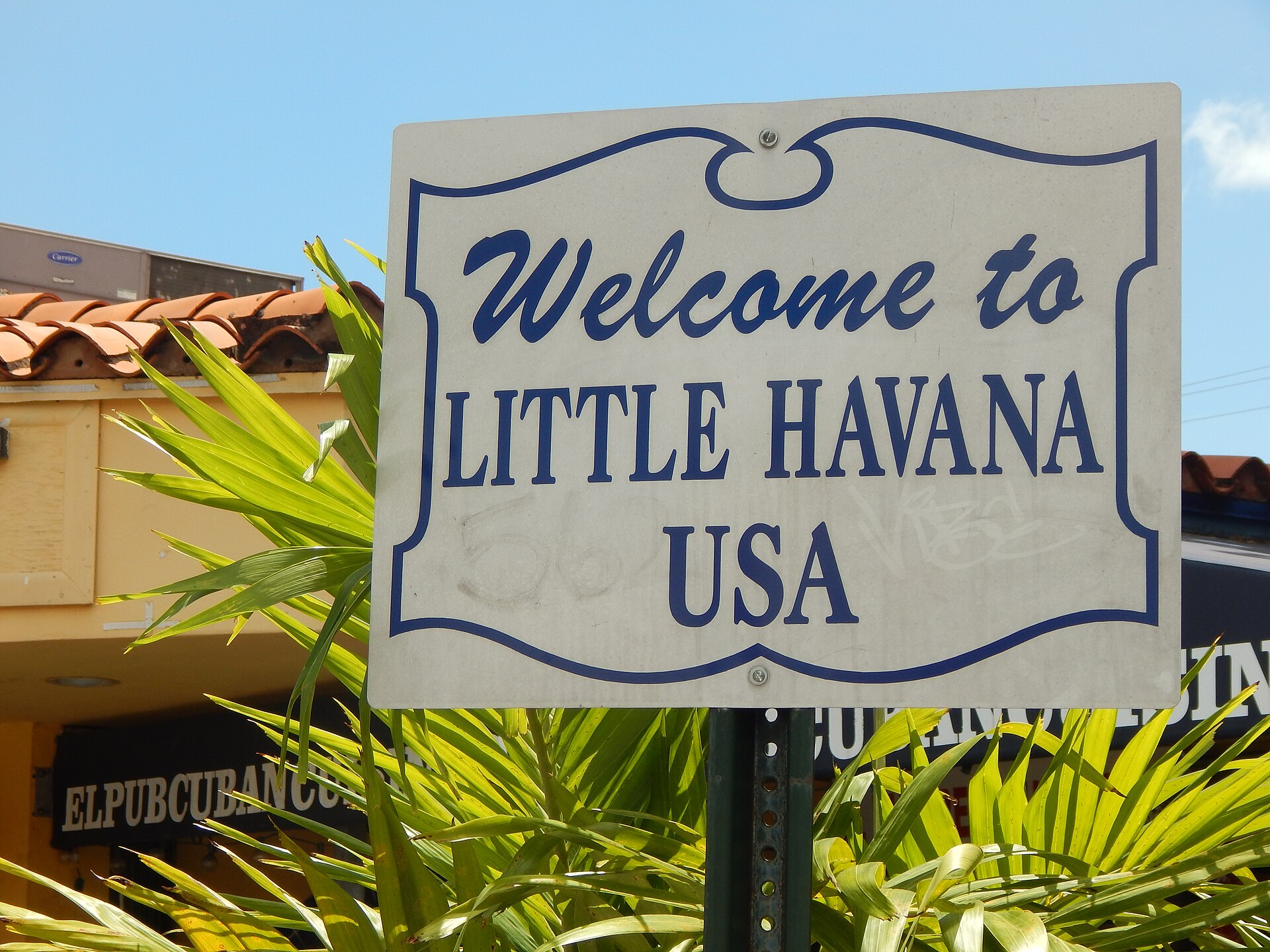
Florida is home to the largest Cuban-American community in the United States, so the ruling matters most there. Anyone with an I-220A should ask an immigration lawyer how their own papers fit the decision.
What Is Not Known
The opinion gives no estimate of how many people hold I-220A orders. Whether the family will ask the full court or the Supreme Court to review the case is not yet known.
We found no statement from DHS or the Department of Justice, and the court’s filing carries no time of day. How the ruling applies to other people will depend on their documents.
Frequently Asked Questions
What is a Form I-220A?
It is an order of release on recognizance that DHS gives some detained migrants so they can wait outside detention. The Eleventh Circuit says its legal basis is section 1226, not humanitarian parole.
Does the ruling end the Cuban Adjustment Act?
No. The court interpreted one requirement of the law, which remains in force, and denied one family’s petition for review.
Sources: U.S. Court of Appeals for the Eleventh Circuit, opinion in Aguiar-Fernandez v. U.S. Attorney General, No. 24-12318, filed Nov. 17, 2026.
More: Cuba–United States tensions explained · Cuban politics and government
This article was produced by The Rio Times’ automated AI newsroom. Editorial responsibility: Matthias Camenzind, Publisher and Editor-in-Chief. The Rio Times also runs Ask Rio Times, which answers from 100,000+ of our own articles, the daily Latin America Power Map, and prediction-market odds on elections and markets.. How we use AI · Report an error
Cuba and the United States
- What Is Going On Between Cuba and the United States?
- What Is Going On Between Cuba and the United States?
- Can Americans Still Travel to Cuba in 2026?
- Who Runs Cuba in 2026? Raúl Castro and the US Murder Charge