CHILE · POLITICS
Key Facts
- —What it is Chile is a presidential republic where the president is both head of state and head of government, elected by direct popular vote.
- —Who is who José Antonio Kast Rist has been president since 11 March 2026, after winning 58.16% of the December 2025 runoff vote.
- —The numbers The Chamber of Deputies has 155 seats, but no party has a majority.
- —The catch The executive cannot legislate alone; tax, labour, pension and security reforms depend on cross-party negotiation in a fragmented Congress.
- —What it means for you For foreigners and investors, Chile politics in 2026 means a right-leaning government focused on security and growth, but with slower legislative change than campaign rhetoric suggests.
- —What to watch The 2027 budget debate, the Chile Despega economic plan, and security legislation on migration and public order will test the government’s real power.
Chile politics in 2026 is a story of a strong presidential mandate meeting a fragmented Congress. José Antonio Kast won the presidency decisively, but he must negotiate every major law with parties that do not answer to him.
Chile is one of Latin America’s most stable and prosperous democracies, a country of 20.2 million people with a long tradition of civilian rule, independent courts and a professional civil service. This guide explains who actually holds power in Chile politics as of September 2026, how the institutions work, and what it means for foreigners, expats and investors.
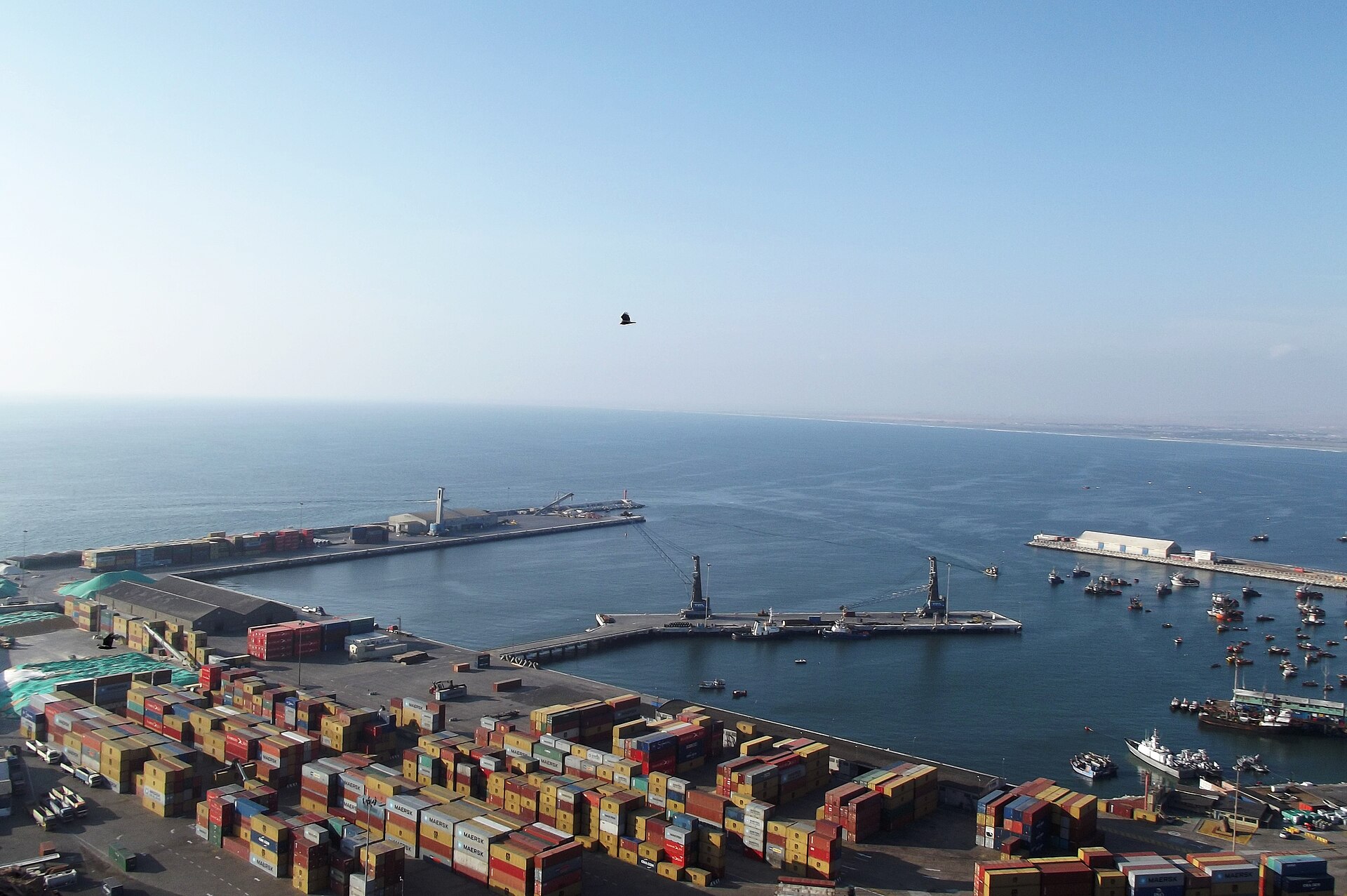
The President: Head of State and Government
Chile is a presidential republic. The president is both head of state and head of government, appoints ministers, directs foreign and defence policy, submits legislation, and serves as commander-in-chief of the armed forces.
The current president is José Antonio Kast Rist, in office since 11 March 2026. He won the December 2025 runoff with 58.16% of valid votes against 41.84% for Jeannette Jara, according to the Chilean Electoral Service.
Kast’s victory represented a sharp shift to the right after the government of Gabriel Boric. His campaign emphasised public security, border control, migration enforcement, economic growth and a more disciplined state. His governing approach has nonetheless required coalition management because the executive does not command an automatic legislative majority.
The executive’s main political centre is the Presidency at La Moneda, supported by the Ministry of the Interior and the ministries responsible for political coordination, finance, security and foreign affairs.
The Governing Coalition and Key Ministers
Kast’s administration is built primarily around the Republican Party, with support and participation from traditional centre-right parties including the Independent Democratic Union (UDI), National Renewal (RN) and Evolución Política (Evópoli), alongside independents.
The principal ministries in the current government are:
| Portfolio | Officeholder |
|---|---|
| Interior and General Secretariat of Government | Claudio Alvarado Andrade |
| Foreign Affairs | Francisco Pérez Mackenna |
| National Defence | Fernando Barros Tocornal |
| Finance | Jorge Quiroz Castro |
| Public Security | Martín Arrau |
| General Secretariat of the Presidency | José García Ruminot |
| Economy, Development and Tourism | Daniel Mas |
| Mining | Daniel Mas |
| Energy | Ximena Rincón |
| Labour and Social Security | Tomás Rau |
| Public Works | Louis de Grange |
| Transport and Telecommunications | Louis de Grange |
The ministerial information requires one important qualification: public listings in late 2026 are not entirely consistent about portfolios and recent changes.
The politically most important ministers are those who manage relations with Congress and the security apparatus, the Finance Ministry, national public-security policy, civilian control of the armed forces, and the government’s legislative agenda.
In late September 2026, the government presented the Chile Despega plan, intended to create jobs and reactivate the economy. The announcement was made by President Kast alongside ministers, party leaders, employers and worker representatives, according to the Ministry of the Interior.
Congress: The Key Constraint on Presidential Power
Chile’s Congress has two chambers: the Chamber of Deputies, with 155 members, and the Senate, with 50 members, including the 23 senators elected in 2025.
The 2025 parliamentary election produced a stronger right-wing presence but not a unified governing majority. The Republican Party became the largest party in the Chamber, winning 31 seats, up from 11.
This gave the broader right substantial influence, but it did not eliminate the need for negotiations with other parties or independent legislators.
The Senate
The Senate is currently presided over by Paulina Núñez, of National Renewal. The Senate remains especially important because Chilean legislation often requires cross-party agreements. The governing right may be able to assemble majorities on security, migration and business-related legislation, but the composition does not permit the president to govern as if he controlled the entire legislature.
The Chamber of Deputies
The Republican Party is the largest individual force in the Chamber, but the parliamentary arithmetic is fragmented. Party discipline, internal differences among right-wing parties and the position of smaller parties can determine whether the government passes or loses legislation.
For investors and businesses, this means that the government’s broad policy direction may be clearer than its legislative execution. Tax, labour, pension, environmental and permitting reforms can still be modified substantially in Congress.
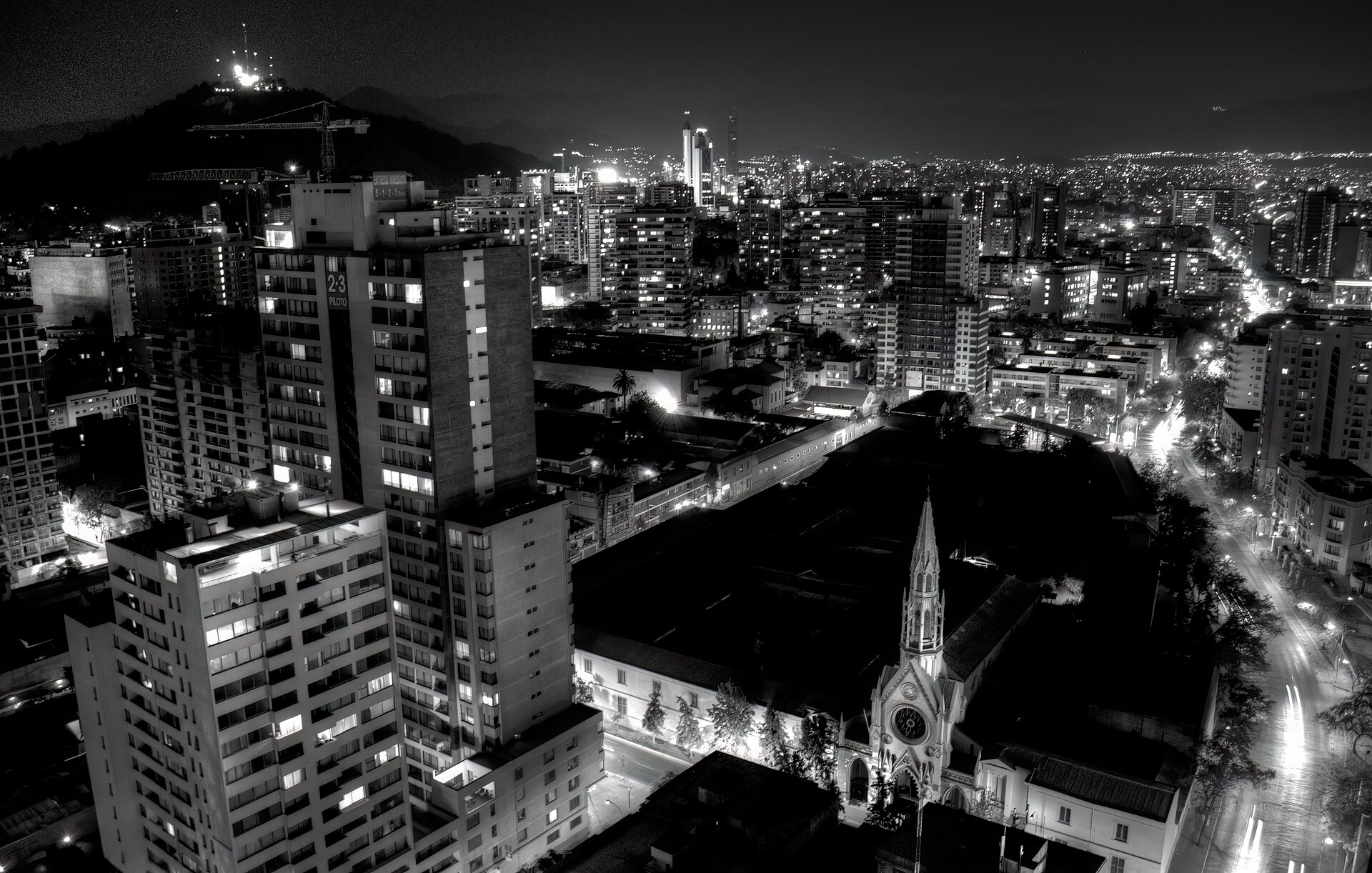
The Opposition: Fragmented but Influential
The opposition is led by the parties and legislators associated with the former Unidad por Chile coalition and the broader left and centre-left. The most prominent national opposition figure after the 2025 presidential election is Jeannette Jara, the former labour minister and 2025 presidential candidate. She lost the runoff to Kast with 41.84%.
The opposition is not a single unified bloc. It includes the Communist Party, associated with Jara’s presidential campaign; the Frente Amplio, which was the governing party or dominant force under Gabriel Boric; and other centre-left and left-wing parties that previously cooperated within Unidad por Chile. Centrist or regional legislators may support individual government proposals without joining the governing coalition.
Opposition influence is strongest when it combines parliamentary votes with institutional pressure through committees, interpellations, constitutional challenges and public-sector organisations. It can also exploit differences between Kast’s Republican Party and more traditional centre-right parties such as RN and the UDI.
Military and Security Forces
Chile has strong formal civilian control over its armed forces. The president is commander-in-chief, while the Defence Ministry provides civilian political direction. The senior defence authority in the current administration is Fernando Barros Tocornal, Minister of National Defence.
The armed forces consist of the Chilean Army, the Chilean Navy and the Chilean Air Force. Chile’s internal-security architecture is separate from the armed forces: Carabineros de Chile is the national uniformed police force, and the Policía de Investigaciones de Chile (PDI) is the investigative police.
The Ministry of Public Security is now one of the most politically important institutions in the government. It coordinates national security policy and relations with the police. The current minister is Martín Arrau.
Security policy is central to Kast’s political mandate. The government’s priorities include crime, organised crime, border controls and irregular migration. The security ministry’s political weight is reflected in disputes over migration detention, expulsion enforcement and public-order legislation.
Courts and Constitutional Institutions
Chile’s courts are formally independent from the executive and legislature. The ordinary judicial hierarchy culminates in the Supreme Court. The country also has a Constitutional Court, which reviews the constitutionality of legislation and can become decisive in politically sensitive disputes.
The judiciary matters to politics because it can review government and administrative decisions, resolve disputes over public authority, decide cases involving corruption, human rights, policing and state liability, shape the implementation of security and migration policy, and review legislation or legal provisions through constitutional procedures.
The available current search record does not reliably verify the identity of every judicial officeholder as of October 4, 2026. A publication intended to name the president of the Supreme Court, the Constitutional Court president and other senior judicial officials should verify each office directly through the official court websites before publication. The same caution applies to police commanders, military commanders and regional governors: their offices can change through presidential appointments, scheduled rotations or resignations.
Regional Power: Governors and Delegates
These governors oversee regional development and coordinate regional government, but they do not replace the president’s representatives in the regions. The central government is also represented by presidential regional delegates, appointed by the president, and presidential provincial delegates, who represent the executive at the provincial level.
This creates a dual structure: at the national level, the president and ministers; at the regional level, an elected regional governor plus a presidential regional delegate; at the provincial level, a presidential provincial delegate; and at the municipal level, an elected mayor and municipal council.
Governors have political legitimacy from direct election and influence over regional investment, infrastructure priorities and relations with municipalities. Presidential delegates retain an important role in public security, coordination of central-government agencies and emergency management.
For investors, the distinction matters. A regional governor may be influential over development priorities and regional political coalitions, but permits and national regulatory decisions remain distributed among ministries, agencies, municipalities and sector regulators.
Central Bank and Economic Institutions
Chile’s Central Bank is autonomous from the executive government. It is not subordinate to the Finance Ministry and has responsibility for monetary policy and financial stability. The current president of the Central Bank is Rosanna Costa, according to the Central Bank’s official governance page.
The Council is the institution’s highest authority, responsible for monetary policy and financial and foreign-exchange regulation.
The latest official figures show 4.1% annual CPI inflation in August 2026, 9.6% national unemployment in the June–August 2026 moving quarter, and a monetary policy rate of 4.5% as displayed on 3 October 2026.
The Central Bank’s September 2026 Monetary Policy Report revised its 2026 GDP-growth forecast to 0.25–0.75%, down from 1.0–1.75% in its June report. It projected 2027 growth of 2–3% and expected headline inflation to converge toward approximately 3% in the second quarter of 2027.
What Chile Politics Means for Foreigners and Investors
For foreigners living in Chile or considering a move, the political shift under Kast means a stronger emphasis on public security, border control and migration enforcement. The government has made these issues its top priority, and legislation on migration detention and expulsion is moving through Congress, though not always smoothly.
For investors, the key message is that Chile remains a stable, rules-based democracy with an independent central bank, a professional civil service and strong property rights. The government’s economic agenda, including the Chile Despega plan, aims to reactivate growth and create jobs. But the fragmented Congress means that major reforms will require negotiation and compromise.
The economic context matters too. With GDP growth forecast at just 0.25–0.75% for 2026 and unemployment at 9.6%, the government faces pressure to deliver results. The Central Bank’s independence means that monetary policy will continue to focus on bringing inflation back to the 3% target, regardless of political pressure.
For expats and foreign residents, the practical implications include potential changes to migration rules, security policies and public services. The government’s focus on border control and migration enforcement could affect visa processes and residency requirements. However, Chile’s legal system provides strong protections for established residents and investors.
What to Watch in the Coming Months
The most important political test for the Kast government will be the 2027 budget debate, which will reveal whether the executive can assemble a working majority in Congress. The Finance Ministry will need to balance fiscal discipline with the government’s growth agenda.
Security legislation is another key area to watch. The government’s proposals on migration detention, expulsion enforcement and public order have already faced setbacks in the Chamber of Deputies. How the administration responds to these defeats will indicate its legislative strategy and its ability to negotiate with opposition parties.
The Chile Despega economic plan will also be closely watched. If it succeeds in creating jobs and reactivating growth, it could strengthen the government’s political position. If it stalls in Congress or fails to deliver results, the opposition will gain ammunition.
Finally, the relationship between the Republican Party and its centre-right allies in the UDI, RN and Evópoli will be crucial. Internal tensions within the governing coalition could weaken the government’s legislative position, while a unified right would be far more effective in advancing its agenda.
Related reading: Chile Geopolitics Explained 2026; Chile and Its Neighbours Explained for 2026; Who Is Gabriel Boric? Chile's Ex-President, His Record and What He Does Now; more from Chile.
Frequently Asked Questions
Who is the president of Chile in 2026?
José Antonio Kast Rist has been president of Chile since 11 March 2026. He won the December 2025 runoff with 58.16% of valid votes against Jeannette Jara’s 41.84%.
Which party controls Chile’s Congress in 2026?
No single party controls Chile’s Congress. The Republican Party is the largest force in the Chamber of Deputies with 31 of 155 seats, but the government must negotiate with other parties to pass legislation.
Who is the opposition leader in Chile in 2026?
Jeannette Jara is the most prominent opposition figure. She won the first round of the 2025 presidential election with 26.75% but lost the runoff to José Antonio Kast.
Is Chile’s Central Bank independent from the government?
Yes, Chile’s Central Bank is autonomous from the executive government. It is responsible for monetary policy and financial stability, and its Council has five members appointed for 10-year terms.
What is the Chile Despega plan?
Chile Despega is an economic plan presented by President Kast in late September 2026. It aims to create jobs and reactivate the economy, and was announced alongside ministers, party leaders, employers and worker representatives.
How does Chile’s regional government work?
Chile has 16 regions with elected regional governors who oversee regional development. The central government is also represented by presidential regional delegates appointed by the president, creating a dual structure of authority.
What is Chile’s current unemployment rate?
Chile’s national unemployment rate was 9.6% in the June–August 2026 moving quarter, according to the National Statistics Institute (INE).
Sources: interior.gob.cl, gob.cl, gob.cl, interior.gob.cl, bcn.cl, static.cepchile.cl. Retrieved 4 October 2026.
This article was produced by The Rio Times’ automated newsroom system. How we use AI · Report an error · Editorial responsibility: Matthias Camenzind, Editor-in-Chief