Chile FONASA and ISAPRE systems shape healthcare costs for expats
Guides · Chile
—The stakes. Foreign residents must choose between public FONASA solidarity coverage and private ISAPRE plans that price by individual risk.
—The mechanics. Every worker and many pensioners pay an obligatory 7 percent health contribution on taxable earnings, routed to FONASA by default.
—The private option. ISAPRE contracts can cost more than the 7 percent base and often impose exclusions or waiting periods for pre-existing conditions.
—The enrollment need. A Chilean RUT and valid residence permit are prerequisites for legally joining FONASA or any ISAPRE as a foreigner.
—The retiree concern. Retirees without taxable income may qualify for free FONASA Group A, while ISAPRE insurers use health declarations to set surcharges.
Healthcare in Chile forces expats to confront a two-track system early. The mandatory 7 percent payroll contribution funds either the public Fondo Nacional de Salud or a private ISAPRE, and that choice determines waiting times, clinic access and whether pre-existing conditions carry penalties.

How the mandatory 7 percent contribution works
Chilean law requires workers and many pensioners to pay 7 percent of their remuneración imponible, or taxable earnings, toward health insurance.
That contribution must go either to FONASA, the public insurer formally called the Fondo Nacional de Salud, or to a private ISAPRE, standing for Institución de Salud Previsional.
Employers of dependent workers deduct the 7 percent from wages and declare it through the unified payment platform Previred.
For independent workers who issue boletas de honorarios, the obligation applies once gross honorarium income exceeds an annual threshold, which was CLP 2,300,000 for the 2023 income period.
Foreigners with residency but no formal employer can enrol as voluntary contributors and pay the same 7 percent to FONASA.
FONASA’s solidarity model and income groups
FONASA assigns affiliates to income-based groups A, B, C and D that determine copayment levels within the public network.
Group A covers people with no taxable income, considered lacking resources, and they do not pay the 7 percent contribution.
Groups B, C and D cover workers and pensioners who pay the 7 percent and face copays that vary by group and service type.
Expat guides describe Group B as typically including people earning up to about CLP 440,000 per month, roughly US$440 depending on exchange rates, with free care at public hospitals.
The system is financed through a mix of payroll contributions and general tax revenue, making it broadly redistributive.
How the 7 percent is redistributed for employers
The routing of the 7 percent depends on the employer’s affiliation.
For employers affiliated to a Caja de Compensación de Asignación Familiar, or CCAF, part of the contribution flows to the CCAF and the remainder to FONASA.
The total contribution remains exactly 7 percent, so workers see no change in what they pay.
Employers not affiliated to a CCAF send the full 7 percent directly to FONASA.
The adjustment affects internal allocation only, not the legal obligation of the worker or pensioner.
What ISAPRE private insurance offers
ISAPREs are regulated by the Superintendencia de Salud and act as private health insurers with plans priced in UF, a Chilean inflation-indexed unit.
A worker who chooses an ISAPRE still uses the mandatory 7 percent contribution as the base payment.
If the plan price is higher than that 7 percent, the affiliate pays the difference as an additional premium.
Plan costs depend on age, sex, declared income, number of dependents and the network of clinics and hospitals included.
ISAPRE coverage usually offers faster access to private clinics and shorter waiting lines than the public network.
Pre-existing conditions and health declarations
Anyone enrolling in an ISAPRE must complete a Declaración de Salud, a formal health declaration.
Insurers use the declaration to identify pre-existing conditions and may set exclusions, apply surcharges or impose waiting periods.
Private and expat guides commonly mention waiting periods of around 18 months or more for declared conditions, though the exact duration depends on the specific contract.
Omissions or false declarations can result in voided coverage or denied claims later.
Retirees with known chronic conditions should therefore read the declaration carefully before signing any ISAPRE contract.
Private clinics in Santiago for expats
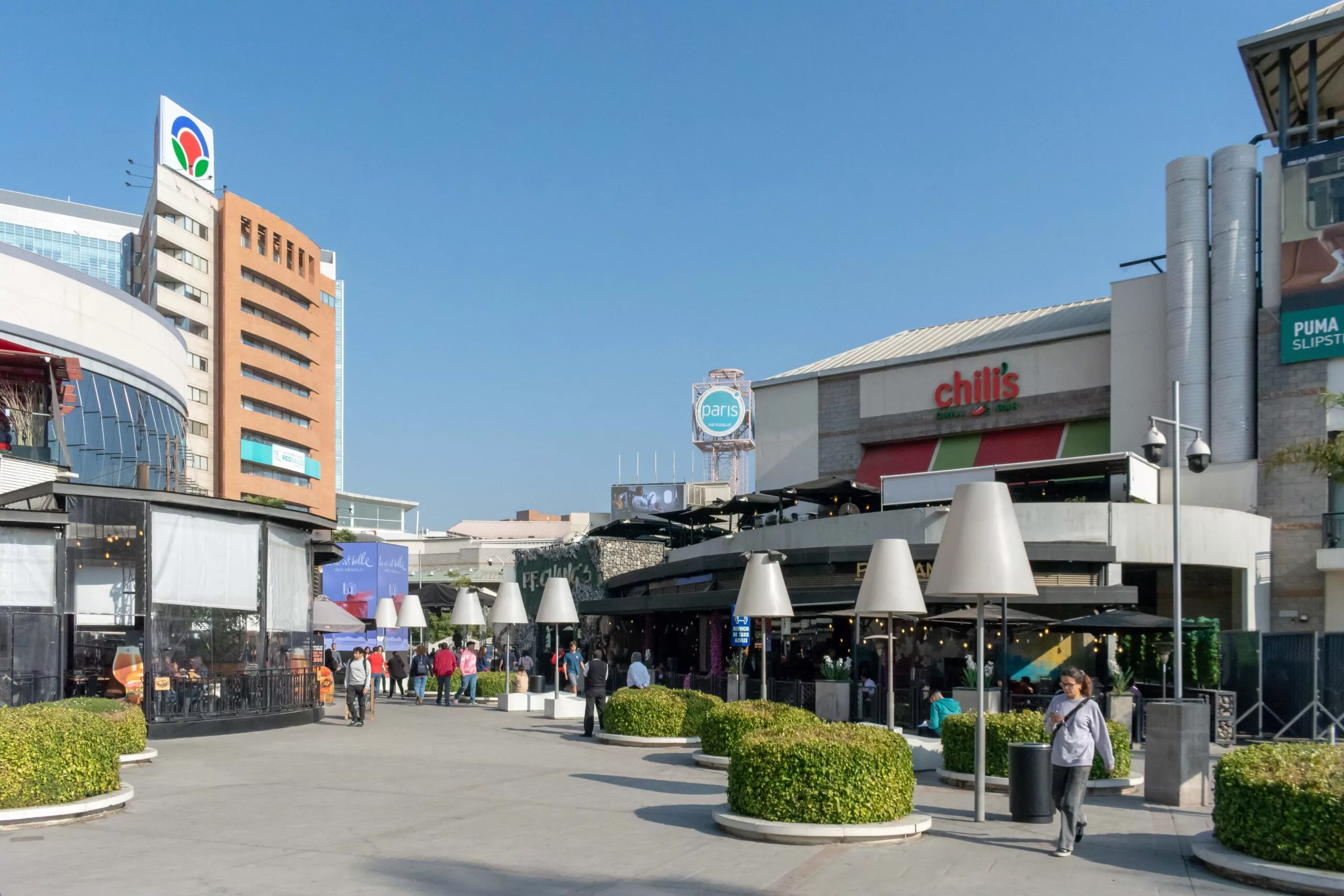
Santiago hosts several well-established private clinics frequently used by foreigners and higher-income residents.
Common names include Clínica Las Condes, Clínica Alemana and Clínica Indisa, all located in the capital.
These facilities generally work with major ISAPRE plans, though coverage ratios vary by contract.
Patients paying out of pocket can still access these clinics, but costs are significantly higher than public hospital rates.
The choice between FONASA and an ISAPRE directly affects whether a foreigner can realistically use these private providers.
Costs for typical treatments
Exact fee amounts change with inflation, provider and specific diagnosis, so patients should treat published prices only as approximations.
Public hospital treatment under FONASA involves copayments that depend on the affiliate’s income group A, B, C or D.
Group A patients receive care in the public network free of charge.
ISAPRE affiliates pay according to plan coverage percentages, which can range from partial to nearly full reimbursement depending on the network tier.
Foreigners without any local coverage must pay full private rates, a strong incentive to enrol promptly after obtaining a RUT.
Waiting lists in the public system
FONASA users face waiting lists for specialist consultations and elective surgeries that can stretch for months.
The exact waiting time depends on the specialty, region and hospital, so no single reliable figure applies nationwide.
ISAPRE coverage typically reduces waits by directing patients to private clinics and specialists.
Foreigners who need predictable scheduling often choose private insurance for that reason.
Emergency care, however, cannot be denied in public or private facilities regardless of insurance status, though uninsured patients must pay.
Enrolment steps for foreigners
Neither FONASA nor ISAPREs will enrol a foreigner using a passport alone, according to multiple expat-focused sources.
Applicants need a Chilean RUT or RUN tax identification number issued by the Servicio de Registro Civil e Identificación.
They also need proof of residency, such as a temporary or definitive residence visa, and usually a work contract or income evidence.
Foreigners with a local employment contract are defaulted into FONASA if they do not expressly choose an ISAPRE.
The employer handles registration, monthly withholding and payment of the 7 percent contribution in that case.
Direct FONASA enrolment without an employer
Retirees, remote workers and dependents with residency but no employer can enrol as voluntary or independent contributors.
They may visit a FONASA branch or use the online portal with ClaveÚnica, Chile’s single sign-on system.
Required documents include the Chilean identity card, visa or residence document, and proof of income where applicable.
Dependents can be registered as cargas familiares to extend coverage within the same family group.
Legal residents with no taxable income may qualify for FONASA Group A and receive free public system coverage without monthly contributions.
What retirees should know
Retirees with no Chilean taxable income can avoid the 7 percent contribution if they qualify for FONASA Group A.
Those with pension income in Chile generally pay 7 percent unless they receive specific rebates or bonifications under current rules.
An ISAPRE remains possible for retirees, but age and health status strongly influence premiums and exclusions.
Pre-existing conditions disclosed in the health declaration often trigger waiting periods, meaning immediate private coverage for those diseases is unlikely.
The practical choice for many older foreigners is therefore FONASA for baseline public coverage, supplemented by out-of-pocket private care when needed.
More: Chile news in English, every day from The Rio Times.
Choosing between FONASA and ISAPRE
FONASA offers lower overall cost and solidarity protection but longer waits and limited access to elite private clinics.
An ISAPRE provides faster private care and broader provider choice but charges more than the 7 percent base for many plans.
Foreigners with serious pre-existing conditions may find ISAPRE enrolment harder or more expensive because of the mandatory health declaration.
Those employed by a Chilean company can rely on the employer to route contributions, while self-employed and retired residents must handle enrolment themselves.
The core decision for every expat remains the same: accept public system waiting times or pay extra for private ISAPRE speed and choice.
Connected Coverage
Aitana in Santiago, Chile: Cuarto Azul World Tour at Movistar Arena on October 19, 2026
The Big Picture
Latest developments
- Chile Stocks Slip 0.31% as Peso Weakens — 23 October 2026
- Codelco, Pucobre Win Tovaku US$870M Approval — 23 October 2026
- Copec, Aramco, Enex Fight US$3M Cyber Fines — 23 October 2026
- Credicorp Sees Chile Dollar Spike Past 1,000 — 23 October 2026
This article was produced by The Rio Times’ automated newsroom system. How we use AI · Report an error · Editorial responsibility: Matthias Camenzind, Editor-in-Chief
Expat Guide to Chile
What The Rio Times publishes for foreigners who live in or move to Chile.
Start here
- Chile Security and Crime Explained 2026
- Santiago Rent for Foreigners in 2026, US$422 to US$886
- Best Places to Live in Chile for Expats 2026
- Chile’s Rent Unit Rose 0.6% Before Inflation Data
City guides
Coming up in Chile
- Los Fabulosos Cadillacs Play Santiago on 29 October 29 Oct
- Foro de las Artes 2026 in Santiago, Chile: 30+ Free Events, 1–30 October 30 Oct
- Iron Maiden in Santiago, Chile: Two Estadio Nacional Nights, October 31 and November 1, 2026 31 Oct
- Torres del Paine O Circuit Could Reopen 1 November 2026 1 Nov
Understand Chile