Kast Tightens Chile Migration as Foreign Retirees Face New Residency Path
Guides · Chile
—The stakes. Retiring in Chile now runs through the 2022 Migration Law, which requires most residence applications to be filed from abroad before travel.
—The route. A retiree or rentista temporary residence permit typically lasts one to two years before the holder can seek permanent residence.
—The costs. Santiago remains Chile’s most expensive city overall, while Puerto Varas and Viña del Mar often offer lower housing costs for comparable space.
—The care. Foreign retirees access health coverage through the public FONASA fund or private ISAPRE insurers, with voluntary enrolment common for those without Chilean wages.
—The politics. President Kast has prioritised stricter migration enforcement, including deportation flights, but the legal residency categories for retirees remain open.
Chile’s retirement residency system now operates under a post-2022 legal structure that demands patience and paperwork. The Kast government’s enforcement rhetoric has not closed the route, but it has raised the stakes for compliance and planning.

The 2022 migration reform fixed retiree entry rules
Chile’s current immigration rules come from Ley 21.325, the Migration and Foreigners Law in force since 2022.
The law consolidated residency into two main statuses: Residencia Temporal for temporary stays and Residencia Definitiva for permanent residence.
A major change removed the old practice of entering as a tourist and switching to a visa from inside Chile.
Most residence applications must now be filed from abroad, before travel, through the Servicio Nacional de Migraciones, known as SERMIG.
For foreign retirees, the relevant category is a Residencia Temporal subcategory for retired foreigners or leasers, often called Jubilados y Rentistas.
What the retiree and rentista permit actually requires
SERMIG grants this residence permit to foreigners with a retirement pension from their country of residence sufficient to cover at least basic needs in Chile.
Applicants may also qualify by showing constant income from real estate or financial assets that is regular and sufficient under parameters set by Chile’s Ministry of Social Development and Family.
Chile does not publish a fixed minimum income for this category. Advisors typically cite a practical benchmark of USD 1,000 to 1,500 monthly for a single retiree.
Dependents often require an additional USD 500 to 600 per month under common advisory practice, not statutory law.
Some advisors also note that lump-sum assets of around USD 125,000 can support an application, although this is a practice benchmark rather than an official minimum.
Filing from abroad now defines the process
The retiree application must be submitted from outside Chile via SERMIG’s Portal de Trámites Digitales.
Applicants log in with a dedicated account or through the Chilean ClaveÚnica identification system.
A passport must be valid for at least one year from the application date.
Criminal record certificates from the country of origin must be no more than 60 days old at issuance.
Foreign documents need apostille or legalisation, and documents in languages other than Spanish or English require authorised translation.
Temporary to permanent residence takes about two years
The Residencia Temporal permit for retirees is commonly granted for one to two years and can be renewed.
Most foreign residents can qualify for Residencia Definitiva after about 24 months of temporary residency.
In some family-linked categories, such as having a Chilean spouse or child, permanent residence eligibility can come after 12 months.
The 2022 law relaxed or removed minimum stay rules for some categories, but applicants must still show genuine residence ties and continued self-sufficiency.
Permanent residence then becomes the gateway to Chilean citizenship by naturalisation.
The five-year path to citizenship
After five total years of legal residency in Chile, including time spent on temporary residence, a foreigner can apply for citizenship.
The citizenship process itself can take around two years once the application is filed.
The five-year clock counts total lawful residence since the first temporary permit was granted.
Retirees who move through the temporary permit and permanent residence stages can therefore expect a multi-year commitment before naturalisation.
This timeline has remained consistent in advisory guidance under the post-2022 legal framework.
Work rights for people on passive income visas
Despite the retiree and rentista category being aimed at passive income, holders receive full work authorisation in Chile.
A retiree on this temporary residence can take employment, provide consulting services, or start a business.
This flexibility matters for foreigners who want to supplement pensions or transition into local economic activity.
It also distinguishes the Chilean route from retirement visas in other countries that prohibit work entirely.
The right to work applies from the temporary residence stage, before permanent residence is obtained.
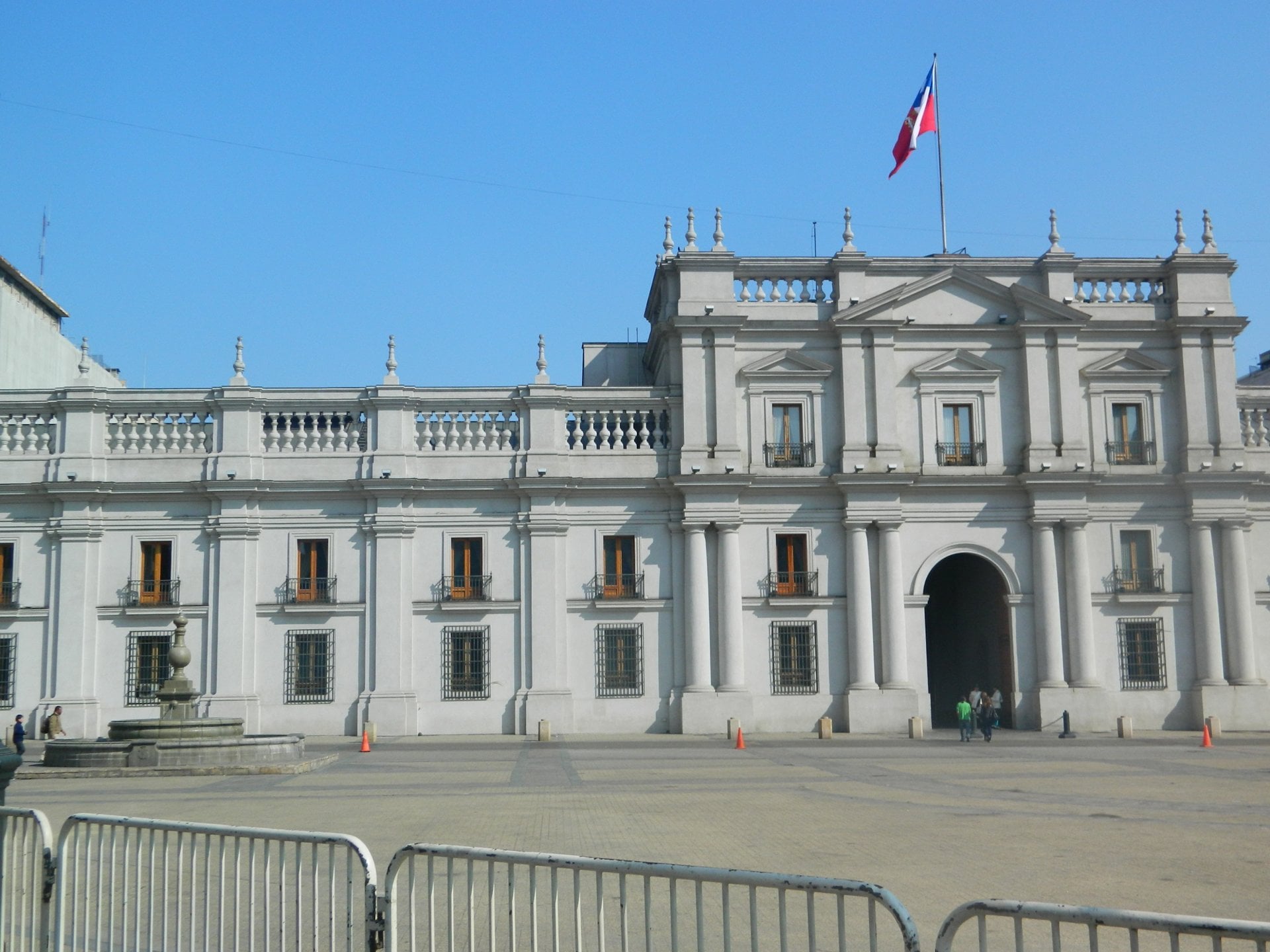
Cost of living in Santiago remains highest
Santiago is Chile’s most expensive city overall, mainly because of housing costs.
Comfortable retiree lifestyles in Santiago generally require higher budgets than in smaller or southern cities.
Supermarket prices are broadly similar nationwide, though Santiago offers more competition and discount chains.
Dining out can be more expensive in tourist coastal and southern zones during peak season than in non-tourist Santiago neighbourhoods.
The largest gap between the capital and other cities tends to appear in rent for central or high-amenity neighbourhoods.
Viña del Mar and Puerto Varas offer lower housing costs
Viña del Mar, on the Pacific coast, has rents that are slightly lower or similar to Santiago for comparable apartments.
Strong demand in seaside areas can push prices up, especially during summer months.
Puerto Varas, in the south, generally has lower rents than Santiago in many cases.
High-end lake-view properties in Puerto Varas can command premium prices, much like prime Santiago districts.
For budget-conscious retirees, Puerto Varas often delivers more space per dollar than the capital.
FONASA and ISAPRE define healthcare access
Chile runs a mixed public-private health system built around two institutions.
FONASA, the Fondo Nacional de Salud, is the public health insurance fund covering workers via payroll and registered dependents.
ISAPREs, or Instituciones de Salud Previsional, are private insurers chosen by higher-income individuals or those wanting broader provider choice and shorter waits.
Foreign residents with legal status and taxable income enter the system similarly to Chilean nationals.
Retirees with no Chilean wage income must typically enrol voluntarily in FONASA if eligible or purchase a private ISAPRE or international plan.
How the Kast government approaches migration
President Kast has made stricter migration enforcement a visible priority since taking office.
In April 2026, Chile carried out its first deportation flight under a new migration plan, according to Reuters.
Kast has also announced immigration bills during a visit to the northern border city of Arica.
His rhetoric and enforcement focus have centred on irregular migration and border control, particularly in northern Chile.
Legal residence categories for retirees and rentistas under the 2022 law remain operational within this stricter enforcement climate.
More: Chile news in English, every day from The Rio Times.
Practical planning for foreign retirees
Foreigners should begin the SERMIG application from their home country before travelling to Chile.
Documents must be fresh, translated, and apostilled or legalised to avoid refusal on formal grounds.
Income evidence should be continuous and clearly documented, even though Chile does not publish a fixed threshold.
Choosing between Santiago, Viña del Mar, and Puerto Varas depends on housing budget, seasonal tourism, and available healthcare providers.
The Kast government’s enforcement posture means applicants should expect closer scrutiny of criminal records, income sources, and compliance with residence conditions.
Connected Coverage
Aitana in Santiago, Chile: Cuarto Azul World Tour at Movistar Arena on October 19, 2026
The Big Picture
Latest developments
- Chile Plans Observer Role in US Cartel Pact — 24 October 2026
- Santiago Marathon in Chile on 16 May 2027 — 24 October 2026
- Falabella Rewards Plan Has 12M Chile Clients — 24 October 2026
- Insurers Sue Cencosud for US$10.8M Over Fire — 24 October 2026
This article was produced by The Rio Times’ automated newsroom system. How we use AI · Report an error · Editorial responsibility: Matthias Camenzind, Editor-in-Chief
Expat Guide to Chile
What The Rio Times publishes for foreigners who live in or move to Chile.
Start here
- Chile Security and Crime Explained 2026
- Santiago Rent for Foreigners in 2026, US$422 to US$886
- Best Places to Live in Chile for Expats 2026
- Chile’s Rent Unit Rose 0.6% Before Inflation Data
City guides
Coming up in Chile
- Los Fabulosos Cadillacs Play Santiago on 29 October 29 Oct
- Foro de las Artes 2026 in Santiago, Chile: 30+ Free Events, 1–30 October 30 Oct
- Iron Maiden in Santiago, Chile: Two Estadio Nacional Nights, October 31 and November 1, 2026 31 Oct
- Torres del Paine O Circuit Could Reopen 1 November 2026 1 Nov
Understand Chile