Peru Explained 2026: The Country, Its Politics, Its Economy and What to Watch
GUIDES · PERU
Key Facts
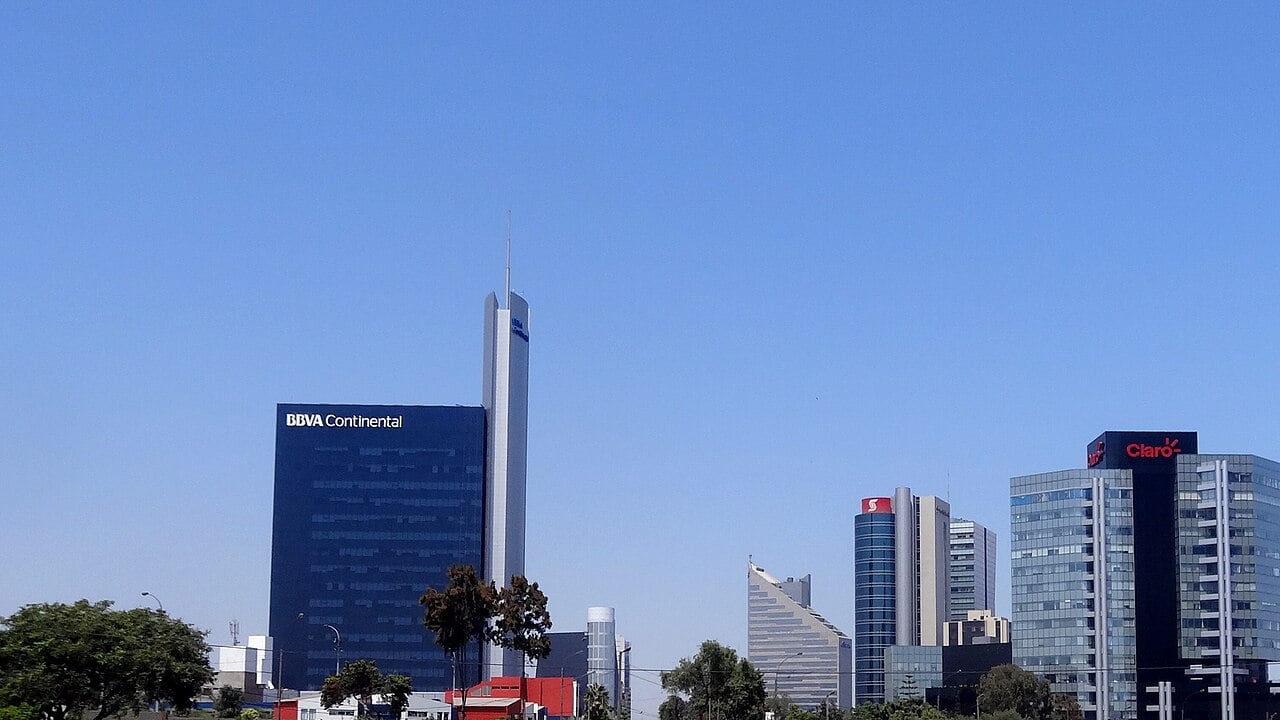
- —Capital Lima, on the desert coast, with the port of Callao adjoining it. Roughly a third of Peruvians live in the metropolitan area.
- —Population About 34.2 to 34.6 million. Peru’s own 2025 census counted 34,157,732; the World Bank estimates 34,576,665 for the same year.
- —Currency The sol, written S/. It averaged 3.365 to the US dollar in August 2026 and has been unusually stable, between 3.36 and 3.45 all year.
- —Language Spanish, with Quechua, Aymara and other indigenous languages official in the areas where they predominate rather than nationwide.
- —Economy Copper, gold and zinc, fishmeal and a fast-growing farm export sector. Growth was 3.13 percent for January to July 2026, a 28th straight month of expansion.
- —Government A unitary republic. One five-year presidential term with no immediate re-election, a single-chamber legislature, and a handover always on 28 July.
Peru explained for newcomers: why the economy keeps growing while the politics keeps collapsing, and what the next twelve months actually hold.
Peru explained means holding two facts together. The country has changed president repeatedly over the past decade, and its economy has expanded for twenty-eight consecutive months. Peru is the clearest case in the region of an economy that does not much care who is in the presidential palace.
What kind of country is this?
Peru divides into three worlds and Peruvians name them constantly. The costa is a narrow desert strip along the Pacific where Lima sits and where most of the money is. The sierra is the Andes, high, cold and where most of the mining happens. The selva is Amazon rainforest and covers more than half the territory with a small fraction of the people.
That division explains most Peruvian politics. Coastal Lima and the Andean and Amazonian interior vote differently, earn differently and experience the state differently. Nearly every recent national election has turned into a contest between the capital and everywhere else, and the winner has usually been whoever the interior disliked least.
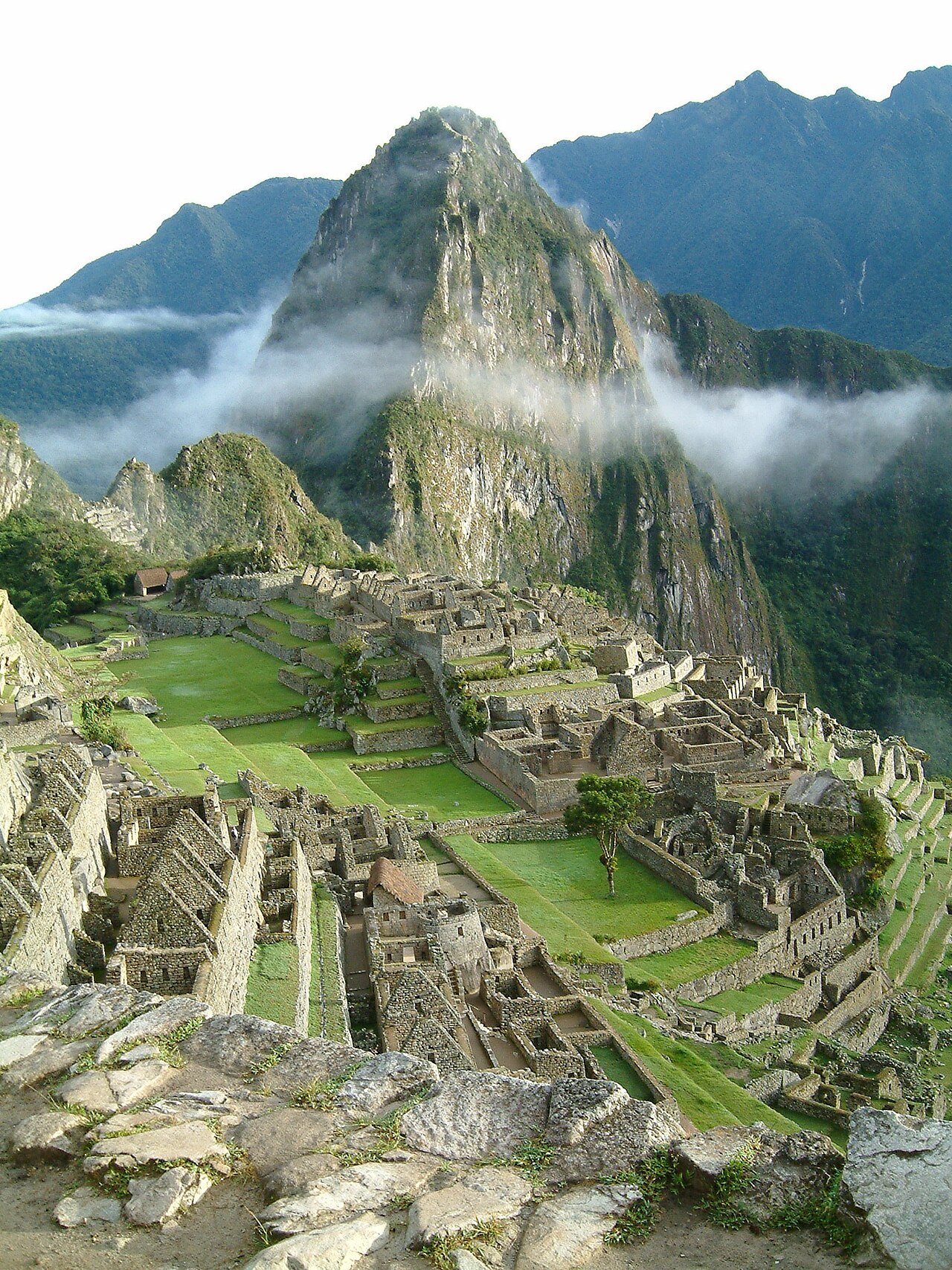
The historical layer is unusually deep. The Inca state, centred on Cusco, was the largest in pre-Columbian America when Spanish forces arrived in 1532. Lima then served as the capital of Spanish South America for two centuries. Independence came in 1821. A newcomer will meet that history daily, in place names, in food and in the fact that Machu Picchu is a national economic asset as much as a monument.
Who runs Peru and how
Keiko Fujimori of Fuerza Popular was inaugurated on 28 July 2026 for the term to 2031. She won the runoff of 7 June 2026 by 9,223,396 votes to 9,173,755, a margin of 49,641 votes, or 50.13 percent to 49.87. The electoral court proclaimed her president-elect on 3 July. She is the first woman elected to the office.
The presidency runs five years with no immediate re-election, and the handover is always on 28 July. The legislature is the place to watch, though, because of one clause. Congress can remove a president for incapacidad moral permanente, permanent moral incapacity, a phrase the constitution never defines. That clause is the engine of Peru’s instability.
A prime minister and cabinet serve alongside the president and can be censured individually by Congress. So a Peruvian government is a permanent negotiation with a legislature that holds a removal power of uncertain scope. Understanding that is more useful than knowing any particular party’s platform.
The practical consequence for anyone outside politics is continuity of the technical state. The central bank, the tax authority and the mining permitting system have carried on through successive removals. That is why the economy has grown for twenty-eight straight months across several presidencies.
How the economy works
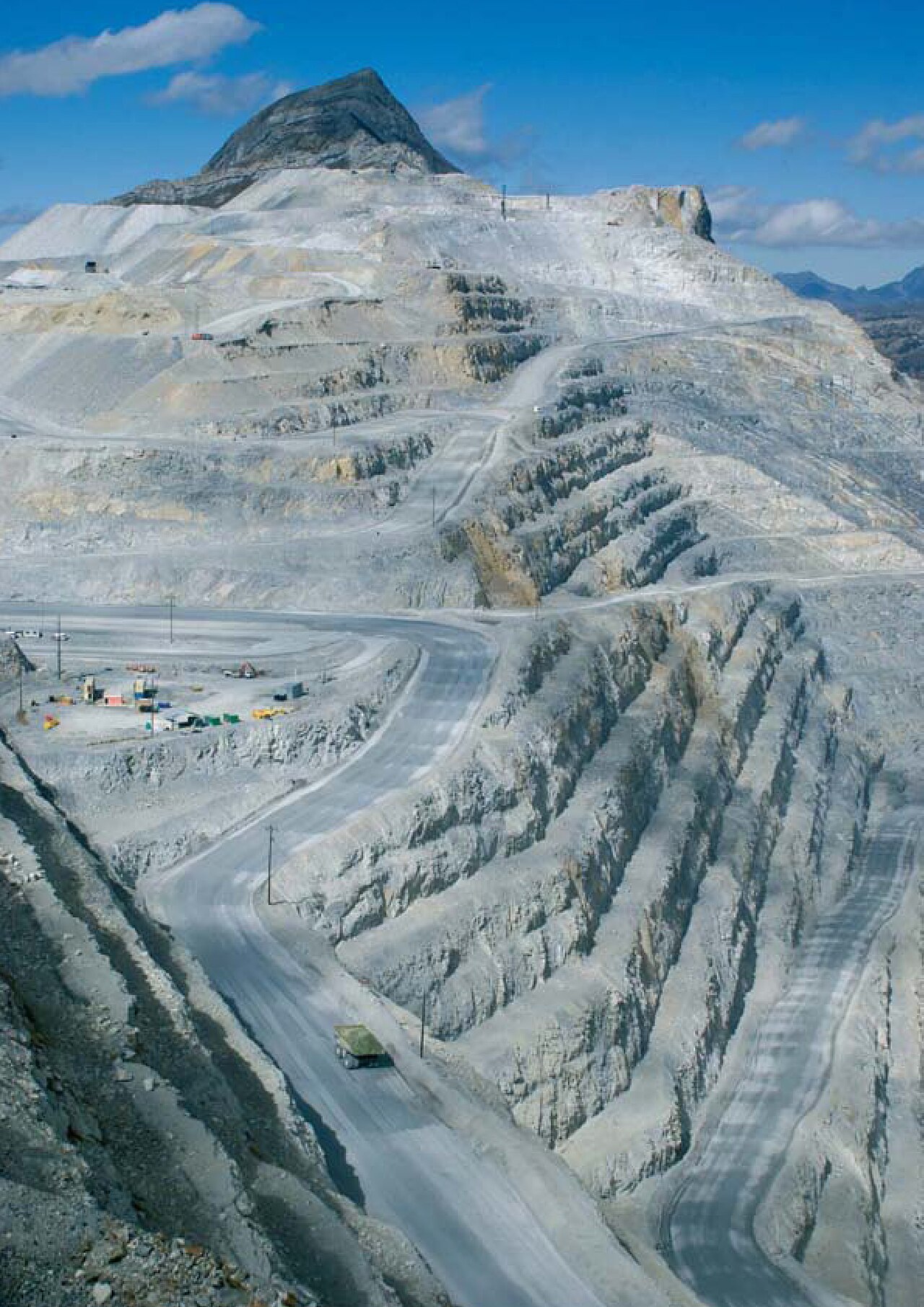
Peru sells minerals. Copper above all, then gold and zinc, alongside fishmeal and an agricultural export sector that has grown fast on blueberries, grapes and avocados. Mining is the foreign-currency engine and farming is the employment engine, and the two rarely appear in the same news story.
Growth has been steady rather than spectacular. Output rose 3.56 percent in July 2026 and 3.13 percent cumulatively for January to July, which the central bank and the finance ministry round to 3.6 and 3.1 percent. Construction and commerce led in July. The finance ministry counts twenty-eight consecutive months of expansion.
Forecasts have just been cut. In its September 2026 inflation report the central bank lowered growth to 3.2 percent for 2026 and 3.0 percent for 2027, both down 0.2 points. It attributed the revision to a more severe El Niño than previously assumed.
Prices have turned the wrong way. Annual inflation in metropolitan Lima reached 4.44 percent in August 2026, the highest since September 2023 and a third consecutive monthly acceleration. The target range is 1 to 3 percent. The central bank has nonetheless held its reference rate at 4.25 percent since September 2025, twelve meetings without a change. That is the Peru explained puzzle in one line: prices rising, policy unchanged.
What is happening right now
As of 24 September 2026 Peru is ten days from regional and municipal elections. On 4 October voters choose 25 regional governors, 196 provincial mayors and 1,695 district mayors, along with thousands of councillors. It is the first national test of a government two months old, and security is dominating the Lima mayoral race.
The second story is the weather, and it is an economic story. The central bank has upgraded its classification of the current El Niño from strong to extraordinary. The World Meteorological Organization confirmed the event on 2 June 2026. Peru is directing 1,146 million soles through a works-for-taxes mechanism into agricultural prevention, and the agriculture ministry is publicly insisting food supply is unaffected.
The third is the papal visit. The Holy See published the itinerary on 21 September 2026 for a journey to Uruguay, Argentina and Peru from 6 to 17 November. Peru is the longest leg, from 11 to 17 November, taking in Lima, Chiclayo, Cusco and Pucallpa. Pope Leo XIV was a missionary in Peru from 1985, Bishop of Chiclayo from 2015 to 2023, and became a naturalised Peruvian citizen in 2015.
What to watch
The election on 4 October 2026 is the near date. A regional governorship goes to a second round if no candidate reaches 30 percent of valid votes. The runoff date was not published in the sources available when this guide was written.
The papal visit from 11 to 17 November will move domestic flight capacity and hotel prices in four cities at once. The consumer protection agency has already published a passenger rights guide for the expected surge. Anyone travelling in Peru that week should book early or avoid it.
On the data, the statistics institute has been publishing consumer prices around the first of each month and the output figure around the fifteenth. The central bank decides monthly, and its September decision came on the eleventh. Those are observed patterns rather than published calendars, because both institutions’ own sites were unreachable when this guide was written, so check the dates before planning around them.
What this means for foreigners
Entry is straightforward for most Western passports. Peru is visa-free for tourists from the United States, the United Kingdom, the European Union, Canada, Australia and most of Latin America. Immigration stamps a discretionary stay on arrival, up to a maximum of 183 days in any twelve months. Residency categories cover workers, investors, people with passive income and family reunification.
The tax rule has a quirk worth knowing before you book flights. You become a Peruvian tax resident after more than 183 days of physical presence in any twelve-month period, and residents are taxed on worldwide income. But the status is assessed at the start of the fiscal year. If you cross the threshold after 30 June, resident treatment does not begin until 1 January of the following year. Arriving in the second half of the year defers Peruvian tax residency by months.
Healthcare is fragmented into three tiers. The health ministry covers roughly 60 percent of the population, largely through a free public insurance scheme. The social security insurer covers formal employees. Above both sits a private sector concentrated in Lima that most foreign residents use, and where serious cases are treated.
On costs, Peru is genuinely inexpensive by North American or Western European standards, and any single national figure is misleading. Crowd-sourced estimates put a single person at roughly US$536 a month excluding rent, with a one-bedroom flat in a city centre around US$511. Those come from a thin sample and average Miraflores together with towns that bear no resemblance to it.
The sol is the quiet advantage. It has traded between 3.36 and 3.45 to the dollar all year, which in this region is remarkable. That removes the currency guesswork that dominates budgeting in Argentina or Venezuela. Peru explained for someone considering a move: a stable currency and a competent central bank, attached to a political system that removes presidents.
Connected Coverage
Sources: Output and inflation from INEI as reported by Peruvian outlets, the reference rate and forecasts from the Banco Central de Reserva del Perú, the election result from the official state gazette, the papal itinerary from the Holy See press office and tax residency from PwC’s summary of Peruvian law.
- El Peruano, the official state gazette — the electoral court proclaims the president-elect
- Forbes Perú, reporting INEI — output up 3.56 percent in July 2026
- Infobae, reporting the central bank — growth forecasts cut and inflation raised
- Forbes Perú — the reference rate held at 4.25 percent for a twelfth month
- Vatican News — itinerary for the apostolic journey to Uruguay, Argentina and Peru
- Banco Central de Reserva del Perú — monthly exchange rate series
- PwC Worldwide Tax Summaries — Peru, individual residence
- TV Perú, reporting the finance ministry — twenty-eight months of expansion
What Is Not Known
Peru’s exact population and the size of its economy. Peru’s own 2025 census counted 34,157,732 people while the World Bank estimates 34,576,665 for the same year. On output, the World Bank puts 2025 at about US$334.9 billion and an International Monetary Fund-based 2026 estimate at about US$380.9 billion. These are not reconcilable and neither should be quoted alone.
The central bank’s remaining 2026 meeting dates and the statistics institute’s release calendar. Both institutions’ own sites blocked automated access when this guide was written. The patterns described above are inferred from observed publication dates, not from a published calendar, so verify before planning around them.
Machu Picchu’s current official ticket prices and capacity rules, and the state of the ticketing and bus concession disputes. Every official route to that information failed. The only price figures obtainable came from a commercial reseller and were labelled 2025.
Peru’s current trade shares. The available breakdown, with China at 27.6 percent of exports and the United States at 16.7 percent, dates from 2018 and predates the Chancay megaport, which changes the Pacific logistics picture materially.
How long the current El Niño is expected to affect Peru. The central bank summary as published reads “through April 2026”, which is in the past relative to the report itself, and is almost certainly an error for April 2027. Until the bank corrects it, treat the end date as unknown.
Frequently Asked Questions
Who is the president of Peru in 2026?
Keiko Fujimori of Fuerza Popular, inaugurated on 28 July 2026 for the term to 2031. She won the runoff of 7 June 2026 by 49,641 votes, or 50.13 percent to 49.87, and is the first woman elected to the office.
Why does Peru change presidents so often?
Because Congress can remove a president for what the constitution calls permanent moral incapacity, a phrase it never defines. That clause, combined with a legislature that can also censure individual ministers, is the mechanism behind a decade of removals.
Is the Peruvian economy actually growing?
Yes. Output rose 3.56 percent in July 2026 and 3.13 percent cumulatively for January to July, and the finance ministry counts twenty-eight consecutive months of expansion. The central bank has nonetheless cut its forecasts to 3.2 percent for 2026 and 3.0 percent for 2027, citing El Niño.
When does a foreigner become a Peruvian tax resident?
After more than 183 days of presence in any twelve-month period, with residents taxed on worldwide income. The status is assessed at the start of the fiscal year, so crossing the threshold after 30 June defers resident treatment until 1 January of the following year.
Do I need a visa to visit Peru?
Not for tourism if you hold a passport from the United States, the United Kingdom, the European Union, Canada, Australia or most Latin American countries. Immigration stamps a discretionary stay on arrival, up to a maximum of 183 days in any twelve-month period.
Is the Peruvian sol stable?
Unusually so for the region. It averaged 3.365 to the US dollar in August 2026 and has traded between roughly 3.36 and 3.45 through the year, which removes most of the currency guesswork that dominates budgeting elsewhere in South America.
This article was produced by The Rio Times’ automated newsroom system. How we use AI · Report an error
Read More from The Rio Times