
ANALYSIS · PERU ELECTIONS 2026
Key Facts
- —The vote Peru elects regional and local officials on Sunday 4 October 2026. Polls are open 7 a.m. to 5 p.m. in Lima: 8 a.m. to 6 p.m. Eastern Time, 1 p.m. to 11 p.m. in Lisbon.
- —What is chosen 13,148 posts, including 25 regional governors, 196 provincial mayors and 1,696 district mayors, for terms from 2027 to 2030 (ONPE). Nobody elects a president or Congress.
- —Who votes 26,314,648 Peruvian voters, plus 76 foreign residents who may vote only in municipal races (ONPE).
- —Lima Former mayor Rafael López Aliaga leads every final poll, with 20% to 30% depending on the pollster. The electoral jury has not said whether he could take office if his list wins.
- —The count ONPE says its results site opens at 6 p.m. ET and fills as tally sheets arrive. A governor needs 30% of valid votes to avoid a runoff, set for Sunday 29 November.
- —Why Americans care Peru mined about 2.7 million tonnes of copper in 2025 (USGS estimate). Southern Copper, Freeport-McMoRan and Buenaventura trade in New York, and mining regions vote on Sunday.
Peru, a copper powerhouse in the Andes, holds regional and municipal elections on Sunday. Polls open at 8 a.m. Eastern Time and close at 6 p.m. (7 a.m. to 5 p.m. in Lima). The national electoral office, ONPE, says its results website starts showing counted tally sheets from 6 p.m. ET.
The vote does not change who runs the country. President Keiko Fujimori, who took office on 28 July, stays in place. But the races decide who governs 25 regions and the capital, and several of them sit on top of the world’s big copper deposits.
For US readers, the stakes are mining, security and politics. This guide explains the Lima race, the regions to watch, the violence that has marked the campaign and the timetable of the count. Official results can take weeks, so Sunday night will give a first picture, not a final one.
What Peruvians are voting for
Peru has three layers of local government. Sunday’s ballot fills all of them at once. ONPE lists 13,148 posts in total.
| Post | Seats on the ballot | How a winner is decided |
|---|---|---|
| Regional governors | 25 (plus 25 vice-governors) | At least 30% of valid votes, or a runoff on 29 November |
| Regional councillors | 364 | Seats allocated by party list |
| Provincial mayors | 196 (plus 1,724 councillors) | Most votes wins, no runoff |
| District mayors | 1,696 (plus 9,118 councillors) | Most votes wins, no runoff |
Voting is compulsory for Peruvians. Voters can use expired identity cards, the electoral jury says. Foreign residents can vote only for mayors and councillors.

The race for Lima
Lima is the prize. It is Peru’s capital and by far its largest city, and its mayor runs local transport, streets and municipal services. Publishing polls has been banned since 28 September, so the numbers below are the last public ones.
| Pollster and dates | López Aliaga (Renovación Popular) | Carlos Bruce (Somos Perú) | Francis Allison (Avanza País) |
|---|---|---|---|
| Datum, 23–25 Sept (simulated valid votes) | 29.6% | 17.2% | 13% |
| Ipsos, 24–25 Sept (valid-vote simulation) | 30% | 15.6% | 15.1% |
| CPI, late Sept (valid-vote simulation) | 27.2% | 15.2% | 10.4% |
| IEP, 4–10 Sept (voting intention) | 20.1% | 17.1% | 4.7% |
Ipsos’ direct question, a different measure, gave López Aliaga 25%, Bruce 14% and Allison 13%. Daniel Urresti (Podemos Perú) had 8% and Samuel Daza of President Fujimori’s Fuerza Popular 6%. All four polls point the same way, but the gap to the runner-up ranges from 3 to 14 points.
There is one legal catch. López Aliaga ran Lima from 2023 to 2025 and is on the ballot as first councillor, not as mayoral candidate, because of rules on immediate re-election. If his list wins, it is unclear whether the electoral jury (JNE) would give him the mayor’s credential. JNE president Roberto Burneo said on 28 September that the full court will decide, and no date has been announced. See our Lima poll report.
The regions to watch
Regional polling is thin. Ipsos published a scientific survey for Arequipa and Datum one for Callao. For most other regions we found only candidate lists and online straw polls, which are not representative, so we do not rank them.
| Region | Why it matters | Latest public signal |
|---|---|---|
| Arequipa | Peru’s second city; home to the Cerro Verde copper mine and the Tía María project | Ipsos, 23–25 Sept (405 interviews, margin ±4.9 points): Elmer Cáceres (APP) 12%, Florentino Zegarra (Fuerza Arequipeña) 12%, Benigno Cornejo 10% |
| Áncash | Hosts the Antamina copper and zinc mine; candidate Susy Aponte Polo was shot dead on 19 September | Eleven slates remain. No scientific poll found |
| Callao | Peru’s main port, next to Lima | Datum (6–21 Sept, 1,700 interviews) has Pedro Spadaro ahead in the race for regional governor |
| La Libertad | Home to the Pataz gold district; eight slates | No scientific poll found |
| Cusco, Puno, Cajamarca, Piura | Mining and energy interests across the Andes and the north | No scientific poll found; Cajamarca has nine slates |
| Moquegua and Apurímac | Core copper regions | No scientific poll found |
With fragmented fields, a 30% winner is not guaranteed. Runoffs are likely wherever the vote splits many ways.
Mining, informal miners and the vote
Peru mined about 2.7 million tonnes of copper in 2025, the USGS estimates. Mining taxes and royalties flow to regional and local budgets, so governors and mayors in mining regions control real money.
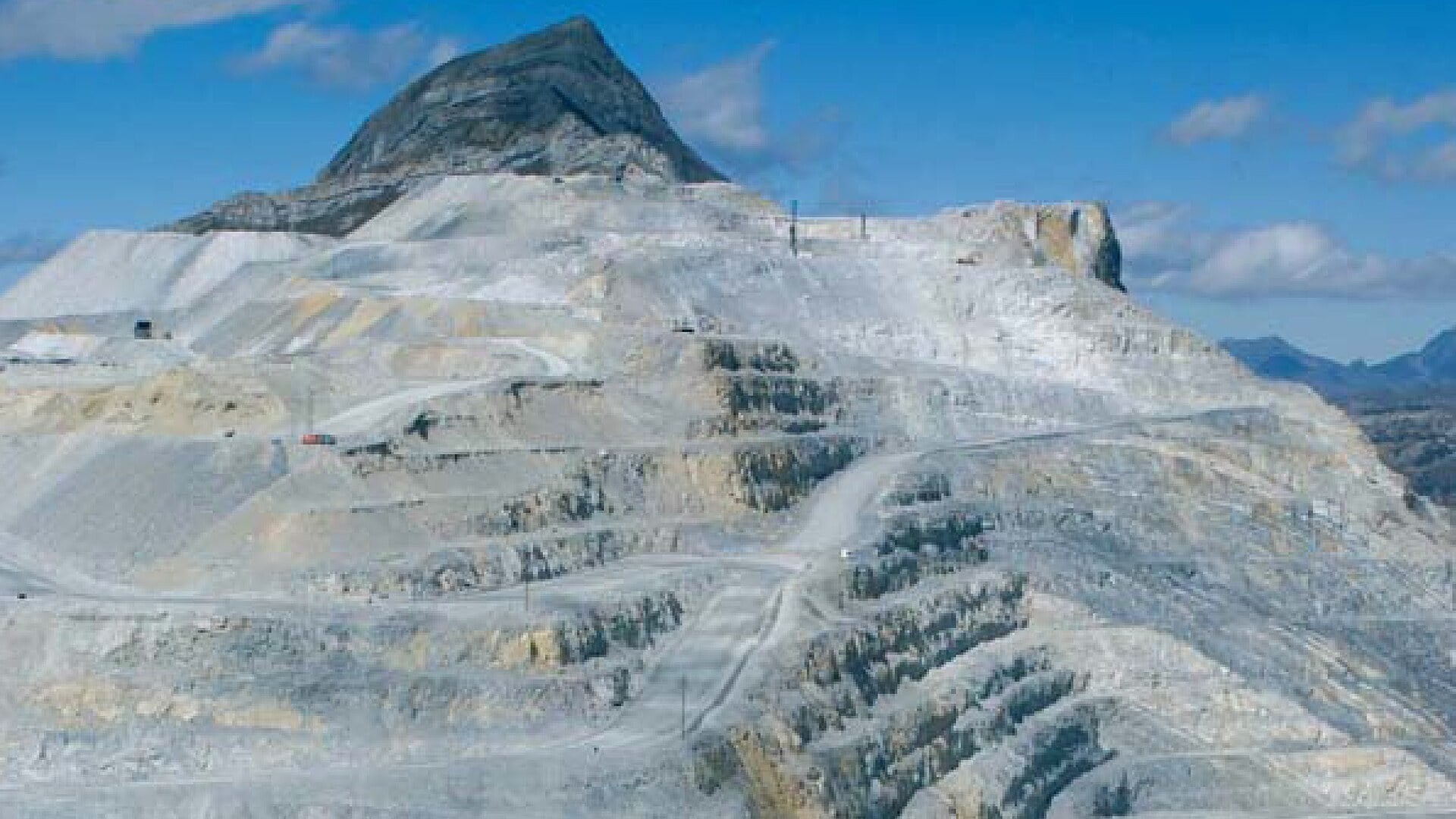
Mining licences and environmental approvals are national decisions. Regional and local governments still shape the climate around a project: they spend part of the revenue, mediate protests and decide how hard to push on informal mining.
That last issue is on the ballot. A database compiled by Territorio Tomado and reported by the trade outlet Todominería lists 735 candidates for governor, councillor and mayor registered in REINFO, the formalisation register for small and artisanal miners, whether current or suspended. Of them, 43 run for regional governments in 15 departments. Parties with the most REINFO candidates include Ahora Nación, APP, Perú Primero, Podemos Perú, Progresemos, Somos Perú and Acción Popular.
Security and violence
The campaign has been marked by the killing of Susy Aponte Polo, a journalist and candidate for governor of Áncash. She was shot dead at a market in Caraz on Saturday 19 September. Prosecutors treat it as a contract killing with a possible political motive. Press reports say the 15-day preliminary detention of two suspects runs out around election day. Our Caraz case report follows the investigation.
The state has answered with force. The National Police and the Interior Ministry will deploy 57,738 officers, about 46,000 at polling sites and 11,000 escorting election material. More than 41,000 soldiers also deploy, La República reported. See our security plan report. Prosecutors say they will have more than 6,800 staff on duty.
A dry law bans alcohol sales from 8 a.m. on Saturday 3 October to 8 a.m. on Monday 5 October, and rallies are banned. For travellers, expect closed bars, police at schools and slower transport. Details are in our dry-law explainer.
How the count works, and when to expect results
| Event | Lima | Eastern Time | Lisbon |
|---|---|---|---|
| Polls open | 7 a.m. | 8 a.m. | 1 p.m. |
| Polls close; ONPE results site opens | 5 p.m. | 6 p.m. | 11 p.m. |
Results appear on ONPE’s official site. Exit polls and private quick counts are estimates, not official figures. ONPE’s acting head, Bernardo Pachas, said a full count in regional races takes about two weeks. The JNE resolves disputed tally sheets and proclaims the winners. Close races may stay open for weeks while disputed sheets are reviewed.
What is at stake
Nationally, this is the first test for President Fujimori, who beat Roberto Sánchez in the June runoff by 50.135% to 49.865% on ONPE’s final count. Her party’s Lima candidate polls only 6%, so the vote will show how much local ground Fuerza Popular holds.
For investors, nothing on Sunday’s ballot changes national mining or tax law. The risks are local: protest, informal mining and the safety of candidates. The US-listed names with Peruvian exposure include Southern Copper, Freeport-McMoRan, which holds a stake in Cerro Verde, and Buenaventura. A governor who backs or blocks a project can matter more than a national headline.
The wider picture is in our guide to Peru’s role in Latin America.
The runoff on 29 November
Where no governor reaches 30% of valid votes, the top two meet on Sunday 29 November. The JNE set the date on 30 September and will ask the president to formally call it. New officials take office on 1 January 2027. Mayors have no runoff. Read more in our runoff-date report.
What it means for you
Investors: expect a slow, noisy count. Do not read Sunday’s early numbers as final, and watch mining regions for governors who take a firm line on protests or informal mining. The EODHD calendar lists a central-bank rate decision on 7 October, with the policy rate previously at 4.25%.
Expats and residents: Peruvians must vote. Foreign residents can vote only in municipal races. Carry your documents, and avoid buying alcohol on Saturday and Sunday.
Travellers: bars and shops stop alcohol sales until Monday morning. Police and soldiers will be at schools. Avoid large political gatherings and follow instructions at polling sites.
What is not known
Four things remain open. First, whether López Aliaga could take the mayor’s office if his list wins. Second, how many regions need a runoff. Third, how quickly ONPE can count in close races. Fourth, whether the Caraz suspects’ detention is extended after Sunday. We found no verified regional polls for most regions.
What time does Peru vote on Sunday, and when are results published?
Polls are open from 7 a.m. to 5 p.m. in Lima on Sunday 4 October. That is 8 a.m. to 6 p.m. Eastern Time. ONPE says its results site opens at 6 p.m. ET and fills as tally sheets are processed.
What is Peru voting for on 4 October?
Voters choose 25 regional governors, 196 provincial mayors, 1,696 district mayors and councillors, 13,148 posts in all. They do not choose a president or Congress.
Who leads the race for mayor of Lima?
Rafael López Aliaga leads the last public polls, with 20.1% to 30% depending on the pollster and measure. Carlos Bruce is second in all of them. The JNE has not said whether López Aliaga could take office if his list wins.
Will there be a runoff?
Only for regional governors. If no candidate wins 30% of valid votes, the top two meet on Sunday 29 November. Mayoral races have no runoff.
Why does the vote matter for US investors?
Peru mined about 2.7 million tonnes of copper in 2025, and mining regions elect governors on Sunday. Nothing on the ballot changes national mining law, but local governments shape protests, revenue use and informal mining.
How long will the final results take?
ONPE’s acting head says a full count in regional races takes about two weeks, and disputed tally sheets must be reviewed by the JNE. Close races may take longer.
More: Peru news in English, every day from The Rio Times.
Sources
ONPE (ERM 2026 results site); Ipsos (last publishable poll, Lima and Arequipa); Infobae (election day); Infobae (Áncash candidates); Infobae (La Libertad); Infobae (Cajamarca); Willax (ONPE head on timing); Todominería (REINFO candidates); USGS (Mineral Commodity Summaries 2026, copper); Rio Times (JNE runoff date, from JNE). Also: JNE, ONPE, La República, Canal N, RPP, El Comercio, Exitosa, EODHD calendar (Banco Central de Reserva rate decision).
This article was produced by The Rio Times’ automated newsroom system. How we use AI · Report an error · Editorial responsibility: Matthias Camenzind, Editor-in-Chief
In depth