
GUIDES · PERU
Key Facts
- —The country An Andean republic and leading copper producer. Its free-trade agreement with the United States has been in force since February 2009.
- —President Keiko Fujimori of Fuerza Popular, in office since 28 July 2026 for the 2026–2031 term. She won the 7 June runoff with 50.135% of valid votes.
- —Prime minister Luis Galarreta, also first vice-president, heads the Council of Ministers as of October 2026. He leads a cabinet of 18 ministers.
- —Congress Two chambers again since July 2026. Fuerza Popular is the largest bloc, with 22 of 60 senators and 41 of 130 deputies (Congress registers, 6 October 2026).
- —Referees Pedro Hernández presides over the Constitutional Court, Tomás Gálvez is attorney general and Janet Tello heads the judiciary (October 2026).
- —Next votes Runoffs for regional governors on Sunday 29 November 2026 where nobody reached 30%. The next general election is due in 2031, when the current term ends.
Who runs Peru in October 2026: the president and her cabinet, a new two-chamber Congress, the courts, the parties and the next dates on the calendar.
Peru politics in 2026 turns on one president and a divided Congress. Keiko Fujimori, a conservative, took office on 28 July 2026 after winning the runoff by 49,641 votes.
For a US reader, the balance between her government and the two chambers matters directly. It decides how fast rules on crime, mining, energy and taxes can change in a big copper supplier.
Who Holds Power in Peru Politics Now
Peru is a presidential republic. The president is both head of state and head of government, and appoints a prime minister who runs the cabinet day to day.
Keiko Sofía Fujimori Higuchi, daughter of former president Alberto Fujimori, leads Fuerza Popular. She won the runoff on Sunday 7 June 2026 with 9,223,396 votes, or 50.135% of valid votes, ONPE figures show.
Her rival, Roberto Sánchez of the left-wing Juntos por el Perú, took 9,173,755 votes, or 49.865%. ONPE is the national office that runs elections and counts the vote.
The National Elections Jury (JNE) proclaimed her president-elect on Friday 3 July 2026. It proclaimed Luis Galarreta as first vice-president and Miguel Torres Morales as second vice-president, both for 2026–2031.
Both vice-presidents hold a second post. Galarreta is president of the Council of Ministers, Peru’s prime minister, according to the cabinet office. Torres Morales presides over the Senate, according to its website.
Fujimori chaired her first cabinet session on 29 July 2026, the presidency said. Its first item was a request to Congress for powers to legislate by decree on crime and the economy.
The Cabinet Ministers Who Matter
The official list of ministers names 18 portfolio holders under Galarreta as of October 2026. These are the ones a foreign investor or visitor is most likely to hear about.
- Luis Galarreta, prime minister. He steers the cabinet and the push for decree powers. In August 2026 he told deputies he would not use a confidence vote to force them through, RPP reported.
- Elmer Cuba Bustinza, economy and finance. His ministry drafts the budget, sets tax policy proposals and manages public debt.
- Carlos Espá, foreign affairs. He runs relations with Washington, Beijing and Peru’s neighbours.
- César Astudillo, interior. He commands the police and also holds a Fuerza Popular seat in the Senate, the Senate register shows. A censure motion against him collapsed on 30 September 2026 when three Obras deputies withdrew their signatures, La República reported.
- Rafael Belaunde Llosa, defence. Deputies have a motion on their agenda to call him in, with Galarreta and Astudillo, Expreso reported.
- Guillermo Shinno Huamáni, energy and mines. His ministry licenses mining, oil and power, the sectors US investors watch most.
- Rogers Valencia, foreign trade and tourism. He handles trade agreements, including the one with the United States, and tourism promotion.
- Juan Sheput, labour, and José Antonio Chang, education. Deputies have a motion to question Chang with 44 questions on their agenda, Expreso reported.
The Obras party withdrew support for the Astudillo censure motion, El Peruano and La República reported. Renovación Popular also declined to back it, El Peruano said.
Congress Has Two Chambers and Six Blocs
Law 31988 of 20 March 2024 restored a two-chamber Congress. The Senate has at least 60 members and the Chamber of Deputies at least 130, all elected for five years.
The same reform allows senators and deputies to seek immediate re-election. Every member of both chambers now serves the 2026–2031 term, the registers show.
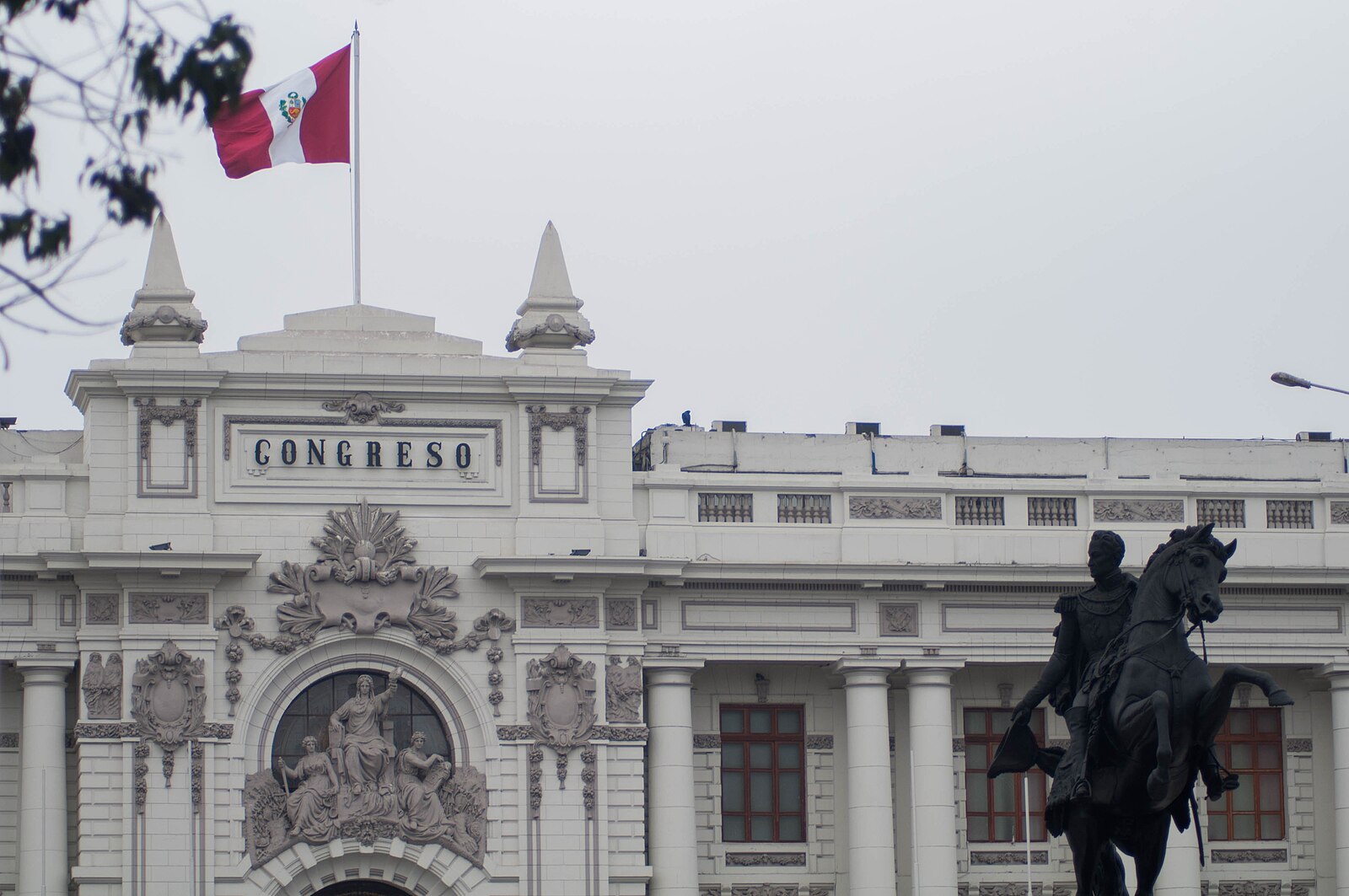
Seats by parliamentary group are listed below. They come from the official registers of each chamber, as of 6 October 2026.
- Senate (60): Fuerza Popular 22, Juntos por el Perú 14, Renovación Popular 8, Partido del Buen Gobierno 7, Partido Cívico Obras 5, Ahora Nación 4.
- Chamber of Deputies (130): Fuerza Popular 41, Juntos por el Perú 32, Partido del Buen Gobierno 18, Renovación Popular 15, Partido Cívico Obras 14, Ahora Nación 10.
The arithmetic is simple. Fuerza Popular and its ally Renovación Popular hold 30 senators, exactly half the Senate. In the Chamber of Deputies they hold 56 seats, ten short of a 66-seat majority.
The chambers are led by different camps. Miguel Torres Morales of Fuerza Popular presides over the Senate. Oscar Reto Otero of the opposition Partido del Buen Gobierno presides over the Chamber of Deputies.
The first big test is the decree-powers request. The government asked for 120 days of powers over 66 points in eight subject areas, El Comercio reported.
On 1 October 2026 the deputies’ constitution committee approved a narrower text, 13 votes to 5 with two abstentions. It grants 90 days, limited to public security and the El Niño weather threat.
Fuerza Popular filed a rival minority text for 120 days and more subjects, RPP reported. The plenary debate was set for Tuesday 6 October 2026.
Every Party in One Line
- Fuerza Popular: conservative governing party founded and led by Keiko Fujimori; tough on crime and in favour of private investment; largest group in both chambers.
- Juntos por el Perú: left-wing main opposition, led by runoff loser Roberto Sánchez; he said the decree request “does not fit the Constitution” and should be shelved (La República).
- Renovación Popular: conservative party founded by Rafael López Aliaga; government ally; its deputies declined to back the censure of the interior minister, El Peruano reported.
- Partido del Buen Gobierno: led by former defence minister Jorge Nieto, its 2026 presidential candidate; calls itself a “loyal opposition” and holds the deputies’ presidency.
- Partido Cívico Obras: founded by broadcaster and former Lima mayor Ricardo Belmont. A swing bloc, its deputies dropped support for censuring the interior minister in late September 2026.
- Ahora Nación: opposition party led by senator Alfonso López Chau, who said in late September 2026 that it had not decided on the censure motion (El Comercio).
- Avanza País: no seats in Congress, but its candidate Francis Allison is in a close fight for mayor of Lima.
The Courts, Prosecutors and Electoral Referees
Peru’s courts and electoral bodies are independent of the president, and several have clashed with politicians in recent years. These are the people in charge as of October 2026.

- Constitutional Court: Pedro Hernández Chávez was sworn in as its president on Friday 4 September 2026, for 2026–2028. The court rules on disputes between Congress and the executive.
- Judiciary: Janet Tello is president of the Poder Judicial, which runs the ordinary courts up to the Supreme Court.
- Public prosecutor: Tomás Gálvez is attorney general, the Fiscal de la Nación. A directive of his on caught-in-the-act cases has caused friction with the courts, Perú21 reported.
- Elections: Roberto Burneo presides over the JNE, which proclaims winners and settles disputes. Bernardo Pachas Serrano is interim head of ONPE, which runs the count.
The Rules That Decide Who Survives
Under the 2024 reform, the Chamber of Deputies holds the cabinet to account. It can censure the whole Council of Ministers or single ministers, or refuse a vote of confidence.
The president can dissolve the Chamber of Deputies if it censures or refuses confidence to two cabinets. The Senate cannot be dissolved, and no dissolution is allowed in the last year of a term.
After a dissolution, new elections for the chamber must be held within four months. Galarreta told deputies in August 2026 that the era of confidence votes was over, RPP reported.
Congress can still declare the presidency vacant for “permanent moral incapacity”, a vague clause it has used against several recent presidents. That history is set out in Peru Political Instability Explained: Nine Presidents Since 2016 and Why They Fell.
Regions, Lima and the Next Elections
Peru elected regional governors and mayors on Sunday 4 October 2026. A governor needs at least 30% of valid votes to win outright, under the Regional Elections Law.
Where nobody reaches that bar, the top two meet in a runoff on Sunday 29 November 2026, the JNE ruled. Mayors are elected by simple plurality, with no runoff.
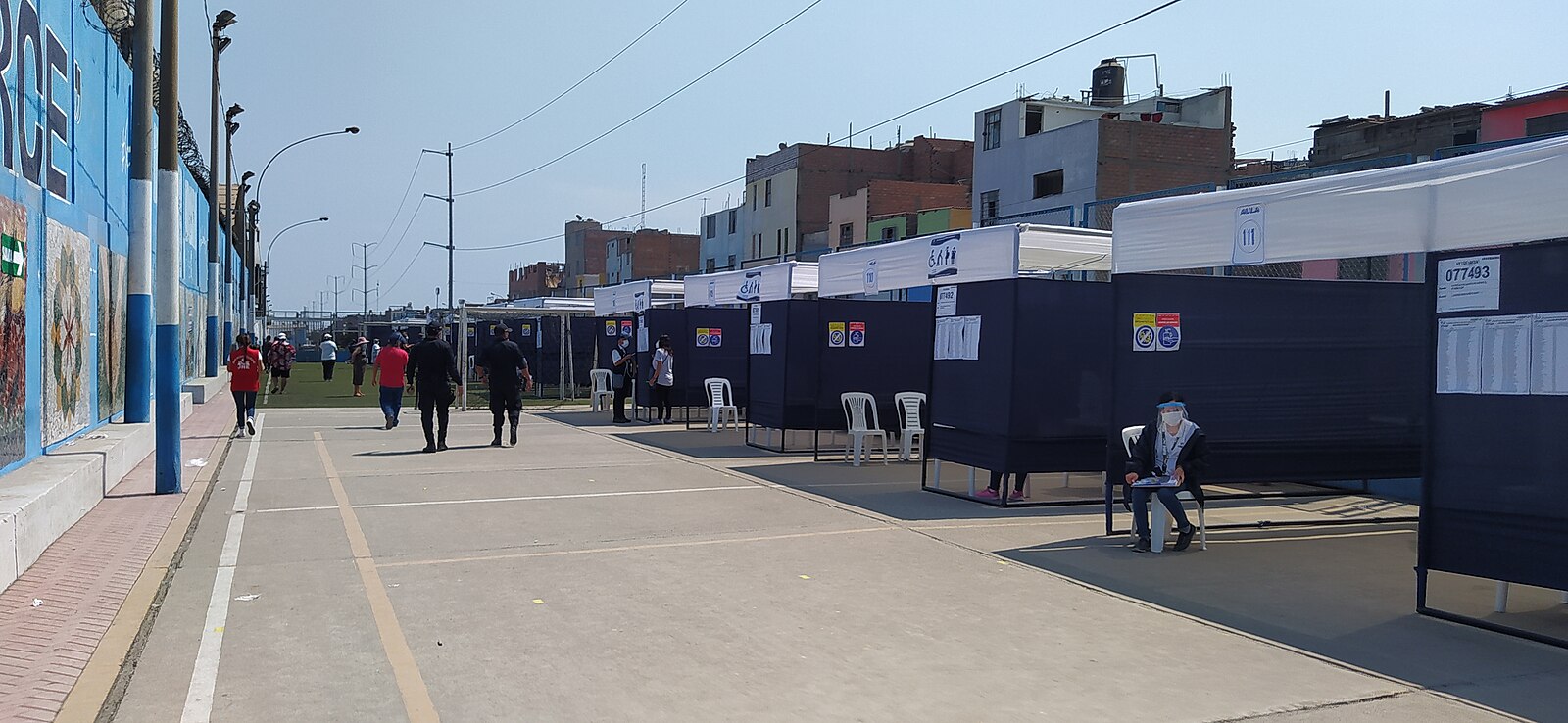
Recounts can be held until 28 October at the latest, JNE president Burneo said. He expected regional results in the first days of November, La República reported.
Lima is the closest race. With 92.71% of tally sheets counted, Renovación Popular had 27.703% and Avanza País 26.841%, ONPE data published by Infobae show.
That is a gap of 44,921 votes, with 1,921 tally sheets under review by the special electoral juries.
The next general election, for president and both chambers, is due in 2031, when the current five-year term ends.
What It Means for US Readers
Investors. The decree-powers fight sets the pace of change. The original request covered mining, hydrocarbons, electricity, taxes, customs and trade, El Comercio reported.
A narrow grant limited to security and El Niño would leave mining and energy changes to ordinary bills, which usually take longer. A wide grant would let the cabinet act by decree for up to 120 days.
Security ties. On Thursday 10 September 2026, Fujimori met US Secretary of State Marco Rubio in Lima. She then announced Peru would join the US-led “Shield of the Americas”, the presidency said.
The same statement highlighted US help with El Niño and a planned visit by the hospital ship USNS Comfort to northern Peru.
Travellers and expats. Peru bans alcohol sales around election days. Anyone in a region with a governor runoff should plan around Sunday 29 November.
Peru’s foreign policy is covered in Peru Geopolitics Explained 2026, and the business side in Who Runs Peru’s Economy, the Key Players in 2026.
Connected Coverage
Peru Explained: The Country, Its Politics, Its Economy and What to Watch
Peru Political Instability Explained: Nine Presidents Since 2016 and Why They Fell
Peru Election 2026: Keiko Fujimori Wins Runoff and Takes Office
Peru Ruling Party Pushes 50 of 66 Decree Powers
Peru Geopolitics Explained 2026
What Is Not Known
- How the Chamber of Deputies votes on decree powers, and what the Senate then changes.
- Who wins the Lima mayoralty once the electoral juries rule on the disputed tally sheets, and when.
- Which regions hold governor runoffs on 29 November, pending recounts due by 28 October.
- Whether the swing blocs, Obras and Ahora Nación, keep shielding ministers or turn to censure.
- How prosecutors handle recorded threats against the president; on 5 October she said she was not afraid and would not back down.
Frequently Asked Questions
Who is the president of Peru in 2026?
Keiko Fujimori of Fuerza Popular, a conservative party. She took office on 28 July 2026 for a five-year term, after winning the 7 June runoff with 50.135% of valid votes.
Who is Peru’s prime minister?
Luis Galarreta, president of the Council of Ministers since the government took office. He is also first vice-president, and leads a cabinet of 18 ministers as of October 2026.
How many seats does each party hold in Peru’s Congress?
In the 60-seat Senate: Fuerza Popular 22, Juntos por el Perú 14, Renovación Popular 8, Buen Gobierno 7, Obras 5, Ahora Nación 4. In the 130-seat Chamber of Deputies: 41, 32, 15, 18, 14 and 10 respectively.
Does Keiko Fujimori control Congress?
Not outright. With ally Renovación Popular she holds 30 of 60 senators, exactly half. In the Chamber of Deputies the two parties hold 56 of 130 seats, ten short of a majority.
When is Peru’s next election?
Runoffs for regional governors take place on Sunday 29 November 2026 where nobody reached 30% on 4 October. The next general election is due in 2031.
Can the president of Peru dissolve Congress?
Only the Chamber of Deputies, and only after it censures or refuses confidence to two cabinets. The Senate cannot be dissolved, and no dissolution is allowed in the final year of a term.
Sources: Office holders from the official directories on gob.pe and the registers of the Senate and the Chamber of Deputies; election results from ONPE and the JNE; constitutional rules from Law 31988; Peruvian outlets as named in the text. All accessed 6 October 2026.
- Office of the US Trade Representative, US-Peru Trade Promotion Agreement
- Presidencia de la República, directory: President Keiko Fujimori Higuchi
- Presidencia del Consejo de Ministros, list of ministers
- JNE, proclamation of the president-elect, 3 July 2026
- El Peruano, Normas Legales, JNE Resolution 1625-2026-JNE
- El Peruano, ONPE runoff results at 100%
- Senate, register of senators and parliamentary groups
- Chamber of Deputies, register of deputies and parliamentary groups
- Senate, board
- Chamber of Deputies, board
- Congress, Law 31988 restoring two chambers
- Text of Law 31988, articles 132 and 134
- Constitutional Court, directory
- Public Ministry, directory
- JNE, directory
- ONPE, directory
- Andina, JNE sets 29 November regional runoff
- Andina, no runoff for mayors
- Presidency, Shield of the Americas statement, 10 September 2026
- Presidency, first cabinet session, 29 July 2026
- Presidency, statement after threats, 5 October 2026
- El Comercio, committee vote on decree powers
- RPP, Fuerza Popular minority text
- RPP, Galarreta rules out confidence vote
- Expreso, plenary debate on decree powers
- Expreso, Chamber of Deputies agenda
- Infobae, ONPE count for Lima
- La República, Lima count and JNE timetable
This article was produced by The Rio Times’ automated newsroom system. How we use AI · Report an error · Editorial responsibility: Matthias Camenzind, Editor-in-Chief