
GUIDES · PERU
Key Facts
- —The country Peru had 34.6 million people in 2025, World Bank data show. Life expectancy reached 77.9 years in 2024.
- —Schools Initial, primary and secondary education are compulsory, and free in state schools, under Article 17 of the 1993 Constitution.
- —Universities 107 universities held a valid SUNEDU licence as of 25 August 2026; 39 had been refused one.
- —Health cover SIS insures residents with no other cover, free under SIS Para Todos. EsSalud covers formal workers, funded by a 9% employer contribution.
- —Spending Health took 5.6% of GDP in 2023, against 16.7% in the United States. Education took 4.4% of GDP in 2024 (World Bank).
- —Exchange rate S/3.453 to the US dollar on Wednesday, 7 October 2026, the bank selling rate published by the central bank (BCRP).
Peru services for families, students and patients run on two tracks: a free public system and a large private one. This guide explains how schools, universities and healthcare work, and what they cost in US dollars as of October 2026. It matters to US readers moving to Lima, sending children to school there or investing in Peru’s private health and education markets.
How Peru Services Are Organised
Peru services in education and health are run by a handful of national bodies. The Ministry of Education (Minedu) sets national school policy and measures learning. SUNEDU, the national superintendency for university education, licenses universities and keeps the register of degrees.
On the health side, the Ministry of Health (Minsa) and regional governments run public hospitals and health centres. The Seguro Integral de Salud (SIS), a public insurer attached to the ministry, pays for care there. EsSalud, the social security health insurer, runs a separate network for people in formal jobs.
Spending is modest by US standards. Peru spent 4.4% of GDP on education in 2024 and 5.6% on health in 2023, World Bank figures show. The United States spent 16.7% of its GDP on health in 2023.
Outcomes have improved but stay uneven. Adult literacy stood at 93.7% in 2024. Peru had 1.7 doctors per 1,000 people in 2023, against 3.7 in the United States in 2022.
Public Schools and How Students Perform
Article 17 of the 1993 Constitution makes initial, primary and secondary education compulsory. It states that education in state institutions is free. It also tells the state to subsidise private education, including community and cooperative schools, for those who cannot pay.
Free does not mean equal. In the OECD’s PISA 2022 tests of 15-year-olds, 49.6% of Peruvian students reached baseline Level 2 in reading, per the ministry. In science the share was 47.4%.
The ministry’s summary says Peru held its reading and science averages steady against 2018, while mathematics declined. It also records steady gains in all three subjects since 2009. PISA 2022 covered 81 countries and economies.
The same report breaks results down by school type and location. It finds statistically significant gaps in 2022 between public and private schools, and between urban and rural ones.
Private and International Schools in Lima
Private schools range from small neighbourhood colegios to large bilingual campuses. At the top end sit international schools, some of which quote fees in US dollars.
Colegio Franklin Delano Roosevelt, the American School of Lima, was founded in 1946 and describes itself as a non-profit international school. It also runs an official Peruvian programme in English and Spanish. Its monthly fees for 2026 ranged from US$1,680 to US$1,903 by grade level, the Lima daily Expreso reported in January 2026.
Roosevelt’s one-off entry fee was above S/74,000 (about US$21,400), the same report said. Markham College, San Silvestre and Newton College charged entry fees of S/62,000 to S/66,000 (about US$18,000 to US$19,100). Because the entry fee is paid once, the first year is by far the most expensive.
Universities and the SUNEDU Licence
SUNEDU grants institutional licences to universities. As of 25 August 2026, 107 universities held a valid institutional licence from SUNEDU. Another 39 universities and 2 graduate schools had their licence refused.
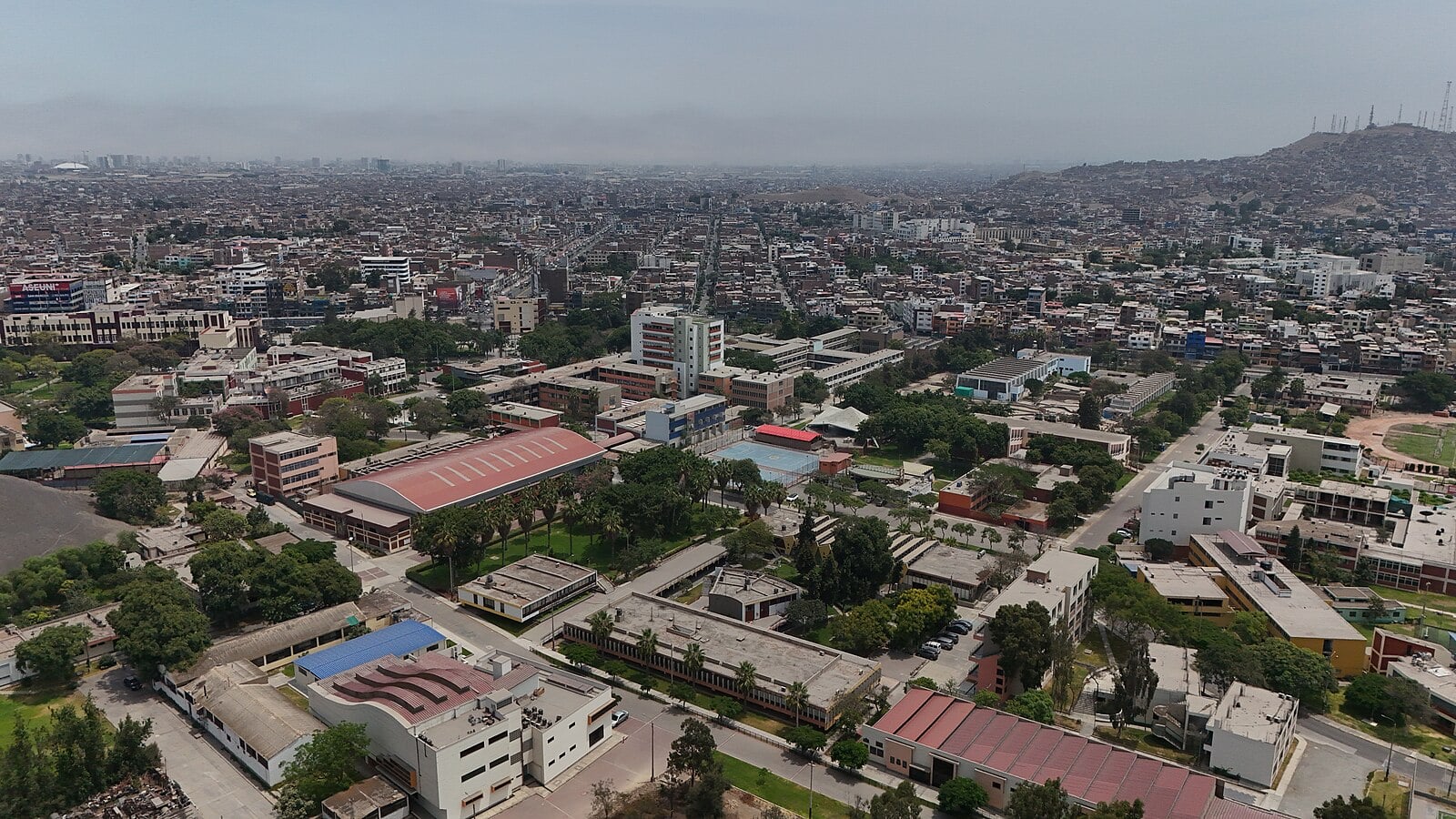
A refused licence matters to students and employers. SUNEDU publishes both lists, and the government portal gob.pe offers a lookup to check any university. SUNEDU also runs the procedure to recognise university degrees obtained abroad.
The Universidad Nacional Mayor de San Marcos, a public university in Lima, has taught since 1551, its website says. The Universidad Nacional de Ingeniería, also public, received its licence in November 2017.
Well-known private institutions include the Pontificia Universidad Católica del Perú (PUCP), Universidad Peruana Cayetano Heredia, Universidad del Pacífico and Universidad de Lima. All four received their SUNEDU licences in July 2016.
What a University Degree Costs
Public universities follow a different rule. The Constitution guarantees free study at state universities for students with satisfactory grades who lack the means to pay. Private universities set their own fees, usually on sliding scales.
Universidad del Pacífico, a private university in Lima, publishes its 2026 scale. It charges between S/609 and S/1,411 per credit (about US$176 to US$409), across four bands.
For a 20-credit term, its five instalments add up to between S/12,558 and S/28,602 (about US$3,640 to US$8,280). The first instalment includes a S/380 (about US$110) enrolment fee. Two terms at those rates come to roughly US$7,300 to US$16,600 a year.
The university says the scale may change each December. Families planning several years ahead should budget for increases.
How the Health System Works
SIS is aimed at everyone living in Peru who has no other health insurance. It covers more than 12,000 diagnoses, including several types of cancer, plus medicines, operations and emergency transfers. Those transfers matter in a country of long distances between the Amazon, the Andes and the coast.
SIS offers five plans. SIS Gratuito serves people in poverty, pregnant women and children, among others. SIS Para Todos, SIS Independiente, SIS Microempresas and SIS Emprendedor cover the uninsured, the self-employed and small firms.
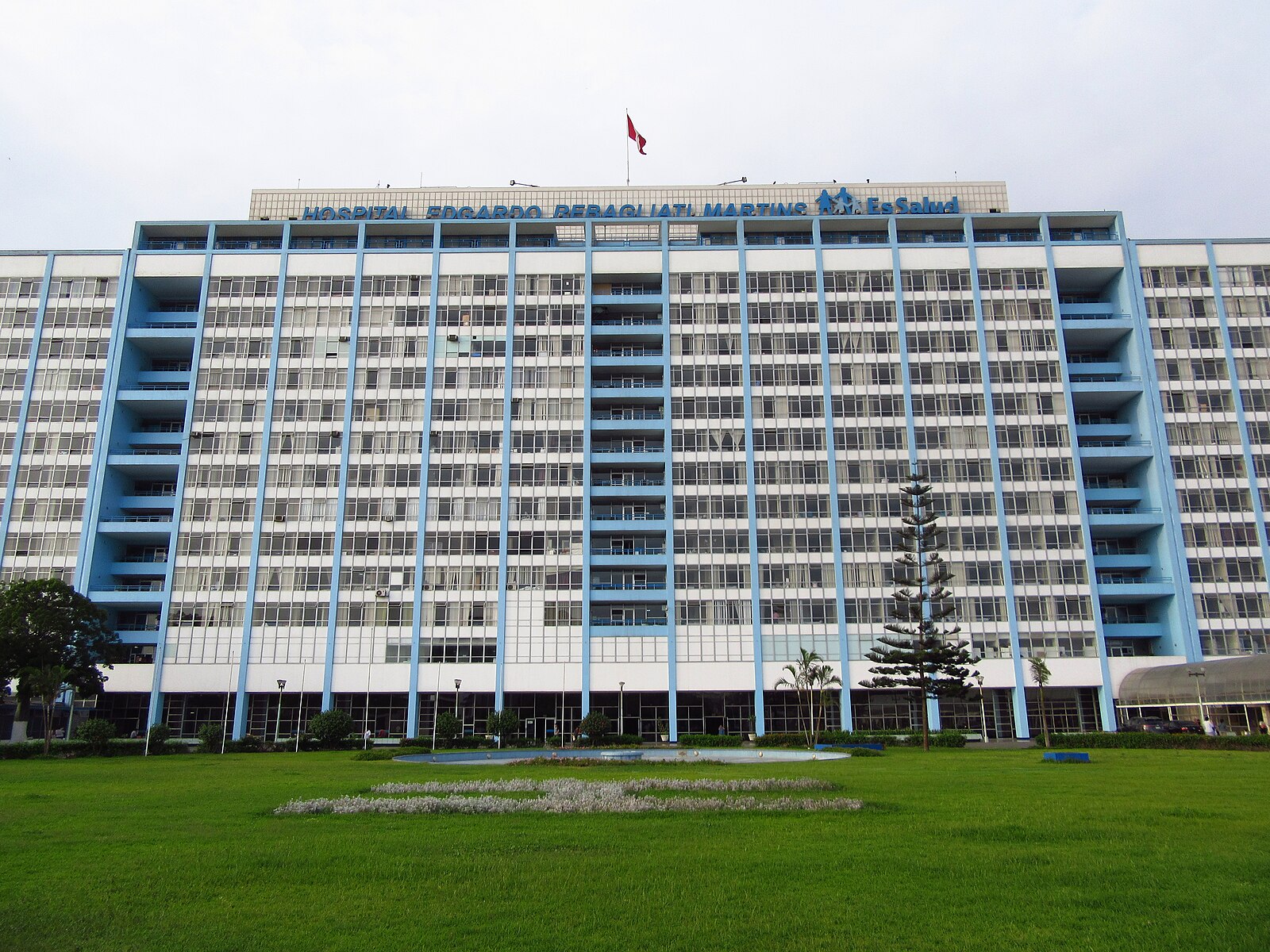
EsSalud is the contributory track. Employers pay 9% of each worker’s monthly pay, the tax agency SUNAT says. Cover extends to the worker’s spouse or partner and minor children. EsSalud runs five insurance types, from regular cover for employees to farm-worker and accident policies.
Private clinics serve patients with private insurance or who pay cash. Auna S.A., a healthcare group listed on the New York Stock Exchange as AUNA, operates in Peru, Mexico and Colombia. It was founded in 1989, its SEC filings say.
Patients still pay a lot directly. Out-of-pocket payments made up 27% of current health spending in 2023, World Bank data show. That share shows how often Peruvians pay for medicines and visits themselves rather than through insurance.
How Foreigners Get Health Cover
Foreign residents can apply for SIS Para Todos with a carné de extranjería, the identity card for foreign residents. The plan has no enrolment fee and no monthly premium. It gives free access to Ministry of Health and regional government facilities.
Its complementary cover and funeral benefit are valid until 31 December 2026, the government portal says. Anyone who signs up for another insurance plan that includes PEAS, the essential health insurance package, loses SIS Para Todos cover.
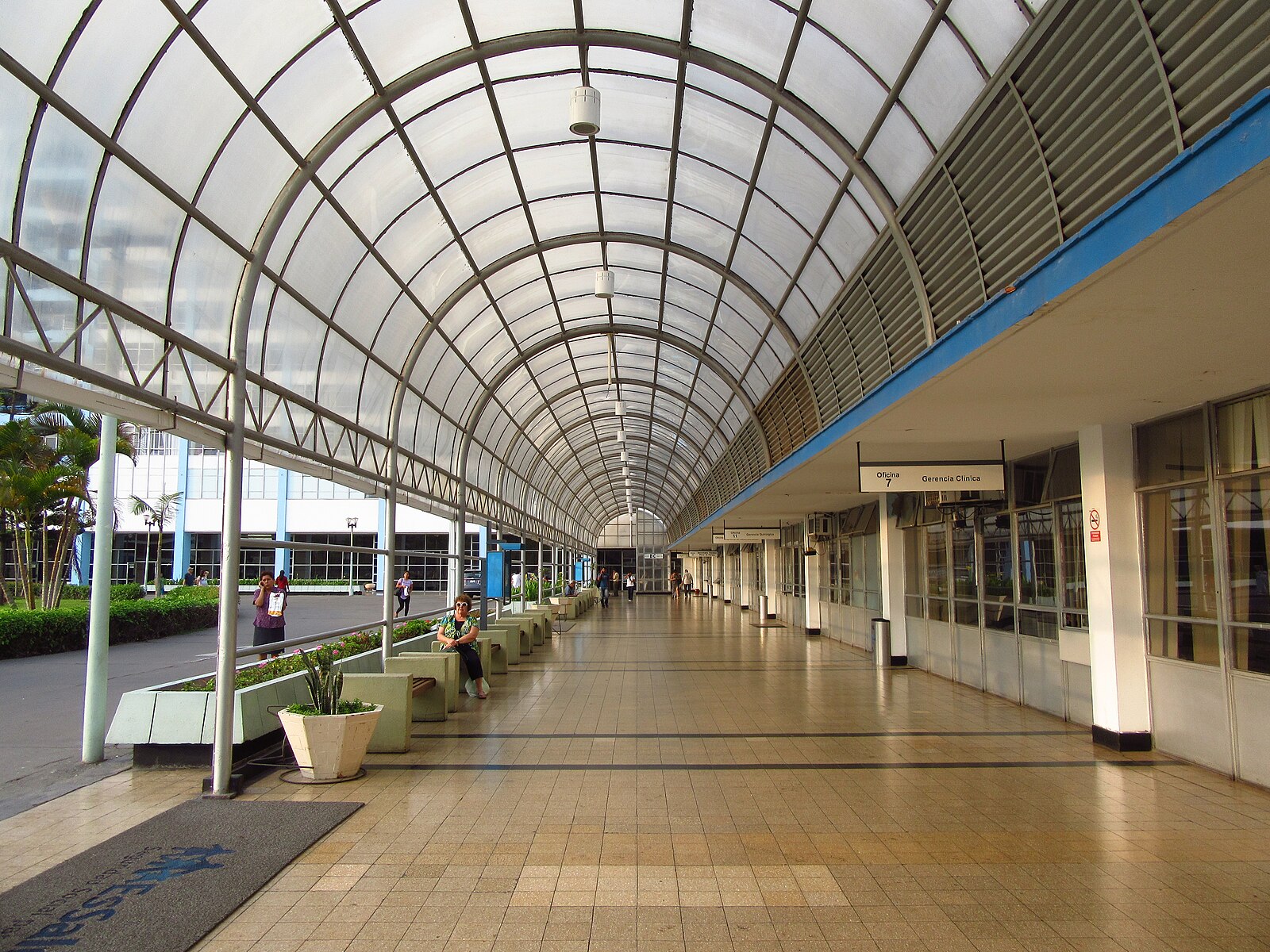
Foreign employees on a Peruvian payroll join EsSalud through their employer. EsSalud’s voluntary plan, +Salud, is open to residents of any nationality, without an age limit. New sign-ups to +Salud are suspended until December 2027, however.
Foreigners who want to use private clinics generally need private insurance or must pay cash. Prices for private plans vary by insurer, age and coverage.
Health Risks for Visitors and Residents
Many popular destinations, including Machu Picchu, sit at high altitude. The US Centers for Disease Control and Prevention (CDC) advises travellers to discuss altitude sickness with a doctor before the trip.
Yellow fever vaccination is not required to enter Peru. The CDC recommends it from nine months of age for areas below 2,300 metres in ten regions, including Cusco, Loreto and Puno. It does not recommend it for Lima, Cusco city, the Inca Trail or Machu Picchu.
The US State Department rates Peru Level 2, “Exercise Increased Caution”, in an advisory updated in September 2026. US government staff need special authorisation to visit the Colombia-Peru border area in Loreto and the VRAEM. The VRAEM is the valley of the Apurímac, Ene and Mantaro rivers.
What It Means for US Readers
- Expats with children. Budget US$1,680 to US$1,903 a month for Lima’s American school in 2026, plus an entry fee above US$21,000. Apply early and ask whether fees are billed in dollars or soles.
- Students. A private university term in Lima can cost about US$3,640 to US$8,280. Check that any university appears on SUNEDU’s licensed list before paying.
- Residents. Once you hold a carné de extranjería, you can join SIS Para Todos at no cost. Employees get EsSalud through payroll, but the voluntary +Salud plan is closed to new members until December 2027.
- Travellers. Carry travel health insurance, plan for altitude and check the CDC yellow fever advice if heading to the Amazon. The State Department keeps Peru at Level 2.
- Investors. Private health care is reachable through New York-listed Auna (NYSE: AUNA). Out-of-pocket payments of 27% of health spending show how much care Peruvians already pay for privately.
Connected Coverage
Peru Health Insurance for Expats, EsSalud and Private Plans
Cost of Living in Peru 2026, Monthly Budgets Lima to Cusco
Peru Explained: The Country, Its Politics, Its Economy and What to Watch
Who Dominates Peru, Elites and Regions Explained
What Is Not Known
It is not known whether SIS Para Todos complementary cover will be extended beyond 31 December 2026, or whether +Salud will reopen before December 2027.
School and university fees for 2027 have not been published. Universidad del Pacífico reviews its scale each December, and international schools set fees for each school year.
Peru was due to take part in PISA 2025, the ministry said. This guide relies on the 2022 results, the latest the ministry has summarised. Private clinic and insurance prices are set by each provider and change often.
Frequently Asked Questions
Is public school free in Peru?
Yes. Article 17 of the 1993 Constitution makes initial, primary and secondary education compulsory and states that education in state institutions is free. Public universities must also be free for students with satisfactory grades who cannot pay.
How many universities are licensed in Peru?
As of 25 August 2026, 107 universities held a valid institutional licence from SUNEDU, the national superintendency for university education. Another 39 universities and 2 graduate schools had their licence refused.
Can foreigners use public health insurance in Peru?
Yes. Foreign residents with a carné de extranjería can join SIS Para Todos at no cost and use Ministry of Health and regional government facilities. Foreign employees on a Peruvian payroll are covered by EsSalud through their employer.
How much does an international school in Lima cost?
Colegio Franklin Delano Roosevelt charged US$1,680 to US$1,903 a month in 2026, plus an entry fee above S/74,000 (about US$21,400). Markham College, San Silvestre and Newton College charged entry fees of S/62,000 to S/66,000 (about US$18,000 to US$19,100).
Do I need a yellow fever vaccine for Peru?
It is not required to enter Peru. The CDC recommends it for travellers aged nine months or older going below 2,300 metres in ten regions, including Cusco, Loreto, Madre de Dios and Puno, but not for Lima, Cusco city, the Inca Trail or Machu Picchu.
What is EsSalud?
EsSalud is Peru’s contributory social health insurer. Employers pay 9% of each worker’s monthly pay, and cover extends to the spouse or partner and minor children. Its voluntary +Salud plan is closed to new members until December 2027.
Sources: World Bank Open Data, Peru and United States indicators, https://data.worldbank.org/country/peru; Banco Central de Reserva del Perú, exchange rate series PD04640PD, https://estadisticas.bcrp.gob.pe/estadisticas/series/diarias/resultados/PD04640PD/html; Constitution of Peru, Congress, https://www.leyes.congreso.gob.pe/Documentos/constituciones_ordenado/CONSTIT_1993/Texto_actualizado_CONS_1993.pdf; Ministry of Education, PISA 2022 summary, http://umc.minedu.gob.pe/wp-content/uploads/2023/12/Resumen-informativo-PISA-2022.pdf; SUNEDU licensed universities, https://www.sunedu.gob.pe/lista-de-universidades-licenciadas/; SUNEDU refused licences, https://www.sunedu.gob.pe/lista-de-universidades-denegadas/; Universidad del Pacífico fee scale, https://www.up.edu.pe/Documents/Escala-de-pensiones-de-pregrado-2026ii.pdf; SIS plans, https://www.gob.pe/130-afiliarte-al-seguro-integral-de-salud-sis; SIS Para Todos, https://www.gob.pe/8970-afiliarte-al-sis-para-todos; EsSalud insurance types, https://www.gob.pe/194-seguro-social-del-peru-essalud; EsSalud +Salud, https://www.gob.pe/221-seguro-potestativo-de-essalud-salud; SUNAT, EsSalud contributions, https://www.gob.pe/7942-tributos-a-cargo-del-empleador-essalud; Auna S.A. 20-F announcement, SEC, https://www.sec.gov/Archives/edgar/data/0001799207/000095010325004707/dp227553_ex9901.htm; CDC, Peru traveller page, https://wwwnc.cdc.gov/travel/destinations/traveler/none/peru; US State Department, Peru travel advisory, https://travel.state.gov/content/tsg_aem/us/en/home/international-travel/travel-advisories/destination.per.html; Colegio Franklin Delano Roosevelt, https://www.amersol.edu.pe/; Expreso, school fees, 8 January 2026, https://www.expreso.com.pe/actualidad/este-es-el-colegio-mas-caro-y-exclusivo-del-peru-cuota-de-ingreso-de-s-74-mil-y-educacion-internacional-markham-san-silvestre-newton-roosevelt-noticia/1253581/; Universidad Nacional Mayor de San Marcos, https://www.unmsm.edu.pe/. All accessed 11 October 2026.
This article was produced by The Rio Times’ automated newsroom system. How we use AI · Report an error · Editorial responsibility: Matthias Camenzind, Editor-in-Chief