PERU · MEDIA
Key Facts
- —The country Peru is a South American republic whose 1993 Constitution guarantees free expression without censorship and bans media monopolies in Article 61.
- —Biggest owner Grupo El Comercio, long controlled by the Miró Quesada family, publishes El Comercio and Trome and co-owns América Televisión and Canal N.
- —Stalled sale A deal to sell 62.95% of El Comercio to two businessmen, announced in May 2026, was frozen by a Lima court that July.
- —Press freedom Peru fell to 144th of 180 countries in the 2026 RSF World Press Freedom Index, from 130th in 2025.
- —Violence Peru’s national journalists’ association counted 458 attacks on the press in 2025, a year in which four journalists were killed.
- —Online INEI says 82.0% of Peruvians aged six and over used the internet in late 2025, nearly nine in ten of them by phone.
- —Still open Whether the El Comercio sale closes, and how courts finally rule on the 2025 APCI law on foreign-funded projects.
Peru media is concentrated in a few groups, mostly in Lima, whose ownership is shifting in ways that matter to US investors. This guide explains who owns the main outlets as of October 2026, why press freedom has slipped and where Peruvians get news.

Who Owns Peru Media in 2026
Peru media ownership is concentrated in a few groups based in Lima, the capital. The 1993 Constitution guarantees free expression without prior censorship, and its Article 61 bars monopolies over the press, radio and television.
In practice, one company leads the newspaper market. Grupo El Comercio, long controlled by the Miró Quesada family, publishes El Comercio, a daily founded in 1839.
In 2013 the group bought Epensa, a rival publisher, adding titles such as Correo and Ojo. By 2016 it owned nine newspapers, says the Media Ownership Monitor, run by the Global Media Registry and Ojo Público.
The group also prints Trome, which RSF, the Paris-based press-freedom group, names as Peru’s best-selling newspaper. In 2013 and 2014 it held about 80% of newspaper circulation and 78% of readership, industry figures compiled by the monitor show.
Television ownership is shared. Two companies, Compañía Peruana de Radiodifusión and Plural TV, run América Televisión and the cable news channel Canal N.
Plural TV is a joint venture of El Comercio and Grupo La República, the Mohme family’s publisher of the daily La República. Grupo La República holds 30% of Plural TV, Perú Retail, a Lima business news site, reported in August 2026.
In 2013 La República’s director joined journalists who sued over the Epensa purchase, citing 81% of newspaper circulation, the monitor recounts.
The core business is under strain. Grupo El Comercio lost over US$19 million in 2025 as revenue fell 9.2%, says the Reuters Institute’s Digital News Report 2026.
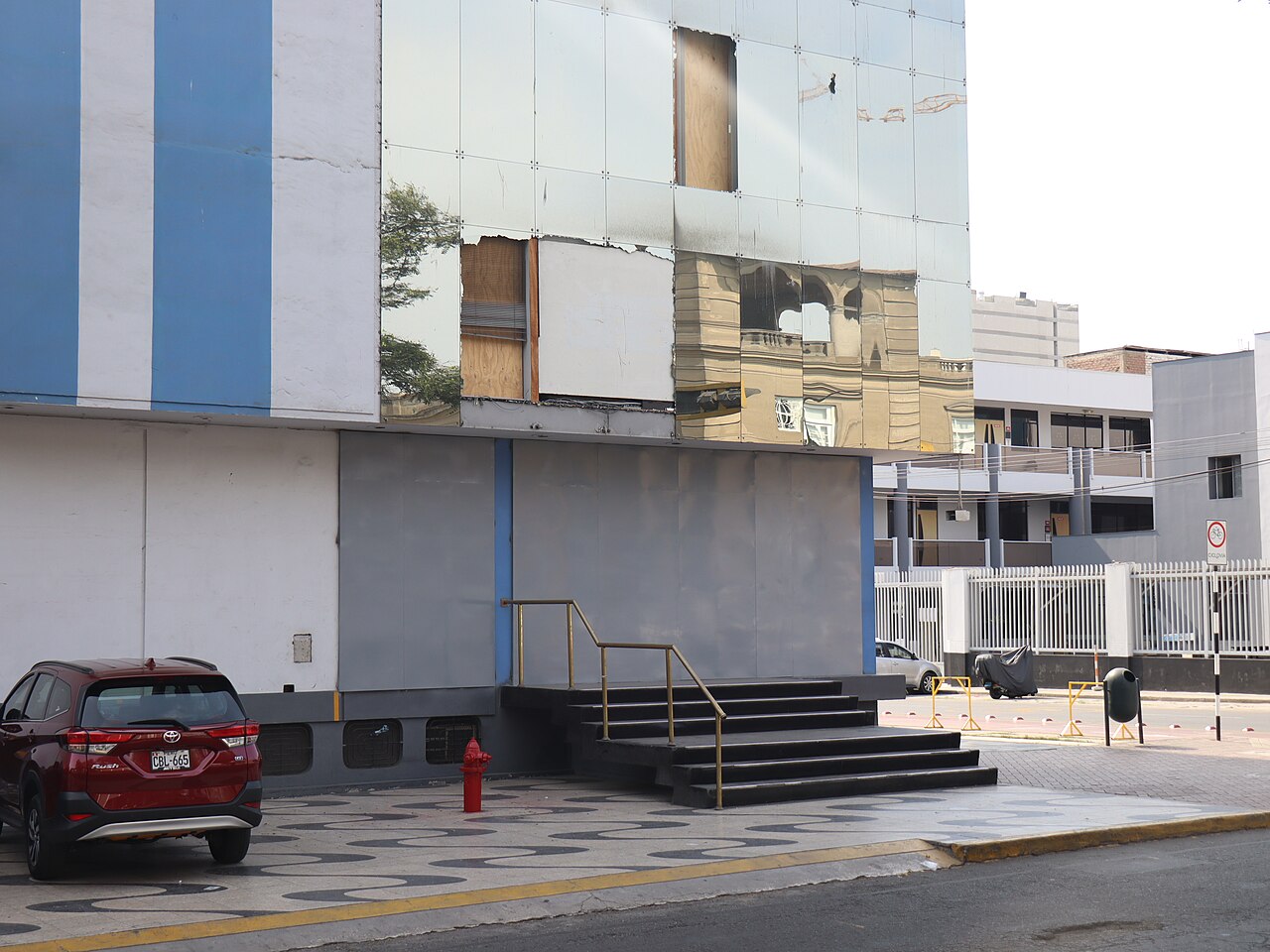
The El Comercio Sale That Stalled
On 28 May 2026, 79 shareholders agreed to sell 62.95% of the group to two businessmen. The company reported the deal to the SMV, Peru’s securities regulator.
The buyers are Francisco Picasso Candamo and César Emilio Rodríguez Larraín Salinas. The deal is explained in more detail in this report on the original agreement.
Three minority shareholders, including Alois Miró Quesada Koechlin, then claimed a legal right to buy the shares first on the same terms. A Lima commercial court froze the transfer in late July 2026, and the three filed for arbitration on 20 August.
The dispute now sits with the arbitration centre of the Lima Chamber of Commerce. As of September 2026, the court order still kept the transfer suspended, Infobae Perú reported.
The deal also needs clearance from Indecopi, Peru’s competition authority, which reviews mergers for market concentration. Grupo La República said it would use its pre-emptive right over Plural TV if control passed to anyone but the buyers.
That means a sale could reshape ownership of América Televisión as well as the newspapers. For a market this concentrated, the outcome matters as much to readers as to investors.

Television and Radio Still Reach the Most People
Television remains the main medium in Peru, present in about 96% of homes, a 2025 national survey by CONCORTV found. People watched for more than four hours a day on average.
CONCORTV is an advisory council attached to the Ministry of Transport and Communications (MTC), the body that authorises radio and TV stations. It is not a regulator; its ten member institutions come from civil society, business and the state.
The survey of more than 10,000 people in 21 cities found América Televisión had the most programmes among the most-watched. Streaming and internet TV reached 52% of respondents, up from 33% in 2022.
Radio Groups and the News Hour
Radio follows television, at about three hours a day in the 2025 CONCORTV study, and music far outweighs news. RSF names Radioprogramas, known as RPP, as the leading radio news programme.
In 2016 the monitor found three radio groups with national reach: Grupo RPP, CRP Medios y Entretenimiento and Corporación Universal. Grupo RPP belongs to the Delgado Nachtigall family.
The monitor also found that three groups controlled 64% of the FM band in metropolitan Lima.
Trust is low. In the 2025 CONCORTV survey, 82% said television is run by political interests and 73% called it sensationalist.
- América Televisión (Channel 4): run with Canal N by El Comercio and Grupo La República through Plural TV.
- Latina (Channel 2): long controlled by the investment fund Enfoca. In March 2026 Enfoca told the SMV that a signed contract could pass control to Vytal Group, led by Argentine Tomás Yankelevich.
- ATV (Channel 9): controlled in 2016 by Albavisión, the Miami-based group of Mexican businessman Ángel González, the Media Ownership Monitor found.
- Panamericana Televisión (Channel 5): sold in October 2025 by the Schütz family to the mining group Grupo Paltarumi and producer Susana Umbert.
- Willax Televisión: owned by businessman Erasmo Wong, Infobae reported in June 2025.
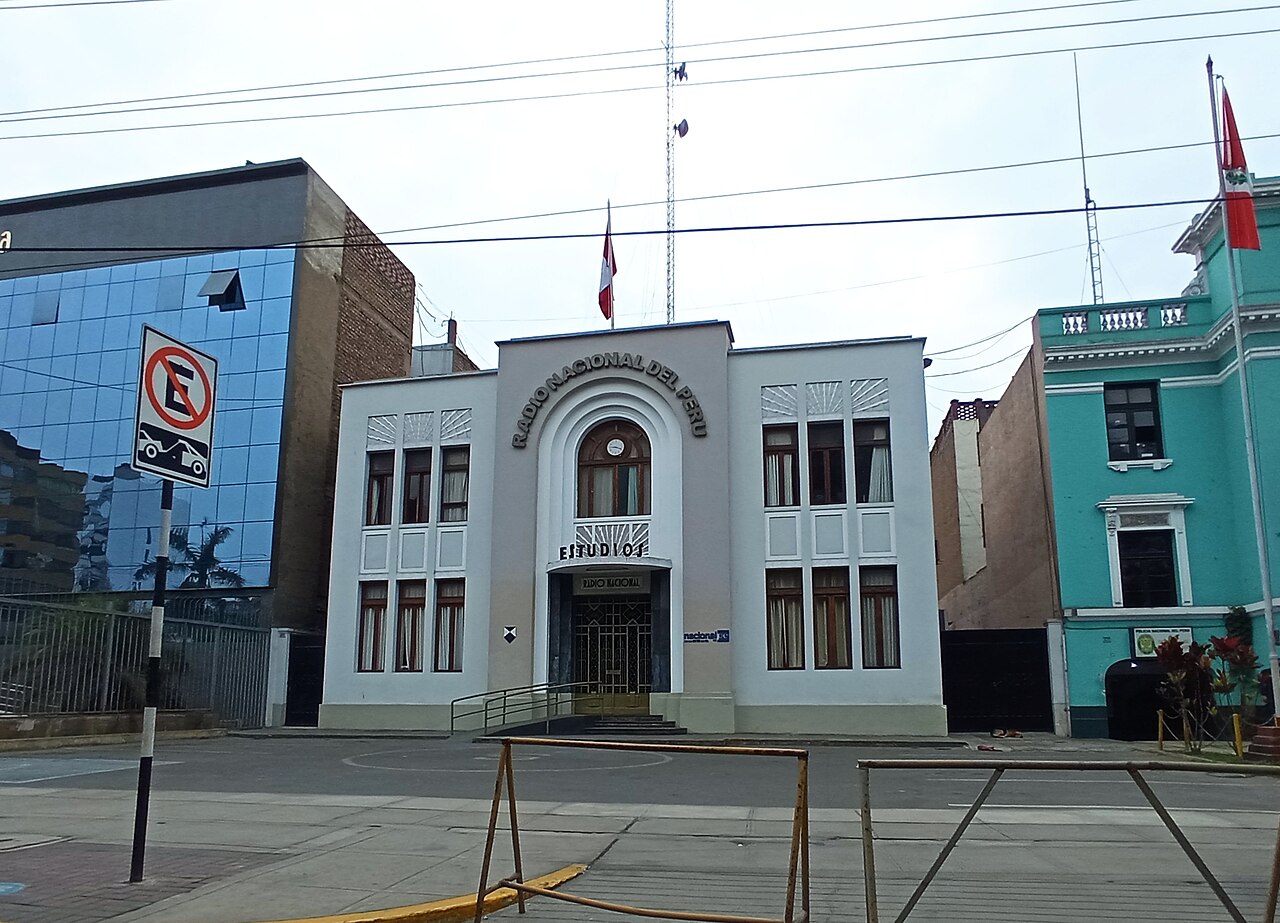
- TV Perú: the state channel, run with Radio Nacional by IRTP, the national radio and television institute under the Ministry of Culture.
Digital and Investigative Outlets
Online news was dominated by the El Comercio group, which led internet traffic in the monitor’s 2015 data. Alongside the big groups, a set of small independent newsrooms concentrates on long investigations.
Pressure on the Investigators
These outlets face legal and political pressure. On 12 June 2026, Congress approved a commission report urging prosecutors to pursue Gorriti over Peru’s 2019 deal with Brazilian builder Odebrecht.
IPYS, the Lima-based press-freedom group Instituto Prensa y Sociedad, called the charges unfounded. It said Gorriti took no part in the negotiations and only reported and commented on the agreement.
- Ojo Público: an investigative site that says no millionaire shareholders or business groups stand behind it; it uses an AI tool to spot corruption in state contracts.
- IDL-Reporteros: an investigative site directed by veteran journalist Gustavo Gorriti.
- Convoca: a data-driven investigative outlet founded in 2014 by a team led by journalist Milagros Salazar Herrera.
- Salud con Lupa: a digital newsroom covering public health.
- Hildebrandt en sus trece: a weekly of news and political commentary directed by veteran journalist César Hildebrandt.
Social Media and How Peruvians Get News
Most Peruvians are now online, mainly by phone. INEI, the national statistics institute, found 82.0% of people aged six and over used the internet in the fourth quarter of 2025.
Use reached 90.3% in metropolitan Lima but only 59.6% in rural areas, and 89.2% of users went online by mobile phone. Just 60.1% of households had a home internet connection.
The phone has become a news source in its own right. The Digital News Report 2026 found social media is the main news source for 49% of Peruvians under 35.
Trust in news fell eight points to 32%, its lowest level since 2021, and 11% used AI chatbots for news each week. The survey is carried out online, so it reflects people who are already connected.
In the 2025 CONCORTV study, respondents rated social networks the most entertaining, informative and plural medium. Yet 31% also called them sensationalist.
Political campaigns increasingly rely on influencers, streamers and paid social ads, the Digital News Report notes. That lets candidates reach voters while bypassing the scrutiny of Peru media newsrooms.
Press Freedom, Violence and the APCI Law
Peru fell to 144th of 180 countries in the 2026 World Press Freedom Index of RSF, down from 130th in 2025. Its score dropped from 42.88 to 37.86 out of 100.
RSF says the dominant editorial line in Lima backs the coalition that took power in December 2022, which it calls authoritarian. It also reports police violence against reporters covering protests.
Violence surged in 2025. The ANP, Peru’s national journalists’ association, recorded 458 attacks and four killings that year, the deadliest for the press this century.
The dead were Gastón Medina Sotomayor in Ica, Raúl Celis López in Iquitos and Fernando Nuñez Guevara in Pacasmayo. Mitzar Castillejos died after an attack in Aguaytía.
State actors, mainly public officials and security forces, were behind more than 70% of the 2025 attacks.
On 19 September 2026, journalist Susy Aponte Polo, a candidate for governor of Áncash, was killed in Caraz, IPYS reported. Her case is covered in this report on the Caraz killing.
The 2025 reform of the APCI law has alarmed independent newsrooms. APCI, the Peruvian International Cooperation Agency, is the state body that oversees international cooperation funding.
Law 32301, signed by then-president Dina Boluarte on 14 April 2025, requires prior APCI approval for projects paid for by international cooperation. It also made using such funds to advise or finance legal action against the state a very serious offence.
Fines reach 500 tax units, or S/2.6 million (about US$755,000 at 3.44 soles per dollar), Salud con Lupa calculated. Registration can also be suspended or cancelled.
In October 2025, Salud con Lupa, IDL-Reporteros, Epicentro TV and Convoca announced constitutional amparo suits against the law in Lima courts. RSF warns that the expanded controls risk a chilling effect on independent journalism.
In January 2026, a Lima constitutional court ruled partly for the Instituto de Defensa Legal, a human-rights group. It declared both rules inapplicable to the group but upheld the fines if applied proportionately, Infobae Perú reported.
What It Means for US Readers
For US investors, Peru media is a business story as much as a political one. The El Comercio sale, an Indecopi review and the Plural TV pre-emptive right could reshape control of top newspapers and TV.
A June 2025 report by groups including Internews Europe and Free Press Unlimited studied donor funding for media. US government money made up over 75% of it in the Americas from 2020 to 2024.
The 2025 US funding cuts hit at least 60 outlets across the region, that report found. Peru’s APCI law adds a second filter, because foreign-funded projects, including media projects, now need state approval.
Diplomacy has also entered the story. On 1 October 2026, IPYS condemned US Ambassador Bernie Navarro’s repeated insults against the journalist César Hildebrandt.
Gorriti wrote that the ambassador’s attacks came through posts on his X account. For background on who holds power in Lima, see who dominates Peru and the Peru hub.
Travellers who follow local news will meet the same few brands: América TV, Canal N, RPP, El Comercio and La República. The key figures of Peruvian culture and Peru’s history add wider context.
What Is Not Known
It is not known whether the El Comercio sale will close, or on what terms. No decision date for the arbitration or an Indecopi review has been made public.
It is also unclear whether Vytal Group’s purchase of Latina has closed. In March 2026, Enfoca said conditions were still pending.
How the courts will finally rule on the newsrooms’ 2025 challenges to the APCI law also remains open. That leaves foreign-funded outlets planning around rules that could still change.
The motive for the killing of Susy Aponte Polo has not been established publicly, including any link to her journalism or campaign. Up-to-date audience and circulation figures are also scarce, and the Media Ownership Monitor’s ownership map dates from 2016.
Frequently Asked Questions
Who owns the biggest Peru media companies?
Grupo El Comercio, long controlled by the Miró Quesada family, is the largest. It publishes El Comercio and Trome and co-owns América Televisión and Canal N with Grupo La República through Plural TV.
What is the best-selling newspaper in Peru?
RSF names Trome, a popular daily published by Grupo El Comercio, as Peru’s best-selling newspaper in its 2026 country profile.
Is the press free in Peru?
The 1993 Constitution protects free expression, but Peru fell to 144th of 180 in the 2026 RSF index. Peru’s national journalists’ association counted 458 attacks and four journalists killed in 2025.
What happened to the sale of El Comercio?
In May 2026, 79 shareholders agreed to sell 62.95% of the group to Francisco Picasso Candamo and César Emilio Rodríguez Larraín Salinas. A Lima court froze the transfer that July, and arbitration followed in August.
What is the APCI law and why do Peru media groups oppose it?
Law 32301 of April 2025 requires prior state approval for projects funded by international cooperation and allows fines of up to 500 tax units, about US$755,000. Investigative newsrooms say it threatens independent journalism and have challenged it in court.
How do Peruvians get their news?
Television is still the most used medium, with more than four hours of viewing a day in 2025. Among Peruvians under 35, social media is now the main news source, the Digital News Report 2026 found.
Sources: RSF, Peru country profile, World Press Freedom Index 2026, 2026; Constitución Política del Perú 1993 (Arts. 2.4 and 61), Gobierno del Perú, 1993; CONCORTV, Estudio de Consumo Televisivo y Radial 2025, 2025-09-09; CONCORTV, ¿Qué es el CONCORTV?, 2026-10; El Peruano, INEI ICT in households, fourth quarter 2025, 2026-03-26; Media Ownership Monitor Peru (GMR and Ojo Público), print, TV, radio, concentration, 2016; Reuters Institute, Digital News Report 2026, Peru, 2026-06; Perú Retail, Grupo El Comercio share dispute goes to arbitration, 2026-08-25; Infobae Perú, share dispute before the SMV reaches the courts, 2026-09-08; La República, judge halts sale of Grupo El Comercio, 2026-08-02; Infomercado, El Comercio shareholders did not match the offer, 2026-07-21; La República, new board for América TV and Canal N, 2024-04-02; Infobae Perú, Susana Umbert on buying Panamericana TV with Grupo Paltarumi, 2025-10-17; Produ, Eric Jürgensen joins Latina Perú, 2025-02-25; Infobae Perú, Erasmo Wong, owner of Willax, 2025-06-30; IRTP, institutional information (gob.pe), 2026-10; IFJ/FIP, ANP annual report 2025: 458 attacks, 2026-01-05; IPYS, journalist and regional candidate killed in Caraz, 2026-09-20; IPYS, Congress charges investigative journalist without grounds, 2026-06-21; IPYS, IPYS rejects statements by the US ambassador, 2026-10-01; IDL-Reporteros, Carta del Director: El ataque contra Hildebrandt, 2026-10-02; Convoca, Quiénes somos, 2026-10; LatAm Journalism Review, Peru law requires government approval for foreign-funded NGOs and media, 2025-04-30; Andina (state news agency), Law 32301 published, APCI registry and fines up to 500 UIT, 2025-04-15; Salud con Lupa, five investigative outlets file amparo suits against the APCI law, 2025-10-28; IJNet, withdrawal of US funds hits Latin American journalism, 2025-07-28; Infobae Perú, Lima constitutional court declares APCI law inapplicable to IDL, 2026-01-15; Gan@Más, Enfoca SAFI tells SMV the Latina sale to Vytal Group has not yet closed, 2026-03-11.
This article was produced by The Rio Times’ automated newsroom system. How we use AI · Report an error · Editorial responsibility: Matthias Camenzind, Editor-in-Chief
Rotate for Best Experience
This report is optimized for landscape viewing. Rotate your phone for the full experience.
You've reached your free article limit
Subscribe to The Rio Times for unlimited access to our news, expat and nomad guides and market intelligence on Latin America and Africa.