Argentina Politics Explained, Who Holds Power in 2026

ARGENTINA · POWER STRUCTURE
Key Facts
- —What it is Argentina is a federal presidential republic where the president, 23 governors and the Buenos Aires City head of government share real power.
- —Why it matters President Javier Milei controls the executive but lacks a congressional majority, so governors and centrist legislators decide which reforms become law.
- —The numbers Milei met 13 governors and provincial leaders in Paris on 1 October 2026, according to the official presidency, to seek support for the 2027 budget and electoral reform.
- —Who is who Karina Milei organises the ruling party, Diego Santilli negotiates with Congress, and Luis Caputo runs the economy as of September 2026.
- —The catch The opposition is fragmented among Peronists, Kirchnerists and provincial leaders, which helps Milei but also makes every major vote unpredictable.
- —What it means for you Foreign investors and expats should watch governors and Congress, not just the president, because provincial support often decides whether economic reforms survive.
Argentina politics in 2026 is a system where the president is powerful but not all-powerful. Javier Milei sets the national agenda, yet governors, legislators and courts can slow, block or reshape his plans.
Argentina is a federal country of 23 provinces plus the Autonomous City of Buenos Aires. This guide explains who actually holds power in 2026, how the pieces fit together, and what that means for anyone living in, investing in or watching Argentina.
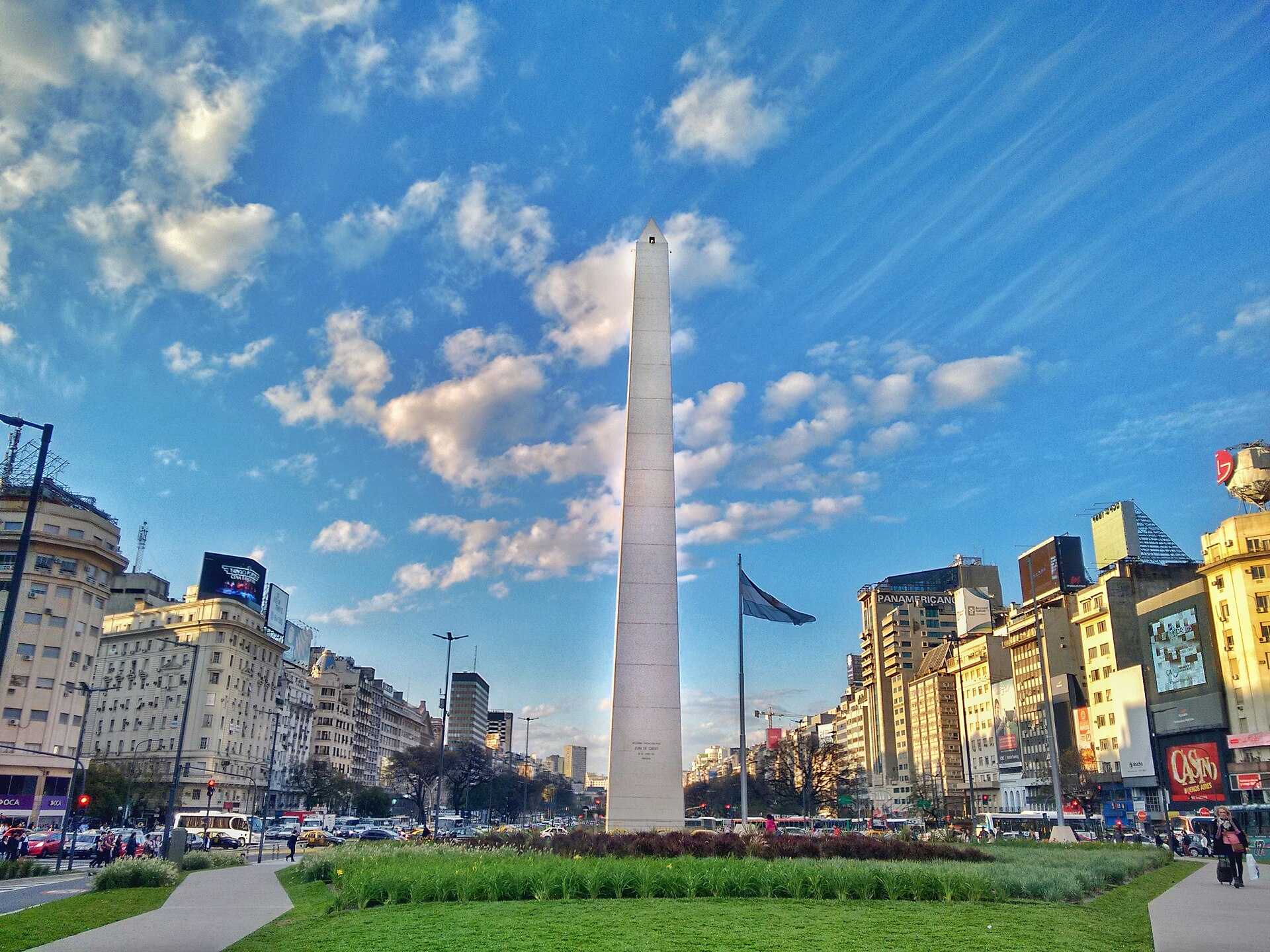
The President: Strong Executive, Limited Legislature
Javier Gerardo Milei is Argentina’s president and head of state and government. He took office on 10 December 2023 and leads the libertarian La Libertad Avanza (LLA) administration. His agenda centres on fiscal deficit reduction, deregulation, privatisation, lower inflation and attracting investment in energy, mining and agribusiness.
The presidency is Argentina’s most powerful political institution. Milei can issue executive decrees, direct the administration and negotiate directly with provincial leaders. But his ability to legislate is constrained by Congress, the provinces and the courts. His government is strongest when it uses executive authority and negotiations with governors, and weakest when a measure requires durable congressional support.
The official presidency reported that Milei met 13 governors and provincial leaders in Paris on 1 October 2026 during Argentina Week. The meeting was presented as evidence of federal cooperation and sought support for the government’s economic direction, investment agenda and pending legislative priorities. That gathering shows how Argentine politics in 2026 works: the president leads, but he must constantly assemble coalitions to govern.
Karina Milei: The Political Organiser
Karina Elizabeth Milei, the president’s sister, is Secretary General of the Presidency and one of the most influential figures in the administration. She is central to building La Libertad Avanza as a national political organisation. Her influence is political rather than purely administrative.
Argentine reporting describes her as the leading figure in the government’s internal political table, alongside Chief of Cabinet Diego Santilli and senior advisers linked to the presidential office. She helps manage candidate selection, party organisation, relations with provincial leaders, the government’s congressional strategy and the president’s reelection project.
Diego Santilli: The Congressional Negotiator
Diego César Santilli is Chief of the Cabinet of Ministers. He took the oath on 30 June 2026 and previously served as Minister of the Interior and as a national legislator. The chief of cabinet coordinates the ministries, assists the president with administration and budget matters, supervises relations with Congress and manages much of the federal relationship with the provinces.
Santilli has become one of the government’s key negotiators with governors and legislators. His immediate tasks include building support for the 2027 national budget, negotiating electoral reform, seeking support for the suspension or elimination of the PASO open primary system, and maintaining cooperation with governors who are not formally part of La Libertad Avanza. Reports from October 2026 describe him as one of the principal officials responsible for counting votes and negotiating with provincial leaders.
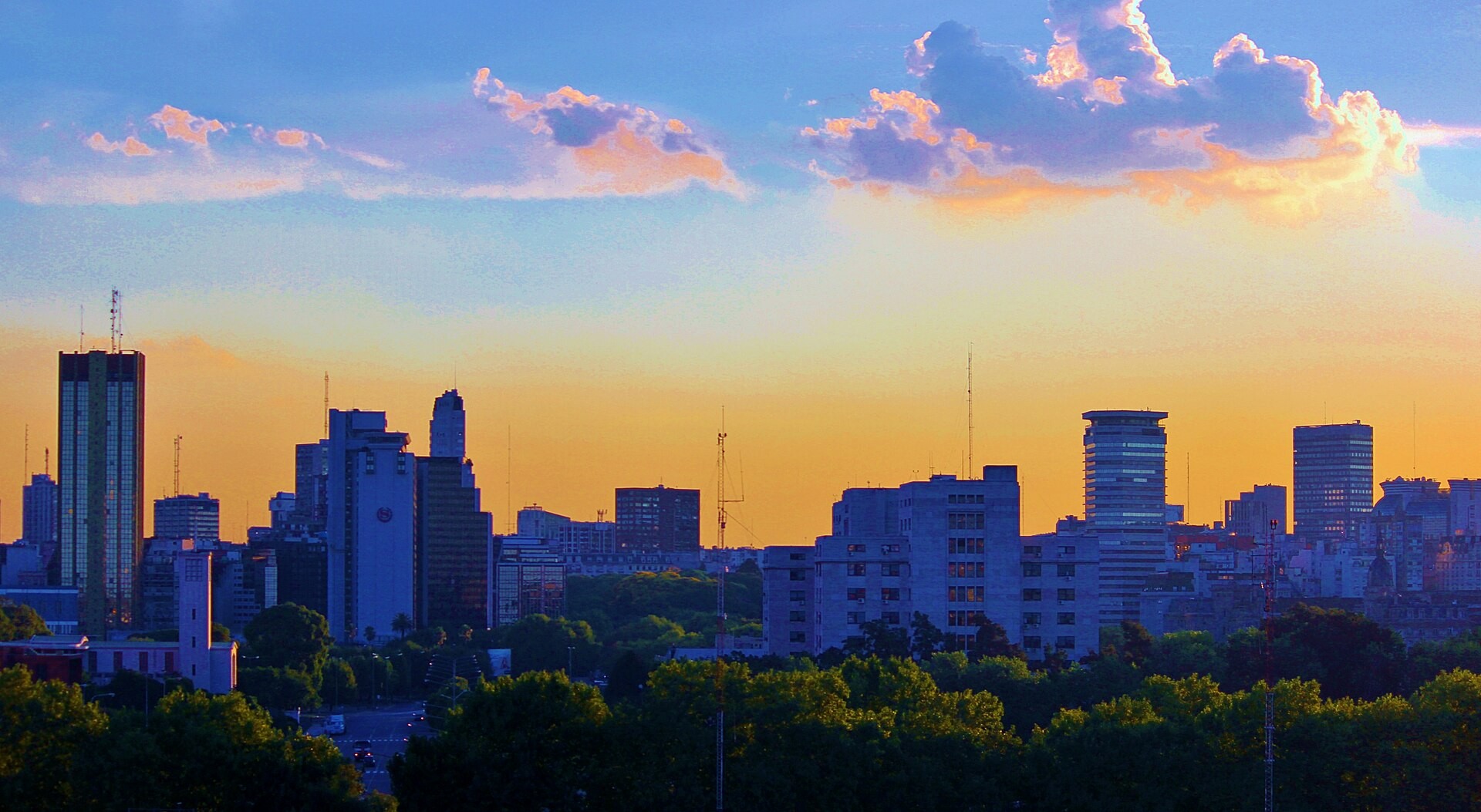
The Economic Team: Where Political Credibility Lives
Milei’s political credibility is closely tied to inflation, the exchange rate, public finances and the availability of foreign currency. That makes the economic team central to Argentina politics in 2026. The government’s political strategy depends heavily on maintaining confidence in its stabilisation programme.
Luis Andrés Caputo is Minister of Economy. His portfolio covers fiscal policy, debt management, tax policy, exchange-rate policy, relations with international lenders, and investment and privatisation policy. Economic volatility directly affects the president’s approval ratings and the willingness of governors and legislators to support the administration.
Federico Sturzenegger is the minister responsible for Deregulation. He is a central intellectual and administrative figure in the government’s effort to reduce regulations, simplify procedures and shrink the role of the state. His importance extends beyond his formal ministry because deregulation is one of the main instruments through which Milei seeks to transform the economy without relying exclusively on new legislation.
Pablo Quirno is Minister of Foreign Affairs. He is responsible for Argentina’s diplomatic relations, international economic diplomacy and efforts to attract foreign investment. Foreign policy under Milei has emphasised closer relations with the United States, Israel and market-oriented governments, while also using international events to promote Argentine energy, mining, agriculture and infrastructure opportunities.
Mario Lugones is Minister of Health. Health policy has become politically sensitive because of public-sector spending controls, the financing of social insurance and disputes involving universities, provinces and public employees. Juan Bautista Mahiques is Minister of Justice. His ministry is relevant to the government’s relationship with the judiciary, judicial appointments, institutional reform and legal defences of executive policy. The official government account of Milei’s October 2026 meeting with governors listed Caputo, Quirno, Sturzenegger, Lugones and Mahiques among the ministers accompanying the president.
The Ruling Party: La Libertad Avanza and Its Limits
La Libertad Avanza is the governing force, created around Milei. Its political identity is built around Milei’s personal leadership, economic liberalisation, anti-establishment rhetoric, opposition to Peronism, fiscal austerity, a smaller state and strong executive direction. But its congressional strength is not sufficient to govern entirely without outside support.
The administration must therefore work with provincial parties, former members of the centre-right opposition and pragmatic legislators. The government’s October 2026 legislative priorities include the 2027 budget, electoral reform, the possible suspension of PASO primaries, measures related to investment and land ownership, and further economic deregulation.
The proposed elimination or suspension of PASO is politically important because it could make it harder for opposition forces to consolidate behind a single presidential or legislative ticket. Martín Menem is the president of the Chamber of Deputies and a leading institutional ally of Milei. He helps manage the government’s legislative agenda in the lower house. The speaker controls the legislative timetable, procedural negotiations and coordination between the ruling bloc and allied or independent deputies.
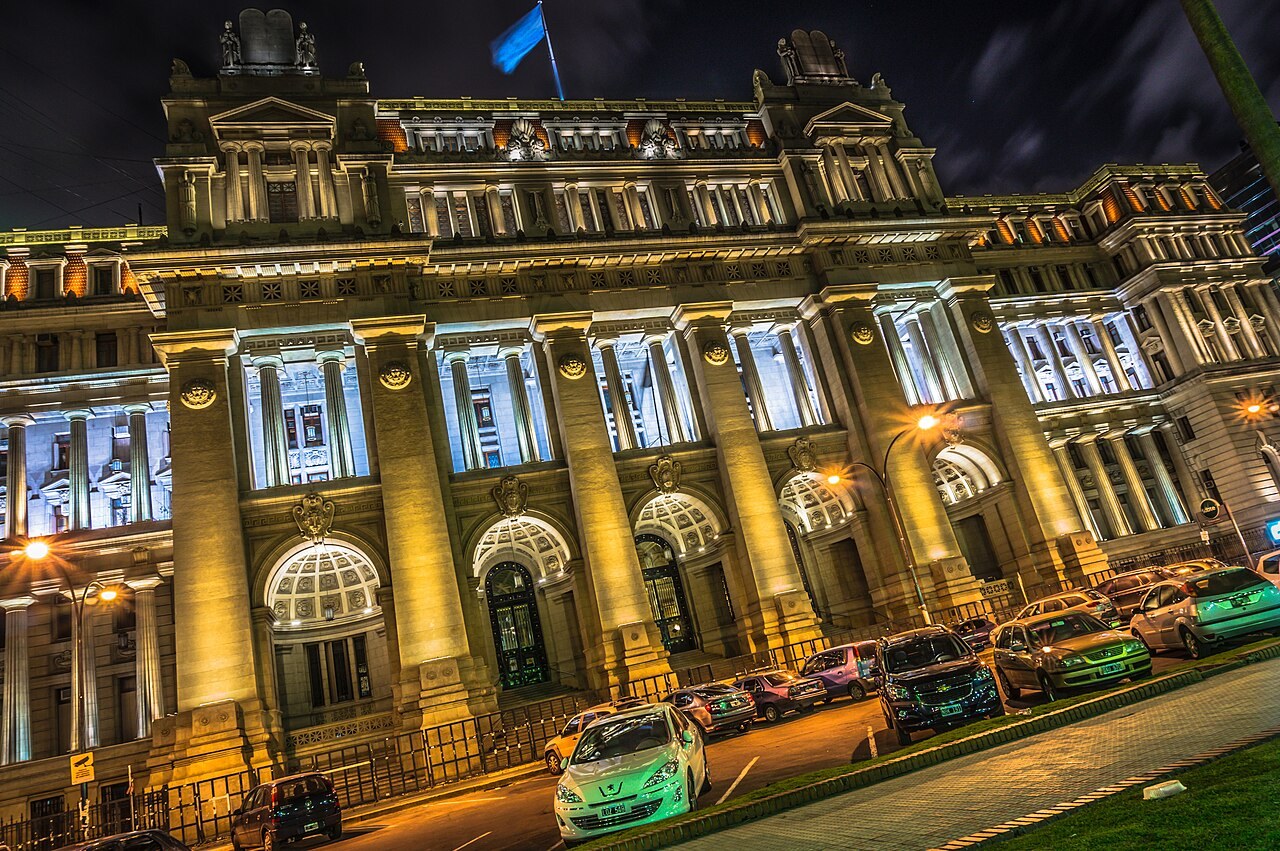
The Opposition: Fragmented but Not Powerless
Argentina’s opposition is fragmented rather than unified. Its main components are Peronist or Kirchnerist forces, provincial parties, centrist legislators and parts of the traditional centre-right. Peronism remains the principal national opposition tradition. It includes Kirchnerism, associated with former president Cristina Fernández de Kirchner, provincial Peronist organisations, trade-union-linked sectors, the political network of Buenos Aires Governor Axel Kicillof, and leaders linked to former economy minister and presidential candidate Sergio Massa.
Cristina Fernández de Kirchner remains a major symbolic and organisational figure in Peronism, although the movement’s future leadership is contested. The central question is whether the opposition will be led by Kirchnerism, Kicillof, Massa, provincial governors or a new coalition.
Axel Kicillof: The Main Opposition Governor
Axel Kicillof is governor of Buenos Aires Province, Argentina’s largest and most politically consequential province. His government is a principal institutional counterweight to Milei. Buenos Aires Province contains a large share of Argentina’s population, economic activity and industrial base. Its governor can influence national electoral outcomes, Peronist organisation, social and labour mobilisation, relations with municipalities and opposition strategy in Congress.
Kicillof’s political network includes Vice Governor Verónica Magario and ministers Carlos Bianco and Gabriel Katopodis, according to Infobae in January 2026. The opposition’s challenge is that Kicillof’s provincial leadership has not automatically translated into control of the national Peronist movement. His relationship with Cristina Fernández de Kirchner and other Peronist leaders remains politically decisive.
Sergio Massa and Ricardo Quintela
Sergio Massa, former economy minister and 2023 presidential candidate, remains an important national Peronist figure. His future role is connected to whether Peronism seeks a moderate, economically experienced candidate or a more confrontational opposition strategy. Argentine reporting identifies Massa as one of the figures who could compete for influence in the run-up to the 2027 political cycle.
Ricardo Quintela, governor of La Rioja, is another emerging Peronist figure. He has positioned himself as a critic of Milei. His national influence is limited compared with Kicillof, but he represents the continued importance of provincial Peronism.
Governors: The Decisive Middle Power
Argentina is a federal country, and governors hold substantial political leverage. They control provincial administrations, influence national legislators elected from their districts and can determine whether the president’s bills pass Congress. Milei’s meeting in Paris brought together governors or provincial representatives from Neuquén, Chubut, Río Negro, Mendoza, Entre Ríos, Salta, Corrientes, Chaco, Jujuy, Santa Cruz, San Juan, Catamarca and Buenos Aires City. Myrian Prunotto, vice governor of Córdoba, also represented Córdoba at the meeting.
These governors are not all members of the same party or coalition. Their cooperation with Milei is transactional and generally linked to federal revenue sharing, public works, infrastructure financing, provincial debt, energy and mining projects, support for provincial legislators, and the political terms of the 2027 elections.
The government is seeking especially close cooperation with Alfredo Cornejo of Mendoza, Rogelio Frigerio of Entre Ríos, Leandro Zdero of Chaco, Ignacio Torres of Chubut and Marcelo Orrego of San Juan. Argentine reporting identifies these governors as potential partners in future electoral alliances, although formal agreements had not yet been completed as of 2 October 2026.
Jorge Macri is head of government of the Autonomous City of Buenos Aires. He is associated with the centre-right tradition and represents the capital’s distinct political weight. The City of Buenos Aires is not a province but has its own government and significant influence over national politics.
Courts, Security Forces and the Limits of Power
Argentina’s courts are a separate branch of government and can review executive decrees and legislation. The Minister of Justice, Juan Bautista Mahiques, is relevant to the government’s relationship with the judiciary, judicial appointments, institutional reform and legal defences of executive policy. The courts are not formally part of the ruling coalition, and their independence is a structural check on presidential power.
The military and security forces operate under civilian control. They are not independent political actors in the way that governors or legislators are. Their role in Argentina politics in 2026 is institutional rather than partisan, focused on public order, border control and federal security matters. The government’s political power does not rest on military support but on electoral legitimacy and congressional negotiation.
For a foreigner, this means that Argentina is not a system where one person can simply impose policy. The president can move quickly on some economic and administrative matters, but structural reforms require sustained negotiation with governors and legislators. That is why the Paris meeting with 13 governors and provincial leaders mattered more than a simple photo opportunity.
What to Watch in Argentina Politics
The most important near-term question is whether Milei can pass the 2027 national budget. That vote will test his ability to hold together the coalition of governors and centrist legislators he has been courting. A failure would weaken his government and embolden the opposition ahead of the 2027 electoral cycle.
Electoral reform is another flashpoint. The possible suspension or elimination of PASO primaries could reshape how the opposition selects candidates. If PASO is removed, opposition forces may struggle to consolidate behind a single presidential or legislative ticket, which would benefit Milei’s reelection project.
The Peronist opposition’s internal contest is also worth watching. Whether Kicillof, Massa, Kirchnerism or a new coalition emerges as the dominant force will determine how competitive the 2027 elections are. For investors, the key signal is not rhetoric but whether the economic stabilisation programme holds through the electoral cycle.
For expats and foreign residents, the practical implications are direct. Provincial governments control many services, taxes and permits. A governor’s relationship with the president can affect infrastructure projects, energy development and local business conditions. Understanding Argentina politics in 2026 means watching both the Casa Rosada and the governors’ offices.
Related reading: more from Argentina, Argentina geopolitics explained, Argentina and its Southern Cone neighbours, the governors at Argentina Week in Paris and labour reform explained for investors.
Frequently Asked Questions
Who is the president of Argentina in 2026?
Javier Gerardo Milei is Argentina’s president and head of state and government. He took office on 10 December 2023 and leads the libertarian La Libertad Avanza administration.
Does President Milei have a majority in Congress?
No. La Libertad Avanza does not have a self-sufficient majority in Congress. The government must negotiate with provincial parties, centrist legislators and parts of the opposition to pass major legislation.
Who is the most important opposition governor in Argentina?
Axel Kicillof is governor of Buenos Aires Province, Argentina’s largest and most politically consequential province. His government is a principal institutional counterweight to Milei.
What is PASO and why does it matter in Argentina politics?
PASO is the open primary system that Argentina uses before general elections. The Milei government is seeking its suspension or elimination, which could make it harder for opposition forces to consolidate behind a single presidential or legislative ticket.
Who runs Argentina’s economy in 2026?
Luis Andrés Caputo is Minister of Economy. He oversees fiscal policy, debt management, tax policy, exchange-rate policy and relations with international lenders.
How much power do Argentine governors have?
Governors hold substantial political leverage. They control provincial administrations, influence national legislators elected from their districts and can determine whether the president’s bills pass Congress.
What are Milei’s main legislative priorities in late 2026?
The government’s priorities include the 2027 budget, electoral reform, the possible suspension of PASO primaries, measures related to investment and land ownership, and further economic deregulation.
Sources: elonce.com, infobae.com, pagina12.com.ar, argentina.gob.ar, pagina12.com.ar, pagina12.com.ar, pagina12.com.ar, argentina.gob.ar. Retrieved 3 October 2026.
This article was produced by The Rio Times’ automated newsroom system. How we use AI · Report an error · Editorial responsibility: Matthias Camenzind, Editor-in-Chief