Argentine Oil Operating Earnings Up 72%
Three Argentine oil and gas companies made US$7 billion in operating earnings (EBITDA, not profit) in nine months, up 72%, a brokerage says.
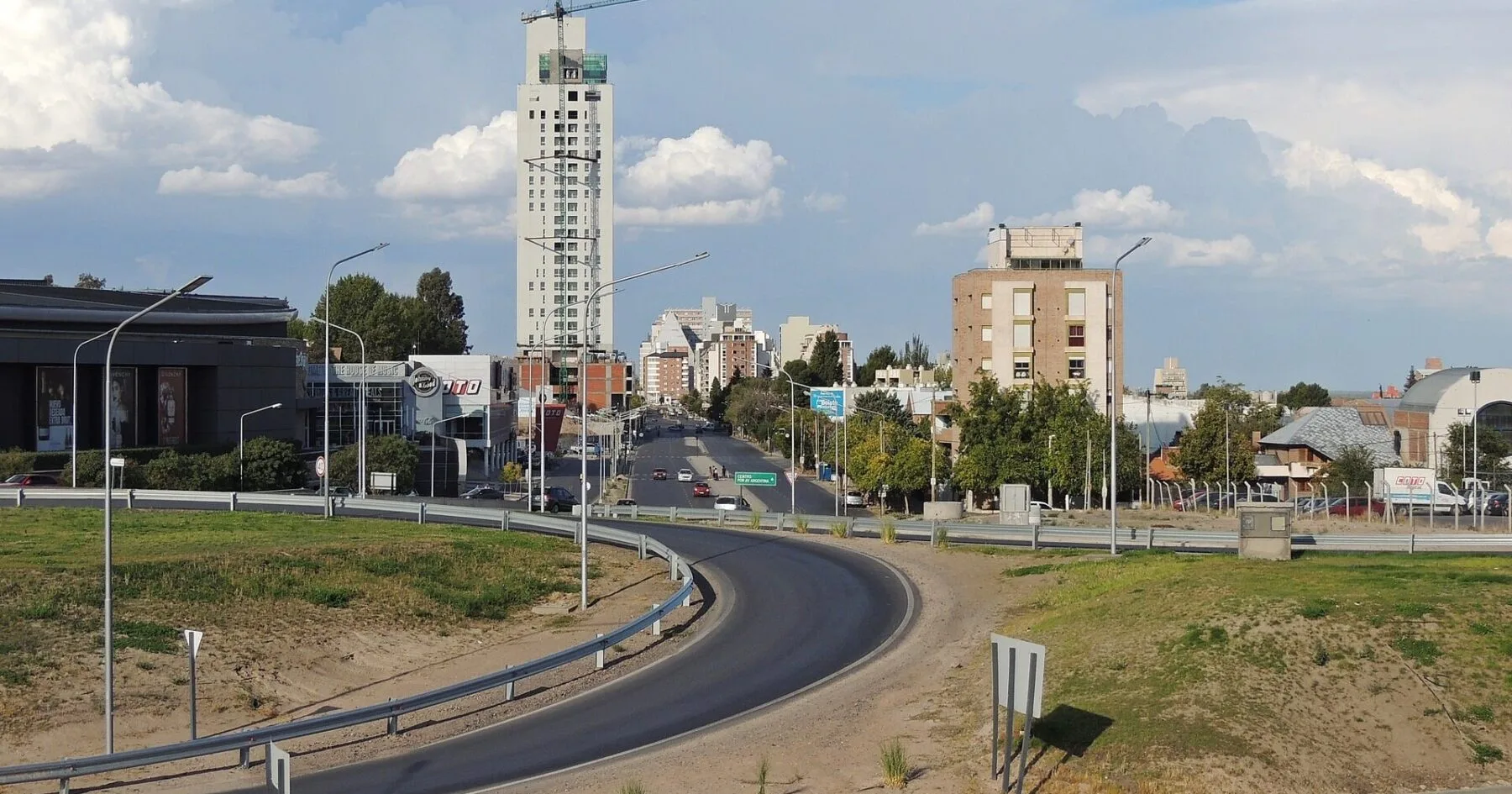
ARGENTINA · OIL AND GAS EARNINGS
Three Argentine oil and gas companies that trade in New York generated US$7,001 million (about US$7 billion) in EBITDA from oil and gas production in the first nine months of 2026. EBITDA means operating earnings before depreciation and amortisation, so it is not profit.
RICSA ALyC, an Argentine brokerage, said in a report on Monday 16 November that the figure is up 72% on a year earlier. The report compiles the results that the three companies published for January to September 2026.
The three are YPF, the state-controlled oil company, Vista Energy, a shale oil specialist, and Pampa Energía, a power and gas group. All trade in New York as ADRs or ADSs (American depositary receipts, US-traded certificates that represent company shares), so the numbers matter to readers following Argentina news.
Key Facts
- What Combined EBITDA (operating earnings before depreciation, not profit) of the three producers: US$7,001 million.
- Growth Up 72% on a year earlier; revenue US$11,616 million, capital spending US$4,731 million, up 10%.
- YPF EBITDA US$4,449 million, up 70%; shale (rock-formation oil) output share rose from 63% to 78%.
- Vista EBITDA US$2,098 million, up 82%, with a production EBITDA margin of 61.8%.
- Pampa EBITDA US$455 million, up 53%; 78.8% of its output is still natural gas.
RICSA ALyC counts these as operating earnings of the production units, not profit, and the report does not say what caused the jump.
How the Shale Boom Shows Up
RICSA ALyC said on 16 November that YPF’s shale share of output rose from 63% to 78%, while total output slipped 1.2% to 533,800 barrels of oil equivalent per day. Old conventional fields were retired, and a barrel of oil equivalent (boe) counts oil and gas in one unit.
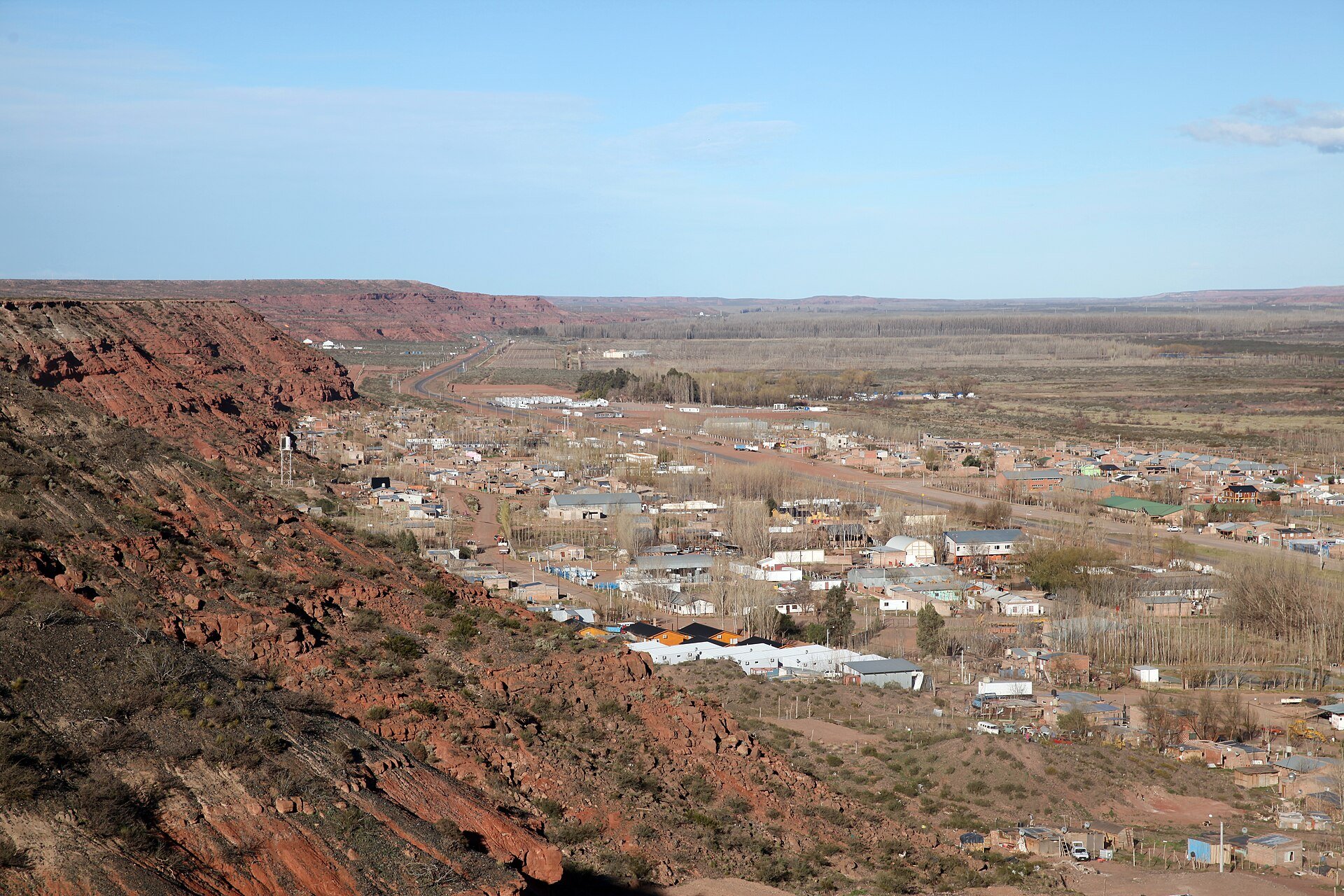
YPF’s third-quarter shale oil output hit a record 224,000 barrels a day, up 32% on a year earlier, the brokerage said. Vaca Muerta is the giant shale formation in Neuquén province, where Vista also sets its production records.
Vista’s third-quarter record was 169,000 barrels a day, and its nine-month output rose 41.2% to 153,300 boe per day, RICSA ALyC said. The brokerage ranks Vista first for profitability and efficiency per barrel.
What the Three Companies Reported
RICSA ALyC said YPF’s upstream revenue was US$7,298 million and its EBITDA US$4,449 million, up 70%. Its upstream EBITDA margin was 61.0%, against 61.8% at Vista.
Vista’s revenue was US$3,395 million and its EBITDA US$2,098 million, up 82%, the brokerage said on 16 November. That is US$50.1 of EBITDA per boe, with a lifting cost (the cost of bringing a barrel out of the ground) of about US$4.5 per boe.
Pampa’s oil and gas segment had revenue of US$923 million, up 40%, and EBITDA of US$455 million, up 53%, RICSA ALyC said. Its operating result nearly doubled, from US$95 million to US$185 million.
Why Lower Costs Matter
YPF’s underlying lifting cost, the cost of bringing each barrel out of the ground, fell 31% from US$12.1 to US$8.4 per barrel of oil equivalent, RICSA ALyC said on 16 November. The brokerage links the fall to the larger weight of shale and the exit from costly conventional fields.
Vista kept the lowest extraction cost of the three, the brokerage said. Pampa’s cost was US$7.4 per boe over nine months but US$8.3 in the third quarter, the brokerage said.
Spending Slowed in the Third Quarter
Combined capital spending was US$4,731 million, 10% above the same period of 2025, RICSA ALyC said on 16 November. Third-quarter spending fell from the second quarter by 13% at YPF, 8% at Pampa and 2% at Vista.
Pampa put 76% of its third-quarter capital spending into the Rincón de Aranda oil block in Vaca Muerta, which passed 26,000 barrels a day in September after a second treatment plant started. Even so, 78.8% of its output is still natural gas.
In Plain English
- EBITDA: operating earnings before depreciation and amortisation (the accounting write-down of assets). It is not profit.
- Upstream: the oil and gas production side of a company, as opposed to refining or power.
- Lifting cost: what it costs to bring a barrel of oil out of the ground.
- ADR: a US-traded certificate that represents shares of a foreign company.
What It Means for You
A US reader holding or watching these ADRs should read the US$7 billion as operating earnings from production, before depreciation and amortisation, not as profit. The RICSA ALyC compilation covers only the production divisions of each group.
Lower lifting costs and rising shale volumes are the two figures to follow in the companies’ next results. They show whether Argentina’s shale growth is becoming cheaper to run.
What Is Not Known
RICSA ALyC does not say how it defines upstream EBITDA against each company’s own segment reporting. It also gives no oil price assumption and does not say whether the figures are adjusted.
The date of the companies’ next quarterly results is not confirmed. The figures are the brokerage’s compilation of published results, not a combined statement by the companies.
Frequently Asked Questions
What does the US$7 billion measure?
It measures EBITDA, operating earnings before depreciation and amortisation, from the oil and gas production divisions of three companies. It is not net profit.
Which companies are included?
YPF, Vista Energy and Pampa Energía, three oil and gas companies that trade in New York. RICSA ALyC, an Argentine brokerage, compiled their January to September 2026 results on Monday 16 November.
How far did YPF cut its lifting cost?
YPF’s underlying lifting cost fell 31%, from US$12.1 to US$8.4 per barrel of oil equivalent, according to the RICSA ALyC report. Lifting cost is the cost of bringing oil out of the ground.
Can US investors trade these companies?
All three trade in New York as ADRs, American depositary receipts, which are US-traded certificates of Argentine shares. This article gives no price targets or investment advice.
Sources: RICSA ALyC (Argentine brokerage), comparative report on the nine-month 2026 results of YPF, Vista Energy and Pampa Energía, 16 November 2026; the companies’ published results for January to September 2026.
This article was produced by The Rio Times’ automated AI newsroom. Editorial responsibility: Matthias Camenzind, Publisher and Editor-in-Chief. The Rio Times also runs Ask Rio Times, which answers from 100,000+ of our own articles, the daily Latin America Power Map, and prediction-market odds on elections and markets.. How we use AI · Report an error