
GUIDES · ARGENTINA
Key Facts
- —Context Argentina recorded 3.6 intentional homicides per 100,000 people in 2025, its lowest rate on record, per the Ministry of National Security.
- —Who Runs It Alejandra Monteoliva has been Minister of National Security since December 2025 and remains in office as of October 2026.
- —Rosario Rosario department counted 115 homicides in 2025, its second-lowest total since 2014, per the Santa Fe security observatory.
- —Property Crime Robberies fell 21.6% and thefts 17.4% nationwide in 2025, according to the official SNIC statistics published on 1 June 2026.
- —US Advice The US State Department rates Argentina Level 1, “exercise normal precautions”, in an advisory issued on 10 July 2026.
- —Prediction markets Polymarket gives Javier Milei a 55% chance of winning the 2027 presidential election (13 October, 8:18 a.m. ET).
Argentina security has improved on the official numbers, with homicides at a record low of 3.6 per 100,000 people in 2025. The violence that remains is concentrated in a few places, above all the river port city of Rosario.
For US travellers, investors and expats, the country is rated by Washington at its lowest risk level.
Crime Trends in the Official Numbers
Argentina publishes its crime data through the Sistema Nacional de Información Criminal (SNIC), run by the Ministry of National Security. It counts offences recorded by provincial police forces, federal forces and other official bodies that take complaints.
In 2026, the UN Office on Drugs and Crime (UNODC) awarded the system an “A” grade for statistical quality.
The headline figure is the homicide rate. Intentional homicides fell from 4.4 per 100,000 people in 2023 to 3.6 in 2025, a drop of 7.3% against 2024.
The ministry says this is the lowest rate in the country’s recorded history for the second year in a row.
The final 2025 statistics were presented on Monday, 1 June 2026. They revised the preliminary figures of 22 January 2026, which put the homicide rate at 3.7 and the robbery fall at 20.8%.
The ministry also claims that Argentina has the lowest homicide rate among the Latin American and Caribbean countries in its comparison. The 2025 report lists these other changes against 2024:
- Robberies, simple and aggravated, fell 21.6% to the lowest rate in the official series, leaving aside the lockdown year of 2020.
- Thefts without violence fell 17.4%.
- Homicides of women fell 10.8%, and 23.5% over two years.
- Offences linked to organising, financing and producing drugs fell 4.3%, and smuggling cases fell 5.1%.
The ministry says first-quarter data for 2026 show further falls in homicides and robberies. In January 2026 it reported that robberies fell in all 24 jurisdictions, and that 15 of the 24 improved their homicide rates.
Rosario and the Narco Hotspots
Rosario, a large port city on the Paraná River in Santa Fe province, was for years the face of Argentina’s drug violence. From 2014 to 2023, the provincial security observatory recorded persistently very high homicide rates there.
The US State Department still says criminal and drug trafficking groups are active there.
The federal response is Plan Bandera, launched on Monday, 18 December 2023. The then security minister Patricia Bullrich presented it with Santa Fe governor Maximiliano Pullaro and Rosario’s mayor.
Pullaro, from the centrist Radical Civic Union (UCR), still governs Santa Fe as of October 2026.
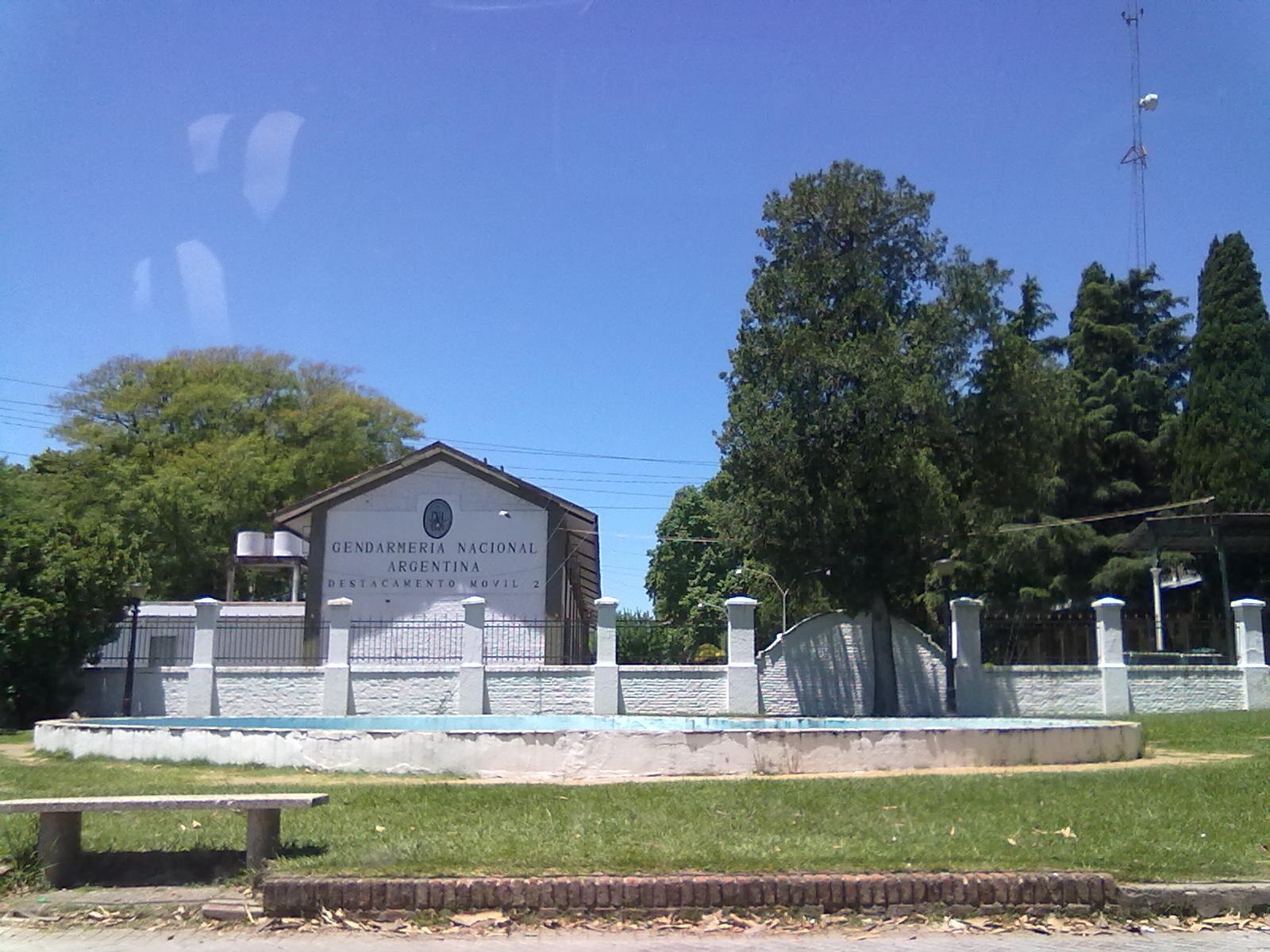
The plan sends a unified federal command into the most violent neighbourhoods. Its tools include patrols, saturation operations, checkpoints and the demolition of drug “bunkers”, the gangs’ fortified sales points.
The Federal Penitentiary Service also helps control prisons holding inmates tied to organised crime, and a voluntary disarmament programme collects guns.
The Santa Fe security observatory counted 115 homicides in Rosario department in 2025, out of 210 in the province. It is run by the province’s justice and security ministry with public prosecutors.
That was the second-lowest total since its series began in 2014, slightly above 2024 and far below the 2014 to 2023 levels.
The observatory’s detail shows what kind of violence remains. About eight in ten Rosario homicides in 2025 involved firearms, and six in ten were tied to criminal groups or illegal economies.
Three in ten followed a prior order or pact, in effect a contract killing, the lowest share since 2017.
The national ministry says homicides fell 22% in 2025 in areas patrolled only by federal forces. Over the plan’s first two years, it puts the fall there at close to 70%.
Its Plan Bandera page puts the overall fall in Rosario at more than 57%.
Beyond Rosario, the ministry runs a wider “Plan 90/10” aimed at the places where 90% of homicides happen. It says that area shrank from 193 municipalities in 2023 to 180 in 2025.
It credits provinces covered by the plan with 70% of the national fall in homicides.
Who Polices Argentina: Federal Forces and Provincial Police
Argentina is a federal country, so each of the 23 provinces runs its own police. The City of Buenos Aires has its own force, the Policía de la Ciudad.
Federal forces handle federal crimes such as drug trafficking and smuggling, plus borders, rivers, ports and airports. The ministry commands these federal bodies:
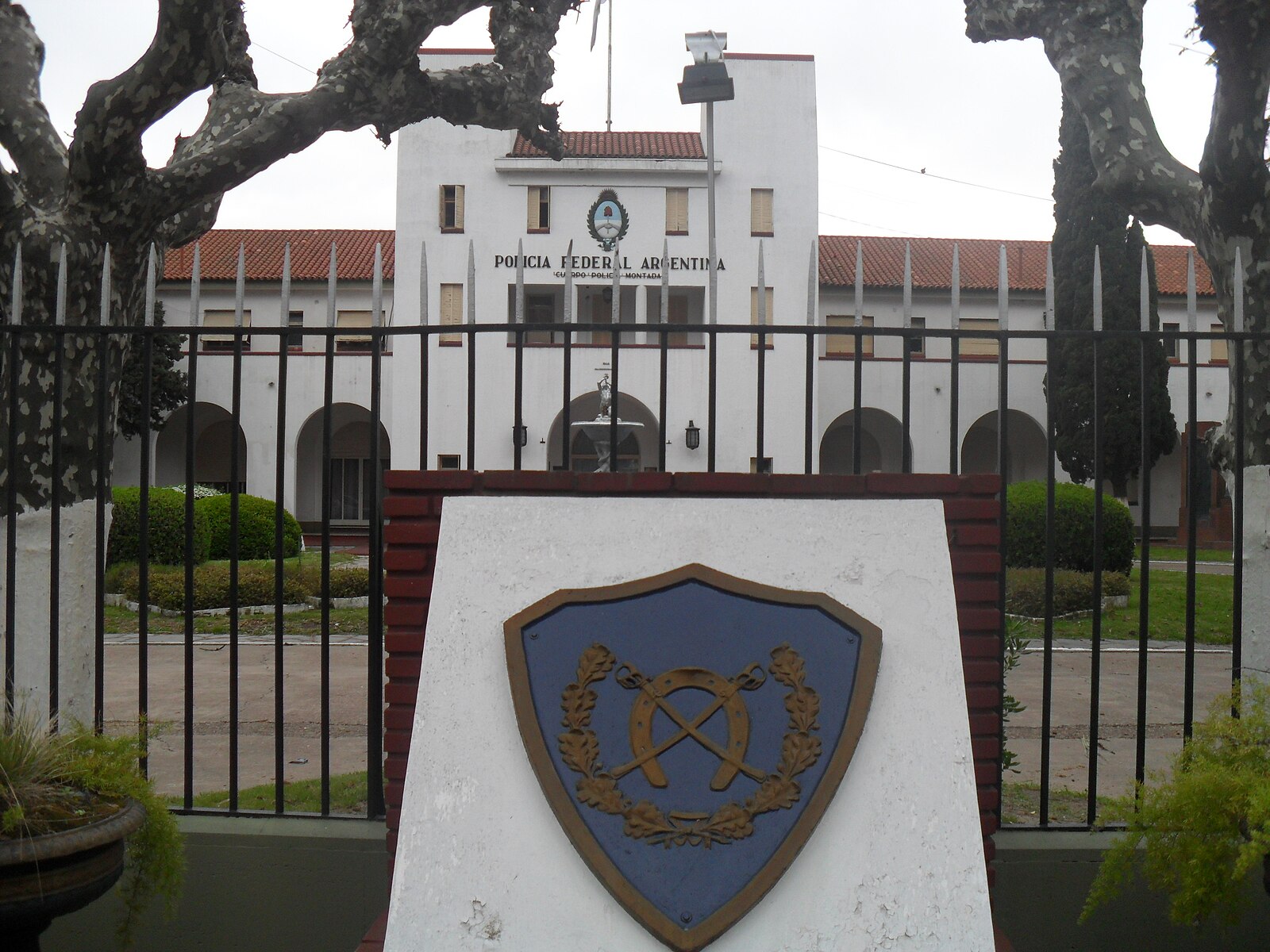
- Policía Federal Argentina (PFA), the national police, reorganised by Decree 383/2025, published on Tuesday, 17 June 2025. The decree created a Federal Investigations Department (DFI) with units for federal investigations, drug trafficking and criminal intelligence.
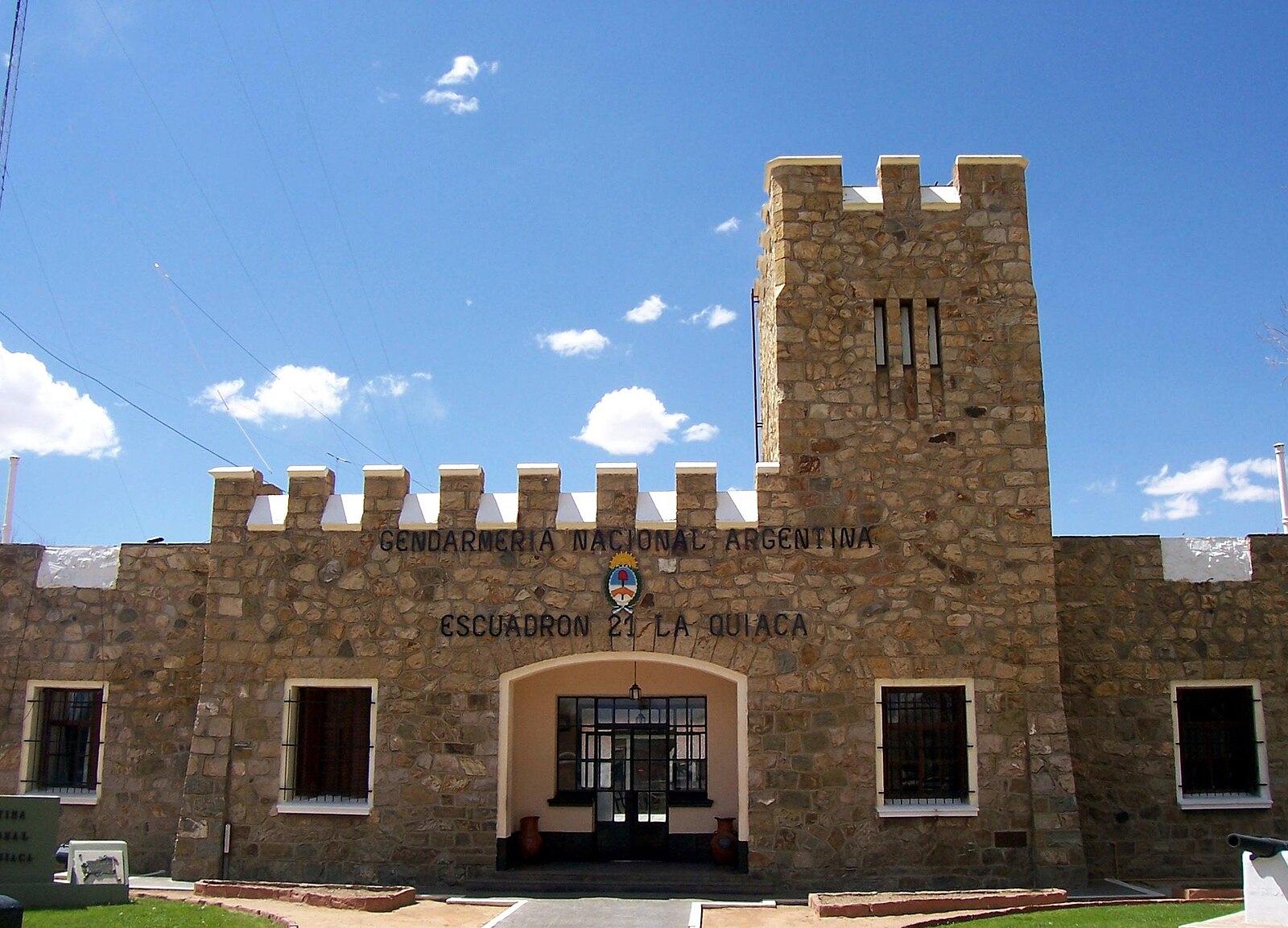
- Gendarmería Nacional, a militarised security force that guards land borders and is part of the Plan Bandera command.
- Prefectura Naval, the coast guard for the sea, the rivers and the ports, including the Paraná waterway.
- Policía de Seguridad Aeroportuaria (PSA), the airport police.
- Servicio Penitenciario Federal, which runs federal prisons.
Alejandra Monteoliva has led the ministry since December 2025. She remains in the post as of October 2026 under President Javier Milei, a libertarian economist who leads La Libertad Avanza.
On Thursday, 8 October 2026, she joined the signing of the Devoto prison handover with the Buenos Aires City government. The city is led by Jorge Macri of the centre-right PRO party.
The deal moves Devoto’s inmates to the new Federal Penitentiary Complex VIII at Marcos Paz, in Buenos Aires province.
Buenos Aires province is governed by Axel Kicillof, a Peronist from the opposition whose government runs the provincial police. Security in greater Buenos Aires therefore depends on cooperation between rival political camps.
The Army’s Limited Role
Argentina draws a firm legal line between national defence and internal security. Under the Internal Security Law 24.059, the armed forces may give logistic support to police operations: transport, engineers, health services and communications.
Combat units may be used at home only in exceptional cases, by presidential decision and after a state of siege is declared.
The Milei government has pushed at that line along the borders rather than in the cities. In 2025 it launched Operation Roca (Operación Julio Argentino Roca), which the defence ministry called the largest military deployment in recent times.
It involved more than 10,000 troops in the north-west and north-east, using drones, radars, helicopters and aircraft.
The ministry stressed that the troops work away from towns and normal border crossings, covering remote terrain where smugglers move. Carlos Presti is defence minister as of October 2026, according to resolutions in the Official Gazette.
Policing the cities remains the job of the provinces and the federal security forces.
Borders, Prisons and the US Partnership
Much of the federal effort targets drug trafficking and smuggling routes across the northern borders and along the rivers. The federal forces also guard ports and airports, where drug shipments are seized.
The ministry’s regular reports list drug seizures by the Gendarmería, Prefectura, PSA and the Federal Police.
Washington is a growing partner. On Monday, 5 October 2026, the ministry announced the US State Department’s anti-drug bureau, INL, had created a regional unit in Argentina.
The US approved US$13.35 million, with US$7.5 million for projects in Argentina and US$5.85 million for regional work.
INL is the Bureau of International Narcotics and Law Enforcement Affairs. The ministry says the deal multiplies cooperation funds tenfold, for equipment, intelligence, training and joint operations.
In late May 2026, Monteoliva also joined the signing of the Santiago Commitment in Chile, a regional pledge against organised crime.
Safe and Less Safe Areas
Official figures make Argentina a low-violence country by regional standards. The US State Department’s summary says the country is “generally a safe destination for travelers”.
The main risk it names is occasional petty crime in popular tourist locations and throughout Buenos Aires.
In practice, the sensible habits are the ones used in any large city. Keep phones and wallets out of sight in crowds and on public transport.
At night, use registered taxis or ride-hailing apps rather than hailing cars at random.
The one place the advisory singles out is Rosario, where it says criminal and drug trafficking groups cause crime and violence. The federal deployment there concentrates on the most critical neighbourhoods, according to the ministry.
Visitors should ask locally before heading beyond the riverside centre and the National Flag Memorial.
What It Means for US Readers
- Travellers: Level 1 is the State Department’s lowest advisory level. Watch phones and bags in Buenos Aires, and check local news before visiting outlying parts of Rosario.
- Investors: lower violence around Rosario matters for companies that operate in its river ports and industrial belt. Security results are also part of the government’s record ahead of the 2027 election.
- Expats: crime varies by neighbourhood more than by city, so compare areas and visit at night before signing a lease.
- US policy: the new INL unit makes Argentina one of Washington’s closer security partners in South America.
What Prediction Markets Say
Prediction markets put real money behind the 2027 presidential race, which will judge, among other things, the security record. On Polymarket’s “Argentina Presidential Election Winner” market, bettors gave Javier Milei a 55% chance and Axel Kicillof 32.5% (13 October, 8:18 a.m. ET).
Sergio Massa, the Peronist former economy minister who lost the 2023 run-off, traded at 7.4%. The market has traded about US$840,000 in total volume, about US$203,000 of it on Milei.
Prices moved by less than three points over the past week, and these are bets, not polls.
Why we show this: prediction markets turn real-money bets into a live probability that moves within minutes of the news, which is why investors, campaigns and newsrooms in the United States now follow them closely. We show them next to polls and official results, never instead of them.
What Is Not Known
- Full-year 2026 crime data. The ministry has only described first-quarter trends, without publishing complete figures.
- Whether Rosario’s gains hold if the federal presence shrinks. The observatory notes 2025 was slightly worse than 2024.
- How many troops remain deployed under Operation Roca as of October 2026, and at what cost.
- Where the new US INL unit will sit, how many US staff it will have and when it starts work.
- How much crime goes unreported. The SNIC counts recorded offences, so changes in reporting can affect the trends.
Frequently Asked Questions
Is Argentina safe for American tourists?
The US State Department rates Argentina Level 1, exercise normal precautions, in an advisory issued on 10 July 2026. It says the country is generally safe but warns of petty crime in tourist areas and throughout Buenos Aires.
What is the homicide rate in Argentina?
The Ministry of National Security puts the 2025 intentional homicide rate at 3.6 per 100,000 people, down from 4.4 in 2023 and the lowest on record.
Why is Rosario considered dangerous?
Santa Fe recorded very high homicide rates from 2014 to 2023, and the US State Department says drug trafficking groups are active in Rosario. Homicides fell sharply under the federal Plan Bandera launched in December 2023, and Rosario department counted 115 homicides in 2025.
Who is in charge of security in Argentina?
Alejandra Monteoliva is Minister of National Security as of October 2026. Her ministry commands the Federal Police, the Gendarmeria, the Prefectura Naval and the airport police, while each province runs its own police.
Does the army fight crime in Argentina?
Only in a limited way. The Internal Security Law allows logistic support, and combat units only in exceptional cases after a state of siege. Operation Roca deployed more than 10,000 troops to remote northern border zones in 2025.
What is the US doing on security in Argentina?
On 5 October 2026, Argentina announced that the US State Department anti-drug bureau INL had created a regional unit in the country, backed by US$13.35 million.
Sources: Ministry of National Security, SNIC crime statistics, https://www.argentina.gob.ar/seguridad/estadisticascriminales; Ministry of National Security, Estadísticas Criminales 2025 (1 June 2026), https://www.argentina.gob.ar/noticias/monteoliva-presento-las-estadisticas-criminales-2025-argentina-registro-la-menor-tasa-de; Ministry of National Security, preliminary 2025 statistics (22 January 2026), https://www.argentina.gob.ar/noticias/monteoliva-presento-las-estadisticas-preliminares-de-homicidios-y-robos-de-2025; Ministry of National Security, Plan Bandera, https://www.argentina.gob.ar/seguridad/plan-bandera; Ministry of National Security, Plan Bandera launch (18 December 2023), https://www.argentina.gob.ar/noticias/la-ministra-bullrich-presenta-el-plan-bandera-para-recuperar-la-provincia-de-santa-fe; Santa Fe Public Security Observatory, annual homicide report 2025, https://www.santafe.gob.ar/ms/osp/wp-content/uploads/sites/46/2026/01/25.12-Informe-Anual-HOMICIDIOS-2025.pdf; US State Department, Argentina travel advisory, https://travel.state.gov/content/travel/en/traveladvisories/traveladvisories/argentina-travel-advisory.html; Ministry of National Security, US INL regional unit (5 October 2026), https://www.argentina.gob.ar/noticias/estados-unidos-creo-en-argentina-una-unidad-regional-para-fortalecer-la-lucha-contra-el; Ministry of National Security, Devoto prison handover (8 October 2026), https://www.argentina.gob.ar/noticias/nacion-y-ciudad-firmaron-el-traspaso-de-la-carcel-de-devoto; Decree 383/2025, Federal Police, https://www.argentina.gob.ar/normativa/nacional/decreto-383-2025-414065/texto; Internal Security Law 24.059, https://servicios.infoleg.gob.ar/infolegInternet/anexos/0-4999/458/texact.htm; Ministry of Defence, Operation Roca, https://www.argentina.gob.ar/noticias/la-operacion-roca-se-encuentra-llevando-adelante-su-fase-de-ejecucion; Boletín Oficial, Defence Ministry Resolution 643/2026, https://www.boletinoficial.gob.ar/detalleAviso/primera/347652/20260918. All accessed 13 October 2026.
This article was produced by The Rio Times’ automated newsroom system. How we use AI · Report an error · Editorial responsibility: Matthias Camenzind, Editor-in-Chief
Expat Guide to Argentina
What The Rio Times publishes for foreigners who live in or move to Argentina.
Start here
- Argentina Money Guide for US Travelers
- Best Places to Live in Argentina for Expats 2026
- How to Open a Bank Account in Argentina as a Foreigner in 2026: Tax ID, Dollars, Apps
- Cost of Living in Argentina in 2026: Rent, Prices and Budgets From About US$1,100 a Month
City guides
Coming up in Argentina
- Los Pericos Gran Rex Concert Set for 22 October 2026 in Argentina 22 Oct
- Mendoza Things to Do, 9 to 31 October 2026 31 Oct
- Mar del Plata Film Festival 2026: 5 to 15 November 5 Nov
- Primavera Sound Buenos Aires 2026: Gorillaz, The Strokes to Headline 28 Nov
Understand Argentina