Cost of Living in Argentina in 2026: Rent, Prices and Budgets From About US$1,100 a Month

GUIDES · ARGENTINA
Key Facts
- —What it is A guide to the cost of living in Argentina, South America’s second-largest country by area and a long-time magnet for settlers.
- —Who it’s for Expats, remote workers and retirees weighing Buenos Aires against Córdoba and Mendoza.
- —What it costs Roughly US$1,100–1,650 a month for one person with rent, on crowd-sourced September 2026 data, before health cover.
- —The rules The peso trades inside a central-bank band; official, MEP and street rates sat within about 1.5% of each other on 24 September 2026.
- —The catch Prices still rise by about 1.7% a month, so peso rents and bills climb even when the dollar holds still.
- —What is still open Where the peso settles inside its band, and whether monthly inflation keeps easing into 2027.
Argentina is no longer the bargain it was for dollar earners, but it is not the shock some headlines suggest. This guide sets out what a month really costs in Buenos Aires, Córdoba and Mendoza.
The cost of living in Argentina in 2026 is shaped by two forces: a peso that has stopped collapsing and prices that still rise every month. For Americans and Europeans, the country is no longer cheap, but dollar budgets are far more predictable than in the crisis years.
How the peso works for foreigners in 2026
As of 24 September 2026, the state-owned Banco de la Nación sold dollars at 1,540 pesos per US dollar, Los Andes reported. The wholesale rate closed at 1,519.50 pesos per US dollar.
All dollar figures in this guide use 1,520 pesos per US dollar, close to that wholesale rate. Prices in pesos are the fixed point; their dollar value moves with the rate.
The central bank lets the peso trade between a floor and a ceiling, known as the band. On 24 September the ceiling stood at 1,911.44 pesos per US dollar, about 26% above the official rate, according to Los Andes.
The famous gaps between exchange rates have almost closed. The MEP rate, a legal dollar bought through stock-market bonds, was 1,540.97 pesos per US dollar that day. The informal “blue” rate was 1,560 pesos per US dollar.
One number still confuses visitors: the “dólar tarjeta”, or card dollar, at 2,002 pesos per US dollar. It is the official rate plus a 30% income-tax advance that Argentine residents pay on card spending in foreign currency.
For a foreigner, the practical upshot is simple. With official, MEP and blue rates within about 1.5% of each other, changing cash on the street has lost most of its point. Check your own bank’s foreign-transaction fee instead.
Inflation: what the official numbers say
INDEC, the national statistics office, measured consumer-price inflation of 1.7% in August 2026. It published the figure on Thursday 10 September.
Prices were 33.5% higher than a year earlier and 21.3% higher than in December.
The regional figures matter if you are choosing a city. In August, prices rose 1.6% in Greater Buenos Aires, 1.6% in the Pampeana region that includes Córdoba, and 1.7% in Cuyo, home to Mendoza.
Over twelve months, INDEC recorded 33.7% in Greater Buenos Aires, 33.1% in the Pampeana region and 33.4% in Cuyo. In practice, the three cities are inflating at almost the same pace.
Regulated items still run hotter than the average, and they drive much of the cost of living in Argentina. In Greater Buenos Aires, housing and utilities rose 2.6% in August and health 2.3%, while food rose 1.4%.
For a dollar earner, this is the core of the cost of living in Argentina today. If the peso holds steady while prices keep climbing, every peso-priced bill costs a little more in dollars each month.
The official basket as a reality check
INDEC also prices a basic basket of goods and services, the canasta básica total, which marks the poverty line. In August 2026 it cost 519,578 pesos (about US$342) per adult in Greater Buenos Aires.
For INDEC’s reference family of four, two adults aged 35 and 31 with children aged 6 and 8, the basket came to 1,605,497 pesos (about US$1,056). It rose 2.6% in August, faster than overall inflation.
The food-only basket, the canasta básica alimentaria, cost 235,103 pesos (about US$155) per adult. These are minimum costs for local families, not an expat budget, but they show the floor most Argentines live against.
Rent in Buenos Aires, Córdoba and Mendoza
Rent is the biggest single line in the cost of living in Argentina for most expats. It is also where the three cities differ most.
In Buenos Aires, the property portal Zonaprop put the average asking rent for a two-room flat at 886,527 pesos (about US$583) a month in August 2026. In Argentina, “two rooms” (dos ambientes) means a living room plus one bedroom.
Zonaprop’s index shows Buenos Aires asking rents up 1.5% in August, 19.2% since January and 29.9% over twelve months. On its figures, rents have risen less than inflation so far this year.
Neighbourhood matters. Puerto Madero was the dearest, at 1,252,366 pesos (about US$824) for the average two-room flat. Lugano was the cheapest, at 654,776 pesos (about US$431).
Crowd-sourced Numbeo data, updated on 23 September 2026, put a one-bedroom flat in central Buenos Aires at about 1,142,698 pesos (about US$752) a month. Outside the centre, the figure was about 827,887 pesos (about US$545).
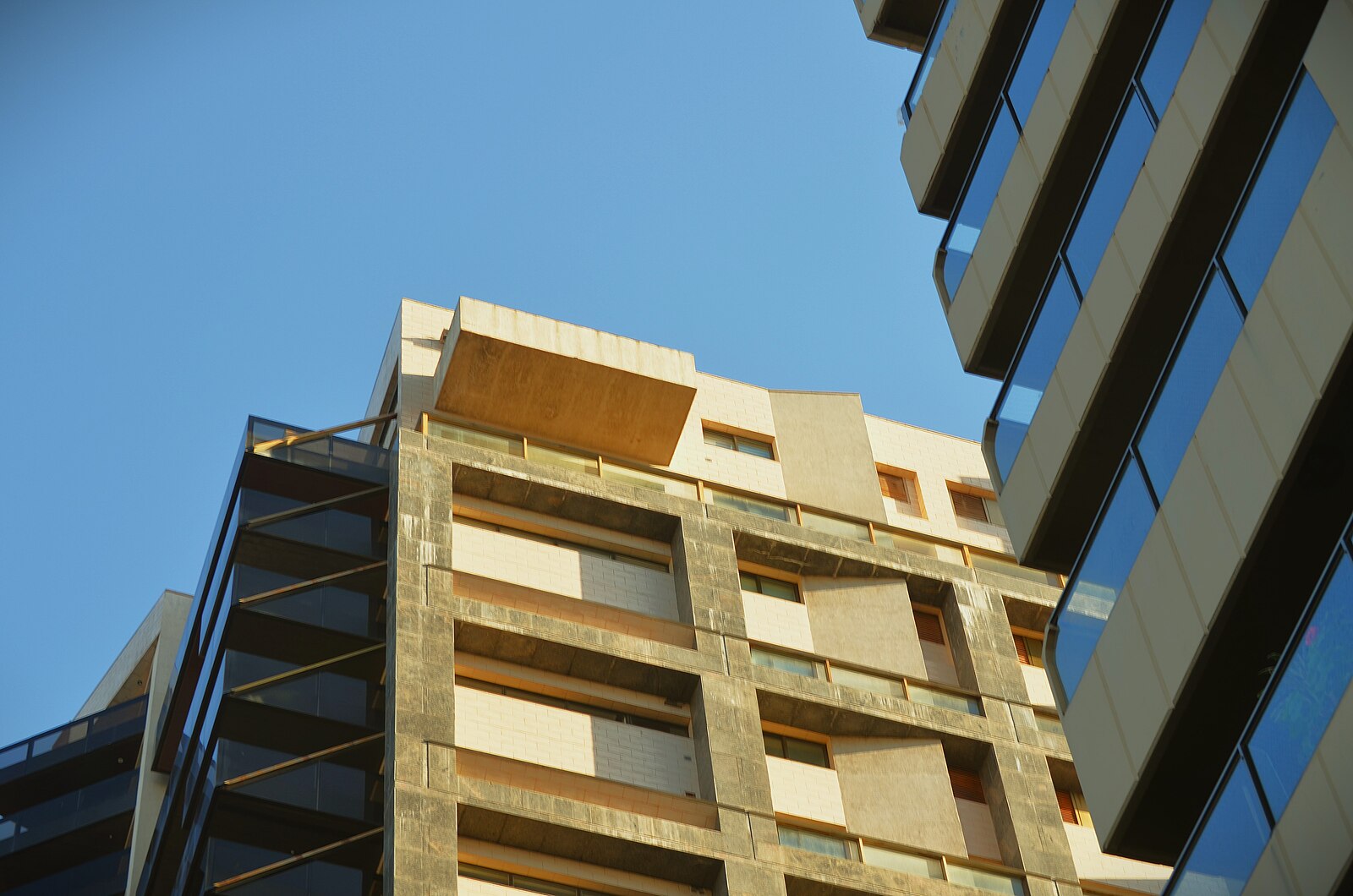
Córdoba, Argentina’s second city, is cheaper. Numbeo’s August 2026 data show a central one-bedroom at about 729,722 pesos (about US$480), and about 463,837 pesos (about US$305) outside the centre.
Zonaprop’s latest published Córdoba report, for March 2026, gave an average one-bedroom asking rent of 619,061 pesos (about US$407 at today’s rate). Nueva Córdoba, the student district, was the dearest area.
Mendoza, the wine capital at the foot of the Andes, sits in between. Numbeo’s September data put a central one-bedroom at about 801,478 pesos (about US$527), and about 506,681 pesos (about US$333) further out.
How leases work now
The rules changed sharply in December 2023. Emergency decree DNU 70/2023 swept away the 2020 rental law and its compulsory yearly update.
Landlord and tenant now agree their own index and adjustment interval. Many contracts still use the central bank’s rental index, the ICL, which blends inflation and wages.
Before signing, ask which index applies, how often the rent is updated and in which currency it is set. Furnished short lets aimed at visitors are often quoted in dollars.
Food, eating out and everyday bills
Daily habits shape the cost of living in Argentina more than any other line after rent. Numbeo’s September 2026 data for Buenos Aires put a meal at an inexpensive restaurant at about 30,497 pesos (about US$20). A three-course dinner for two at a mid-range restaurant came to about 100,091 pesos (about US$66).
A cappuccino cost about 5,944 pesos (about US$3.91). A gym membership was about 76,203 pesos (about US$50) a month.
Eating out is where the cost of living in Argentina drops most outside the capital. An inexpensive meal cost about 20,593 pesos (about US$14) in Córdoba and 16,774 pesos (about US$11) in Mendoza, on the same crowd-sourced data.
Utilities are the line most exposed to policy. Numbeo put basic utilities for an 85-square-metre flat at about 323,889 pesos (about US$213) a month in Buenos Aires.
The same bundle came to about 240,191 pesos (about US$158) in Córdoba and 205,031 pesos (about US$135) in Mendoza. In September, electricity in Greater Buenos Aires rose 1.75% on average and gas 1.40%, Ámbito reported.
Broadband internet cost about 51,410 pesos (about US$34) a month in Buenos Aires. Córdoba came to 48,925 pesos (about US$32) and Mendoza 35,579 pesos (about US$23).
Transport: SUBE fares and getting around
In Buenos Aires, buses, the Subte metro and suburban trains all run on the SUBE contactless card. Register your card, because unregistered cards pay a higher fare.
From 1 September 2026, the minimum city-bus fare with a registered SUBE was 887.87 pesos (about US$0.58), Ámbito reported. Bus lines run by Buenos Aires province started at 1,158.97 pesos (about US$0.76).
A Subte ride cost 1,753 pesos (about US$1.15) in the first fare band. The minimum train fare rose 14.29% to 480 pesos (about US$0.32).
Transport remains one of the cheaper parts of the cost of living in Argentina. Numbeo users put a monthly public-transport spend in Buenos Aires at about 41,933 pesos (about US$28). Fares rise most months, so check the current table before you budget.
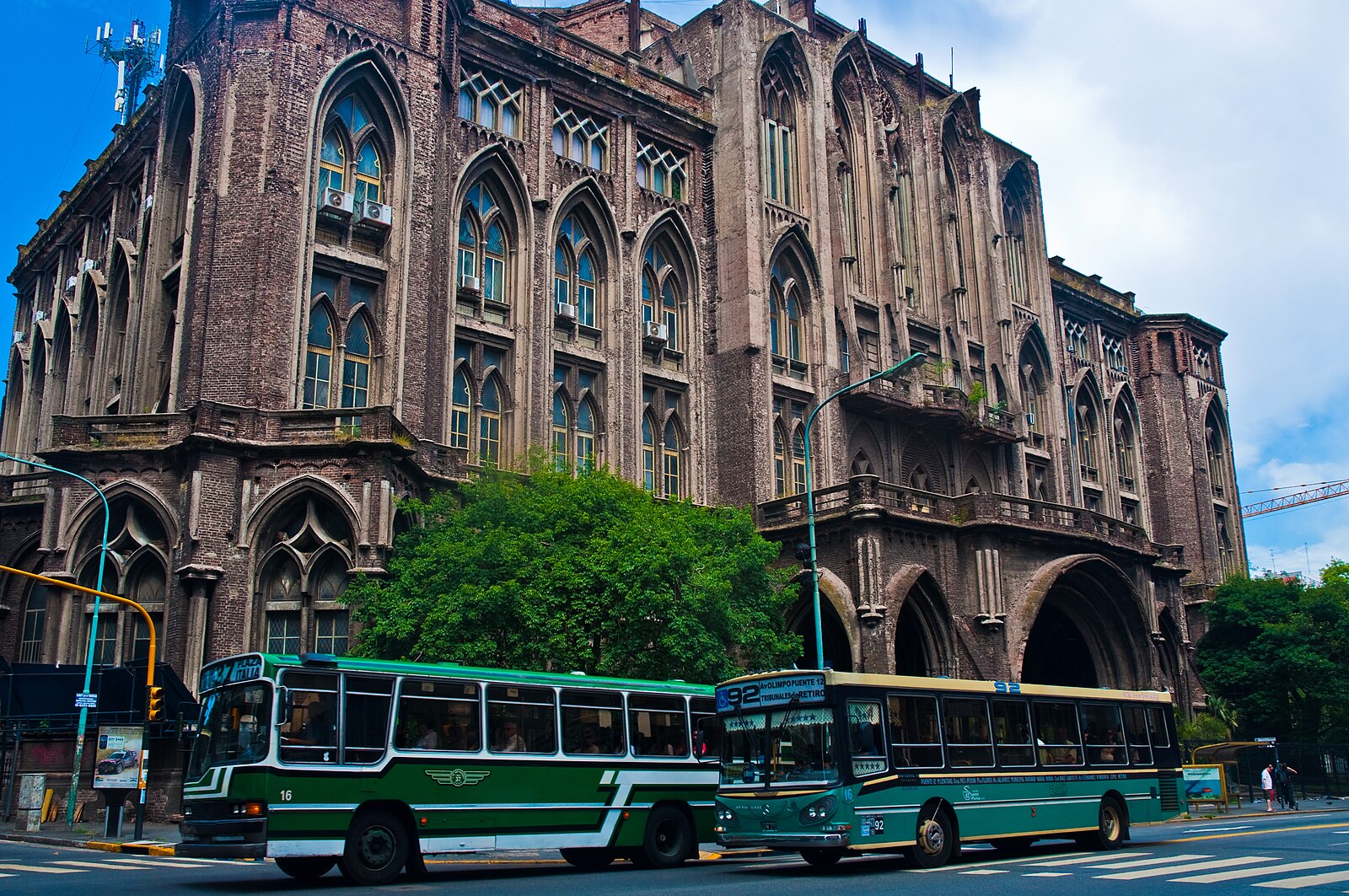
Córdoba uses SUBE too. An urban bus ride there cost 2,150 pesos (about US$1.41) with the card in September 2026, the local outlet cba24n reported.
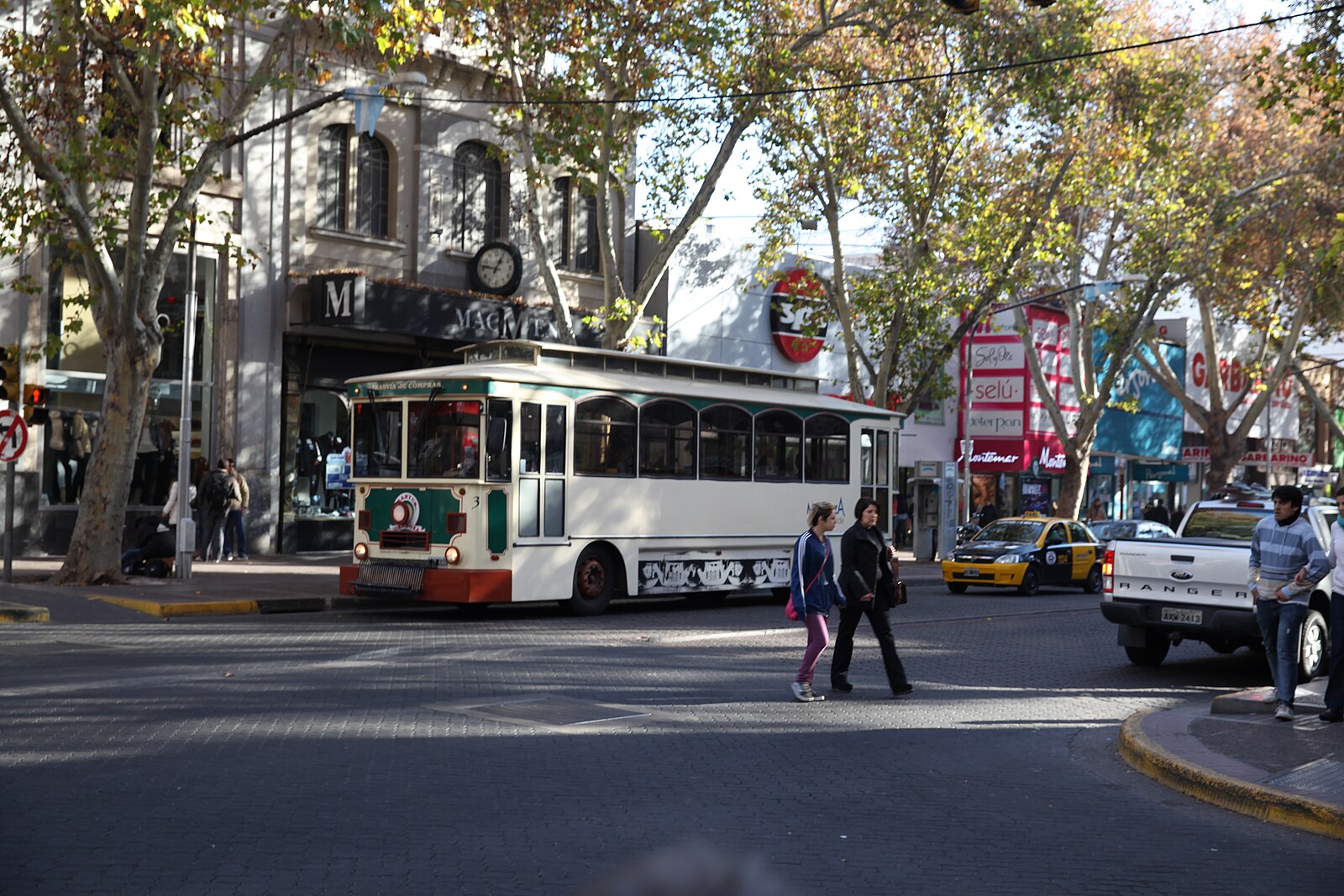
Mendoza’s compact, tree-lined centre is easy to cover on foot.
Health care: prepagas and the public system
Most expats with residency buy private cover from a prepaga, a prepaid health plan. Prepagas are the private alternative to the union-run health funds, and the state does not fix their prices.
Each company sets its own monthly rise. In September 2026, OSDE raised fees by 1.9–2.3% depending on the plan, Swiss Medical by 2.2% and Galeno by 2.3–2.8%, Ámbito reported.
Sancor Salud rose 2.41–3.11%, Hospital Italiano’s plan 2.1% and Omint up to 2.9%. Fees depend heavily on age and plan, so get a written quote before you commit.
Health prices overall rose 2.3% in Greater Buenos Aires in August, INDEC found. That is well above the 1.6% general rate for the region.
Health cover is now a fixed part of the cost of living in Argentina for foreigners. Under Decree 366/2025, foreigners without permanent residence can be billed for routine care at national-government hospitals, and new entrants must declare health insurance.
Health Ministry Resolution 1066/2026, published on 11 August 2026, put that billing into practice. Emergencies can never be refused, and permanent residents keep the same access as Argentines.
Sample monthly budgets: Buenos Aires vs Córdoba vs Mendoza
The budgets below estimate the cost of living in Argentina for one person. They add Numbeo’s figures for a single person’s monthly costs, excluding rent, to a one-bedroom rent.
They are planning estimates built from crowd-sourced data, not official statistics, and they exclude health cover.
Buenos Aires: about 1,370,869 pesos (about US$902) a month before rent. With a central one-bedroom the total is roughly US$1,650; outside the centre, roughly US$1,450.
Córdoba: about 1,246,199 pesos (about US$820) before rent. With a central one-bedroom the total is roughly US$1,300; outside the centre, roughly US$1,125.
Mendoza: about 1,175,508 pesos (about US$773) before rent. With a central one-bedroom the total is roughly US$1,300; outside the centre, roughly US$1,105.
A family of four in Buenos Aires spends about 4,863,160 pesos (about US$3,199) a month before rent on the same data. That reflects a middle-class basket, about three times INDEC’s poverty-line basket for a family of that size.
Add a prepaga, flights home and a margin for monthly price rises. The honest summary: the cost of living in Argentina now rewards local habits and provincial cities more than it rewards a dollar income alone.
Practical steps before you move
Check the rate on the day you pay. Banco de la Nación publishes its official rate, and the MEP and blue rates are quoted daily in the Argentine press.
Your legal status also shapes the cost of living in Argentina, so sort it early. Residency routes, fees and the income thresholds for retirees and remote workers are set out in the Rio Times residency guide linked below.
Buy health cover before you arrive, and keep proof of it with your passport. Register a SUBE card in your first week, and read any lease’s adjustment clause line by line.
Finally, budget in pesos as well as dollars. The cost of living in Argentina is quoted in pesos, and those prices rise every month whatever the dollar does.
Connected Coverage
How to Get Residency in Argentina in 2026: Routes, Fees and the New Decree Rules
Milei Peso Policy Reshapes Cost of Living Buenos Aires for Expats
Chile vs Argentina for Expats in 2026: What the Numbers Now Say
Argentina Inflation Falls to 1.7 Percent, Lowest in 14 Months
Taxes in Argentina for Expats: What Changes Under the New Tax Agency in 2026
Sources: Inflation and basket data come from INDEC, Argentina’s statistics office; rent data from Zonaprop’s rent index and crowd-sourced Numbeo figures; exchange rates, fares and prepaga increases from Los Andes, LM Neuquén, Ámbito and cba24n. All accessed 24 September 2026.
- indec.gob.ar
- indec.gob.ar
- zonaprop.com.ar
- zonaprop.com.ar
- numbeo.com
- numbeo.com
- numbeo.com
- ambito.com
- ambito.com
- losandes.com.ar
- lmneuquen.com
- cba24n.com.ar
What Is Not Known
Where the peso settles, the biggest swing factor in the cost of living in Argentina for dollar earners, is not known. It traded well below the ceiling of its band on 24 September, but the band leaves room for a much weaker currency.
Whether monthly inflation keeps falling is not settled either. Regulated prices such as utilities and health cover still rise faster than the headline rate.
Zonaprop measures asking rents, not signed contracts, so the rent a tenant finally pays may differ. Its latest published Córdoba report is from March 2026, and it publishes no Mendoza index.
The Numbeo figures used here are crowd-sourced and carry the errors of user reporting. No Argentine authority publishes an expat budget.
Prepaga list prices by age and plan are not published in one public place. The monthly increases are reported, but the starting fee has to be quoted by each company.
More: Argentina news in English, every day from The Rio Times.
Frequently Asked Questions
How much does it cost to live in Argentina per month in 2026?
On crowd-sourced Numbeo data from August and September 2026, one person needs roughly US$1,100 to US$1,650 a month including a one-bedroom rent. Buenos Aires sits at the top of that range, while Córdoba and Mendoza come in near US$1,100 to US$1,300. The totals exclude private health cover.
How much is rent in Buenos Aires in 2026?
Zonaprop put the average asking rent for a two-room flat, a living room plus one bedroom, at 886,527 pesos, about US$583, in August 2026. Puerto Madero was the dearest neighbourhood at about US$824 and Lugano the cheapest at about US$431. Asking rents were up 19.2% since January.
Is Córdoba or Mendoza cheaper than Buenos Aires?
Yes, mainly because of rent and eating out. Numbeo data put a central one-bedroom at about US$480 in Córdoba and US$527 in Mendoza, against about US$752 in central Buenos Aires. Inflation runs at almost the same pace in all three regions, at 33.1% to 33.7% over the year to August 2026.
Which exchange rate should foreigners use in Argentina?
On 24 September 2026 the official Banco de la Nación rate was 1,540 pesos per US dollar, the MEP rate 1,540.97 and the blue rate 1,560. With the rates this close, changing cash on the street has lost most of its point. The 2,002-peso card dollar includes a 30% tax advance paid by Argentine residents.
Do foreigners need private health insurance in Argentina?
In practice, yes. Under Decree 366/2025, foreigners without permanent residence can be billed for routine care at national-government hospitals, and entrants must declare health insurance. Most expats buy a prepaga, whose fees rose about 1.9% to 3.1% in September 2026 depending on the company and plan.
This article was produced by The Rio Times’ automated newsroom system. How we use AI · Report an error · Editorial responsibility: Matthias Camenzind, Editor-in-Chief