Tanzania Residency Visa Requirements 2026 — Class A, B and C Permits and Fees
GUIDES · TANZANIA
Key Facts
- —What it is a three-class residence permit system (A, B, C), usually paired with a separate work permit.
- —Who it’s for investors, sponsored employees, retirees, researchers, missionaries, volunteers and other defined categories.
- —What it costs official residence fees run about US$3,050 for investors and US$2,050 for employees; Class C costs less.
- —Why it matters working or volunteering without the right permit is an offence under Tanzania’s immigration law.
- —The catch there is no permanent-residence permit, and naturalisation requires giving up your other citizenship.
Tanzania residency visa requirements in 2026 run through three permit classes — A for investors, B for employees and C for retirees, researchers, volunteers and others.
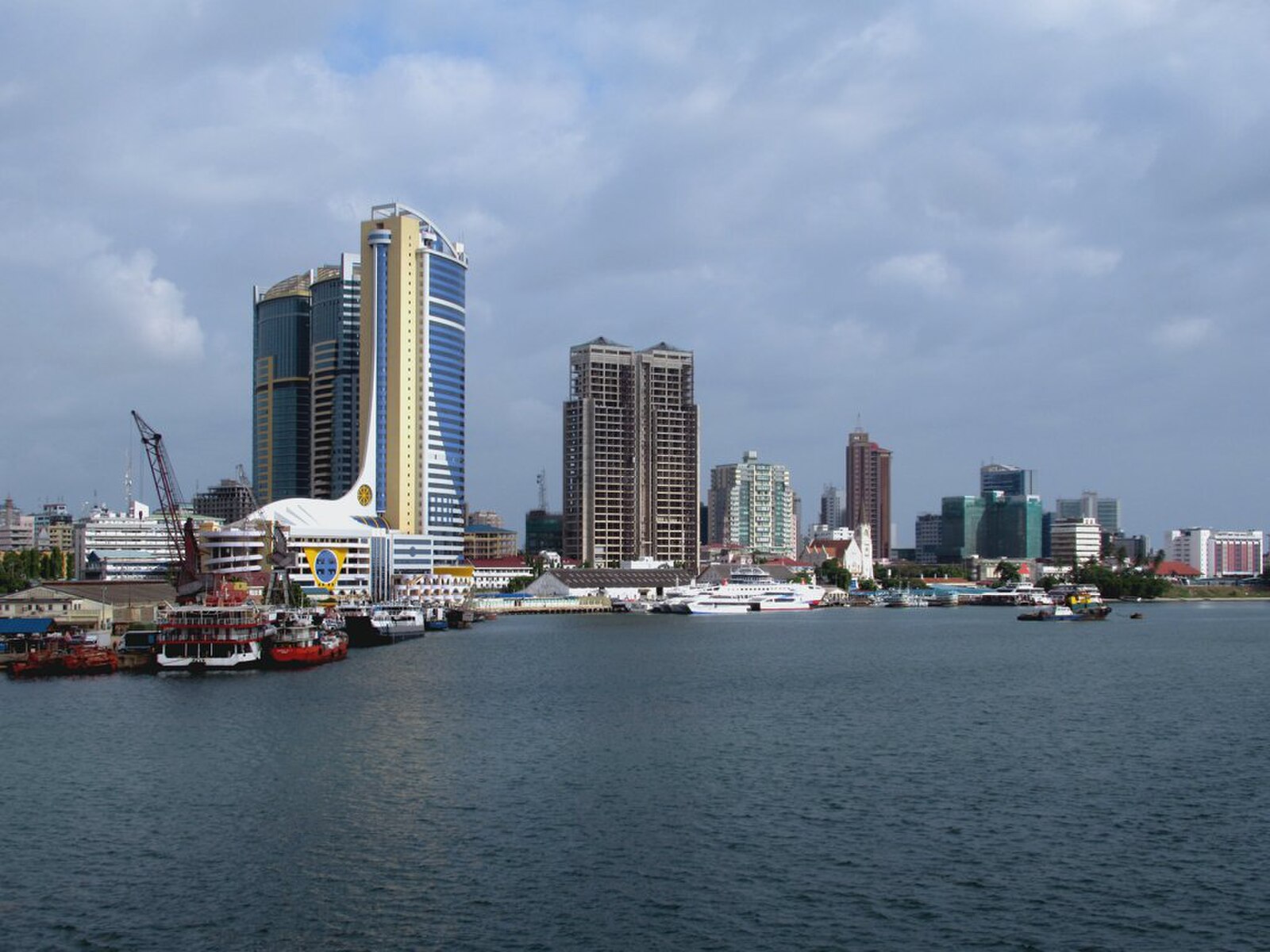
Tanzania residency visa requirements in 2026 rest on three residence permit classes — A, B and C — from the Immigration Services Department. Anyone who will work also needs a separate work permit from the labour authority.
The entry landscape: e-visa and visa-on-arrival practice
Tanzania issues visitor visas through its official e-visa portal, run by the Immigration Services Department. The official guidelines list an ordinary visa at US$50 and a multiple-entry visa at US$100.
A business visa is listed at US$250 and a transit visa at US$30. United States citizens are generally issued the multiple-entry visa rather than the ordinary one.
The same guidelines still describe visas on arrival for most eligible nationalities, while a listed group of countries needs prior approval. Some foreign governments advised in early 2025 that arrival visas would end, so applying online first is the safer course.
The official guidelines say online applications are processed within ten days, and passports need at least six months of validity. Some nationalities, including many from the East African Community and the Commonwealth, need no visitor visa at all.
Entry permission is not permission to live or work, whatever Tanzania residency visa requirements a visitor later meets. The guidelines state that ordinary visa holders may not work or conduct business, and no visa converts into residence on its own.
The permit alphabet: Class A, Class B and Class C
Tanzania residency visa requirements start with the Immigration Act, which sets out three residence permit classes. Later regulations split them into sub-categories, each with its own evidence rules and fee.
Class A covers investors and the self-employed in trade, business, professions, agriculture, mining or manufacturing. Tanzania’s investment and special economic zones authority lists the non-EAC fee at US$3,050, with US$1,000 for diaspora investors.
Class B covers foreigners offered specific employment by a Tanzanian employer. The investment authority lists its fee at US$2,050 for most foreigners and US$550 for East African Community citizens.
Class C covers people outside A and B, such as researchers, retirees, missionaries, volunteers, students and NGO staff. The 2016 amendment regulations set Class C fees between about US$100 and US$500, depending on sub-category.
Dependants are charged separately, and older fee notices still circulating online show lower 2011 figures. Tanzania residency visa requirements and fees change by government notice, so confirm the current schedule before paying.
Tanzania residency visa requirements for retirees: the Class C route
Tanzania has no dedicated retirement visa and no digital-nomad visa. Retirees apply for a Class C permit in the retired-persons sub-category.
The applicant must show assured income that can support them and any dependants without local work. No official minimum income figure is published, and officers judge each file on its evidence.
Class C needs no employer sponsor, so the applicant builds the file directly with the Immigration Department. Pension statements, bank records and proof of accommodation usually carry the most weight.
For a retiree, this means stability depends on renewals rather than one lasting approval. Plan finances so the evidence stays strong every time the permit comes up for review.
The Zanzibar distinction: island formalities on top of national rules
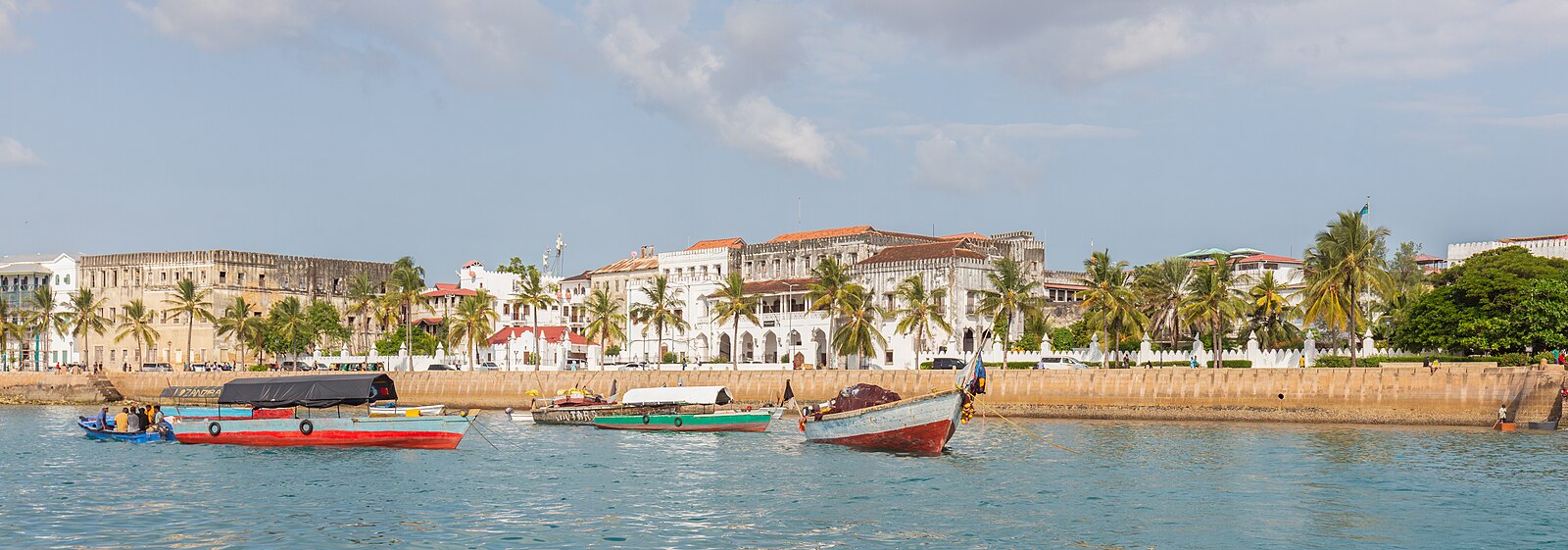
Zanzibar is a semi-autonomous part of the United Republic of Tanzania, with its own government and its own tourism and investment bodies. Immigration itself remains a Union matter, so Tanzanian visas and residence permits are the legal base.
The official visa guidelines say one visa covers both the mainland and Zanzibar, without a new application. Visitors simply name their first destination on the form.
Since 1 October 2024, Zanzibar has required non-resident visitors to buy inbound travel insurance from the state-run Zanzibar Insurance Corporation. Widely reported pricing is US$44 per adult for up to 92 days, with residents exempt.
People settling on the islands should also expect Zanzibar-specific rules on investment and property. Check both the national permit rules and island requirements before signing a lease or registering a business.
The work-and-residence pairing: two permits, two authorities
A foreigner who will work in Tanzania generally needs both a work permit and a residence permit. They are separate documents from separate authorities.
The work permit comes from the Labour Commissioner under the Prime Minister’s Office, through an online system at kazi.go.tz. After approval, the file passes to the Immigration Department for the residence permit.
Work permit classes use their own letters and do not match residence classes. The labour portal lists US$1,000 for investors, US$500 for prescribed professions and US$1,000 for other professions.
For employees, the employer files the work permit and supports the residence application. Applications are generally made before the worker enters Tanzania for the job.
Since the Labour Laws (Amendments) Act of 2025, renewal applications must reach the labour authority 60 days before expiry. Missing that window can leave a gap in legal status.
The East African Community angle: regional framework and its limits
Tanzania belongs to the East African Community, whose Common Market Protocol commits members to freer movement of workers. For citizens of partner states, this mainly means easier entry and lower fees.
The investment authority lists a Class A fee of US$1,550 for East African citizens, against US$3,050 for others. Even so, partner-state citizens still need permits to work or settle.
For a retiree or investor from outside the region, Tanzania residency visa requirements stay exactly the same. The Class A, B and C structure applies in full.
The wider connection is worth seeing. Tanzania has opened its region to partner citizens slowly, while guarding local jobs through permits, quotas and fees.
Documentation standards: what goes into a typical file
Tanzania residency visa requirements call for a core file in every class. It usually includes a valid passport, photographs, a police clearance certificate and the relevant application forms.
Class A files add company registration, tax clearance and proof of investment. Class B files add the employment contract, academic and professional certificates and the approved work permit.
Class C files depend on the sub-category. Retirees show proof of income, while missionaries, volunteers and researchers add letters from their sponsoring institution or research authority.
Medical documents may be requested, and certificates issued abroad may need certified copies or translation. Final issuance includes biometric enrolment at an immigration office in Tanzania.
Renewal rhythm, time limits and the permanent-residence question
Residence permits are time-limited and are generally issued for up to two years at a time. Renewal is possible within overall caps set by law and by permit class.
Tanzania’s Immigration Act has no permanent-residence permit, unlike Kenya’s. Long-term residents keep renewing, and in law the only fully settled status is citizenship.
The Immigration Act does let officials extend Class A permits for long-standing investors after ten years of valuable economic contribution. That remains a discretionary decision, not a right.
Tanzania residency visa requirements therefore reward good record-keeping. A lapsed permit is harder to repair than a timely renewal.
Naturalisation and Tanzania’s dual-citizenship position
Under the Tanzania Citizenship Act of 1995, naturalisation requires twelve months’ residence right before applying. Applicants also need seven years’ aggregate residence in the ten years before that.
Applicants must also show good character, adequate Kiswahili or English and an intention to stay permanently. Approval rests with the government, not with the applicant’s time in the country alone.
The Act requires a written declaration renouncing any other nationality. Tanzania does not permit dual citizenship for adults, and this is the sharpest trade-off in the system.
Proposals for a special status for the Tanzanian diaspora have been before Parliament since 2024. They target people of Tanzanian origin and would not create dual citizenship for other foreigners.
Common pitfalls: tourist visas, volunteering and safari shortcuts
Working or volunteering on a visitor visa is the most frequent mistake. The Immigration Act makes unpermitted paid work an offence, and volunteers have their own Class C sub-category.
Officials look at the activity, not the label. Unpaid help at a lodge, school or clinic can still count as work.
Another error is assuming a safari operator, lodge owner or local partner can arrange residence informally. Tanzania residency visa requirements have no informal route; only the Immigration Department and the Labour Commissioner issue permits.
Investing in a tourism business does not grant residence by itself either. The investor still needs a Class A residence permit and the matching work permit.
How Tanzania compares with Kenya and Rwanda
Kenya also separates entry from long-stay permits, but it offers a formal permanent-residence route. Its immigration service lists eligibility after seven years on work permits, with three years of continuous residence.
Kenya’s constitution permits dual citizenship, which makes long-term settlement less of an all-or-nothing choice. Rwanda also allows dual nationality.
Rwanda’s tourism board says citizens of all countries can get a visa on arrival without prior application. Its system is generally seen as the most streamlined of the three for newcomers.
On the spectrum of openness, Tanzania sits at the more formal and restrictive end, and it has moved slowly. What this means for a life is simple: Tanzania suits people willing to renew permits indefinitely.
What is not known is whether current fee levels, diaspora proposals or visa-on-arrival practice will change soon. Fees are set in US dollars, while the shilling trades at about 2,649 to the dollar at 19 September 2026 exchange rates.
The system has stayed stable in structure for decades, even as fees and online processes changed. A careful applicant who meets the Tanzania residency visa requirements can plan around them with confidence.
Connected Coverage
Is Tanzania Safe for Expats in 2026: A Level 3 With One Hotspot
Sources: Figures and rules were checked against Tanzania’s Immigration Services Department visa guidelines, the investment authority’s permit page, the labour work-permit portal, the Immigration and Citizenship Acts, and Kenyan and Rwandan official sources.
What Is Not Known
Current permit fees cannot be taken from the open web with confidence. Fees change by government notice, and older 2011 fee notices still circulate online next to the newer figures. Confirm the schedule before paying anything.
Visa-on-arrival practice is not settled. The official guidelines still describe arrival visas for most eligible nationalities. Some foreign governments advised in early 2025 that arrival visas would end, so applying online first is the safer course.
No official minimum income is published for the Class C retired-persons route. The applicant must show assured income covering themselves and any dependants without local work. Officers judge each file on its evidence, so the bar is not a published number.
The promised diaspora status has no outcome yet. Proposals for a special status for people of Tanzanian origin have been before Parliament since 2024. They would not create dual citizenship for other foreigners, and no decision has been reported.
Long-stay investors have no guaranteed settled status. The Immigration Act lets officials extend Class A permits after ten years of valuable economic contribution. That remains a discretionary decision rather than a right, and no published test defines the contribution.
Frequently Asked Questions
How much is a Tanzania visa in 2026?
The official guidelines list an ordinary visa at US$50 and a multiple-entry visa at US$100. A business visa is listed at US$250 and a transit visa at US$30. Online applications are processed within ten days, and passports need at least six months of validity. Since 1 October 2024 Zanzibar also requires non-resident visitors to buy inbound travel insurance, widely reported at US$44 per adult.
Difference between Class A, B and C residence permits in Tanzania?
Class A covers investors and the self-employed in trade, business, professions, agriculture, mining or manufacturing. Class B covers foreigners offered specific employment by a Tanzanian employer. Class C covers everyone else, such as researchers, retirees, missionaries, volunteers, students and NGO staff. The three classes come from the Immigration Act, and permits are generally issued for up to two years at a time.
How much does a Tanzania residence permit cost?
The investment authority lists Class A at US$3,050 for most foreigners, US$1,550 for East African citizens and US$1,000 for diaspora investors. Class B is listed at US$2,050, or US$550 for East African Community citizens. The 2016 amendment regulations set Class C fees between about US$100 and US$500. Dependants are charged separately.
Do I need both a work permit and a residence permit in Tanzania?
Yes, and they are separate documents from separate authorities. The work permit comes from the Labour Commissioner through the online system at kazi.go.tz. That portal lists US$1,000 for investors and US$500 for prescribed professions. Since the Labour Laws (Amendments) Act of 2025, renewal applications must reach the labour authority 60 days before expiry.
Does Tanzania allow dual citizenship?
No. The Tanzania Citizenship Act of 1995 requires a written declaration renouncing any other nationality. Naturalisation also needs twelve months’ residence right before applying, plus seven years’ aggregate residence in the ten years before that. Applicants must show good character and adequate Kiswahili or English.
This article was produced by The Rio Times’ automated newsroom system. How we use AI · Report an error
Read More from The Rio Times