Tanzania Explained 2026: The Country, Its Politics, Its Economy and What to Watch
GUIDES · TANZANIA
Key Facts
- —Capital Dodoma, in the centre of the country, is the official capital and the seat of parliament. Dar es Salaam, the largest city and main port, has about 6.0 million people.
- —Population 70.0 million in 2026 on the statistics bureau’s projection, growing 2.7 percent a year. That is about the population of the United Kingdom or France.
- —Currency The Tanzanian shilling (TZS). The Bank of Tanzania’s mean rate on 25 September 2026 was 2,645 shillings to the US dollar, so 10,000 shillings is about US$3.80.
- —Language Swahili and English are both official. Swahili, or Kiswahili, is the national language and the one most Tanzanians use every day.
- —GDP About US$94.9 billion in 2026 on International Monetary Fund projections, roughly the size of Panama’s economy. That is about US$1,360 per person, against more than US$94,000 in the United States.
- —Government A presidential republic formed by the 1964 union of Tanganyika and Zanzibar. The ruling party and its predecessors have never lost a national election since independence in 1961.
Tanzania explained from the ground up: how 70 million people are governed after a deadly election, what earns the money and which dates matter.
Tanzania explained properly begins with continuity: the ruling party and its predecessors have governed without a break since independence in 1961. The disputed election of October 2025 shook that order, and an official inquiry later counted 518 dead. What happens next depends on a handful of decisions already on the calendar.
What kind of country is this?
Tanzania lies on the Indian Ocean coast of East Africa, with Kenya and Uganda to the north and Mozambique to the south. It covers 947,303 square kilometres, about one and a third times the size of Texas. Mount Kilimanjaro, at 5,895 metres the highest point in Africa, rises near the Kenyan border.
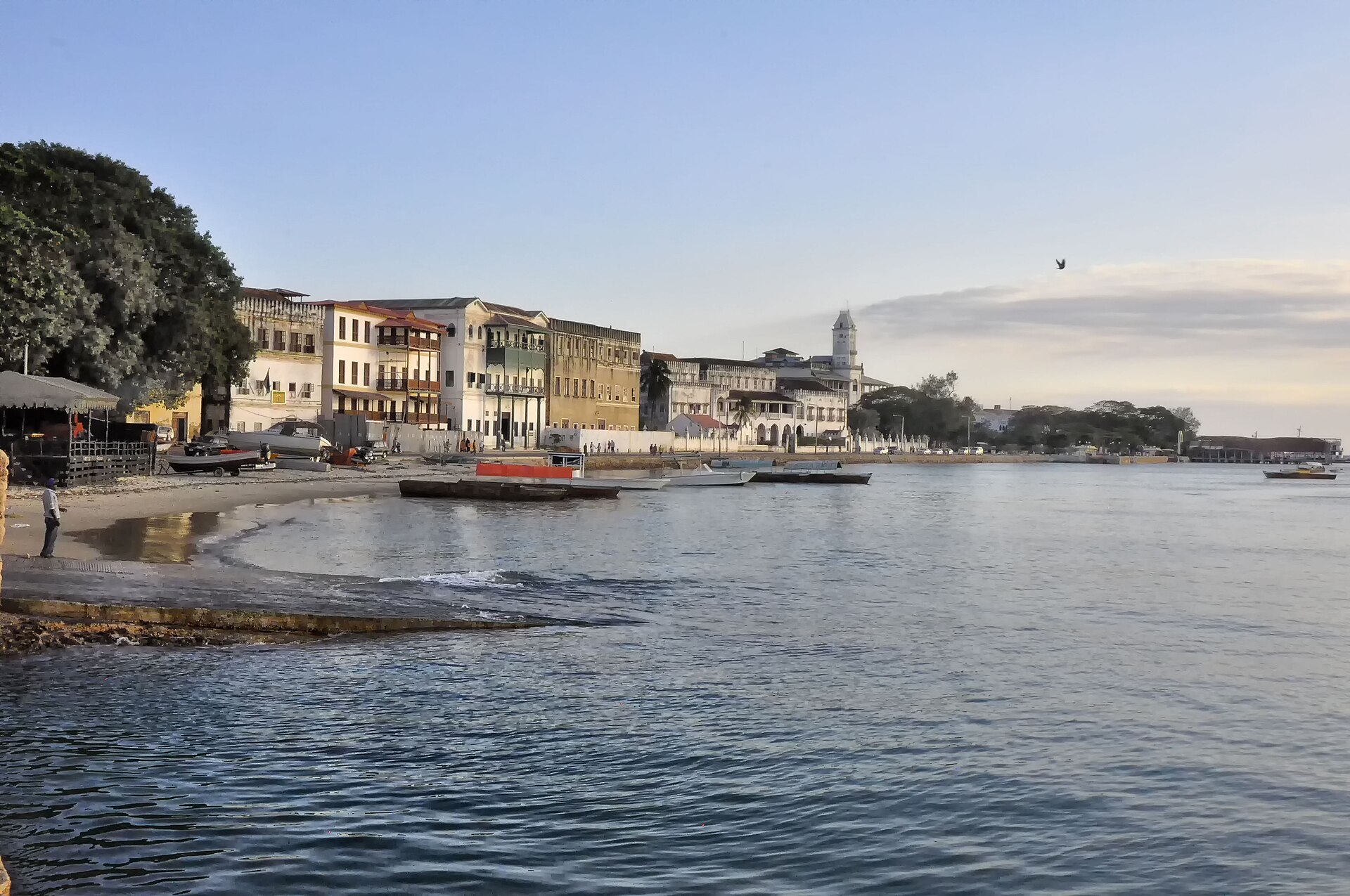
The country is a union of two parts. Mainland Tanganyika won independence from Britain on 9 December 1961. The islands of Zanzibar joined it on 26 April 1964, and the new United Republic took the name Tanzania in October that year.
Zanzibar keeps its own president, government and House of Representatives. It has about 2.2 million people, against 67.9 million on the mainland, according to 2026 projections. Defence, foreign affairs and the currency are union matters; much of the rest is decided on the islands.
Growth is fast. Statistics bureau projections put the population at 77.7 million by 2030 and 118.1 million by 2050, with 4.3 births per woman in 2026. The World Bank has classed Tanzania as a lower-middle-income country since 2020.
Who runs Tanzania and how
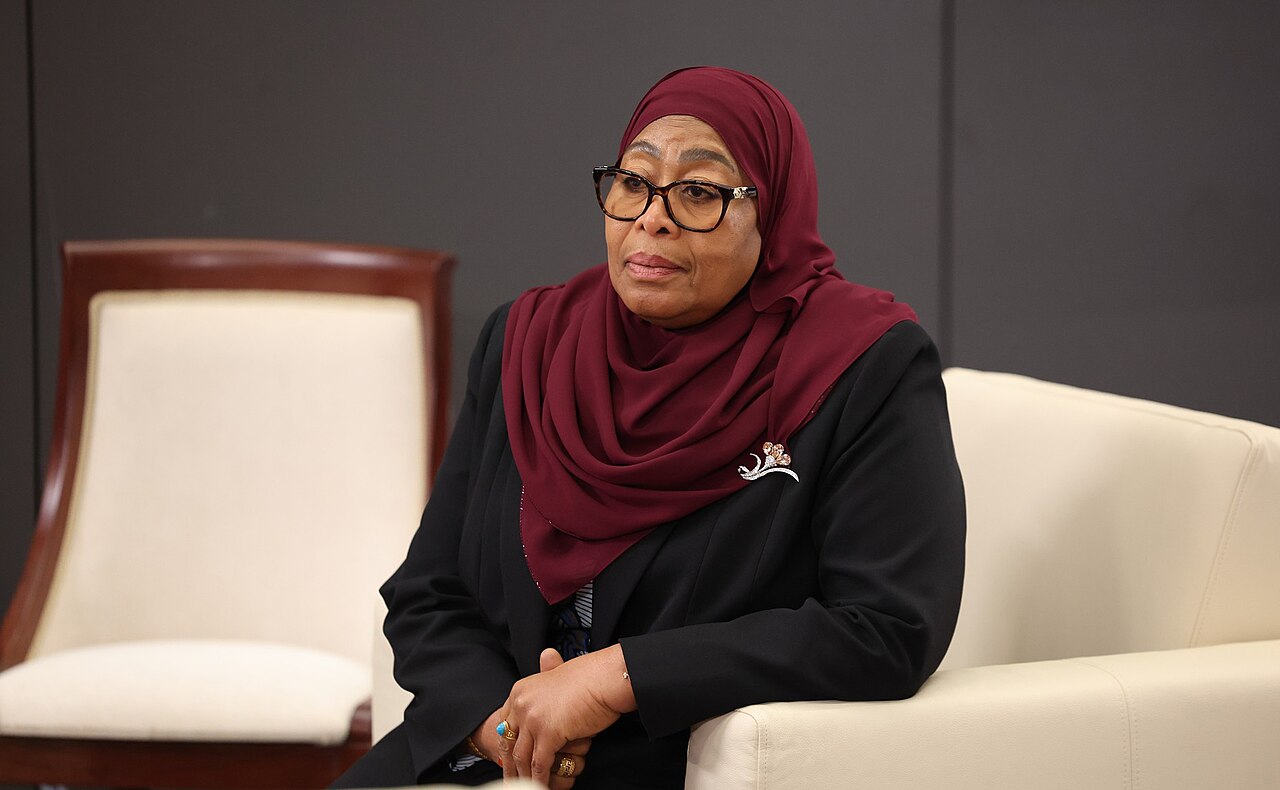
The president is both head of state and head of government, elected for five years and limited to two terms. Samia Suluhu Hassan, a Zanzibari, became the country’s first woman president on 19 March 2021, after John Magufuli died in office. She had been his vice-president since 2015.
The president appoints a prime minister to lead government business in parliament; as of September 2026 that is Mwigulu Nchemba. The vice-president is Deogratius Ndejembi, a 43-year-old former energy minister sworn in on 29 August 2026. He is the third vice-president to serve under Samia.
Parliament, the National Assembly or Bunge, sits in Dodoma. In 2025 Chama Cha Mapinduzi (CCM, the “Party of the Revolution”) won 270 of the 272 directly elected seats. ACT-Wazalendo took the other two, and seats reserved for women are shared out by party strength.
Two constitutional rules shape every contest. Presidential results cannot be challenged in court, and independent candidates cannot stand. The African Union’s 2025 observer mission said both provisions clash with continental and international standards.
Tanzania was a one-party state until 1992, and multiparty elections began in 1995. Major opposition parties took part in every national vote after that. The 2025 election, when the two largest were kept out of the presidential race, broke that pattern.
Zanzibar adds a second layer. Its president, Hussein Mwinyi of CCM, was re-elected in October 2025 with 74.8 percent, the Zanzibar Electoral Commission said. The islands’ constitution provides for a Government of National Unity with any party that wins at least 10 percent of the presidential vote.
How the economy works
Tanzania’s economy is small by Western standards and growing fast. The International Monetary Fund (IMF) puts output at US$87.3 billion in 2025 and projects US$94.9 billion for 2026. The Bank of Tanzania estimates real growth at around 6 percent in the first half of 2026.
Agriculture, including livestock and fishing, is still the largest single activity, at 24.3 percent of output in 2025, according to the finance ministry’s Economic Survey. The World Bank says it employs nearly two-thirds of the workforce. Construction added 11.9 percent of output and mining 10.3 percent.
Gold is now the largest single export. In the year to July 2026 gold exports reached US$5.67 billion, or 47.4 percent of goods exports, central bank data show. Total exports of goods and services came to almost US$20 billion.
Tourism is the second big earner. International arrivals rose to 2,294,495 in 2025 and tourism earnings hit a record US$4.41 billion, according to the official visitor exit survey. Zanzibar alone earned US$1.19 billion.
The third is trade for its neighbours. Dar es Salaam port handles about 95 percent of Tanzania’s international trade and serves inland countries from Zambia to Congo. It moved a record 33.7 million tonnes in the year to June 2026, up from 27.7 million a year earlier.
Transit cargo rose 17 percent to 14.61 million tonnes, and Congo took 53 percent of it, the port director told The Citizen. Dubai-based DP World runs berths 0 to 7 under a 30-year concession signed in October 2023.
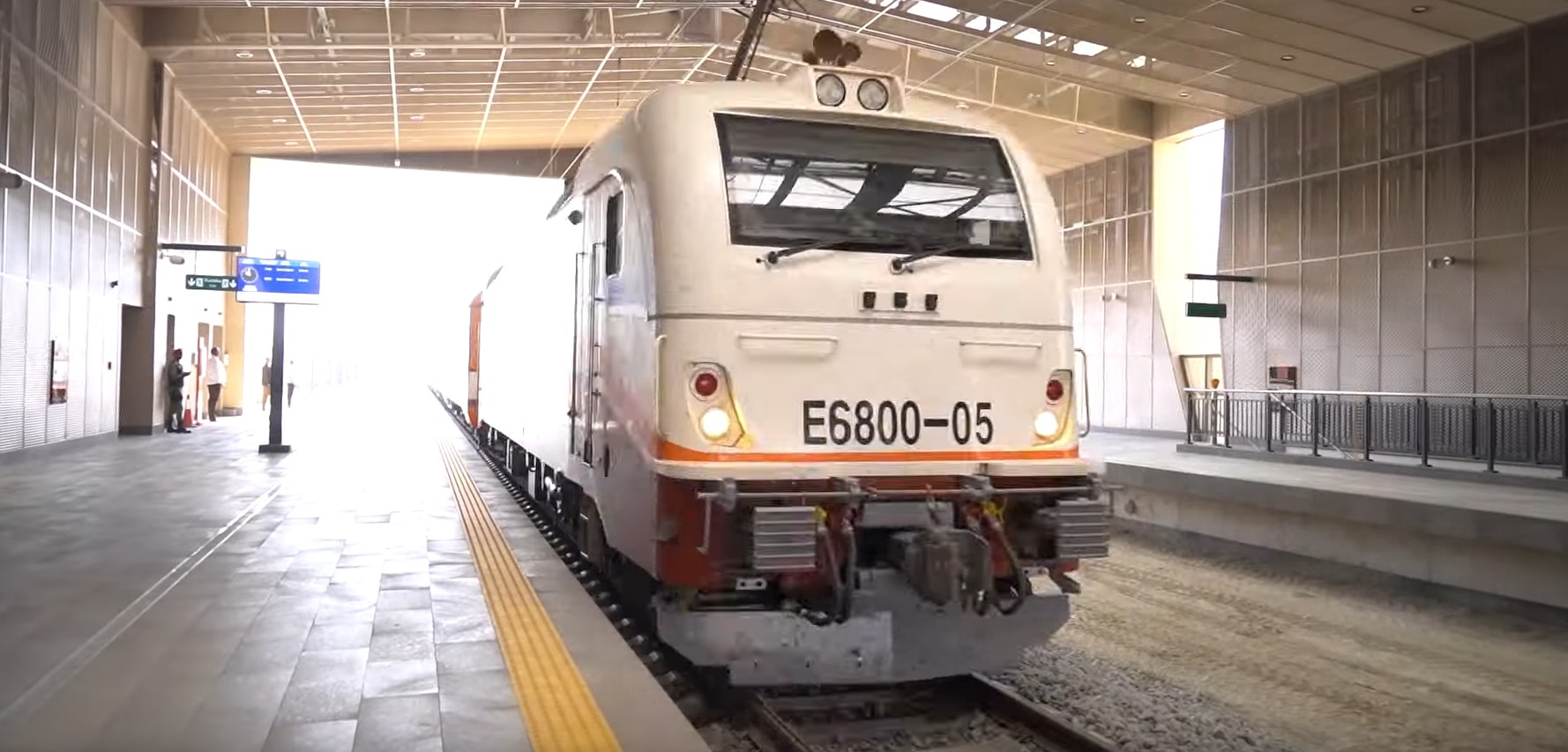
The standard gauge railway, or SGR, is built to carry that cargo inland. Electric trains have carried passengers between Dar es Salaam and Dodoma since July 2024, and freight since June 2025. The government spokesman said in August 2026 that more than seven million passengers had used it.
The first phase, to Mwanza on Lake Victoria, runs 1,219 kilometres. The transport minister told parliament the Mwanza–Isaka section was 68.77 percent complete in March 2026. The government has borrowed US$1.277 billion on concessional terms to speed up the middle sections.
Gas is the long-term prize. The government values a planned liquefied natural gas (LNG) export plant in Lindi at US$42 billion. Shell and Equinor lead the partnership, which also includes ExxonMobil, Medco Energi and Pavilion Energy. It would unlock about 47 trillion cubic feet of gas, Reuters reported.
Inflation reached 4.3 percent in August 2026, within the central bank’s 3 to 5 percent target range. On 2 July the Bank of Tanzania raised its policy rate from 5.75 to 6.25 percent. It cited energy, fertiliser and transport costs linked to the Middle East conflict.
The shilling averaged 2,653.52 to the dollar in July 2026, 0.5 percent stronger than a year earlier. Reserves were US$6.2 billion at the end of July, enough for 4.8 months of imports. The IMF puts government debt at 48.7 percent of output in 2026.
What is happening right now
As of 25 September 2026, Tanzania is still working through the aftermath of the general election of 29 October 2025. The Independent National Electoral Commission (INEC) declared Samia the winner with 97.66 percent, on turnout near 87 percent. Her two main challengers had been excluded: Chadema’s leader was in jail and ACT-Wazalendo’s candidate was disqualified.
Protests began on election day in Dar es Salaam and other cities. The government imposed a curfew in Dar es Salaam and restricted internet access nationwide. Police used tear gas and live ammunition, Human Rights Watch reported.
On 31 October the United Nations human rights office cited credible reports of at least 10 deaths. The same day, Chadema told AFP that about 700 had been killed. Opposition leaders later put the figure above 2,000, which the government called exaggerated.
On 23 April 2026 a presidential commission of inquiry, chaired by retired Chief Justice Mohamed Chande Othman, gave the first official count. It found 518 people dead, 197 of them from gunshot wounds, and more than 2,000 injured. It said the violence was planned and financed, but named no one responsible.
The commission recommended a criminal investigation, a reconciliation commission and a new constitution by 2028. Samia accepted the report and promised to act on it. Chadema rejected the commission as lacking independence.
International criticism was unusually direct. Observers from the Southern African Development Community (SADC) said that “in most areas, voters could not express their democratic will”. The African Union’s mission said the vote did not comply with its principles.
On 4 December 2025 the US State Department said it was comprehensively reviewing relations with Tanzania. On 21 May 2026 it barred a senior police officer from the country over abuses against two East African activists. In November 2025 the European Commission froze a €156 million (about US$177 million) annual aid plan after the European Parliament objected to it.
Politics has shifted since. Vice-President Emmanuel Nchimbi announced his resignation on 25 August 2026, and on 26 August CCM expelled him, citing breaches of party rules. Parliament approved Ndejembi as his replacement by 324 votes to none on 28 August.
In Zanzibar, the opposition has returned to government. ACT-Wazalendo chairperson Othman Masoud Othman was sworn in as First Vice-President on 22 September 2026. That followed a reconciliation declaration signed by CCM and ACT on 9 July.
Chadema chairman Tundu Lissu, in custody since April 2025, is on trial for treason. The offence is punishable by death. Final submissions before a three-judge High Court panel began on 23 September; Lissu has pleaded not guilty.
What to watch
The Bank of Tanzania’s Monetary Policy Committee meets on Wednesday 7 October 2026 and announces its rate a day later. After July’s rise to 6.25 percent, the choice will show how worried it is about fuel-driven inflation. The September inflation figure is due in early October.
The Lissu verdict has no date yet. A conviction would remove the main opposition leader from public life for the foreseeable future. Thursday 29 October 2026 marks the first anniversary of the vote, and the inquiry proposed a national day of mourning for the dead.
The gas timetable is the key economic date. On 21 September the head of the state-owned Tanzania Petroleum Development Corporation said legal talks should finish by June 2027. The deals then need government and parliamentary approval before the companies can take a final investment decision.
The railway corporation expects Dar es Salaam–Mwanza services to start in 2027. In September, though, the prime minister set a 2030 target for Mwanza–Dodoma passengers. The start date for the mainland’s mandatory visitor insurance has not been announced.
What this means for foreigners
The US State Department has rated Tanzania Level 3, “Reconsider Travel”, since 31 October 2025. It cites unrest, violent crime, a terrorism risk centred on the southern Mtwara region and the targeting of gay and lesbian people.
Money rules are strict. Since 28 March 2025, Bank of Tanzania rules require prices to be quoted and paid in shillings, including by tourists. Visitors are told to change money at banks or licensed bureaux de change, or to pay by card.
The same rules ban new or renewed contracts that require payment in foreign currency. That matters for anyone renting a home, hiring staff or paying school fees locally. Expect shilling invoices, and budget for exchange-rate moves.
Regulations published on 4 September 2026 require most foreigners entering mainland Tanzania to hold US$44 inbound travel insurance. Policies last 92 days and cover multiple entries. Residents of East African Community and SADC states are exempt; Zanzibar has run its own US$44 scheme since October 2024.
Living or working in Tanzania needs a residence permit, and tax residence has its own tests; our guides below set out both. Tanzania explained in one line: a fast-growing economy run by one dominant party, where rules change quickly and opposition works under tight limits.
Connected Coverage
Tanzania Economy Faces Post-Vote Test as VP Nchimbi Quits After Samia’s Win
Tanzania Residency Visa 2026 — Class A, B and C Permits
Taxes in Tanzania for Expats 2026 — Residence Tests, PAYE Rates and Deadlines
Tanzania Now Requires Most Foreign Arrivals to Buy a US$44 Travel Policy
Is Tanzania Safe for Expats in 2026: A Level 3 With One Hotspot
AFCON 2027 Guide: Dates, Hosts, Qualifiers and Tickets for Kenya, Uganda and Tanzania
Sources: Population from the National Bureau of Statistics, exchange rates, inflation, reserves, trade and tourism from the Bank of Tanzania, output shares from the Ministry of Finance, international comparisons from the IMF, election assessments from the SADC and African Union observer missions, and travel and diplomatic positions from the US State Department. All accessed 25 September 2026.
- National Bureau of Statistics — National Population Projections Report 2023–2050
- Bank of Tanzania — Monetary Policy Committee statement No. 244, 3 July 2026
- Bank of Tanzania — indicative exchange rates, 25 September 2026
- Bank of Tanzania, NBS and tourism ministry — 2025 International Visitors’ Exit Survey
- Bank of Tanzania — prohibition on the use of foreign currency for local transactions
- Ministry of Finance — Economic Survey 2025
- International Monetary Fund — World Economic Outlook data, Tanzania
- SADC Electoral Observation Mission — preliminary statement, 3 November 2025
- African Union Election Observation Mission — preliminary statement, November 2025
- State House — President’s speech on receiving the commission of inquiry report, 23 April 2026
- US Department of State — review of the bilateral relationship, 4 December 2025
- US Department of State — Tanzania travel advisory
- Inter-Parliamentary Union — 2025 National Assembly election results
- Tanzania Ports Authority — Dar es Salaam port
What Is Not Known
The full human cost of October 2025. The inquiry counted 518 dead but warned the toll could rise, because some victims were buried without the authorities being told. Opposition figures are far higher, and who ordered the use of lethal force has not been established.
How the Lissu trial ends. The High Court has not set a date for its verdict. Treason carries the death penalty, so the sentence on any conviction would matter as much as the verdict itself.
Whether political reform follows. The inquiry recommended a new constitution by 2028, and the president promised a national reconciliation commission and a special criminal investigation. How far each will go, and on what timetable, is not known.
Where relations with Washington land. The outcome of the US review announced in December 2025 is not known. Nor is its effect on aid, security ties or investment.
When the gas project moves, if it does. Tanzania has already missed targets for finalising terms, including June 2026. Equinor has also left the project out of its LNG growth plans for the early 2030s, Reuters reported.
Frequently Asked Questions
Who is the president of Tanzania in 2026?
Samia Suluhu Hassan of Chama Cha Mapinduzi, who became president on 19 March 2021 after John Magufuli died in office. The electoral commission declared her re-elected with 97.66 percent in October 2025. Her vice-president, sworn in on 29 August 2026, is Deogratius Ndejembi.
What happened in Tanzania’s October 2025 election?
Samia was declared the winner after her two main challengers were excluded, and protests broke out on election day. A government-appointed inquiry counted 518 dead in April 2026, while the opposition claims far more. SADC and African Union observers said the vote fell short of democratic standards.
Is Zanzibar part of Tanzania?
Yes: Zanzibar joined mainland Tanganyika in a union on 26 April 1964. It keeps its own president, government and House of Representatives, while defence, foreign affairs and the currency are union matters. Its president is Hussein Mwinyi of CCM.
Can visitors pay in US dollars in Tanzania?
Not for local goods and services: since 28 March 2025, Bank of Tanzania rules require prices to be quoted and paid in shillings, including by tourists. Visitors are told to change money at banks or licensed bureaux de change, or to pay by card. The rate on 25 September 2026 was about 2,645 shillings to the US dollar.
What does Tanzania’s economy depend on?
Agriculture, which was 24.3 percent of output in 2025, plus gold, tourism and trade through Dar es Salaam port. Gold exports reached US$5.67 billion in the year to July 2026, and tourism earned a record US$4.41 billion in 2025. A US$42 billion gas export project still awaits a final investment decision.
Is Tanzania safe for foreigners in 2026?
The US State Department has rated Tanzania Level 3, Reconsider Travel, since 31 October 2025. It cites unrest, violent crime, a terrorism risk in the Mtwara region and the targeting of gay and lesbian people. Mainland Tanzania is also introducing a mandatory US$44 visitor insurance policy, with no start date announced yet.
This article was produced by The Rio Times’ automated newsroom system. How we use AI · Report an error
Part of our ongoing coverage
Africa: The New Scramble — the great-power contest over the continent.
Read More from The Rio Times