Tanzania Economy Faces Post-Vote Test as VP Nchimbi Quits After Samia’s Win
Africa · Tanzania
Key Facts
- —The stakes A disputed landslide, a VP quitting, and weak shilling put the economy at a delicate point.
- —The date VP Emmanuel Nchimbi announced on 26 August 2026 he would leave office on 4 September 2026.
- —The politics President Samia Suluhu Hassan won the 29 October 2025 election with 97.66 percent, but Chadema boycotted and protests turned deadly.
- —The economy Gold, tourism, natural gas, the standard-gauge railway, and port upgrades drive growth.
- —The catch CCM’s near-total parliamentary dominance may speed reforms but also raises governance worries.
Samia Suluhu Hassan starts a new phase with a big majority her party does not need to share. Foreign capitals still question her mandate.
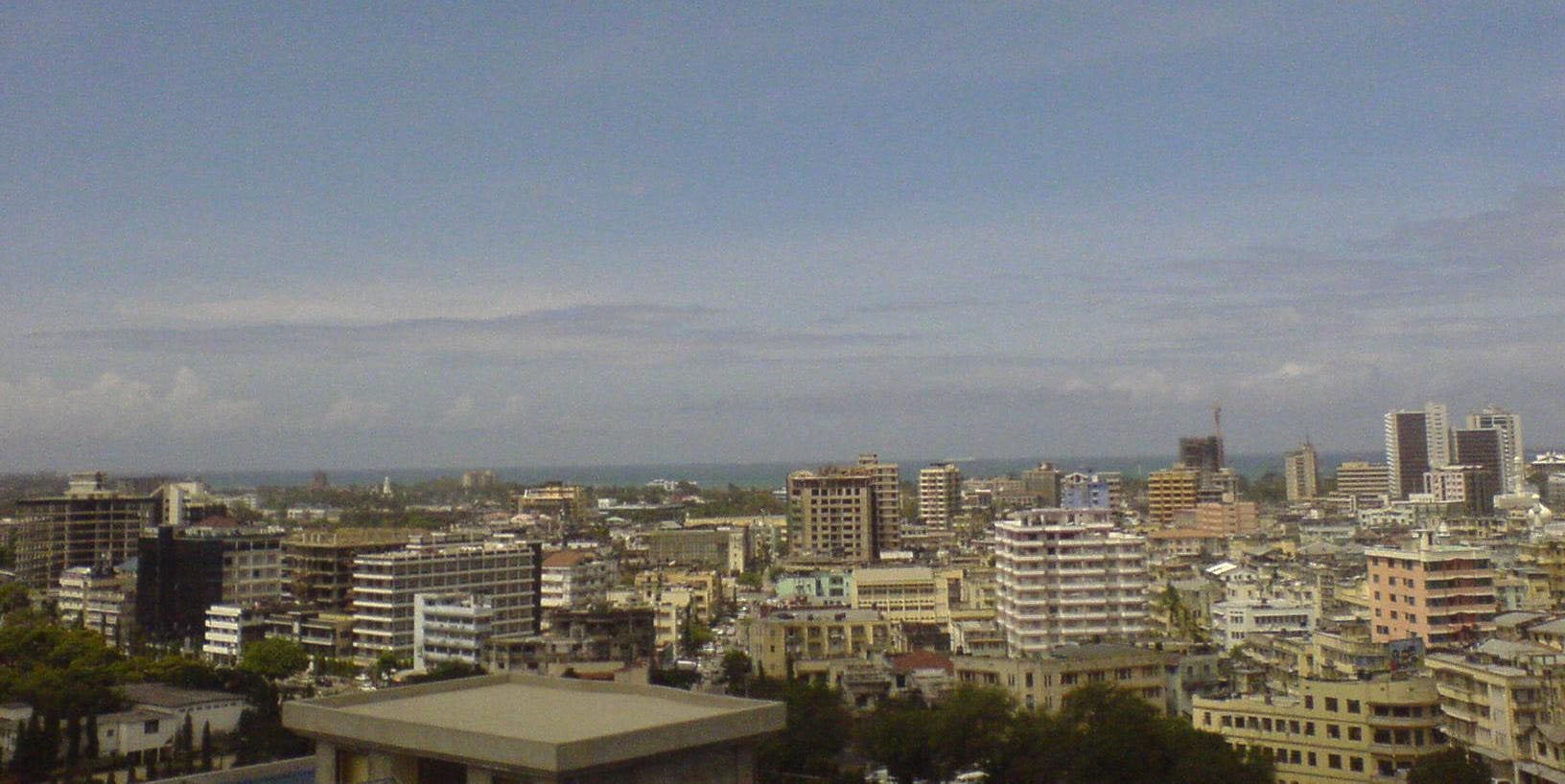
Her policy choices will set the shilling’s value and the speed of gas, rail, and port money.
Political map after the 2025 vote
General elections were held across the United Republic of Tanzania on 29 October 2025. Voters chose the president, members of the National Assembly and ward councillors.
The Independent National Electoral Commission, known as INEC, declared President Samia Suluhu Hassan the winner on 1 November 2025. She took 31,913,866 votes, equal to 97.66 percent of the total.
She was sworn in for the new term on 3 November 2025 in Dodoma. Her CCM running mate was Emmanuel John Nchimbi.
International observers and media described the vote as disputed. The Guardian reported an election that triggered violent protests.
Chadema, the main opposition party, boycotted the election. It called for electoral reforms before taking part.
A parliament without an opposition counterweight
Chama Cha Mapinduzi, the ruling party known as CCM, won 270 of the 272 directly elected seats. That left almost no organised opposition voice in the National Assembly.
CCM’s total reached 383 seats once 113 special women seats were added. The party gained 33 seats compared with the previous parliament.
Alliance for Change and Transparency held only 2 seats. Chama cha Ukombozi wa Umma held 2 women seats.
The full chamber had 403 seats once appointees and Zanzibar representatives were counted. Presidential appointees accounted for 10 seats.
For investors, the concentration of power can enable faster approvals. It also removes a visible check on spending and contract terms.
Nchimbi’s resignation and the succession question
Vice President Emmanuel John Nchimbi announced on 26 August 2026 that he would retire from politics and public service. Reuters reported he would leave office on 4 September 2026.
He had served since November 2025, after taking over from Phillip Mpango. The Rio Times noted he was sworn in on 3 November 2025.
Nchimbi said he had promised the president in August 2025 that he would step aside if she wanted a different vice president. He now said he was convinced beyond doubt that she desired a change.
President Samia accepted the exit, according to Nation Africa reports. CCM then moved quickly to pick a new candidate for vice president.
A change this early in a term can signal either internal friction or an attempt to reset the administration. Markets will read the replacement for clues on economic policy.
The disputed mandate and its economic shadow
Chadema official John Kitoka said his party had reports of up to 1,000 people killed in the crackdown. Human Rights Watch said on 4 November 2025 it could not confirm that number.
The UN human rights office said on 31 October 2025 that at least 10 people had died. The government disputed the higher casualty claims.
The unrest came after Chadema’s boycott left the main contest heavily skewed toward CCM. Zanzibar President Hussein Mwinyi of CCM was re-elected with 74.8 percent of the vote.
Foreign investors dislike contested legitimacy because it raises expropriation, contract and protest risk. It can also delay donor disbursements.
Samia’s 97.66 percent share compares with far lower margins in competitive African polls. That number will frame how bilateral partners view governance.
The political climate matters for borrowing costs, insurance premiums and the risk rating of infrastructure deals. Gold and gas revenues alone cannot offset a governance discount.
Growth engines: gold, tourism and gas
The Tanzania economy leans on gold exports, tourism receipts and the developing natural gas sector. Each brings hard currency but with different volatility.
Gold prices have supported mining revenue, yet the benefit depends on tax policy and local content rules. Miners watch whether election promises tighten royalties.
Tourism remains a core foreign-exchange earner. Recovery depends on aviation links, park fees and perceived stability after the post-election violence.
Natural gas development is the long-term prize. Decisions on offshore licensing, domestic use and export infrastructure will determine when revenue arrives.
The shilling and external balances
Large local-currency figures in the election and budget carry exchange-rate risk. Investors convert local commitments into dollar or euro terms when assessing returns.
The shilling faces pressure from import demand, fuel costs and the timing of export receipts. Post-election unrest can also weigh on sentiment.
Gas remains largely a future export story. Until then, the current account depends on mining, tourism and traditional agricultural shipments.
Investors watch the central bank’s reserve position and any shift in exchange-rate management. A sudden depreciation raises the local cost of debt service.
Infrastructure: standard-gauge railway and ports
The standard-gauge railway, known as the SGR, is the most visible national infrastructure push. It aims to move freight faster and cut road damage.
Port upgrades are central to Tanzania’s ambition as a regional gateway. Dar es Salaam competes with Mombasa for cargo serving landlocked neighbours.
These projects absorb large financing commitments. Contractors track payment certainty under the new administration.
Rail and port capacity can lower logistics costs for mining, agriculture and trade. That helps export competitiveness over time.
The infrastructure programme also creates construction jobs. But debt raised for rail and ports must eventually be repaid in hard currency.
Investment-law changes under review
The post-election period has focused investor attention on possible changes to investment legislation. The details remain under discussion.
Foreign investors monitor rules on local ownership, work permits and dispute resolution. Any tightening could discourage new commitments.
Even with a friendly president, enforcement matters. Tax demands, licence reviews and contract renegotiations shape the actual business climate.
The lack of a strong opposition may speed legal changes through parliament. That speed can help or hurt investors, depending on the content.
What foreign investors are watching now
First, investors want the identity and economic views of the next vice president. That choice suggests whether the government will prioritise stability or a break with past policy.
Second, they watch whether CCM’s parliamentary dominance leads to faster approvals or new protectionist measures. Both are possible under the same political structure.
Third, they track the response to post-election violence. A calm security environment supports tourism and project logistics.
Fourth, they examine the shilling’s path against major currencies. Currency losses can erase local-currency yields that look attractive on paper.
Finally, they look for progress on gas commercialisation. Final investment decisions would mark a step change for export revenue and state income.
More: Tanzania news in English, every day from The Rio Times.
A transition that tests the reform narrative
Samia began her first term with talk of opening up after the Magufuli years. The new term will test whether that reform instinct survives the disputed mandate.
The vice president’s departure after less than a year suggests personnel continuity is not guaranteed. That can cut both ways for investor confidence.
A cleaner cabinet around her priorities could speed decisions. A factional struggle could delay licensing and payment approvals.
The Tanzania economy has real momentum in gold and tourism. Gas and rail offer scale if institutions deliver.
September 2026 is therefore not just a handover date. It marks a test of whether the post-election state can convert political control into investor confidence.
Connected Coverage
London-Listed Aminex Threatens Arbitration Over Tanzanian Gas
Tanzania’s Vice President Quits, Saying the President Wanted It
Tanzania’s Stanbic Bank Launches Direct Yuan Settlement for China Trade
The Big Picture
More from the Tanzania section
More Africa news: Nigeria | South Africa | Kenya | Egypt | Ghana | Morocco | DR Congo | Angola | Ethiopia | Tanzania
Latest developments
- Ethiopia Drones Hit Eritreans on 8 October, ACLED Says — 10 October 2026
- Minnesota Leaders Rebuke Trump’s 8 October Somali Post — 10 October 2026
- Tanzania GDP Rebasing Puts Economy at US$96 Billion — 10 October 2026
- Kenya Says 84 Citizens Dead or Missing in Russia’s War — 10 October 2026
This article was produced by The Rio Times’ automated newsroom system. How we use AI · Report an error · Editorial responsibility: Matthias Camenzind, Editor-in-Chief
Expat Guide to Tanzania
What The Rio Times publishes for foreigners who live in or move to Tanzania.
Start here
- Retire in Tanzania: Zanzibar vs. Mainland, Residency and Real Costs
- Bank Account in Tanzania for Foreigners: Permits, Tax Number, Deposits From 20,000 Shillings
- Taxes in Tanzania for Expats 2026 — Residence Tests, PAYE Rates and Deadlines
- Tanzania Residency Visa 2026 for Class A, B and C Permits
City guides
Coming up in Tanzania
- Sauti za Busara 2027 Runs in Zanzibar From 19 to 21 March 19 Mar
- AFCON 2027: Dates, Qualifiers, Standings and Fixtures 19 Jun
Understand Tanzania