Buying Property in Tanzania as a Foreigner 2026: Leasehold Rules, Zanzibar and the Risks
GUIDES · TANZANIA
Key Facts
- —What it is A guide to how foreigners can, and cannot, hold property in mainland Tanzania and in Zanzibar.
- —Who it’s for Americans, Europeans and other foreigners weighing a home, a holiday flat or a business site in Tanzania.
- —The rules All mainland land is public land vested in the President. Foreigners get land only for approved investment, through leases and derivative rights.
- —What it costs Capital gains tax on a sale is 10% for residents and 30% for non-residents. Zanzibar ties a two-year residence permit to property of US$100,000 or more.
- —The catch You never own the ground outright. A right can be revoked, and it reverts to the state when it ends.
- —What is still open Which land laws Tanzania will amend in 2026/27 has not been published.
Tanzania draws the world to its safaris and beaches, and Zanzibar has become a magnet for foreign holiday-home buyers. But buying property in Tanzania as a foreigner means leasing from the state, not owning land as in Florida or Portugal.
Tanzania is a union of the mainland, once Tanganyika, and the islands of Zanzibar, joined in 1964. Each side has its own land rules. The difference decides what a foreign buyer can hold, for how long and at what risk.
The basic rule: all land belongs to the state
The Land Act of 1999 governs land on the Tanzanian mainland. Its first principle is that all land in Tanzania is public land, vested in the President as trustee for all citizens.
Nobody, Tanzanian or foreign, owns land freehold in the way Americans or Britons understand it. What people hold is a right of occupancy, granted by the state for a term.
Under the Land Act, a granted right of occupancy can run for up to 99 years. A derivative right is a lease, sub-lease or licence carved out of such a granted right.
The act draws a hard line for non-citizens. A foreigner, or a majority-foreign company, may obtain a right of occupancy or derivative right only for investment purposes.
The act repeats the point for the avoidance of doubt. A non-citizen shall not be allocated or granted land unless it is for investment under the investment law.
How a foreigner gets land on the mainland
The Land Act routes foreign access through a state investment agency. Land designated for investment is identified, gazetted and allocated to that agency, which then creates derivative rights for investors.
For most of the act’s life that agency was the Tanzania Investment Centre, known as TIC. Since 2025 the job belongs to its successor, the Tanzania Investment and Special Economic Zones Authority, or TISEZA.
The Ministry of Lands confirmed the process in its 2026/27 budget speech in May 2026. Investment land is identified, gazetted and titled to TISEZA, which issues derivative rights to investors.
A national land allocation committee under the ministry reviews and approves investment land requests. Foreign applications must also carry a certificate from the investment agency, according to the Land Act.
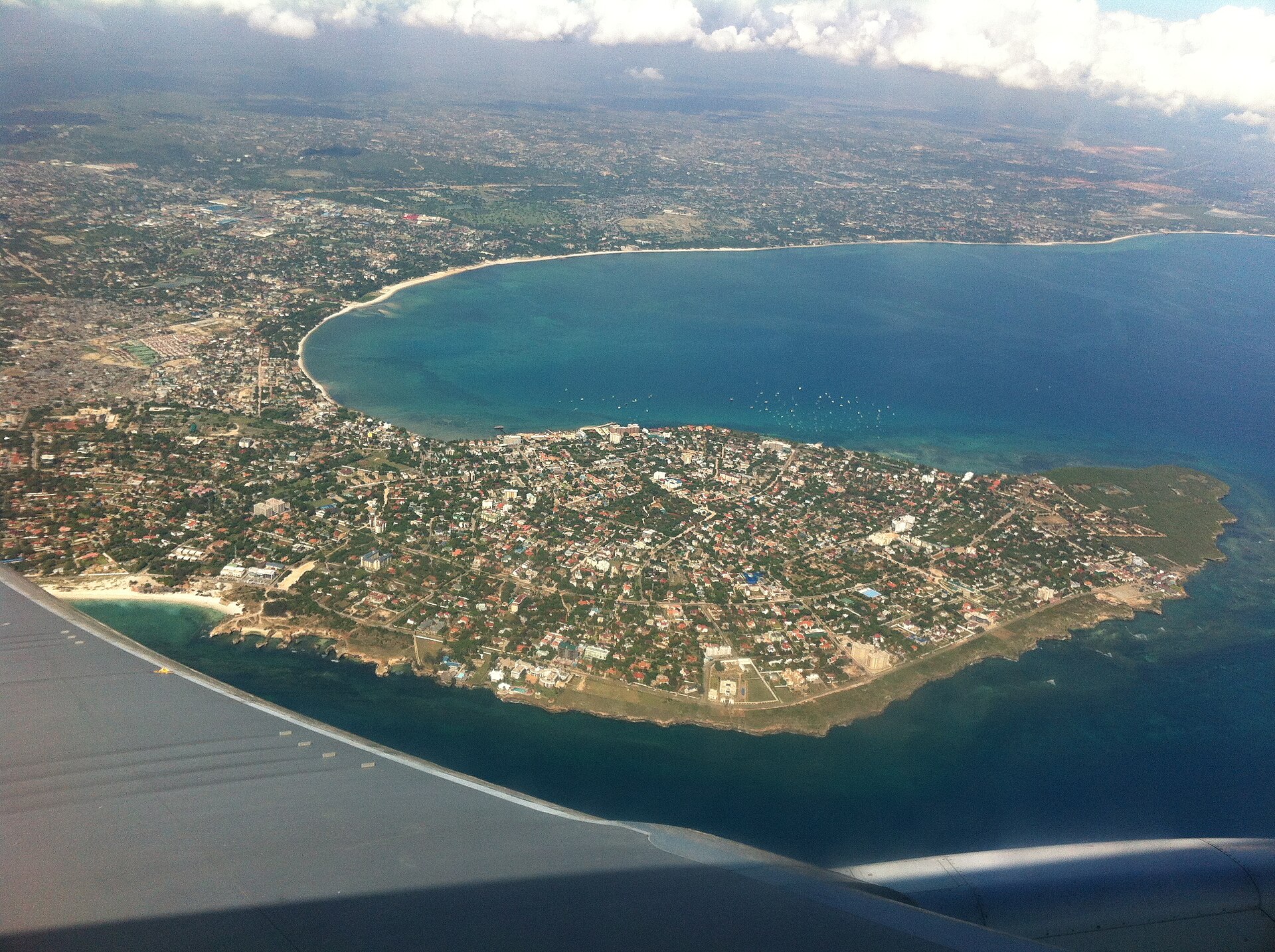
Housing alone does not qualify. When a non-citizen applies for land to live on, the Land Act says that use must be secondary to an approved investment.
In practice, a foreigner who wants a house on the mainland usually does it through an approved investment project. The home sits on land held under that project’s right, not as a stand-alone private purchase.
What changed in 2025 and 2026
The Investment and Special Economic Zones Act, 2025, is Act No. 6 of 2025, dated 4 March 2025. It repealed the Tanzania Investment Act of 2022 and the export-zone and special-economic-zone laws.
The act created a land bank managed by TISEZA. It is a database of land for investment, drawn from state-designated areas, land TISEZA acquires and privately owned plots.
A foreign investor may still use land outside the land bank. But the 2025 act says the investor must first tell the authority, which coordinates the acquisition under the relevant laws.
Subject to the Land Act, TISEZA may lease land to an investor for a set period or grant a derivative right. It may also revoke that right if an investor abandons the project for twelve months or more.
The scale is real. By 15 May 2026, the ministry had approved 252 foreign investors’ land requests. They covered 39,569 hectares, more than twice the area of Washington, DC.
Across all 333 approved requests, domestic and foreign, the total was 45,371 hectares. The ministry planned to allocate a further 5,000 hectares for investment in 2026/27.
Wider land-law reform is under way but unfinished. It follows the 2023 edition of the National Land Policy. The ministry is amending the Land Use Planning Act and the Valuation and Valuers Registration Act.
The same speech says three more land laws and six sets of regulations will be amended in 2026/27. It does not name them, so the core non-citizen rule in the Land Act stands as written today.
Zanzibar is a separate system
Zanzibar covers less than 1 percent of the union’s territory, but it has its own government, president and land administration. The Land Act itself states that it applies to land in Mainland Tanzania.
Foreign investment on the islands is handled by the Zanzibar Investment Promotion Authority, known as ZIPA. It runs a one-stop investment centre for approvals.
Zanzibar opened to foreign buyers through long leases rather than freehold. Fumba Town, a large development near the capital, describes itself as the first place foreigners could buy on a 99-year lease.
Foreigners can legally acquire private property in free economic zones and licensed condominium projects. That is according to the Fumba Times, the developer’s own newspaper.

The market has grown fast. Zanzibar corporate lawyer Masoud Salim told the Fumba Times in June 2026 that about 100 condominium projects were approved. He added that reliable statistics are scarce.
Residency through property in Zanzibar
Zanzibar links a residence permit to property. A buyer of a ZIPA-endorsed property worth US$100,000 or more qualifies, ZIPA officials told the Fumba Times in 2024.
The first four permits went to Dutch homeowners in May 2024. The legal basis came through a new union-wide immigration law passed in June 2023.
The permit, known as class C11, is valid for two years and costs US$550, or US$300 for East African nationals. It is renewable while the holder still owns the property.
It covers the investor, a spouse and up to four children under 18, with family members paying US$50 each. Applicants need proof of investment, a Zanzibari tax number and police clearance from home.
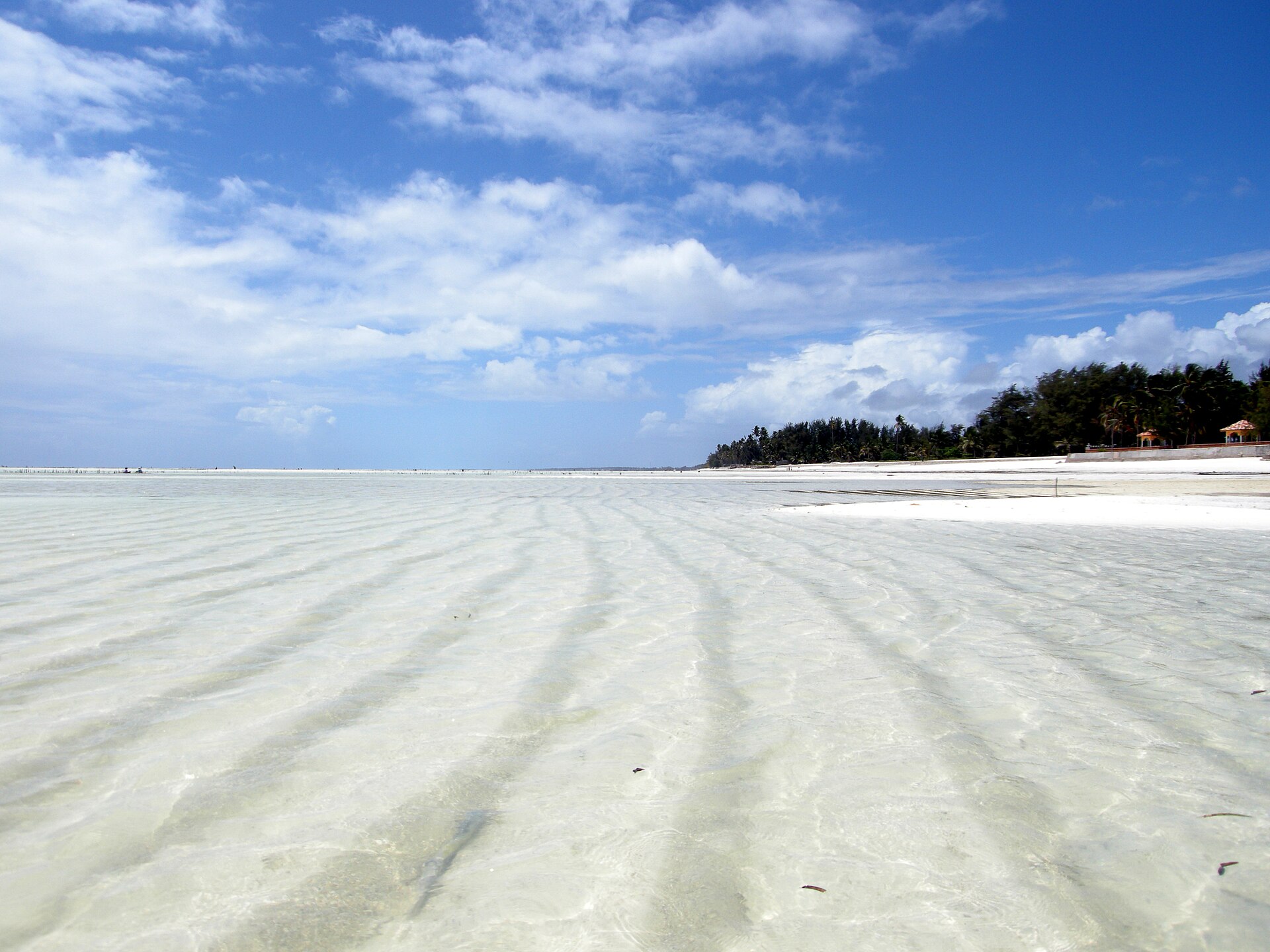
Two limits matter. The permit does not replace a work or business permit. And ZIPA said in 2024 that one single property must reach US$100,000, not several combined.
Prices span a wide range. In March 2026 the developer’s newspaper listed Fumba Town homes from about US$50,000 to US$500,000, so not every unit there reaches the residency threshold.
Taxes and fees: stamp duty and capital gains
Shilling figures here use Bank of Tanzania rates for 26 September 2026. Its buying and selling rates were 2,633 and 2,659 shillings to the dollar. The midpoint used is about 2,645 shillings to the US dollar.
Selling is where the main tax bites. The Tanzania Revenue Authority, or TRA, taxes gains on land or buildings anywhere in the union. The tax is a single instalment paid before transfer.
The rate is 10% of the gain for a resident and 30% for a non-resident. A seller without documents proving the original cost pays 3% of the sale price or approved value instead.
The Registrar of Titles will not register a transfer without a TRA certificate that this tax is paid or not due. That makes the tax a condition of closing, not an afterthought.
There is a narrow exemption for a home owned and lived in for three years or more. The gain must not exceed 15 million shillings (about US$5,670).
Another exemption covers farmland worth under 10 million shillings (about US$3,780), farmed in two of the prior three years. Few foreign buyers will fit either test.
Stamp duty applies to transfers of land and to leases under the Stamp Duty Act, and the document must be stamped within thirty days. On the mainland, a lease pays 1% of the annual reserved rent.
An exchange of property pays 0.5% on the first 100,000 shillings (about US$38) and 1% on the value above that. The TRA table covers the mainland only, so Zanzibar deals need separate checks.
The risks foreign buyers face
The first risk is the structure itself. Every right is time-limited, and the Land Act says it reverts to the state investment agency when it ends.
The second is the use condition. TISEZA may revoke a derivative right if a project is abandoned for twelve months or more. Title rests on keeping the investment alive.
The third is informal deals. Putting land in a local friend’s name to dodge the non-citizen rule leaves the foreigner with no registered right at all.
The fourth is the exit. Non-resident sellers face a 30% tax on the gain, and the title cannot move until the TRA certificate is issued.
The fifth is Zanzibar’s speed of growth. Lawyer Masoud Salim said planning in Paje is more damage control than planning. Checking a developer’s approvals matters as much as the view.
What this means for foreign buyers
On the mainland, buying property in Tanzania is not a simple house purchase for a foreigner. The legal door is an approved investment, with any home tied to it.
In Zanzibar, a lease in a licensed condominium or free-zone project is the recognised route. A US$100,000 purchase can bring a two-year residence permit.
Either way, get a Tanzanian advocate to check the title, the lease term, the approvals and the tax position in writing. Budget for the 10% or 30% gains tax before you buy, not when you sell.
Connected Coverage
Tanzania Explained: The Country, Its Politics, Its Economy and What to Watch
Tanzania Residency Visa 2026 — Class A, B and C Permits
Taxes in Tanzania for Expats 2026 — Residence Tests, PAYE Rates and Deadlines
Is Tanzania Safe for Expats in 2026: A Level 3 With One Hotspot
Sources: Land rules come from the Land Act, 1999, the Investment and Special Economic Zones Act, 2025, and the Ministry of Lands’ 2026/27 budget speech. Tax rules come from the Tanzania Revenue Authority and exchange rates from the Bank of Tanzania. Zanzibar residency details come from ZIPA officials quoted by the Fumba Times. All accessed 26 September 2026.
- faolex.fao.org
- tiseza.go.tz
- lands.go.tz
- tra.go.tz
- tra.go.tz
- bot.go.tz
- open.er-api.com
- britannica.com
- fumba.town
- fumba.town
- fumba.town
- fumba.town
What Is Not Known
The ministry has not named the three land laws and six sets of regulations it plans to amend in 2026/27. Whether any of them will touch the non-citizen rule is not known.
The 2025 investment act tells ministers to write regulations on managing investment land. Buyers should ask TISEZA whether those rules are in force before relying on any procedure.
The TRA’s public stamp duty table does not show the rate for a straight conveyance of land. That figure should be confirmed with the TRA, or the Zanzibar revenue body, before signing.
Zanzibar has no official property price index. The count of about 100 approved condominium projects is a lawyer’s estimate, not a government figure.
ZIPA said in 2024 that the single-property rule for the US$100,000 threshold could be evaluated in due course. Whether it has changed since is not established.
Frequently Asked Questions
Can a foreigner buy land in Tanzania?
Not freehold. All mainland land is public land vested in the President. A foreigner may get a right of occupancy or derivative right only for investment purposes, through the investment authority TISEZA, and residential use must be secondary to an approved investment.
What replaced the Tanzania Investment Centre for land?
The Investment and Special Economic Zones Act, 2025, dated 4 March 2025, created the Tanzania Investment and Special Economic Zones Authority, TISEZA. It manages a land bank, may lease land or grant derivative rights, and may revoke a right if a project is abandoned for twelve months or more.
How long can a foreigner hold property in Tanzania?
A granted right of occupancy can run for up to 99 years under the Land Act. In Zanzibar, foreign buyers have bought on 99-year leases, first at Fumba Town. On the mainland, a right that ends reverts to the state.
Does buying property in Zanzibar give residency?
Yes, for a ZIPA-endorsed property worth US$100,000 or more. The class C11 permit lasts two years, costs US$550 and is renewable while the owner keeps the property. It covers a spouse and up to four children under 18, but it is not a work permit.
What taxes apply when selling property in Tanzania?
The gain is taxed at 10% for residents and 30% for non-residents, paid before transfer. Sellers without cost records pay 3% of the sale price instead. The Registrar of Titles will not register the transfer without a TRA certificate.
This article was produced by The Rio Times’ automated newsroom system. How we use AI · Report an error
Part of our ongoing coverage
Africa: The New Scramble — the great-power contest over the continent.
Read More from The Rio Times