Tanzania Neighbours Explained, East Africa Borders and Trade

TANZANIA · EAST AFRICA
Key Facts
- —What it is Tanzania shares land borders with eight countries and belongs to both the East African Community and the Southern African Development Community.
- —Why it matters Tanzania links landlocked East and Central African economies to the Indian Ocean through Dar es Salaam port.
- —The numbers Total EAC trade reached US$156.6 billion in 2025, with US$19.3 billion traded among EAC partner states, according to the EAC Quarterly Statistics Bulletin.
- —The catch Border infrastructure, congestion and inconsistent procedures still slow trade despite regional integration commitments.
- —What it means for you A foreigner or investor can use Tanzania as a base to reach markets in Kenya, Uganda, Rwanda, Burundi, the DRC, Zambia, Malawi and Mozambique, but should plan for real-world border delays.
Tanzania neighbours are eight countries that shape its trade, migration, water and infrastructure politics. Understanding these relationships explains why Dar es Salaam matters far beyond Tanzania’s own borders.
Tanzania sits at the hinge of East and Southern Africa, with an Indian Ocean coastline and borders stretching from the Great Lakes to the Zambezi basin. This guide explains who its neighbours are, how the relationships work, where the money flows and what a foreigner should watch.
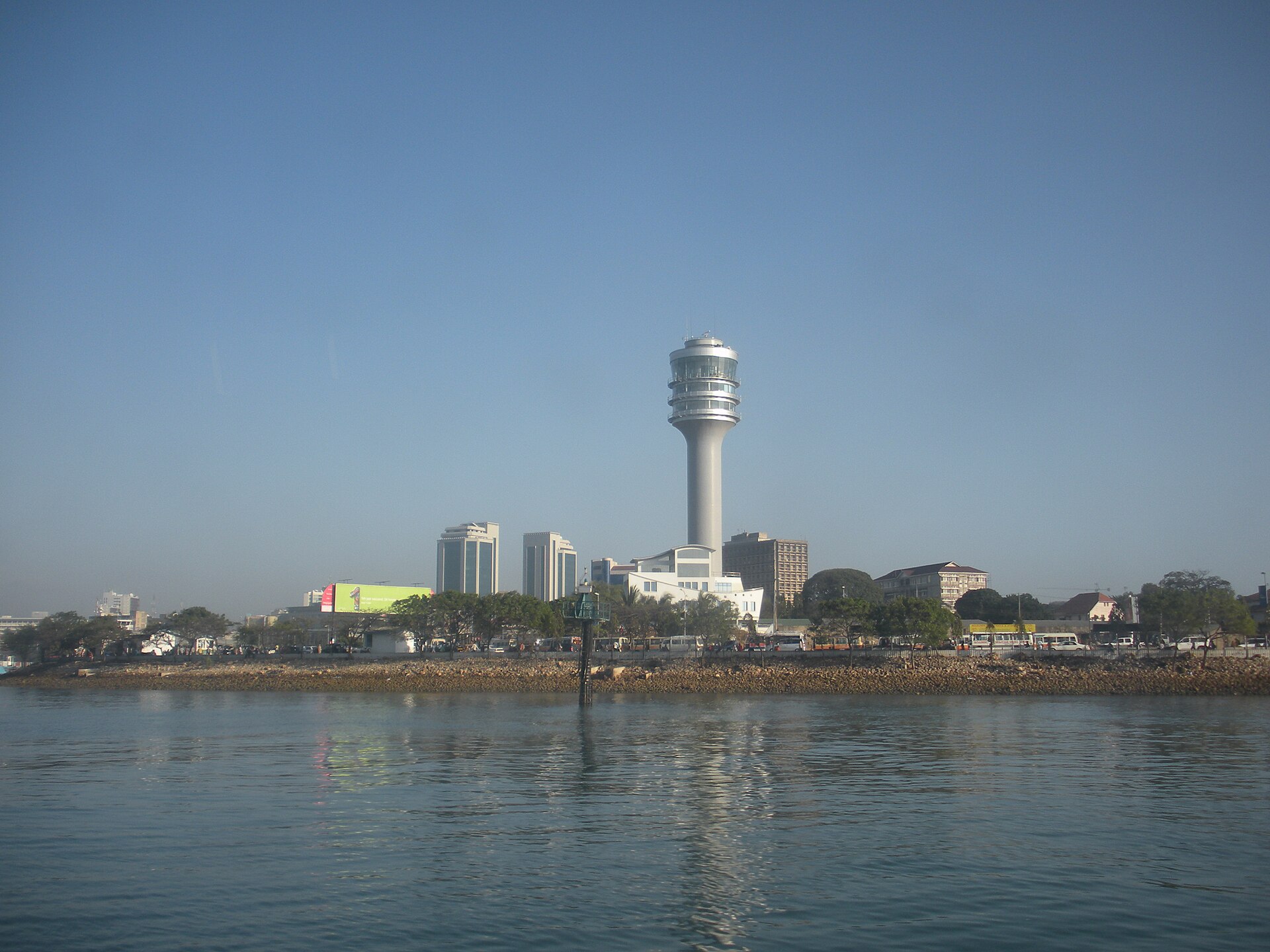
Who Are Tanzania’s Neighbours?
Tanzania has land borders with eight countries. Kenya and Uganda lie to the north and northwest. Rwanda, Burundi and the Democratic Republic of the Congo (DRC) sit to the west. Zambia and Malawi are to the southwest, and Mozambique is to the south.
The country also faces the western Indian Ocean, placing the Comoros and Seychelles in its maritime neighbourhood. This geography gives Tanzania two overlapping regional identities: an East African one through the East African Community (EAC) and a southern-African one through the Southern African Development Community (SADC).
The EAC currently comprises Burundi, the Democratic Republic of the Congo, Kenya, Rwanda, Somalia, South Sudan, Uganda and Tanzania. Somalia became the EAC’s eighth partner state, extending the Community’s reach from the Great Lakes and Nile Basin to the Horn of Africa. The EAC Secretariat is headquartered in Arusha, Tanzania.
Tanzania’s principal regional advantage is that it links landlocked East and Central African economies to the port of Dar es Salaam. Its principal constraint is that transport, border and regulatory integration remains incomplete.

Kenya: The Most Important Northern Relationship
Kenya is Tanzania’s most commercially significant neighbour and its closest competitor for regional logistics, tourism, investment and diplomatic influence. The competition is most visible between Dar es Salaam and Mombasa as gateways for inland markets, and between Arusha and Nairobi as regional diplomatic, tourism and business centres.
The relationship is nevertheless deeply integrated. The Namanga, Holili–Taveta and Sirari–Isebania crossings support movement between the two countries. The EAC describes the One Stop Border Post model as a central mechanism for reducing duplicate procedures and facilitating trade.
An EAC mission led by Secretary General Stephen Mbundi visited the Sirari–Isebania and Busia crossings on 4 to 6 July 2026. It heard of continued growth in trade at Sirari but also of persistent problems: insufficient infrastructure, congestion, missing modern cargo scanners, inconsistent 24-hour operations, overlapping agency procedures, domestic taxes and slow digital-system integration.
At Namanga, Tanzania allocated TZS 600 million (about US$227,000 at the RT rate of roughly TZS 2,640 per US$1) for financial year 2026/27 to construct a new truck-parking yard, according to the EAC. The measure illustrates both sides of the relationship: trade is growing, but border infrastructure is struggling to keep pace.
Uganda, Rwanda and Burundi: Landlocked Customers
Uganda is landlocked and relies on several routes to the coast. Tanzania’s central importance to Uganda has increased through the Central Corridor, which links Dar es Salaam with Uganda, Rwanda, Burundi and the eastern DRC. Lake Victoria transport connections, road and rail projects, and energy cooperation, including oil-export infrastructure, also bind the two countries.
Uganda has historically depended heavily on Kenya’s northern corridor through Mombasa, but Tanzania’s Dar es Salaam route offers diversification. For Tanzania, Uganda represents a major hinterland market and a source of transit cargo. The relationship is practical rather than rivalry-free. Tanzania and Kenya compete to attract Ugandan cargo, while Uganda seeks lower logistics costs and multiple supply routes.
Rwanda and Burundi depend on external corridors for fuel, manufactured goods, construction materials and exports. Tanzania’s Dar es Salaam route and the Central Corridor are therefore economically important to both. Tanzania’s relationship with Rwanda has had periods of political tension, especially over border security and regional conflicts involving eastern DRC. Commercial and infrastructure cooperation, however, has continued.
President Samia has described Tanzania’s infrastructure as serving neighbouring landlocked countries including Burundi, Rwanda, Uganda, Zambia, Malawi and the DRC.
The DRC, Zambia, Malawi and Mozambique
The Democratic Republic of the Congo is one of the most important long-term opportunities for Tanzania. The DRC’s eastern provinces are geographically closer to Dar es Salaam than to some alternative maritime gateways, and Tanzania’s port and rail investments can support exports and imports connected to the Congolese mining economy.
The relationship has expanded since the DRC joined the EAC. Tanzania’s strategic interests include transit cargo through the Central Corridor, access to mineral-producing regions, Lake Tanganyika transport, cross-border trade with eastern DRC and regional security cooperation. The main risks are insecurity in eastern DRC, weak transport links and border delays.
Zambia and Malawi are members of SADC rather than the EAC, but both are major users or potential users of Tanzania’s transport system. Tanzania connects them to the Indian Ocean through the Dar es Salaam corridor, the TAZARA railway linking Tanzania and Zambia, roads connecting Dar es Salaam with Zambia and Malawi, and lake transport and port infrastructure.
This is where Tanzania’s dual EAC–SADC membership becomes commercially important. The country can function as a bridge between East and Southern Africa rather than treating the two regions as separate markets. Zambia is also a major mining economy. Efficient rail and port links create opportunities for Tanzanian logistics, engineering, warehousing and financial services. Malawi, which is highly dependent on imported fuel and fertilizer, has a strong interest in reliable access to Dar es Salaam.
Mozambique is Tanzania’s only mainland neighbour to the south. The relationship includes cross-border trade, energy, fisheries, security and migration. Northern Mozambique and southern Tanzania share social and commercial ties, but the security situation in Cabo Delgado has made bilateral and regional cooperation more important. Tanzania has had to manage the effects of insurgency, including cross-border movement and security concerns, while preserving lawful trade and family links.

Trade: Tanzania as a Corridor Economy
Tanzania’s regional economic role rests on three assets: Dar es Salaam port, the Central Corridor, and a large domestic market positioned between the coast, the Great Lakes and Southern Africa. The country is investing in the port of Dar es Salaam, the Standard Gauge Railway, roads, bridges and strategic transport corridors. These investments are intended not only to serve Tanzania but also to attract transit cargo from Burundi, Rwanda, Uganda, Zambia, Malawi and the DRC.
At the EAC level, total trade in 2025 was reported at US$156.6 billion, comprising about US$137 billion in trade with the rest of the world and US$19.3 billion in trade among EAC partner states, a rise of 28.0% on 2024. Intra-EAC trade therefore represented 12.3% of the Community’s total reported trade.
The EAC has set an ambition to raise the share of intra-regional trade to 50% by 2030, but the Secretariat identifies several obstacles: non-tariff barriers, regulatory inconsistency, infrastructure bottlenecks, limited finance for small and medium-sized enterprises, slow digital integration, border congestion, and domestic taxes and administrative measures.
The 48th EAC Sectoral Council on Trade, Industry, Finance and Investment met in Arusha from late May to early June 2026. It endorsed time-release studies for the Northern and Central Corridors, a framework to monitor the Customs Union Protocol and customs data-sharing measures for South Sudan. Separately, the EAC Customs Bond is built on customs transit, inland goods-in-transit insurance and a container guarantee.
For Tanzania, the practical question is whether it can convert geography into dependable service. A port is valuable only if cargo can move predictably through customs, roads, railways and neighbouring countries.
Migration and Cross-Border Communities
Tanzania’s borders cut across long-established communities rather than separating completely distinct societies. Swahili is a major regional lingua franca, and border populations routinely maintain family, commercial and cultural links across national boundaries.
Key migration patterns include labour and trading movement between Tanzania and Kenya, refugee and humanitarian movement from Burundi and the DRC, commercial migration involving Rwanda and Uganda, seasonal and informal trade at border markets, movement between Tanzania and Mozambique in the south, and fisheries and lake-based mobility on Lakes Victoria, Tanganyika and Nyasa/Malawi.
The EAC Common Market is designed to support the free movement of goods, people, labour, services and capital, as well as rights of establishment and residence. In practice, national immigration controls, work-permit systems, security concerns and uneven implementation continue to limit fully seamless movement.
Small-scale cross-border traders are particularly affected. The EAC Simplified Trade Regime is intended to make preferential market access more usable for them, but the EAC’s 2026 border assessment found that modernization, digitization, staffing and physical infrastructure remain necessary.
For investors and expatriates, the distinction between regional legal commitments and border practice matters. A treaty may provide a framework for mobility, but the practical experience depends on immigration officers, customs procedures, national tax rules and the specific border post.
Shared Rivers, Lakes and Water Systems
Tanzania shares water systems with nearly all of its neighbours. These resources support agriculture, fisheries, hydropower, transport and ecosystems, but they also create potential disputes.
Lake Victoria
Lake Victoria is shared by Tanzania, Kenya and Uganda. It supports fisheries, water supply, tourism, inland transport, agriculture, hydropower and ecological systems. Shared concerns include overfishing, pollution, invasive species, fluctuating water levels and enforcement across national jurisdictions.
Lake Tanganyika
Lake Tanganyika is shared by Tanzania, the DRC, Burundi and Zambia. Tanzania controls a substantial portion of the lake’s eastern shore. The lake is important for fisheries, transport and communities in western Tanzania and neighbouring states. Poor transport infrastructure has limited the lake’s full commercial potential. Better ports, vessels and cross-border procedures could strengthen links with Burundi and eastern DRC.
Lake Nyasa/Malawi
Tanzania and Malawi share Lake Nyasa, known internationally as Lake Malawi. The lake has been the subject of a longstanding territorial disagreement. The dispute has not prevented ordinary economic and social interaction, but it illustrates how shared natural resources can complicate otherwise practical relations.
Rivers and Basins
Tanzania shares or participates in water systems involving the Kagera, Ruvuma/Rovuma, Mara, Pangani, Songwe and Zambezi basins. Water management issues include irrigation, environmental protection, flood control, hydropower and downstream impacts.
The Kagera Basin is particularly important because it links Tanzania, Rwanda, Burundi and Uganda and drains into Lake Victoria. The Ruvuma/Rovuma River forms part of the Tanzania–Mozambique boundary and has direct implications for agriculture, settlement and border administration. Water cooperation is therefore not a peripheral environmental issue. It is part of Tanzania’s diplomacy, food security, energy planning and border management.
What It Means for Foreigners and Investors
For a foreigner, Tanzania’s neighbourhood is both an opportunity and a practical challenge. The opportunity is scale: a base in Dar es Salaam or Arusha can serve markets stretching from the Horn of Africa to the Copperbelt. The challenge is that regional integration remains a work in progress.
An investor looking at logistics, warehousing, agriculture, mining services or consumer goods should understand that Tanzania’s value depends on corridor performance. The port of Dar es Salaam, the Central Corridor and the Standard Gauge Railway are the physical backbone of that value. But border posts, customs procedures and national tax rules still determine whether goods actually move.
An expatriate should also understand that regional mobility is not automatic. The EAC Common Market provides a legal framework for movement, but work permits, immigration controls and security checks remain national decisions. The practical experience varies by border post and by nationality.
The most realistic approach is to treat Tanzania as a corridor economy with strong fundamentals and uneven execution. The country’s geography, population and diplomatic position give it durable advantages. The open questions are about speed, reliability and the pace of reform.
What to Watch
Several developments will shape Tanzania’s neighbourhood in the coming years. The first is the EAC’s push to raise intra-regional trade from 12.3% of total trade toward its 50% by 2030 ambition. That will require progress on non-tariff barriers, customs data-sharing and the EAC Customs Bond.
The second is infrastructure delivery. The Standard Gauge Railway, Dar es Salaam port upgrades and border-post modernization will determine whether Tanzania can convert its geography into dependable transit revenue. The TZS 600 million (about US$227,000) allocation for a truck-parking yard at Namanga in financial year 2026/27 is a small but telling example of the pressure on border infrastructure.
The third is security. Eastern DRC instability, the Cabo Delgado situation in northern Mozambique and refugee movements from Burundi all affect Tanzania’s borders. These are not distant problems; they shape border management, transport routes and investor confidence.
The fourth is water. Lake Victoria, Lake Tanganyika and the shared river basins are economic assets and potential flashpoints. How Tanzania manages fisheries, hydropower and irrigation with its neighbours will matter for food security and rural livelihoods.
Finally, watch the balance between competition and cooperation with Kenya. The two countries compete for cargo, tourism and investment, but they also share borders, communities and a regional market. The quality of that relationship will do more than any single project to define Tanzania’s place in East Africa.
Related reading: more on the region in our Tanzania coverage, including Tanzania Explained, Tanzania’s share of unresolved EAC trade barriers, taxes in Tanzania for expats and retiring in Tanzania.
Frequently Asked Questions
How many countries border Tanzania?
Tanzania has land borders with eight countries: Kenya, Uganda, Rwanda, Burundi, the Democratic Republic of the Congo, Zambia, Malawi and Mozambique.
Which regional organisations does Tanzania belong to?
Tanzania belongs to the East African Community, headquartered in Arusha, and the Southern African Development Community. This dual membership lets it act as a bridge between East and Southern Africa.
Why is Dar es Salaam port important for Tanzania’s neighbours?
Dar es Salaam port and the Central Corridor serve landlocked countries including Uganda, Rwanda, Burundi, Zambia, Malawi and the eastern DRC. They provide an alternative to routes through Mombasa and other gateways.
How much trade happens within the East African Community?
Total EAC trade in 2025 was US$156.6 billion, with US$19.3 billion traded among EAC partner states, according to the EAC Quarterly Statistics Bulletin. Intra-EAC trade represented 12.3% of total reported trade.
What are the main border problems between Tanzania and Kenya?
An EAC mission led by Secretary General Stephen Mbundi on 4 to 6 July 2026 found insufficient infrastructure, congestion, missing modern cargo scanners, inconsistent 24-hour operations, overlapping agency procedures, domestic taxes and slow digital-system integration at the Sirari–Isebania and Busia crossings.
Which lakes does Tanzania share with its neighbours?
Tanzania shares Lake Victoria with Kenya and Uganda, Lake Tanganyika with the DRC, Burundi and Zambia, and Lake Nyasa/Malawi with Malawi. It also shares several river basins, including the Kagera and Ruvuma/Rovuma.
Sources: eac.int, eac.int, eac.int, eac.int, eac.int, eac.int. Retrieved 3 October 2026.
This article was produced by The Rio Times’ automated newsroom system. How we use AI · Report an error · Editorial responsibility: Matthias Camenzind, Editor-in-Chief