Is Tanzania Safe for Expats in 2026: A Level 3 With One Hotspot
TANZANIA · SAFETY
Key Facts
- —Where it stands The United States rates Tanzania Level 3, reconsider travel, in an advisory issued 31 October 2025.
- —The regional escalation Mtwara Region carries a higher terrorism risk along the southern border with Mozambique.
- —The catch The assessment is nearly a year old and predates anything that has changed since.
- —The crime named Assault, sexual assault, robbery, mugging and carjacking are listed explicitly.
- —A legal risk Consensual same-sex sexual relations are a criminal offence under Tanzanian law.
- —What comes next National crime statistics could not be obtained, so no figures are quoted here.
Is Tanzania safe for expats has a documented answer and a dated one. Both halves of that sentence matter.

Where This Fits
Is Tanzania safe for expats is a question with an unusually clear official answer. The difficulty is that the answer is not recent.
The United States places Tanzania at Level 3 of four, which reads reconsider travel. That advisory was issued on 31 October 2025.
This guide sets out what that rating rests on, which region is treated differently, and which risks are legal rather than criminal.
It also states plainly what could not be verified, because on this subject that omission matters.
What Level 3 Means
The scale runs from Level 1 to Level 4. Level 1 is exercise normal precautions and Level 4 is do not travel.
Level 3 sits one step below the highest. It advises travellers to reconsider going at all rather than simply to take care.
For comparison, El Salvador was moved to Level 1 in June 2026 and is covered separately in this series. The two countries are three steps apart on the same scale.
That gap is the most useful single fact here. It places Tanzania well above the ordinary-precautions category that most destinations occupy.
A rating of this kind also has practical consequences beyond personal risk. Travel insurance terms and employer duty-of-care policies often key off the published level.
Anyone relocating for work should check what their cover actually says. A Level 3 country can change the premium or the conditions attached.
The Four Stated Reasons
The advisory names four grounds for the rating. They are unrest, crime, terrorism, and the targeting of gay and lesbian individuals.
On crime, the document is specific rather than general. It names assault, sexual assault, robbery, mugging and carjacking.
On unrest, the concern is that demonstrations can be unpredictable. They are often met with government security checkpoints, which itself changes how movement works on a given day.
Those two categories describe ordinary risk management for a resident. Route planning, time of day and vehicle security are the practical responses.
Carjacking is worth separating from the rest of that list. It is the risk that most changes daily behaviour, because it shapes how and when people drive.
The other two grounds are different in kind. One is geographic and the other is legal, and both are set out below.
Mtwara and the Southern Border
The terrorism concern is not spread evenly across the country. The advisory singles out the Mtwara Region.
The stated reason is increased activity by extremists along Tanzania’s southern border with Mozambique. That is a specific and localised assessment.
For most foreign residents this is geographically remote. Dar es Salaam, Arusha and Zanzibar are far from that border.
The distinction matters when reading the headline rating. A national Level 3 driven partly by one border region is not the same as uniform risk everywhere.
It also means the advisory should be read in full rather than by its number. The regional detail is where the practical guidance sits.
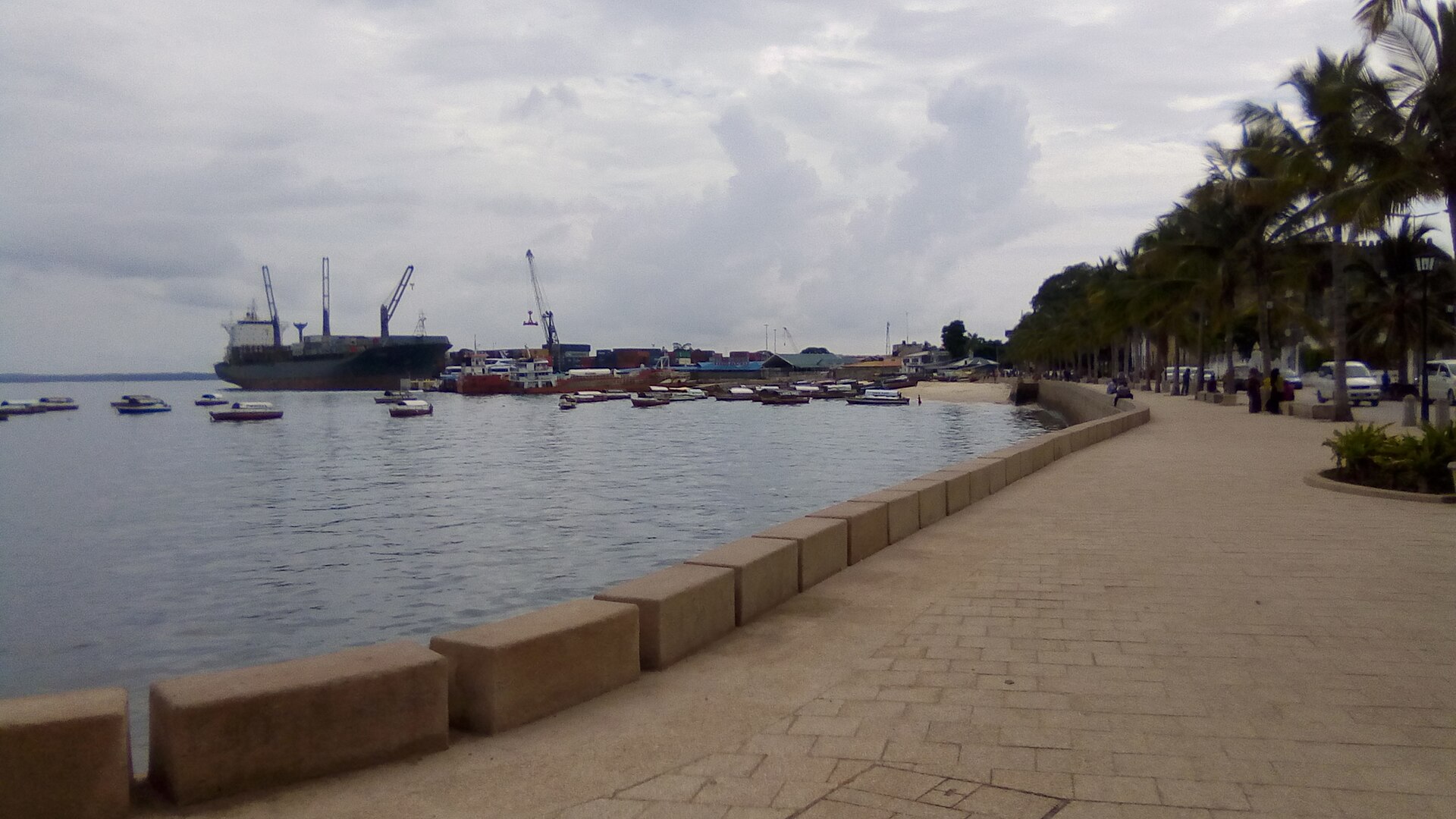
The same applies to Zanzibar, which many arrivals treat as a separate destination. It is part of Tanzania and sits under the same national rating.
Nothing in the advisory singles out the islands for either escalation or relief. They carry the national level like everywhere else outside Mtwara.
The Legal Risk That Is Not a Crime Statistic
One of the four stated grounds is legal rather than criminal. Consensual same-sex sexual relations are a criminal offence in Tanzania.
The advisory records harassment and arrest of LGBTQ+ individuals as a documented risk. That is a statement about the operation of the law, not about street crime.
For anyone to whom this applies, it is the most consequential line in the entire assessment. No security precaution addresses a legal prohibition.
It is stated here because omitting it would leave readers without information that directly affects their safety. The source is the official advisory.
Anyone in that position should take specific advice before making commitments. A general country guide is not the right basis for that decision.
The Age of the Assessment
The advisory carries the date 31 October 2025. At the time of writing that is close to eleven months old.
Travel advisories are revised when the issuing government judges the picture to have changed. A long gap can mean stability or it can mean the file has not been reopened.
Either reading is possible and neither is confirmed here. What is certain is that the rating does not reflect anything that has happened since late 2025.
That is a reason to check the current version before acting rather than to discount the rating. The advisory is published and is updated in place.
It is also why no attempt is made below to declare the situation improved or worsened. There is no evidence in hand either way.
The date is worth writing into any personal checklist. An advisory consulted today may carry a different number from the one described here.
What We Could Not Confirm
Three things are missing from this guide and are not estimated.
The first is national crime statistics. Tanzania’s statistics bureau publishes crime data, and no current figures were obtained for this piece.
The second is any regional breakdown of crime outside the terrorism assessment. The third is whether other governments rate the country at the same level.
Those gaps are the reason no numbers appear in this article. On a safety question, an unsourced figure is worse than none.
Readers who want a fuller picture should compare several governments’ advisories. Where they diverge, the divergence itself is informative.
What Is Tanzania Safe for Expats Comes Down To
The documented position is a Level 3 rating, one step below the highest warning. That is a serious assessment and it should be treated as one.
Within it, the risks separate cleanly. Crime and unrest are managed the way they are managed in any large city, through routine and awareness.
The terrorism element is concentrated in one region on the Mozambican border, far from where most foreign residents live. The rating covers the whole country regardless.
The legal risk to gay and lesbian residents is categorical rather than probabilistic. It does not respond to precautions and it belongs in any honest answer to this question.
Read is Tanzania safe for expats as four separate questions with four different answers. Then check the current advisory, because the one described here is nearly a year old.
Connected Coverage
- Tanzania Economy Faces Post-Vote Test as VP Nchimbi Quits After Samia’s Win
- AFCON 2027 Guide: Dates, Hosts, Qualifiers and Tickets for Kenya, Uganda and Tanzania
- Kenya Residency Visa Requirements 2026: Class K Starts at 35
More: Tanzania news in English, every day from The Rio Times.
The big picture: Mozambique explained — economy, politics, society and daily life in one read.
Frequently Asked Questions
What is the United States advisory level for Tanzania?
Level 3, reconsider travel, in an advisory issued on 31 October 2025.
Which area carries the higher risk?
Mtwara Region carries a higher terrorism risk along the southern border with Mozambique.
What crime does the advisory name?
Assault, sexual assault, robbery, mugging and carjacking are listed explicitly. National crime statistics could not be obtained, so no figures are quoted here.
Are there legal risks foreigners should know about?
Consensual same-sex sexual relations are a criminal offence under Tanzanian law. The assessment itself is nearly a year old.
More Africa news: Nigeria | South Africa | Kenya | Egypt | Ghana | Morocco | DR Congo | Angola | Ethiopia | Tanzania
This article was produced by The Rio Times’ automated newsroom system. How we use AI · Report an error · Editorial responsibility: Matthias Camenzind, Editor-in-Chief
Expat Guide to Tanzania
What The Rio Times publishes for foreigners who live in or move to Tanzania.
Start here
- Retire in Tanzania: Zanzibar vs. Mainland, Residency and Real Costs
- Bank Account in Tanzania for Foreigners: Permits, Tax Number, Deposits From 20,000 Shillings
- Taxes in Tanzania for Expats 2026 — Residence Tests, PAYE Rates and Deadlines
- Tanzania Residency Visa 2026 for Class A, B and C Permits
City guides
Coming up in Tanzania
- Soundscapes Zanzi Brings House to Zanzibar 21 Jan
- Kilimanjaro Marathon Adds Comrades Qualifier 7 Feb
- Sauti za Busara 2027 Runs in Zanzibar From 19 to 21 March 19 Mar
- Africa Cup of Nations 2027 Qualifiers: Standings, Dates, TV 19 Jun
Understand Tanzania