Open Bank Account Tanzania Foreigner 2026 — Permits, Shillings and Real Costs
GUIDES · TANZANIA
Key Facts
- —What it is a shilling or foreign-currency account at a Tanzanian bank, opened in person at a branch.
- —Who it’s for employees, investors, retirees and students who hold a residence permit and live in Tanzania.
- —What it costs opening balances run from 20,000 shillings (about US$7.60) to 100,000 shillings (about US$38).
- —Why it matters domestic prices and payments must be in shillings, so a local account ends constant conversion.
- —The catch each bank sets its own file, and the permit is what answers its questions.
Banking in Dar es Salaam is mostly paperwork, and the open bank account Tanzania foreigner path starts with your immigration file.
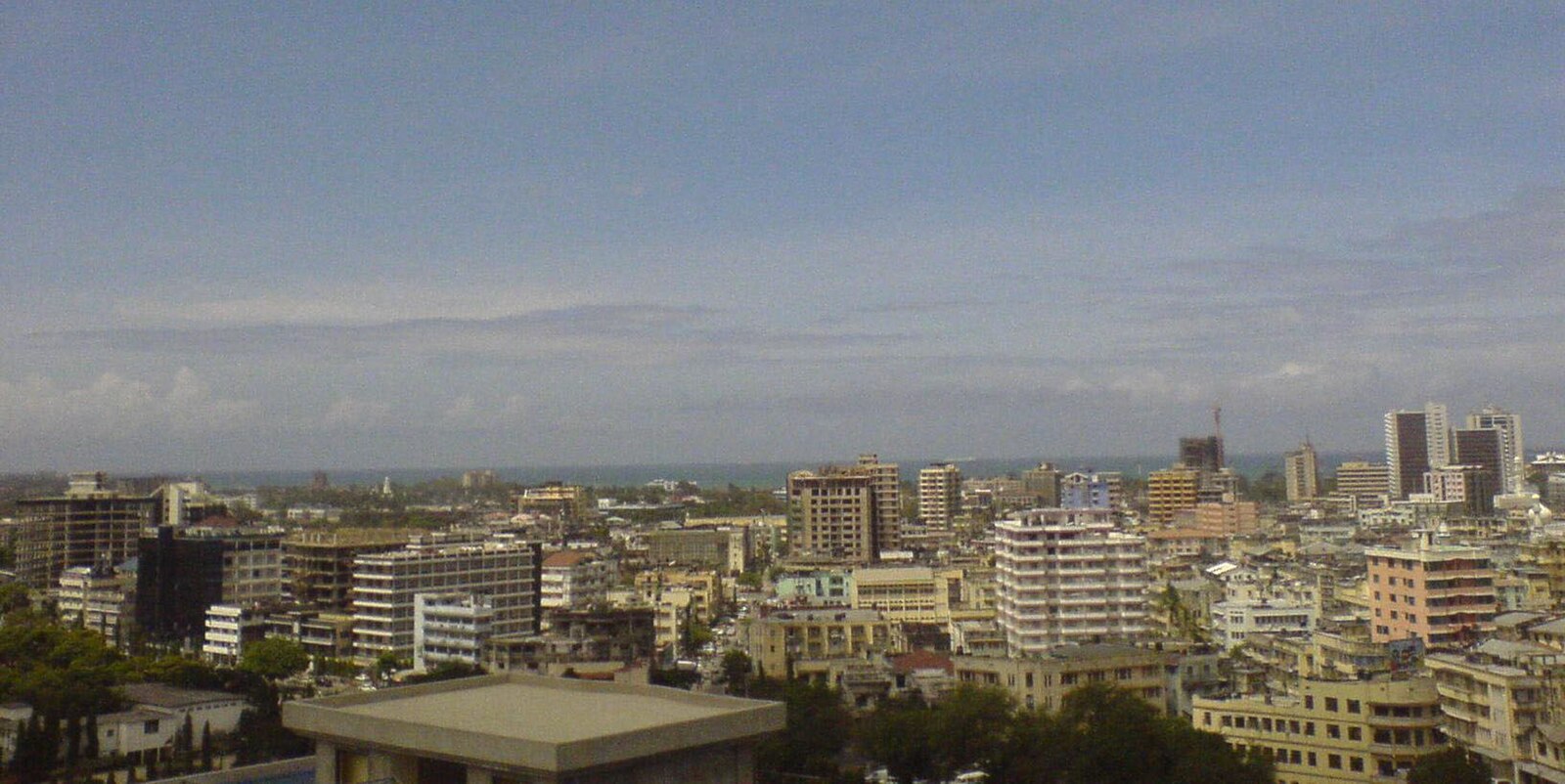
The open bank account Tanzania foreigner route runs through immigration first, then the bank counter. Tanzania’s banks are open to non-citizens, but they want proof of who you are and why you are here.
The Permit Question and What Banks Actually Check
The open bank account Tanzania foreigner question starts with immigration status, not with money. No published national rule makes a residence permit a legal condition for every account.
The gate is set bank by bank. A foreigner can open a bank account in Tanzania, but each bank decides what its customer file must contain.
NBC accepts a passport as identification, and asks non-citizens for a resident or work permit as proof of status. CRDB accepts a passport, a national identity card, a voter card, a driving licence or a Zanzibar identity card.
So the permit is less a legal precondition than the document that answers the bank’s real question. That question is simple — why you are in Tanzania, and for how long.
Residence permits come in three classes, A, B and C. Most applicants must first obtain a work permit from the labour ministry.
Students, researchers and retirees are among the exceptions to that step. If your permit is pending, expect the bank to ask you to come back.
Documents, the Tax Number and the File Behind Them
To open a personal bank account in Tanzania, a foreigner brings a passport, proof of address, two photographs and an opening deposit. Banks keep certified copies, and anti-money-laundering guidance tells them to hold identification records for at least five years.
A Taxpayer Identification Number, or TIN, comes from the Tanzania Revenue Authority. The authority says a resident or non-resident individual applies online, using a national identity card, passport or voter identity card.
Anyone starting a business must apply for a TIN within fifteen days of beginning it. That application also needs a letter from the local government authority and a lease or title deed.
Some banks ask expatriates for an introduction or reference letter from an employer or another bank. Ask your branch for its written checklist before you travel to the appointment.
Company accounts need more, including incorporation papers, a board resolution and identity checks on every director. That review takes longer, so start it early.
Shillings, Foreign Currency and the 2025 Rule
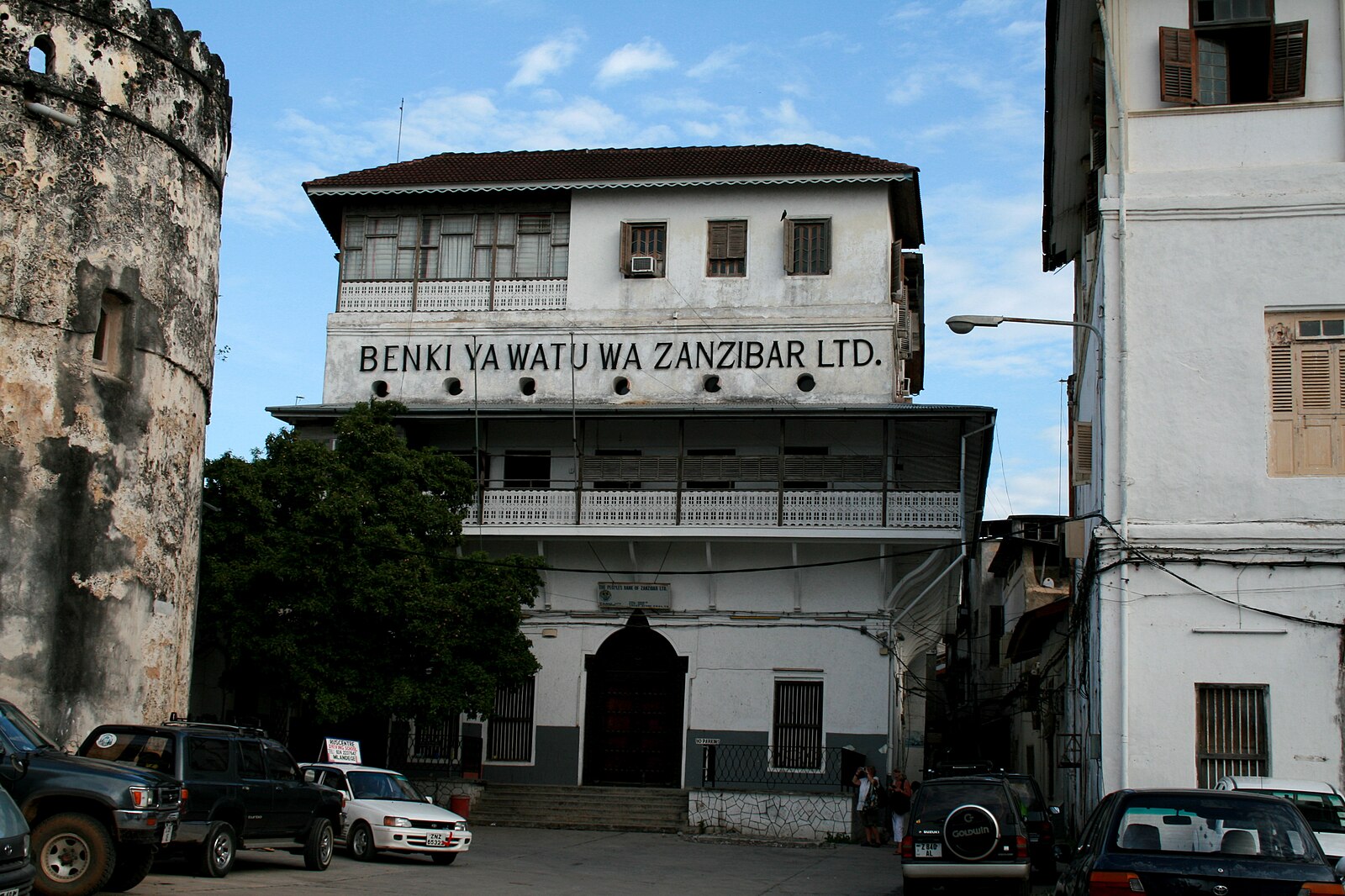
Since 28 March 2025, prices and payments for goods and services inside Tanzania must be in shillings. The Regulations on the Use of Foreign Currency were published in Government Gazette Number 198 that day.
The Bank of Tanzania set out the rule in a public notice on 2 May 2025. Quoting in dollars, refusing shillings or demanding a foreign-currency payment inside the country are all unlawful.
A short list of exceptions survives, including diplomatic missions, duty-free shops and foreign-currency loans from local banks. Contracts signed in foreign currency before the rule had twelve months to convert, and that deadline passed in March 2026.
Parliament returned to the subject in June 2026, when the government restated the shilling-only rule and said it favours education before penalties.
None of this bans foreign-currency accounts. The Foreign Exchange Regulations of 2022 let any person hold foreign currency and keep a foreign-currency account at a bank.
About one deposit shilling in four sits in a foreign currency. In December 2025 the banking system held 14,515 billion shillings (about US$5.5 billion) in foreign-currency deposits.
What an Account Costs in 2026
Costs are set by each bank and published in tariff sheets, not fixed by the central bank. Two of the largest lenders publish theirs in full.
CRDB opens a current account in shillings, dollars, euros or pounds, with a minimum opening balance of 100,000 shillings (about US$38). Its savings account starts at 20,000 shillings (about US$7.60), or US$100 in a foreign-currency version.
The NBC retail tariff guide of March 2025 sets the minimum balance on an individual current account at 10,000 shillings (about US$3.80). Monthly maintenance on that account is 1,800 shillings (about US$0.68).
Those are small numbers, and they are a floor rather than the whole cost. Card, statement, transfer and dormancy fees sit in the same sheets.
All conversions here use exchange rates at 23 September 2026, with the shilling near 2,645 to the dollar.
Mobile Money, a National ID and Daily Payments
Mobile money and agent networks carry much of Tanzania’s everyday payment traffic. Bank agents alone numbered 187,692 at the end of 2025, a rise of 29.1 percent in a year.
A wallet sits on a locally registered SIM card, and registration runs through identity records. That is why the national identity authority matters here.
Resident foreigners aged eighteen and over must register with that authority, on the strength of a residence permit. Applicants bring a passport, a work permit and two copies of the residence permit.
The fee depends on your category. It is US$100 for a general foreign resident, US$50 for an employee, and US$20 for students, researchers, missionaries and dependants.
Payment is made against a government control number, through NMB, CRDB, NBC or the People’s Bank of Zanzibar. The fee is not refunded, so confirm your category at the district registration office first.
Moving Money In and Out, and the US Angle

A foreigner who opens a bank account in Tanzania meets the reporting rules early. Banks report to the Financial Intelligence Unit any cash transaction worth US$10,000 or more.
Electronic transfers are reported from a much lower level, at US$1,000 or more. That is the reason for the questions about invoices, contracts and the source of your money.
For travel abroad you may buy foreign exchange up to the equivalent of US$10,000, on residency and travel documents. Carrying more than US$10,000 across the border requires a customs declaration.
One rule surprises long-stayers. A resident may not keep a bank account outside the country without permission from the central bank.
A narrow exception covers securities settlement inside East Africa and Southern Africa. The 2022 rules treat you as resident after twelve months of living, or of predominant economic interest, in the country.
Tanzania has no FATCA agreement with the United States, so there is no automatic reporting under one. American citizens still file their own report when foreign accounts together pass US$10,000 at any point in a year.
That report is FinCEN Form 114, due on 15 April with an automatic extension to 15 October. Banks with American correspondent links may still ask you to certify your tax status.
Deposit Protection, the Banks and the Zanzibar Difference
Tanzania had 35 commercial banks and 950 branches at the end of 2025, on the central bank’s supervision figures. Thirteen were locally owned and twenty-two foreign owned.
Every foreigner who opens a bank account in Tanzania is covered by the same deposit insurance. Reported central-bank disclosures put the cover at 7,500,000 shillings (about US$2,835) per depositor, per bank.
That is a large rise from the old limit of 1,500,000 shillings (about US$567). Confirm the current figure with your bank, because it protects ordinary savers rather than large balances.
Zanzibar sits inside the United Republic, so the currency and foreign-exchange rules reach the islands as well. The People’s Bank of Zanzibar is licensed like any other bank, and CRDB accepts a Zanzibar identity card.
The islands do run part of their own financial rulebook. Zanzibar’s finance ministry issued its own microfinance regulations in 2025, under a separate Zanzibar microfinance law.
Foreign exchange is visible there too. Of all bureau de change branches in December 2025, 18.1 percent were in Zanzibar.
Open Bank Account Tanzania Foreigner Steps for 2026
First, settle your immigration status, because the permit is what proves why you are here. Second, apply for a tax number through the revenue authority’s online portal.
Third, register with the national identity authority if you hold a residence permit, and pay the fee for your category. Fourth, gather your passport, permit, address proof and two photographs.
Fifth, ask two banks for their current tariff sheets and read them side by side. Sixth, open the account in person, then activate online banking and a card.
Seventh, link a registered local SIM card so mobile money works for daily payments. Eighth, keep invoices and contracts for every transfer in and out.
The open bank account Tanzania foreigner process is slower than it looks on paper. Treat it as a month of small appointments, not an afternoon.
This is the calm way for a foreigner to open a bank account in Tanzania. The paperwork is heavy at the start and light afterwards.
Connected Coverage
Tanzania Residency Visa 2026 — Class A, B and C Permits
Taxes in Tanzania for Expats 2026 — Residence Tests, PAYE Rates and Deadlines
Tanzania Now Requires Most Foreign Arrivals to Buy a US$44 Travel Policy
What Is Not Known
The Deposit Insurance Board’s own published limit could not be confirmed for this guide, because its website was unreachable. The figure quoted here rests on reported central-bank disclosures.
No official source reviewed here sets out the penalties for pricing in foreign currency inside the country. The central bank’s public notice asks people to report breaches instead.
Mobile-money registration rules for foreigners are set by each provider and are not published in one official place. The open bank account Tanzania foreigner path therefore ends at a provider’s counter.
Bank tariffs change without notice, and the costs here are dated to each bank’s own published sheet. Minimum balances at other banks were not published in a form that could be checked.
Whether a bank accepts a tourist visa as sufficient status is not stated in any published rule. Practice differs between banks and account types.
Sources: This guide draws on the Bank of Tanzania, the Tanzania Revenue Authority, the national identity authority, published tariffs and account terms from NBC and CRDB, and United States tax sources.
Frequently Asked Questions
Do I need a residence permit to open a bank account in Tanzania?
No published national rule makes a residence permit a legal condition for every account. In practice the bank decides, and NBC asks non-citizens for a resident or work permit as proof of status. A permit answers the bank’s real question about why you are here and for how long.
What documents does a bank in Tanzania ask a foreigner for?
The standard personal file is a passport, proof of address, two photographs and an opening deposit. Some banks also ask expatriates for an introduction or reference letter from an employer or another bank. Company accounts need incorporation papers, a board resolution and identity checks on every director.
Can I still hold a foreign-currency account in Tanzania in 2026?
Yes. The Foreign Exchange Regulations of 2022 let any person hold foreign currency and keep a foreign-currency account at a bank. What changed in 2025 is pricing and payment inside the country, which must now be in shillings.
How much does it cost to open a bank account in Tanzania?
CRDB asks a minimum opening balance of 100,000 shillings (about US$38) on a current account, or 20,000 shillings (about US$7.60) on a savings account. NBC sets the minimum balance on an individual current account at 10,000 shillings (about US$3.80), with monthly maintenance of 1,800 shillings (about US$0.68). Card, statement and transfer fees sit separately in each bank’s tariff sheet.
Can foreigners register for mobile money in Tanzania?
A wallet sits on a locally registered SIM card, and registration runs through identity records. Resident foreigners aged eighteen and over are required to register with the national identity authority using a residence permit. The fee runs from US$20 to US$100 depending on your category.
Are my deposits protected if a Tanzanian bank fails?
Deposits are insured by the Deposit Insurance Board. Reported central-bank disclosures put the cover at 7,500,000 shillings (about US$2,835) per depositor, per bank, up from 1,500,000 shillings (about US$567). Confirm the current limit with your bank, because it protects ordinary savers rather than large balances.
This article was produced by The Rio Times’ automated newsroom system. How we use AI · Report an error
LatAm Markets: Live Signals → — real-time movers, turnover leaders and FX across Latin America.
Read More from The Rio Times