Retire in Tanzania 2026: Zanzibar vs. Mainland, Residency and Real Costs
GUIDES · TANZANIA
Key Facts
- —What it is A standing guide for foreigners who want to retire in Tanzania, on the mainland or on the islands of Zanzibar.
- —Who it’s for Retirees aged 55 or over with a pension or other assured income, mainly from North America, Britain and Europe.
- —The rules There is no dedicated retirement visa. Retirees apply for Residence Permit Class C, category C-2 “Retired persons”.
- —What it costs US$500 for the permit plus US$50 per re-entry pass, valid for up to two years. Living costs in Dar es Salaam start from roughly US$660 a month for one person.
- —The catch The permit must be renewed at least every two years, and medical facilities are limited outside Dar es Salaam.
- —What is still open Whether residents must buy the new US$44 mainland visitor insurance, and when that rule starts.
Tanzania is a large East African republic of about 70 million people, best known abroad for Kilimanjaro, safaris and the spice island of Zanzibar. For a retiree from the US or Europe it offers low living costs and a warm coast, but no retirement visa of its own.
To retire in Tanzania, a foreigner uses a general residence permit with a retiree category, renewed every two years. The real choices are where to live and how to pay for health care. The options are Dar es Salaam, Arusha or Stone Town on Zanzibar.
Is there a retirement visa in Tanzania?
No. Tanzania has no dedicated retirement visa. Retirees fit into Residence Permit Class C, the residual class for foreigners who are neither investors nor employees.
The Immigration Services Department, the national residence agency, lists three classes. Class A is for investors, Class B for employees and Class C for “others”. Class C covers researchers, missionaries, volunteers, people in medical treatment, property buyers and retired persons.
The retiree category is coded C-2. It covers people who retired in Tanzania or abroad and are aged 55 or above. They must have an assured income for themselves and any dependants.
Anyone under 55 has no retiree route. The fallback is C-13, “Others”, for a person who cannot be granted any other status, or C-11 for property buyers, described below.
What the C-2 retiree permit requires and costs
The official fee matrix sets the C-2 permit at US$500 for most foreigners. Citizens of the East African Community (EAC), the regional bloc that includes Kenya and Uganda, pay US$250, as do diaspora applicants.
Each applicant and each dependant also needs a re-entry pass at US$50. A single retiree therefore pays about US$550 per permit, roughly US$23 a month over two years.
A spouse who does not qualify in their own right can be covered by a Dependant Pass. The department lists that pass at US$550 and caps the validity of all passes at two years.
The specific documents for retired persons are evidence of retirement benefits, a letter of retirement and evidence of a place to live. People who retired while living in Tanzania must also surrender their previous residence permit.
General Class C papers apply too: an online application form, a passport valid for at least six months and a photograph. Officers may also ask for a physical verification visit.
Retirees get two exemptions that matter. They do not need a work permit from the Labour Ministry, and they may apply from inside Tanzania rather than before entry.
The process runs online. After approval the applicant has 60 days to pay, then gives fingerprints and a photo at an immigration office. The permit follows within a week.
The maximum validity of any residence permit is two years, renewable. The department’s guidance offers retirees no permanent-residence track, so a long retirement means repeated renewals.
The department sets no minimum pension figure for C-2. Officers judge whether income is “assured”, so bank statements and pension letters carry the case. The full residency guide covers Class A and B.
Zanzibar vs. the mainland: same permit, different ground rules
Tanzania is a union of the mainland, once called Tanganyika, and the semi-autonomous islands of Zanzibar. Zanzibar has about 2.2 million people, roughly the population of Slovenia, and its own president and government.
The Immigration Services Department covers both parts of the union, so a retiree on Zanzibar applies for the same Class C permit. It can be collected at the department’s Zanzibar head office.
The difference shows up in property. Category C-11, for buyers of real estate, costs US$500 and requires a purchase worth at least US$100,000.
C-11 applicants need a recommendation from the Zanzibar Investment Promotion Authority (ZIPA) on the islands, or the Tanzania Investment Centre (TIC) on the mainland. They also need a title deed, a tax clearance and police clearance from home.
On the mainland, land is not sold freehold to foreigners. TIC says non-citizen investors occupy land through a granted right of occupancy or a derivative right, for up to 99 years and renewable.
Daily life also differs. The UK Foreign Office notes a high proportion of Muslims, particularly on Zanzibar and Pemba, and asks visitors to dress modestly, especially in Stone Town.
Zanzibar has also required visitors, excluding residents, to hold inbound travel insurance from the Zanzibar Insurance Corporation (ZIC). The Foreign Office says only that insurer’s policy is accepted, for stays of up to 92 days.
Healthcare and insurance for retirees
Health care is the biggest practical limit for anyone who wants to retire in Tanzania. The UK Foreign Office says medical facilities are limited, especially outside Dar es Salaam, and that travellers need cover for medical evacuation.
Its list of providers names the Aga Khan Hospital and Muhimbili National Hospital in Dar es Salaam. In Arusha it lists Arusha Lutheran Medical Centre, also called Selian, and Mount Meru Regional Referral Hospital.
For Zanzibar it lists Mnazi Mmoja Hospital and Tasakhtaa Global Hospital. The list dates from May 2021, so check services directly before relying on any facility.
The emergency number is 112. Because care thins out quickly beyond Dar es Salaam, evacuation cover matters more than the size of the premium.
As of 26 September 2026, new mainland rules add a layer. The Insurance (Inbound Travel Insurance) Regulations, Government Notice 256 of 2026, were published on 4 September 2026.
They require foreigners entering mainland Tanzania to hold a US$44 policy covering emergency treatment, evacuation, repatriation and lost luggage. It lasts 92 days and covers multiple entries.
The rules exclude residents of EAC and Southern African Development Community (SADC) member states. No start date has been announced. The Tanzania healthcare guide tracks the details.
The US$44 policy is emergency cover, not health insurance. A retiree still needs an international health plan that includes medical evacuation abroad.
Real monthly costs in Dar es Salaam
All conversions here use the Bank of Tanzania’s mean rate of 2,646 shillings to the dollar on 26 September 2026. The open.er-api.com feed showed 2,645 the same day.
Dar es Salaam is the largest city and commercial hub, though Dodoma is the official capital. Numbeo, a crowd-sourced price database, had 495 entries from 30 contributors for the city in the year to 24 September 2026.
On that data a single person spends about 1,238,800 shillings (about US$468) a month excluding rent. Numbeo rates the city 69 percent cheaper than Los Angeles before rent.
A one-bedroom flat in the city centre averaged about US$562 a month, and about US$195 outside the centre. A three-bedroom in the centre averaged about US$1,333.
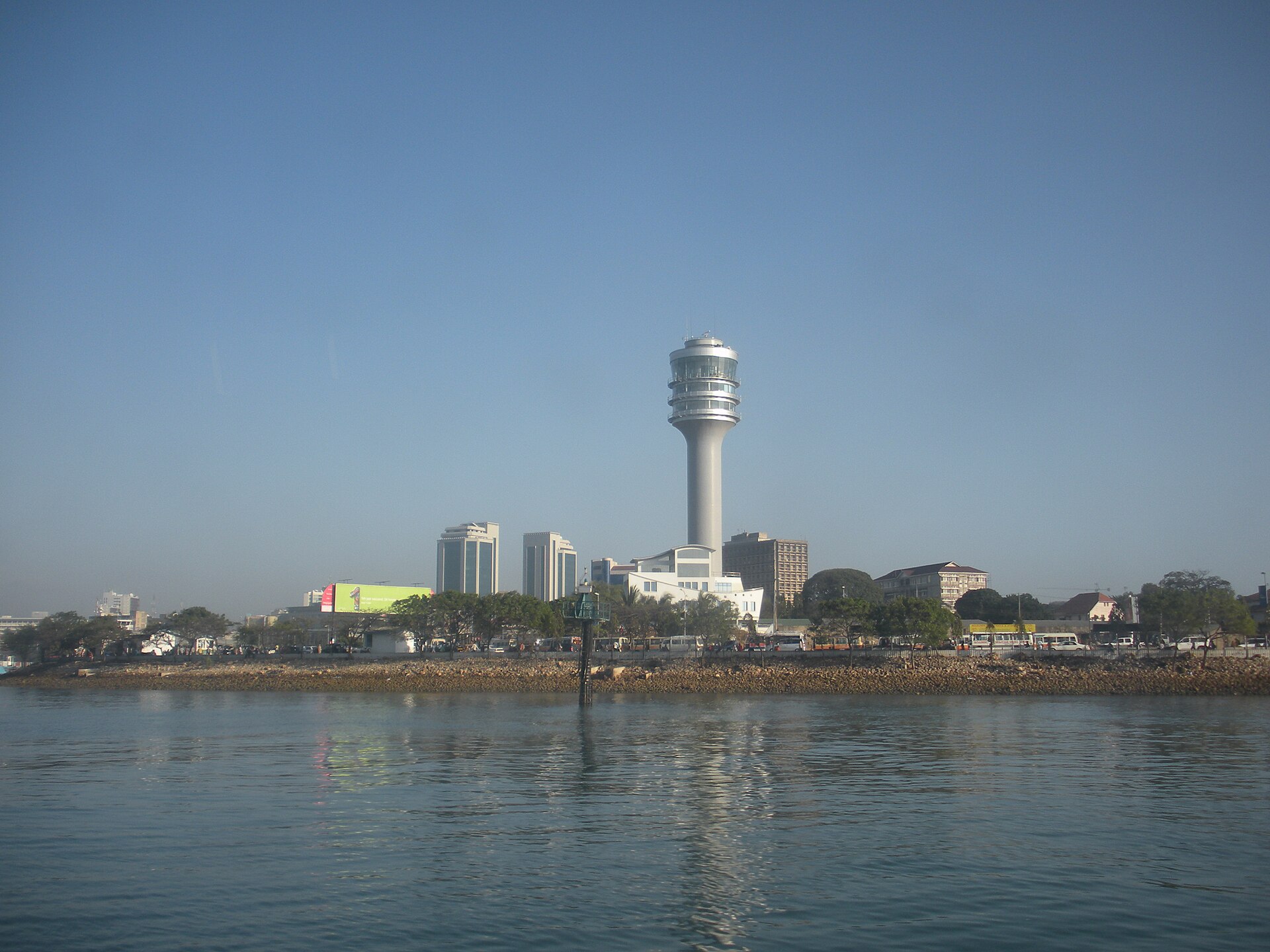
Utilities are modest. Basic utilities for a 915-square-foot flat averaged about US$57 a month, and fast home broadband about US$34. A cheap restaurant meal cost about US$1.89.
Adding the non-rent figure to rent gives a single retiree roughly US$660–1,030 a month. A couple in a central one-bedroom, doubling the non-rent costs, comes to about US$1,500 before health insurance.
These are planning estimates built from user-reported data, not official statistics. Reported central one-bedroom rents ranged from about US$227 to US$1,000, so the district you pick moves the total most.
Arusha and Stone Town: cheaper rent, thinner data
Arusha is the northern safari gateway, a regional city below Mount Meru. Numbeo’s Arusha data is thin: 43 entries from 5 contributors, last updated 19 June 2026.
On that small sample, a one-bedroom in the centre cost about US$284 a month and about US$236 outside. Basic utilities ran about US$28, broadband about US$47 and an inexpensive meal about US$3.42.
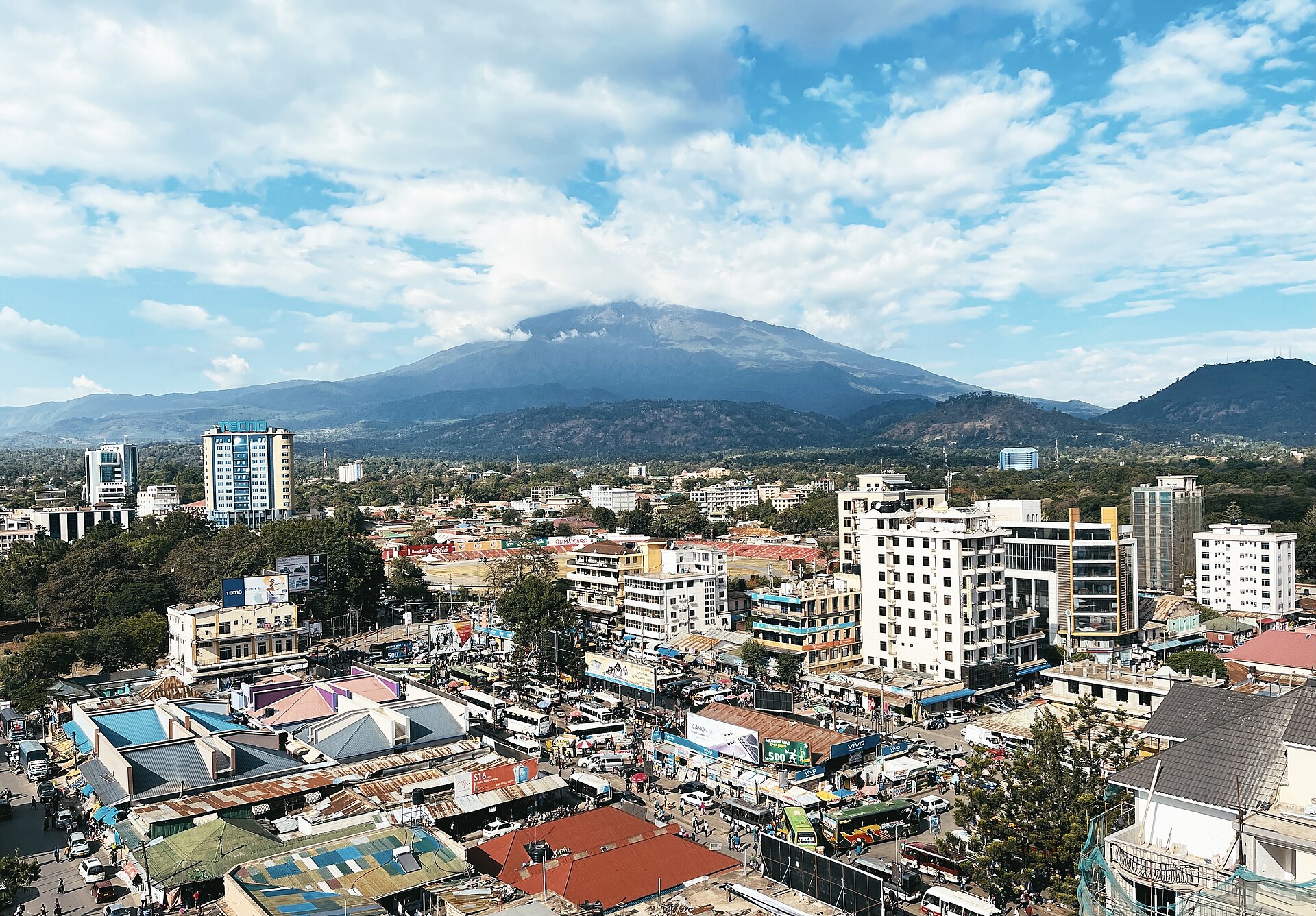
Numbeo publishes no single-person budget for Arusha. Using Dar es Salaam’s non-rent figure as a proxy, a modest single life comes to roughly US$700–750 a month including rent.
Stone Town is the old quarter of Zanzibar City and the islands’ historic centre. Numbeo’s Zanzibar data had 59 entries from 8 contributors, last updated 19 June 2026.
Island prices run higher for many goods. Numbeo showed a cheap meal at about US$4.73, utilities at about US$74 and broadband at about US$49. A litre of milk cost US$2.08, against US$0.84 in Dar es Salaam.
Its Zanzibar rent entries, US$100–200 a month, are too sparse to use. Treat them as a floor, not a quote, and compare several listings before signing.
Money, banking and tax
Since 28 March 2025, Bank of Tanzania rules require goods and services to be priced and paid in shillings. That includes contracts, so a new lease should be in shillings.
Foreigners may still use bank cards and digital payments, and should change cash at banks or licensed bureaux de change. A pension paid in dollars, pounds or euros is exposed to the shilling rate.
The permit and tax-number steps for a local account are set out in the bank account guide. The tax guide covers residence tests and rates.
Safety for retirees
As of 26 September 2026, the US State Department rates Tanzania Level 3, “Reconsider Travel”, in an advisory dated 31 October 2025. It cites unrest, crime, terrorism and the targeting of gay and lesbian people.
It says violent crime, including assault, robbery, mugging and carjacking, is common. It places the terrorism risk mainly in the Mtwara Region, on the southern border with Mozambique.
The UK Foreign Office advice, updated on 19 May 2026, covers the general election of 29 October 2025. It says protests and the security response caused deaths and injuries on the mainland. It warns further demonstrations are possible.
It reports armed robberies of tourists and residents in central Dar es Salaam and on the Masaki and Oysterbay peninsula. Coco Beach and Toure Drive are named too. In Zanzibar, incidents have occurred in Stone Town, at hotels and on tourist beaches.
The Foreign Office calls bag snatching from cars and motorbikes a well-known tactic, and advises against walking alone at night. Same-sex sexual activity is illegal in Tanzania, including Zanzibar. The safety guide has more.
How to plan a move
Start with a trial stay as a visitor. Then apply for C-2 from inside the country if you are 55 or older. Gather a pension letter, recent bank statements and a lease before you apply.
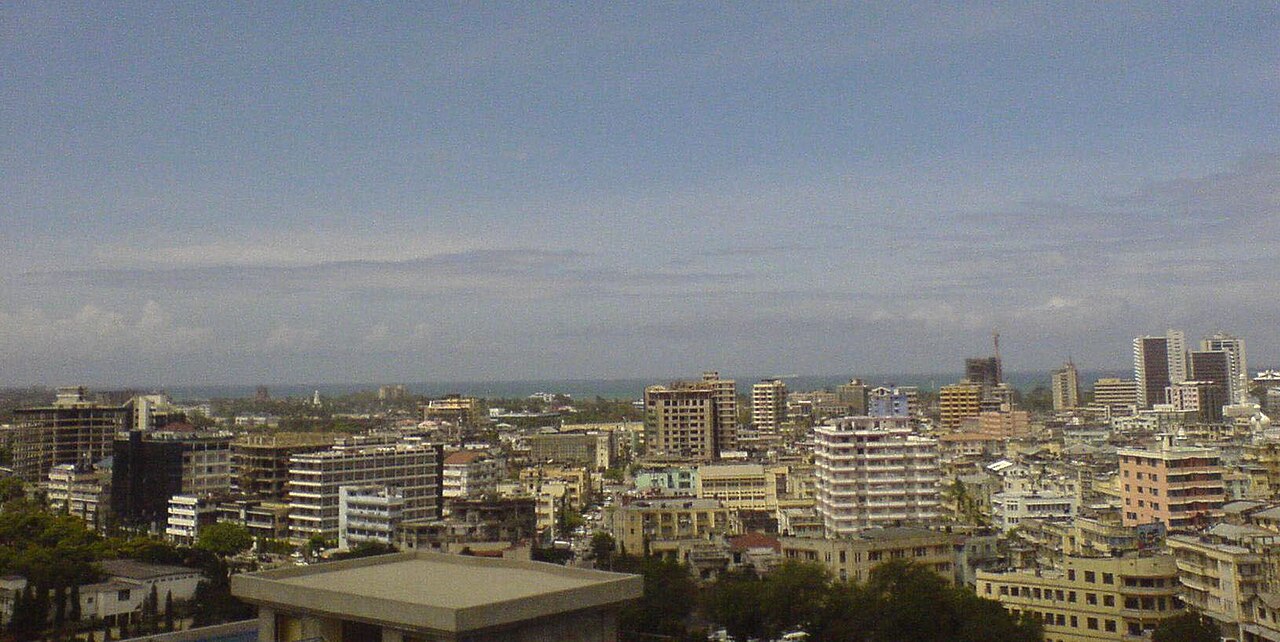
Choose the base by health care first. Dar es Salaam has the widest hospital choice, Arusha has cheaper rent, and Stone Town trades convenience for island life and higher prices.
Buy international health cover with evacuation before you arrive. Budget for renewal fees every two years and treat any property purchase as a separate decision from the right to stay.
For many foreigners who retire in Tanzania, the permit is the easy part. Health care, distance and a political climate that still carries post-election risk are the harder ones.
Connected Coverage
Tanzania Residency Visa 2026 — Class A, B and C Permits
Tanzania Now Requires Most Foreign Arrivals to Buy a US$44 Travel Policy
Is Tanzania Safe for Expats in 2026: A Level 3 With One Hotspot
Taxes in Tanzania for Expats 2026 — Residence Tests, PAYE Rates and Deadlines
Tanzania Explained: The Country, Its Politics, Its Economy and What to Watch
Sources: Permit categories, fees and procedures come from the Tanzania Immigration Services Department; exchange rates and currency rules from the Bank of Tanzania; land rules from the Tanzania Investment Centre; insurance rules from Government Notice 256 of 2026 as summarised by law firms; safety and health from the US State Department and UK Foreign Office; prices from Numbeo. All accessed 26 September 2026.
- immigration.go.tz
- immigration.go.tz
- bot.go.tz
- bot.go.tz
- tic.go.tz
- clydeco.com
- fbattorneys.co.tz
- travel.state.gov
- gov.uk
- gov.uk
- gov.uk
- assets.publishing.service.gov.uk
- numbeo.com
- numbeo.com
- numbeo.com
- open.er-api.com
- nbs.go.tz
What Is Not Known
It is not known whether foreigners who already hold a Tanzanian residence permit must buy the new US$44 mainland policy each time they return. The regulations exclude residents of EAC and SADC states, and Tanzania is itself an EAC member, but no official guidance confirms how that applies.
The start date for the mainland insurance rule has not been announced. Until it is, a retiree cannot know when airlines and border officers will begin checking for the policy.
The income an officer will accept as “assured” is not published. The department sets no minimum pension figure for the C-2 category, so approval depends on the documents and the officer.
Rents for foreigners in Arusha and Zanzibar are not reliably measured. Numbeo’s samples there come from 5 and 8 contributors, and no Tanzanian authority publishes an expat rent index.
The cost of international health insurance for a retiree in Tanzania is not known in general. Premiums depend on age, medical history and evacuation limits, and insurers price each case separately.
Frequently Asked Questions
Does Tanzania have a retirement visa?
No. Tanzania has no dedicated retirement visa. Retirees apply for Residence Permit Class C under category C-2, Retired persons, which requires an assured income and a minimum age of 55.
How much does the Tanzania retiree permit cost?
The C-2 permit costs US$500 for most foreigners and US$250 for East African Community citizens. Each applicant and dependant also pays US$50 for a re-entry pass, and a Dependant Pass for a spouse is listed at US$550.
How long is a Tanzanian residence permit valid?
Any class of residence permit is valid for a maximum of two years and may be renewed. The guidance offers retirees no permanent-residence track, so a long stay means repeated renewals.
Can I get residency in Zanzibar by buying property?
Category C-11 covers buyers of real estate. It costs US$500 and requires a property worth at least US$100,000, a recommendation from the Zanzibar Investment Promotion Authority, a title deed, tax clearance and police clearance.
How much does it cost to retire in Dar es Salaam?
Numbeo data to 24 September 2026 put a single person at about US$468 a month excluding rent. A one-bedroom flat averaged about US$562 in the centre and US$195 outside, so a single retiree needs roughly US$660 to US$1,030 a month before health insurance.
Is Tanzania safe for retirees?
The US State Department rates Tanzania Level 3, Reconsider Travel, citing unrest, crime, terrorism and the targeting of gay and lesbian people. The UK Foreign Office reports armed robberies in parts of Dar es Salaam and incidents in Stone Town and on tourist beaches.
This article was produced by The Rio Times’ automated newsroom system. How we use AI · Report an error
Part of our ongoing coverage
Africa: The New Scramble — the great-power contest over the continent.
Read More from The Rio Times