
Guides · Tanzania
Living in Tanzania as an expat costs the most where bills are paid in dollars: rent in Dar es Salaam’s Masaki and Oyster Bay districts and private school tuition, while buses and daily errands stay cheap. The Bank of Tanzania, the central bank, priced the shilling at 2,642.50 per US$1 (its mean rate) on Monday 9 November 2026, and annual inflation was 4.2% in October.
—The rate. On 9 November 2026 the central bank’s mean rate was 2,642.50 Tanzanian shillings per US$1.
—The prices. Annual inflation was 4.2% in October 2026, the latest official reading.
—The rent. Asking prices for a two-bedroom flat in Masaki run about US$1,200 to US$1,500 a month, unconfirmed.
—The schools. Dar es Salaam’s main international school charges about US$18,550 to US$38,510 a year.
—The safari. A day in Ngorongoro costs visitors US$70.80 and expatriates living in Tanzania US$35.40.
For a US reader the Tanzanian bill is really two bills. Rent and school fees follow the dollar, while buses and daily errands follow the shilling.
The Shilling and Prices in November 2026
The Bank of Tanzania listed a buying rate of 2,629.36 shillings and a selling rate of 2,655.65 shillings per US$1 on 9 November 2026. The mean of the two, 2,642.50, is the rate we use for every conversion in this guide.
Tanzania’s National Bureau of Statistics, the official statistics office, put annual inflation at 4.2% for October 2026 in its release of 9 November. That is the latest official reading of consumer prices.
The central bank’s policy interest rate, the Central Bank Rate, stands at 6.25% for the fourth quarter of 2026. A steady rate and moderate inflation mean the shilling price of daily goods is not jumping month to month, although the exchange rate can still move the dollar value of any local bill.
In Plain English
TZS means Tanzanian shillings, the local currency. DART is Dar es Salaam’s bus rapid transit system, buses with their own lanes, and the Ngorongoro Conservation Area is a protected highland reserve near Arusha with a famous volcanic crater.
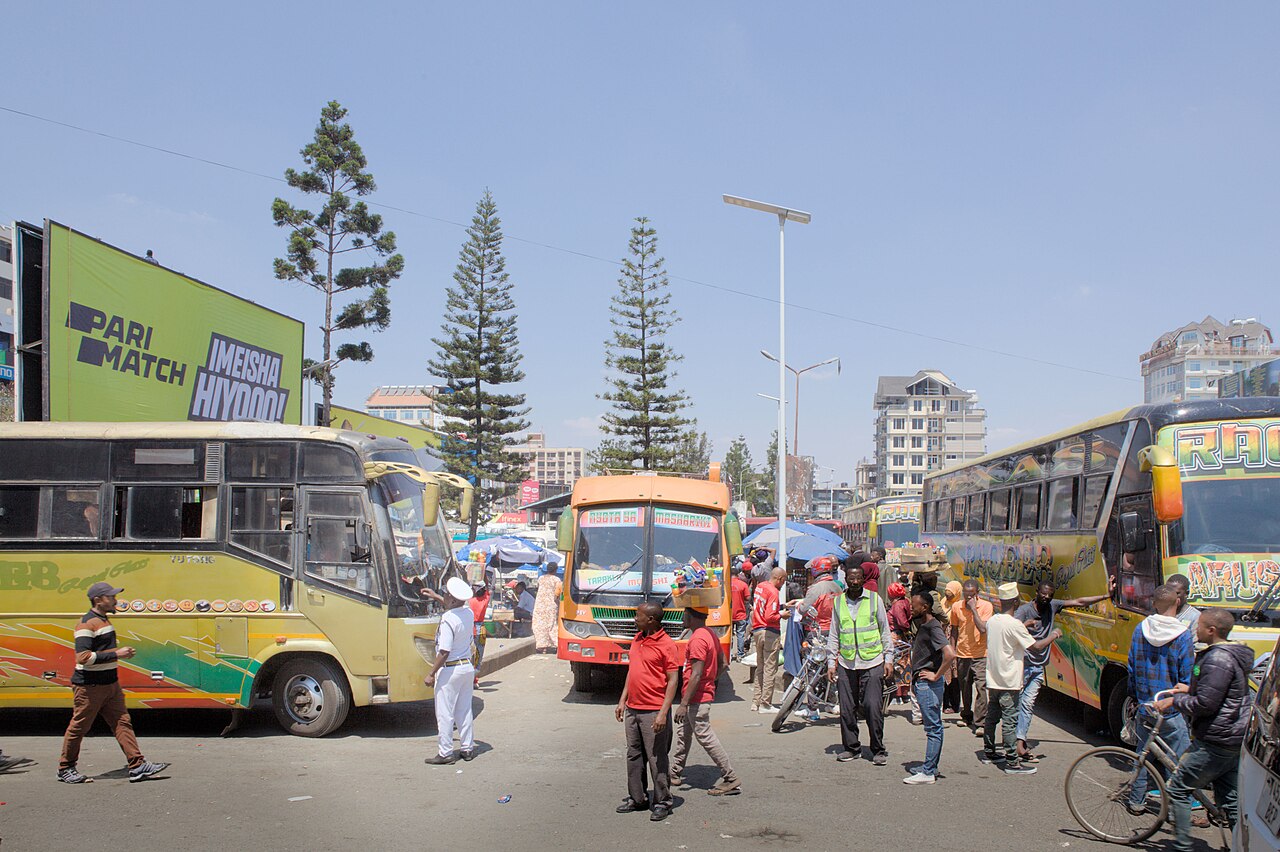
Dar es Salaam Rent in Masaki, Oyster Bay and Msasani
Masaki, Oyster Bay and Msasani are coastal districts north of the city centre that listing sites market to expats. The listings we found quote rent in US dollars, not shillings.
Tanzanian listing sites show asking prices of about US$1,200 to US$1,500 a month for a two-bedroom flat in Masaki, and about US$1,700 for a furnished one-bedroom. Three-bedroom homes in Oyster Bay and Masaki are listed at about US$2,200 and up to US$3,200 a month, and some landlords ask for six months in advance.
These are asking prices from agents and owners, not signed leases, so we report them as indicative and not confirmed. Agents may add a viewing fee or a commission on top, and the listing pages do not show a clear date.
Arusha Rent and Everyday Costs
Arusha is the northern safari hub, a cooler highland city at the foot of Mount Meru. We could not find a published 2025 or 2026 rent survey for Njiro, Sakina or the city centre, so we give no rent range for Arusha.
Our Arusha city page and the November guide to Arusha cover the neighbourhoods and the events calendar. Check any rent in person before you commit.
Schools Are the Biggest Bill for Families
The International School of Tanganyika (IST), Dar es Salaam’s best-known international school, publishes its 2026 to 2027 tuition in shillings. A year in Kindergarten to Grade 5 costs Tanzanian shillings (TZS) 71.8 million (about US$27,180), and Grade 6 to 8 costs TZS 83.2 million (about US$31,490).
Early childhood classes cost TZS 49.0 million (about US$18,550), Grade 9 and 10 cost TZS 88.5 million (about US$33,490), and the final two years, the International Baccalaureate Diploma (a two-year pre-university programme), cost TZS 101.8 million (about US$38,510). The school also lists an annual capital fee of TZS 3.18 million (about US$1,200) and, for new students, a building fee of TZS 26.5 million (about US$10,030) if paid in full.
Two children in primary grades therefore cost about TZS 143.6 million (about US$54,350) a year in tuition alone. That is roughly three to four times the yearly rent of the Masaki two-bedroom flats above, which is why school fees dominate a family’s budget.
We could not read the fee pages of other Dar es Salaam or Arusha international schools, so we do not quote them. Ask each school for its current fee schedule and its one-off charges.
Getting Around Dar es Salaam
DART, the bus rapid transit system, lists a main-line fare of TZS 1,000 (about US$0.38) and a feeder-bus fare of TZS 500 (about US$0.19). Students pay TZS 200 (about US$0.08).
A commuter who rides the main line twice a day for 22 working days pays TZS 44,000 (about US$16.65) a month. Taxi, ride-hailing and car-hire prices are not confirmed, so we give none.
Fuel is another cost drivers feel. Our report on Tanzania’s fuel subsidies covers pump prices, but we could not read the November price caps, so we give no per-litre figure.
Safaris Against Daily Costs
The Ngorongoro Conservation Area Authority, which runs the reserve, charges visitors from outside East Africa US$70.80 a day, and expatriates with valid immigration status US$35.40. Entering the crater costs a further US$295 per vehicle for each trip.
One day’s entry fee alone is more than four times the monthly main-line DART bill above. Residents get a half-price rate, so a long stay in Tanzania makes weekend safaris cheaper than a one-off tourist trip.
Tour operators list the national park fee in Serengeti and on Kilimanjaro at about US$83 per adult per day including 18% value-added tax, but we could not read the national parks authority’s own tariff, so treat that figure as reported, not confirmed. Our safari season guide explains the wet and dry months.
How Tanzania Compares With Nairobi
Our Nairobi cost of living guide shows the same split between a local budget and an international one. We have not compared the two cities line by line, because the rents and school fees come from different sources.
For the economy behind these prices, see who runs Tanzania’s economy. For Dar es Salaam events and neighbourhoods, see the November guide to Dar es Salaam.
What It Means for US Readers
If your income is in US dollars, the big Tanzanian costs, rent and school fees, are already priced in dollars, so a stronger dollar helps little there. It helps most with shilling-priced goods such as transport, meals and services.
A family should budget for school tuition first and rent second. A single person who skips international schools and rents outside the expat districts will face a very different bill.
What Is Not Known
We could not confirm Arusha rents, grocery and restaurant prices, electricity and fuel prices, taxi fares, or the fees of schools other than IST. We also have not confirmed visa and residence-permit fees, because the immigration service’s website did not load.
The Dar es Salaam rents above are asking prices, and the national park fee is reported but not read from the authority’s own tariff. The shilling rate changes daily, so convert again before you pay.
Frequently Asked Questions
How much does an expat need to live in Tanzania?
It depends on rent and schooling. A two-bedroom flat in Masaki is asked at about US$1,200 to US$1,500 a month (unconfirmed asking prices), and international school tuition runs from about US$18,550 a year.
What is the Tanzanian shilling rate against the dollar?
The Bank of Tanzania’s mean rate on 9 November 2026 was 2,642.50 shillings per US$1. Its buying rate was 2,629.36 and its selling rate 2,655.65.
Is Tanzania cheaper than Kenya for expats?
We have not confirmed a like-for-like comparison. Rents and school fees for both countries come from different sources, so we give each city’s figures separately.
How much is a bus ride in Dar es Salaam?
The DART bus rapid transit main line costs TZS 1,000 (about US$0.38) and feeder buses TZS 500 (about US$0.19). Students pay TZS 200 (about US$0.08).
Sources read on 9 November 2026: Bank of Tanzania exchange-rate page (https://www.bot.go.tz/ExchangeRate/excRates) and policy rate (https://www.bot.go.tz/); National Bureau of Statistics consumer price release (https://www.nbs.go.tz/statistics/topic/consumer-price-index-2026); Ngorongoro Conservation Area Authority tariffs (https://www.ncaa.go.tz/tariffs/); DART fares (https://www.dart.go.tz/fares); International School of Tanganyika tuition and fees (https://www.istafrica.co.tz/admissions/tuition-and-fees); Tanzanian property listing sites for asking rents; tour-operator tariff tables for national park fees.
This article was produced by The Rio Times’ automated AI newsroom. Editorial responsibility: Matthias Camenzind, Publisher and Editor-in-Chief. The Rio Times also runs Ask Rio Times, which answers from 100,000+ of our own articles, the daily Latin America Power Map, and prediction-market odds on elections and markets.. How we use AI · Report an error
Part of our ongoing coverage
Africa: The New Scramble — the great-power contest over the continent.
Expat Guide to Tanzania
What The Rio Times publishes for foreigners who live in or move to Tanzania.
Start here
- Retire in Tanzania: Zanzibar vs. Mainland, Residency and Real Costs
- Bank Account in Tanzania for Foreigners: Permits, Tax Number, Deposits From 20,000 Shillings
- Taxes in Tanzania for Expats 2026 — Residence Tests, PAYE Rates and Deadlines
- Tanzania Residency Visa 2026 for Class A, B and C Permits
City guides
Coming up in Tanzania
- Soundscapes Zanzi Brings House to Zanzibar 21 Jan
- Kilimanjaro Marathon Adds Comrades Qualifier 7 Feb
- Sauti za Busara 2027 Runs in Zanzibar From 19 to 21 March 19 Mar
- Africa Cup of Nations 2027 Qualifiers: Standings, Dates, TV 19 Jun
Understand Tanzania