IPU Arusha 2026: The Critical-Minerals Debate Meets South America’s Copper and Lithium Push
Key Facts
- The meeting. The 153rd Inter-Parliamentary Union Assembly runs 5 to 9 October 2026 at the Arusha International Conference Centre in Tanzania, with critical minerals and parliamentary oversight of extractive industries on the agenda.
- Chile–Argentina. Operating protocols for three cross-border Andes mining ventures were signed on 27 August 2026. Chile’s mining ministry projects the wider framework could unlock more than US$20.7 billion in investment and roughly 540,000 tonnes of additional annual copper — projections, not construction approvals.
- Brazil. A federal judge on 4 September suspended environmental licences and mining activity at Sigma Lithium’s Grota do Cirilo operation in Minas Gerais after a Quilombola federation’s lawsuit; Sigma disputes the ruling and has appealed.
- The African ledger. Africa holds roughly 30% of known critical-mineral reserves while capturing about 10% of global mineral revenues — an estimate widely cited in policy circles and echoed in the author’s submission.
- Tanzania. The 2,115 MW Julius Nyerere Hydropower Plant has added base-load capacity; manufactured exports rose 46% to about US$2.22 billion in the year to July, according to Tanzanian government figures as cited by the author.
When parliamentarians from more than a hundred countries convene in Arusha in October, the critical-minerals question on their agenda will already be playing out in practice: along the Andes, in Brazil’s lithium belt and in the African states that supply the energy transition’s raw materials.
The 153rd Inter-Parliamentary Union Assembly will bring legislators to Arusha, Tanzania, from 5 to 9 October 2026. Critical minerals and parliamentary oversight of extractive industries are on the program at a moment when both sides of the South–South axis are rewriting the rules of resource extraction. This analysis, submitted by Dar es Salaam-based researcher Jasper A. Kwayu and fact-checked against official and wire sources, traces where the two debates now overlap.
Why Arusha Matters Now
The IPU is the global organisation of parliaments, and its assemblies are where legislative practice — not executive policy — gets compared. The Arusha session is scheduled to include a new president of the organisation through its Governing Council, and the extractive-industry agenda items come at a time when resource-rich states on every continent are pressing parliaments to take a larger role in mining oversight.
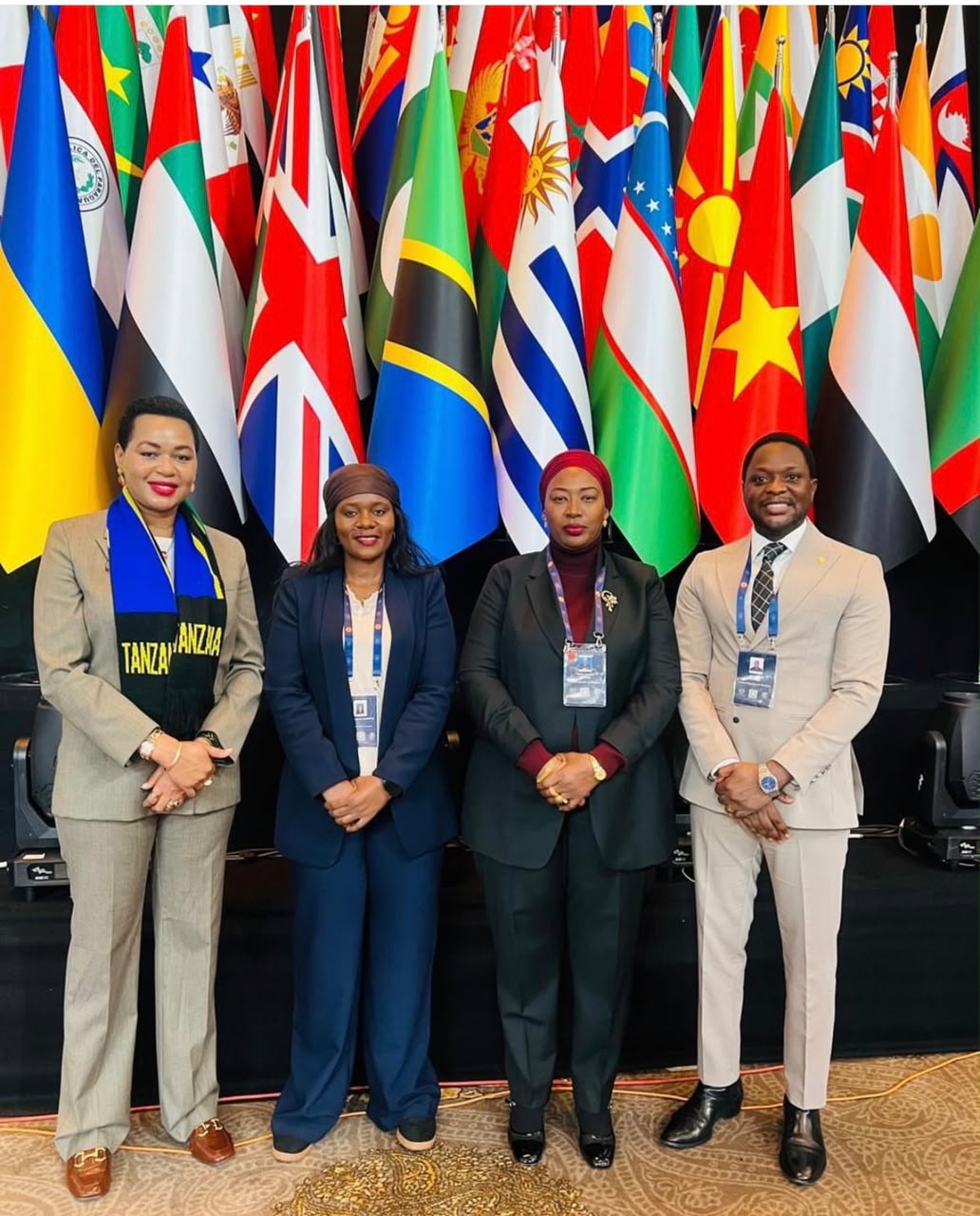
Tanzania itself illustrates why the venue is pointed. Host states rarely choose assembly themes at random, and Dar es Salaam has spent the past several years repositioning its mining sector: renegotiating legacy contracts, building domestic processing capacity and marketing the Julius Nyerere Hydropower Plant — at 2,115 MW one of sub-Saharan Africa’s largest power stations — as the energy backbone for industrialisation.
The Andes Side of the Story
Chile and Argentina signed operating protocols on 27 August 2026 for three cross-border mining ventures under their binational Mining Integration and Complementation Treaty, the framework first agreed in 1997 and implemented since 2000. The projects named in the protocols — Vicuña, NexoAndino and Filo del Sur — sit on the Andean divide, where ore bodies do not respect the border.
Chile’s mining ministry estimates the wider framework could unlock more than US$20.7 billion in investment and add around 540,000 tonnes to annual copper production. Those are long-term ministry projections, not construction commitments: the protocols clear a procedural path, and each project still faces its own permitting, financing and community-consultation road.
Even so, the signal matters. Copper prices have spent 2026 at record levels, and both governments are treating cross-border coordination as a way to shorten the path from discovery to production — precisely the bottleneck African producers describe from the other side of the ocean.
Codelco’s Slow-Motion Problem
Chile, the world’s largest copper producer, is also the clearest case that geology alone no longer guarantees supply. State miner Codelco has struggled with stagnant output and rising costs for years; its first-half 2026 production fell 11% year on year. A restructuring plan the company had signalled for October has not been confirmed on that timeline, and reporting around the plan has been inconsistent — this analysis treats its schedule as unresolved rather than delayed.
The contrast is instructive: while the ministry projects a new generation of Andes projects, the national champion that would anchor them is still repairing its own foundations.
Brazil: Lithium and the Quilombola Question
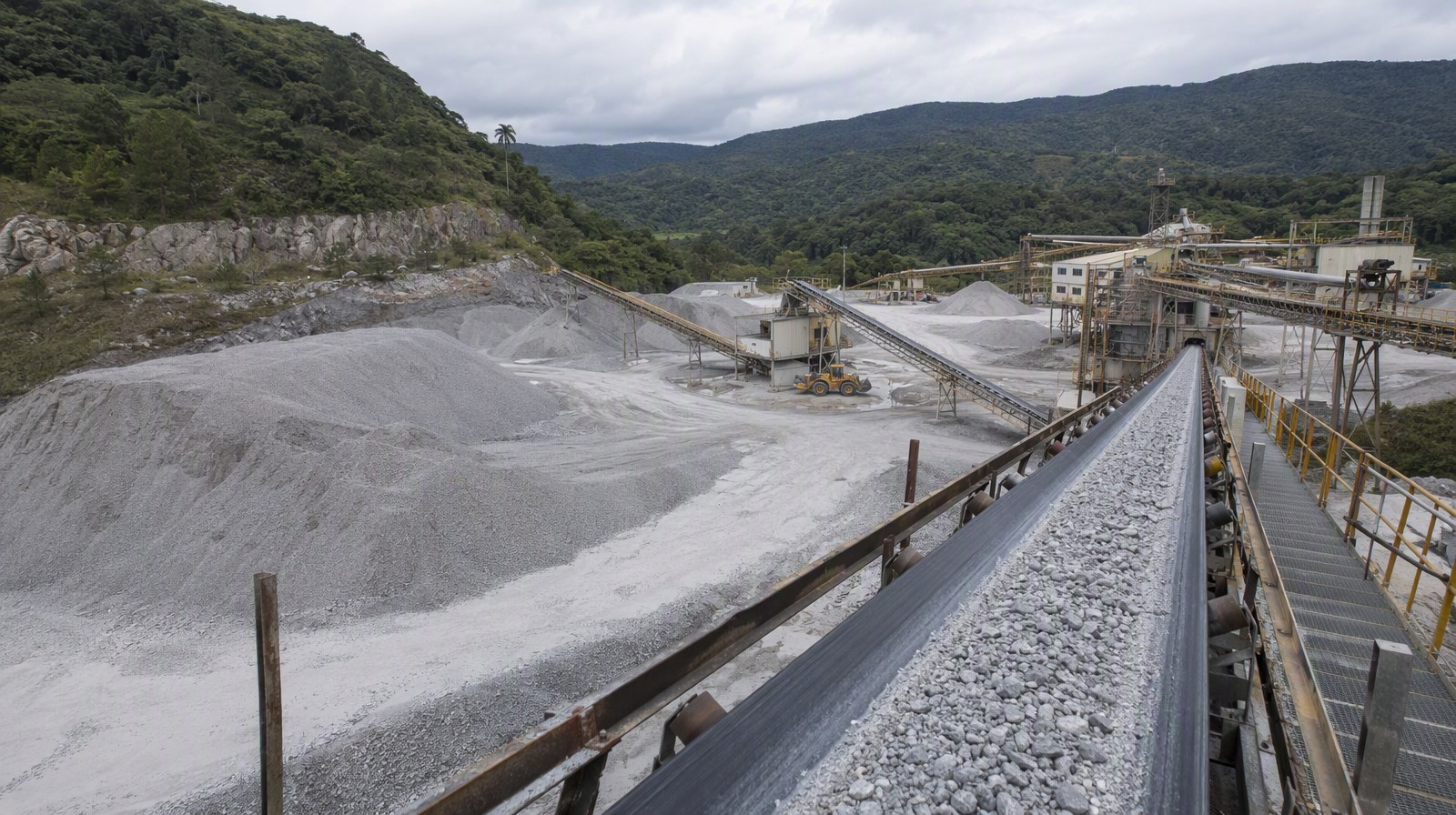
Brazil shows a different fault line in the same debate. On 4 September 2026, federal judge Antônio Lúcio Túlio de Oliveira Barbosa ordered the suspension of environmental licences and mining activity at Sigma Lithium’s Grota do Cirilo operation in Minas Gerais. The suit was brought by a federation representing Quilombola communities — descendants of Afro-Brazilian settlements — and centres on the project’s proximity to the Baú community, roughly 2.7 kilometres away.
The legal core is a 2015 ordinance rule requiring stronger consultation for projects within eight kilometres of traditional Quilombola territories. The judge also ordered independent georeferencing to establish the exact distances. Sigma disputes the ruling — it argues the decision ignored due process and that the project lies outside the impact zone — and has announced appeals. Licensing for new projects in Minas Gerais has been frozen pending the review.
Whatever the appeals court decides, the case has already moved the goalposts: in both South America and Africa, community-consultation standards are becoming the de facto licence condition, applied by courts rather than ministries.
The African Ledger
Africa holds roughly 30% of the world’s known critical-mineral reserves yet captures only about 10% of global mineral revenues — a gap that has become the organising statistic of the continent’s mining policy. The figures are estimates rather than audited numbers, but their direction is not contested: extraction happens on the continent, processing and margin largely do not.
Several governments are trying to close that gap through domestic-processing requirements, state participation and tighter oversight of mining contracts. According to Kwayu’s submission, Rwanda has recently taken a 25% stake in a tungsten-processing venture, and the Democratic Republic of Congo has expanded state control over geological data while negotiating strategic mineral partnerships with international investors. These are the author’s accounts; The Rio Times could not independently verify them against official sources at the time of publication, and they are published here as attributed claims.
Tanzania’s own numbers point the way host governments want the story told: the 2,115 MW Julius Nyerere plant came online as the power anchor for industrialisation, and manufactured exports rose 46% to about US$2.22 billion in the year to July, according to Tanzanian government figures as cited by the author. The additional power is being directed partly at mineral processing — the exact step where the 30-to-10 gap is won or lost.
What the Assembly Can and Cannot Do
The IPU Assembly will not negotiate mining contracts, and it issues no binding rules. What it does is more gradual: it sets the reference frame legislators take home. Sessions on extractive-industry oversight push four questions into national parliaments — who captures value, how communities are consulted, how environmental standards are enforced, and how public institutions supervise resources expected to underpin the global energy transition.
Those four questions are now live on both sides of the Atlantic with unusual simultaneity. The Andes protocols, Codelco’s restructuring, the Sigma ruling and Africa’s processing push are not parallel stories; they are the same negotiation over the rules that apply after the geology is settled.
Frequently Asked Questions
When and where is the 153rd IPU Assembly?
From 5 to 9 October 2026 at the Arusha International Conference Centre in Arusha, Tanzania.
What are the Chile–Argentina mining protocols?
Operating protocols signed on 27 August 2026 for three cross-border Andes ventures under the 1997 Mining Integration and Complementation Treaty. They clear a procedural path; the Chilean mining ministry projects the wider framework could unlock over US$20.7 billion in investment and around 540,000 tonnes of additional annual copper, figures that are long-term projections rather than construction commitments.
What happened to Sigma Lithium’s Grota do Cirilo project?
On 4 September 2026 a Brazilian federal judge suspended its environmental licences and mining activity after a lawsuit by a Quilombola federation, citing proximity to the Baú community and ordering independent georeferencing. Sigma disputes the ruling and has appealed; new licensing in Minas Gerais is frozen pending review.
Why does the IPU debate matter for South America?
The Assembly does not set mining rules, but it shapes how parliaments worldwide oversee extractive industries. The same questions — value capture, community consultation, environmental enforcement and state oversight — are currently being decided by courts and governments from Minas Gerais to the Andes to the African copperbelt.
Sources
Inter-Parliamentary Union — 153rd Assembly, Arusha · BNamericas / Mining.com / S&P Global Market Intelligence reporting on the Chile–Argentina protocols and Codelco, August–September 2026 · Reuters and InfoMoney reporting on the Sigma Lithium ruling, 4–6 September 2026 · Submission by Jasper A. Kwayu, Inafrika Providence (17 September 2026), for the Rwanda, DRC and Tanzania export figures, published as attributed claims
Connected Coverage
Following the resources-and-policy debate across two continents? Our Africa coverage tracks mining, energy and markets from the copperbelt to the Andes.
Sources: IPU (ipu.org), BNamericas, Mining.com, S&P Global, Reuters, InfoMoney; submission by Jasper A. Kwayu (17 September 2026). Consulted 18–19 September 2026.
Read More from The Rio Times