Sudan US Visa Row Keeps Burhan From the UN General Assembly
SUDAN · GEOPOLITICS
Key Facts
- —What happened Sudan’s UN ambassador says Washington issued no visas for Abdel Fattah al-Burhan or his delegation.
- —The catch The United States has not confirmed a refusal, saying it does not discuss individual visa cases.
- —The claim Unnamed sources told Reuters the visa was tied to a 90-day ceasefire plan.
- —UN response The Secretary-General is deeply concerned and urges the host country to issue the visa.
- —His title Burhan chairs the Transitional Sovereignty Council and commands the Sudanese Armed Forces.
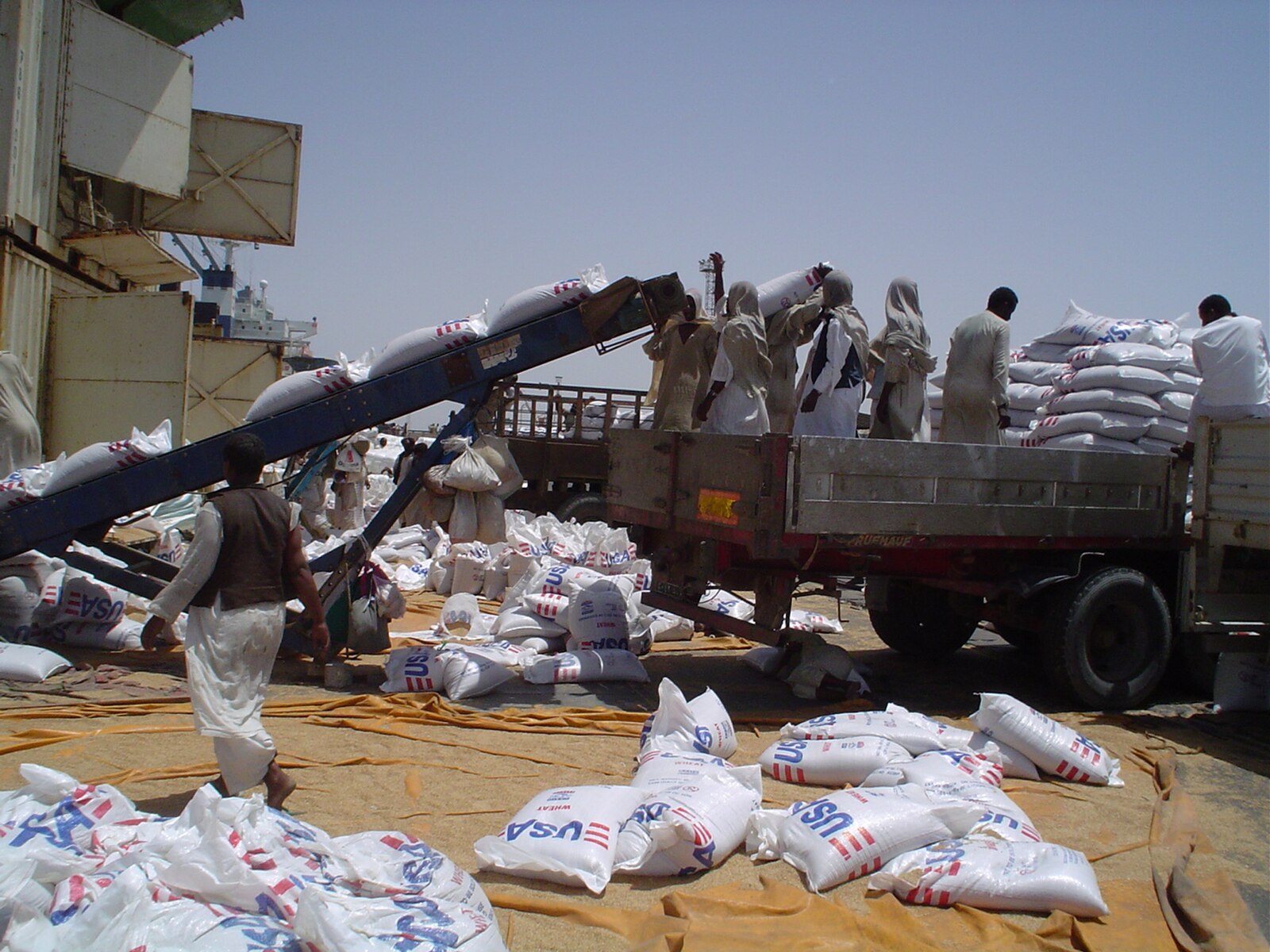
- —The war More than 30 million Sudanese need aid after three years of fighting.
Sudan’s ambassador to the United Nations says Washington issued no visas for the delegation. US officials will not discuss the case.
A Sudan US visa row has kept army chief Abdel Fattah al-Burhan from the United Nations General Assembly in New York. Sudan’s ambassador to the UN says no visas were issued for him or his delegation.
What the Sudan US Visa Row Is About
Sudan’s ambassador to the United Nations, Al-Harith Idriss, wrote to Secretary-General António Guterres on Monday 21 September. He said Washington had not issued visas for Burhan or his official delegation.
In the letter he warned that, if this continued, it would prevent a head of state from taking part in person. Burhan was due to address the Assembly on Thursday 24 September.
The United States has not announced any refusal. A State Department spokesman said the department does not comment on individual visa cases.
Who Is Making the Claim
The link to a ceasefire plan comes from Reuters, which cited a Sudanese diplomatic source and a Western analyst. Neither was named.
The analyst was described only as close to American and Sudanese officials. No US or Sudanese official has said on the record that the visa was conditional.
The named voices are fewer. Sudan’s ambassador confirmed the visas were missing, and the UN confirmed it had raised the matter with Washington.
State Department spokesman Tommy Pigott said Washington stands ready to work with any serious partner for peace in Sudan. He did not discuss the visa.
What the United Nations Said
UN spokesman Stéphane Dujarric said the Secretary-General is deeply concerned that a visa has reportedly not yet been issued. He referred to Burhan by his council title.
Guterres urged the host country to ensure a visa is issued under its obligations in the headquarters agreement. The Secretariat said it raised the matter with US authorities at once.
The UN added that full participation of all delegations is essential to the organisation working properly. It has not said the United States broke the agreement.
Host Country Rules and Past Cases
The 1947 headquarters agreement between the United Nations and the United States governs access to the New York site. Section 11 says US authorities shall not impede transit to or from the headquarters district.
Washington has long claimed a security reservation attached when Congress approved the agreement. It says that lets it control who enters the country outside the UN district.
In 1988 the United States refused a visa to Palestine Liberation Organization leader Yasser Arafat. The General Assembly moved that debate to Geneva and voted 151 to 2 that the refusal broke the agreement.
Iran has faced similar steps. Washington refused a visa to its chosen UN ambassador in 2014 and delayed one for its foreign minister in 2020.
The Ceasefire Plan at the Centre
The plan is a 90-day humanitarian truce promoted by Massad Boulos, the US senior adviser for Arab and African affairs. It grew out of a statement by the United States, Saudi Arabia, the United Arab Emirates and Egypt in 2025.
The truce would open aid routes, protect civilians and lead to talks on a permanent ceasefire. A civilian-led transition and elections would follow.
Sudan’s army filed reservations over the summer and asked that the paramilitary Rapid Support Forces leave the cities they hold. Washington wanted the guns to stop without preconditions.
Burhan set out his position in Foreign Policy on 21 September. He wrote that peace dictated from outside does not last, and said earlier pauses let the Rapid Support Forces regroup.
The War Behind the Standoff
Burhan chairs Sudan’s Transitional Sovereignty Council and is commander-in-chief of the Sudanese Armed Forces. He has led the country in practice since 2019.
The army has fought the Rapid Support Forces since April 2023. The Armed Conflict Location and Event Data Project has recorded more than 58,000 deaths in that time.
Researchers believe the real toll is far higher. UN rights officials recorded more than 6,000 deaths in three days when the Rapid Support Forces took El Fasher last year.
The United Nations said in August that more than 30 million people need help. More than nine million are displaced inside Sudan, and over four million have fled abroad.
A US$3 billion aid appeal for Sudan was about 40 percent funded in August.
Why This Matters for Business in Africa
Sudan sits on the Red Sea, beside Egypt, Chad, Libya, Ethiopia and South Sudan. Shipping, gold, gum arabic and cross-border trade all run through or near the country.
The Sudan US visa row is a reminder that recognition matters for contracts, banking and sanctions checks. Firms need to know which authority counts as Sudan’s government when they sign or pay.
Several things are not known. Washington has not said whether the visa was refused, delayed or still under review, and it has not confirmed any ceasefire condition.
It is also unclear whether Sudan will pursue the dispute through the UN committee that handles host country complaints. Sudan has asked the Secretary-General to intervene, and has not said what it will do next.
Watching US statements and UN host country meetings will show whether this hardens or fades. For now the talking continues, and the door to New York is not formally shut.
Frequently Asked Questions
Has the United States confirmed it refused Burhan a visa?
No. The State Department says it does not comment on individual visa cases, and it has announced no refusal.
What did the United Nations say?
Spokesman Stéphane Dujarric said Guterres is deeply concerned, and urged the host country to issue a visa under the headquarters agreement.
What is the 90-day ceasefire plan?
It is a US-backed humanitarian truce that would open aid routes, then lead to talks on a permanent ceasefire and a civilian-led transition.
Connected Coverage
Sudan War 2026: What Is Happening, Who Is Fighting, and What Comes Next
Sources: Reported from the United Nations spokesperson’s briefing and Sudan’s letter to the Secretary-General, with coverage by The National, Al Arabiya, Sudan Tribune, Darfur24, Middle East Monitor and the Washington Examiner, and figures from UN News, the Armed Conflict Location and Event Data Project and the New York City Bar Association.
This article was produced by The Rio Times’ automated newsroom system. How we use AI · Report an error
Read More from The Rio Times