Sudan Explained 2026, a Newcomer Guide to the Country
SUDAN · COUNTRY GUIDE
Key Facts
- —What it is Sudan is Africa’s third-largest country by area, occupying roughly 1.9 million square kilometres between the Sahara and central Africa’s savannahs.
- —Why it matters Sudan connects North Africa, the Horn of Africa, the Sahel and the Red Sea, with ports, gold deposits and farmland of strategic importance.
- —The numbers The UN recorded a population of approximately 47.5 million in 2024, while the World Bank estimated about 51.7 to 52 million in 2025.
- —The catch A civil war that began in April 2023 has fragmented state authority, displaced millions and left formal institutions with incomplete practical control.
- —What it means for you For foreigners, Sudan in 2026 is a country of resource potential and serious risk, where daily life depends heavily on location and security.
Sudan explained simply: it is a vast Nile-centred country of roughly 47.5 million people whose formal institutions exist alongside a continuing civil war. Understanding Sudan in 2026 means grasping its geography, its fragmented authority and an economy that is both damaged and partially recovering.
Sudan sits at the crossroads of North Africa, the Horn of Africa and the Red Sea. This guide explains what a newcomer, investor, expat or curious reader needs to know about the country as of September 2026.
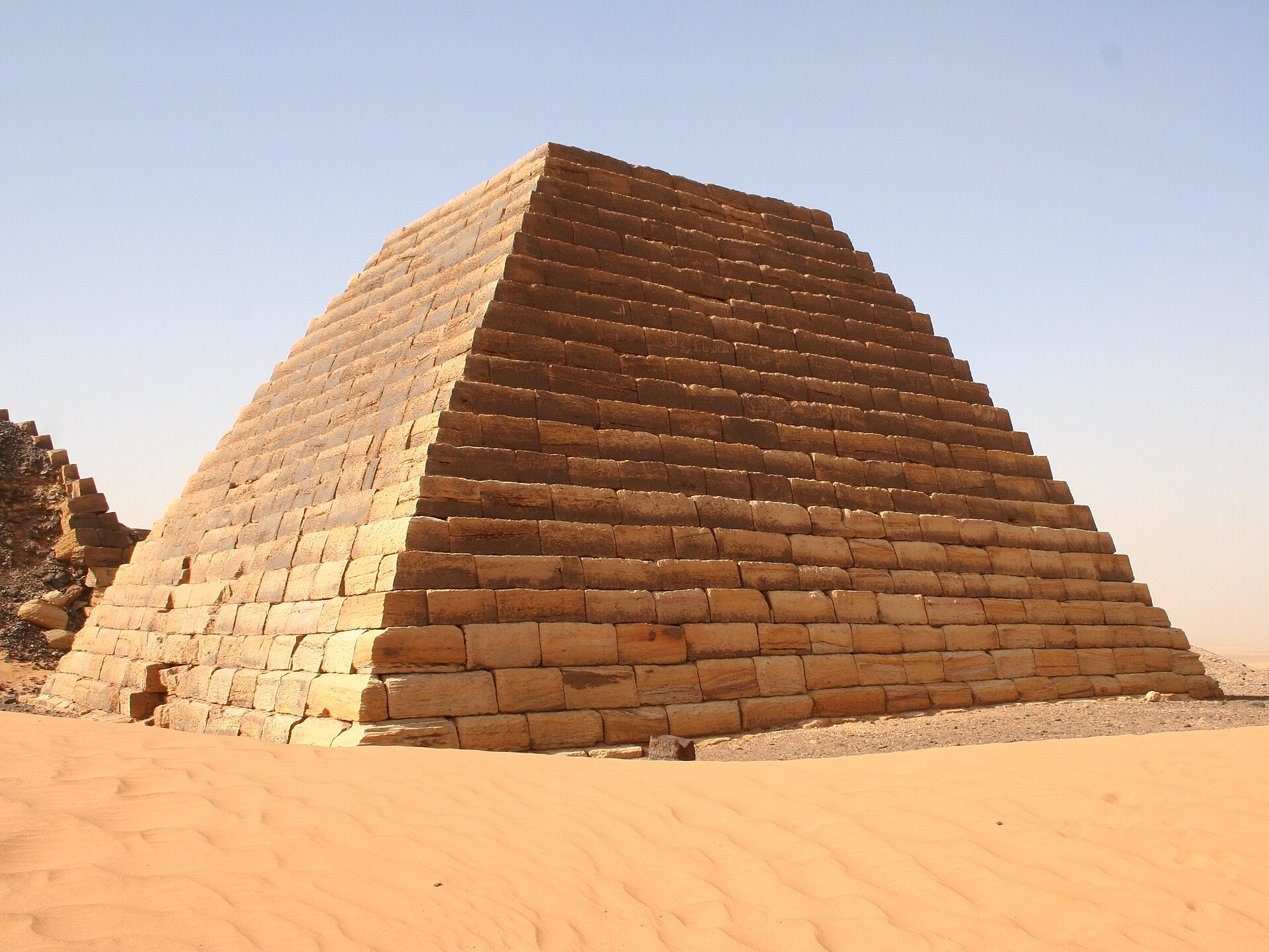
Geography: a country built around the Nile
Sudan’s geography is defined by the Nile system. The White Nile flows north from South Sudan, while the Blue Nile enters from Ethiopia. They meet at Khartoum before continuing through northern Sudan and into Egypt.
This river corridor supports the country’s densest settlement, irrigated agriculture, transport routes and historic urban centres. The north is largely desert and semi-desert, including the Nubian Desert. Central Sudan contains the Nile valley and major agricultural zones.
The west includes the Sahelian belt and Darfur, while the south is greener and more closely linked ecologically to South Sudan. The Red Sea coast gives Sudan access to Port Sudan, its principal wartime administrative and commercial gateway.
Sudan borders Egypt, Libya, Chad, the Central African Republic, South Sudan, Ethiopia and Eritrea. Its position connects North Africa, the Horn of Africa, the Sahel and the Red Sea. Its ports, gold deposits, agricultural land and proximity to Egypt, Ethiopia and the Arabian Peninsula make it strategically important well beyond its economic size.
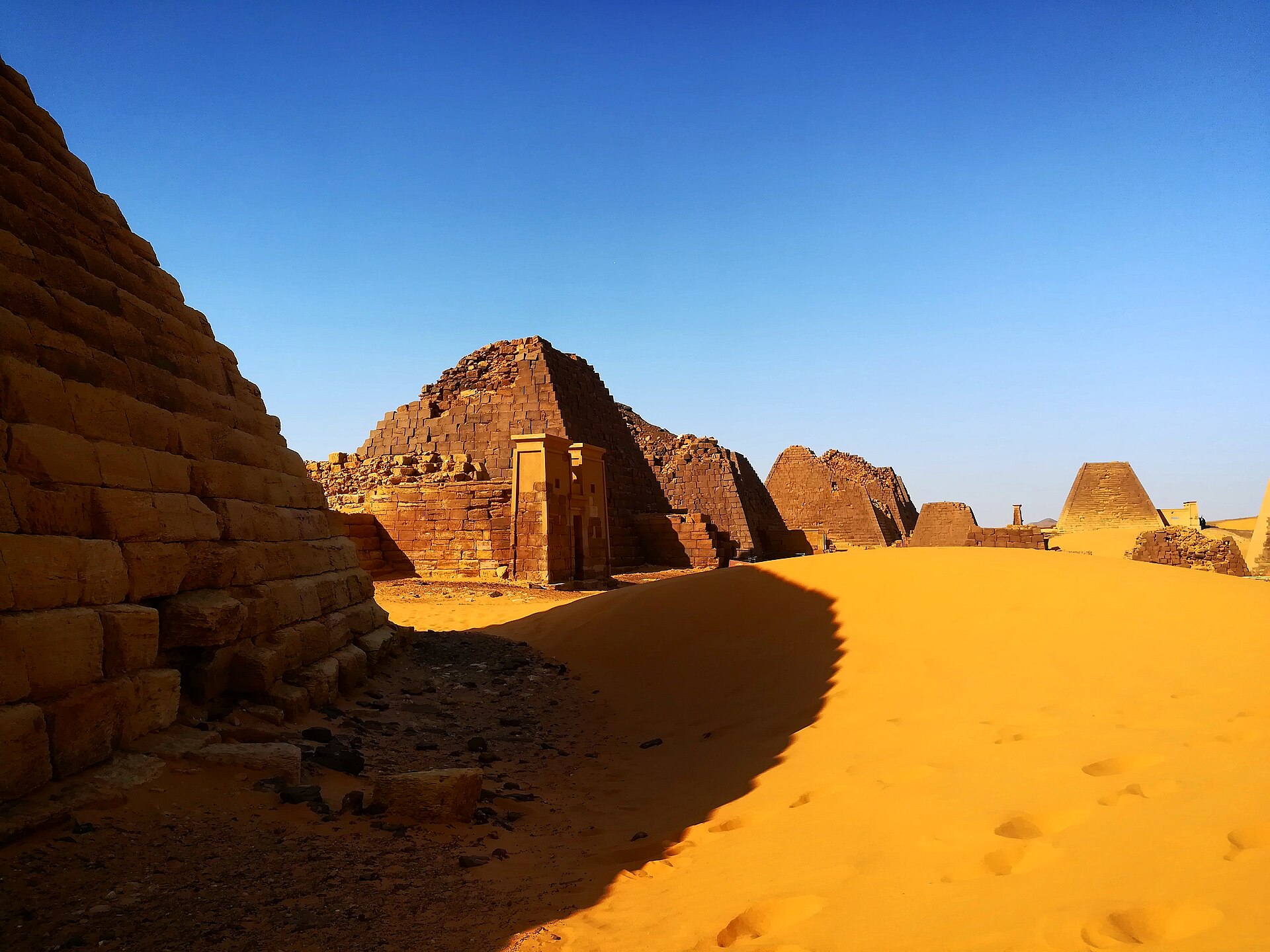
People and identity
Sudan is not a single ethnic or cultural bloc. Its population includes Arab-identifying communities, Nubians, Beja peoples in the east, Fur, Masalit, Zaghawa and other communities in Darfur, Nuba peoples in South Kordofan, and many additional groups. The term “Arab” in Sudan may describe language, genealogy, cultural identity or political affiliation. It does not erase the country’s considerable ethnic and linguistic diversity.
Arabic is the principal language of public life and inter-community communication. Sudanese Arabic is distinct from the varieties spoken in Egypt, the Gulf and the Levant. English remains important in higher education, diplomacy, professional life and some official contexts. Local languages remain central to family life and community identity.
The population is young. The UN country programme document states that approximately 31% of the population was aged 10 to 24 in the 2024 dataset. It also records a population composition of approximately 51% female and 49% male.
Islam is the majority religion, with Sufi traditions historically influential. Christian communities and followers of traditional beliefs are also part of Sudan’s social fabric. Religious identity, regional background, tribal affiliation, class and urban-rural experience all shape how Sudanese people understand themselves.
Political system: a transitional state under wartime conditions
Sudan’s modern political crisis began with the removal of President Omar al-Bashir in 2019. A civilian-military transitional arrangement followed, but it was disrupted by the October 2021 military takeover. In April 2023, fighting erupted between the Sudanese Armed Forces, led by General Abdel Fattah al-Burhan, and the Rapid Support Forces, led by General Mohamed Hamdan Dagalo, commonly known as Hemedti.
The conflict has produced rival centres of authority, fragmented territorial control and competing claims to state legitimacy. The army-aligned government has operated from Port Sudan and other eastern locations while seeking to restore administrative control in Khartoum and other areas. The RSF has controlled or contested extensive areas, particularly in the west, although front lines have changed.
The formal state structure includes a head of state, a cabinet and ministries, but normal constitutional government has not been restored. For a newcomer, Sudan should therefore be understood as a country with formal national institutions but incomplete and contested practical authority.
The official government website identifies Professor Kamil Idris as prime minister. The cabinet roster lists ministers including Hassan Daoud Kabroun for defence, Police Lt. Gen. Babiker Samra Mustafa for interior, Dr Abdullah Mohammed Darf Ali for justice, Dr Jibril Ibrahim Mohammed for finance, and Khalid Ismail Ahmed Ali Al-Aiser for culture, information and tourism. The roster leaves the posts of Minister of Cabinet Affairs and Minister of Religious Affairs and Endowments blank. Government pages should be checked before publication because wartime reshuffles and changes in administrative control can make officeholder information rapidly obsolete.
The economy: agriculture, gold and survival under inflation
Sudan’s economy traditionally rests on agriculture, including sorghum, millet, wheat, sesame, groundnuts, cotton and livestock. Gold mining is now one of the most important sources of export earnings and foreign exchange. Livestock, with cattle, sheep, goats and camels, is traded domestically and across borders.
Oil was historically central but declined sharply after South Sudan became independent in 2011. Port and transit activity through the Red Sea, remittances and informal commerce are essential for household survival. The war has damaged farms, factories, banks, roads, warehouses, electricity networks and supply chains. It has also divided markets between areas controlled by different forces.
Formal banking has been disrupted, while cash, mobile transfers, foreign currency and informal exchange markets have become more important. The World Bank estimates that real GDP rebounded by 3.1% in 2025, after severe contractions in 2023 and 2024. It projects 5.5% growth in 2026, attributing the improvement to better security in some areas, the partial return of displaced people, resumed agricultural activity, improved trade routes and the reopening of local markets.
That projected recovery should not be mistaken for broad prosperity. The same World Bank assessment estimates that extreme poverty rose from 48% of the population in 2023 to 59% in 2025, using a threshold of less than US$3 per day. The UN’s Sudan programme document reports 30.4 million people needing humanitarian assistance in 2025, more than half the population in its reference estimate.
Inflation remains a central economic fact. Official data put Sudan’s inflation at about 143% in May 2025, while the World Bank reported that year-on-year inflation had fallen to 68.2% by December 2025, from a peak of 218% in August 2024. These figures use different months and methodologies. They should not be treated as contradictory measurements of the same period.
The World Bank lists 2025 GDP at approximately US$60.2 billion and GDP per capita at about US$1,164.50 in current dollars. World Bank Data360 gives a similar per-capita figure and a 2025 population of roughly 52 million. Currency conversion is difficult because official and parallel-market exchange rates have diverged, and the Sudanese pound has lost substantial purchasing power.
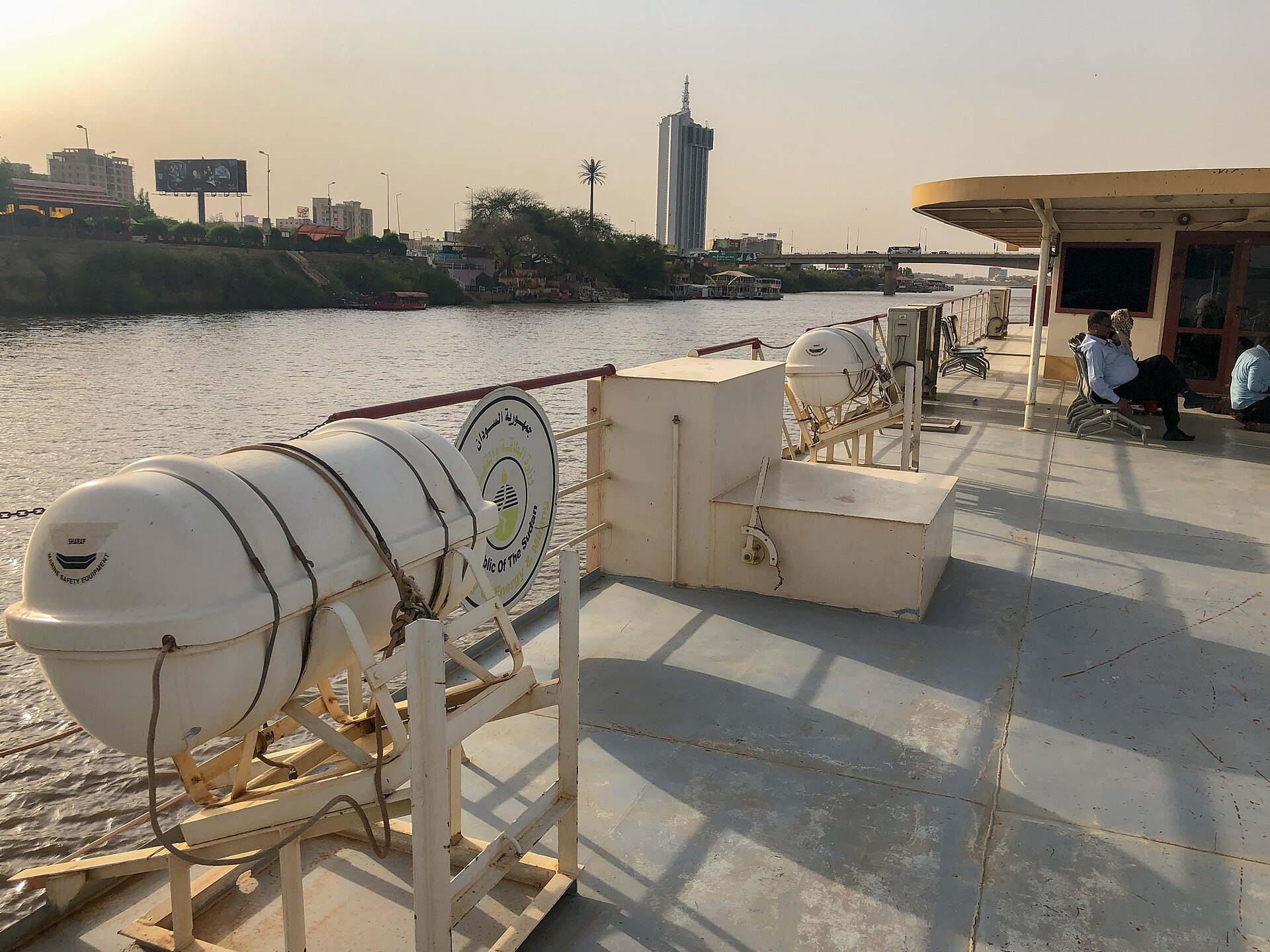
Gold and the investor perspective
Gold is among Sudan’s most important economic assets, but the sector is difficult to evaluate transparently. Production comes from industrial, traditional and artisanal mining. Much of the trade occurs through informal channels, and the war has increased the importance of gold as a source of hard currency for armed actors, traders and state-linked institutions.
For investors, the key distinction is between resource potential and bankable, legally secure investment conditions. Sudan has attractive deposits and a strategically valuable location, but investors face conflict and territorial fragmentation, sanctions and compliance exposure, weak contract enforcement, currency and repatriation risk, infrastructure damage, disputed licensing and ownership, limited reliable corporate disclosure, and serious political and security risk.
A company or fund considering Sudan should verify concessions directly with the relevant ministry and regulator. It should conduct enhanced beneficial-ownership and sanctions screening, and distinguish government announcements from independently audited production and revenue data.
Society and daily life
Daily life varies sharply by location, income and security conditions. In comparatively secure areas, markets, schools, clinics, transport and offices may operate in limited form. In active conflict zones, these systems may be absent or intermittent.
Housing and urban life
Khartoum was Sudan’s principal political, commercial and professional centre before the war. It is a metropolitan area formed around the meeting of the Blue and White Nile and includes Khartoum, Omdurman and Khartoum North. Fighting and displacement severely damaged the capital’s housing stock, utilities, hospitals, businesses and public administration.
Port Sudan became the main hub for government activity, international relief operations, shipping and diplomatic access during the conflict. Other important centres include Wad Madani, Kassala, Gedaref, Atbara, El Obeid, Nyala and cities across Darfur, although security conditions differ substantially among them.
Food
Sorghum and millet are staple grains, especially outside the wealthier urban population. Bread, beans, lentils, okra, meat and dairy are common components of Sudanese diets. Tea and coffee are widely consumed, and social hospitality is important. Food availability and prices, however, depend heavily on local harvests, road access, displacement and market control.
Transport
Before the war, road, bus and air connections linked major cities, while river transport and the railway retained historical importance. Conflict has made travel dangerous and unpredictable. Checkpoints, damaged bridges, fuel shortages, insecurity and changing front lines can alter travel times or make journeys impossible.
What to watch in Sudan
Anyone following Sudan should watch the front lines between the Sudanese Armed Forces and the Rapid Support Forces, because territorial control shapes everything from market access to humanitarian delivery. The status of Khartoum and the western regions remains central to any political settlement.
Economic indicators matter too. The World Bank’s projected 5.5% growth for 2026 is a recovery from a low base, not a sign of stability. Inflation figures from official data and the World Bank should be read with their reference months and methodologies in mind.
For foreigners, the practical question is whether a specific location is secure enough for travel, work or investment. Government officeholder lists should be checked before any engagement, because wartime reshuffles are common. Sudan in 2026 is a country of deep history, considerable resources and unresolved conflict. Understanding it requires patience, caution and attention to who controls what on the ground.
Frequently Asked Questions
Where is Sudan located?
Sudan is in north-east Africa, bordering Egypt, Libya, Chad, the Central African Republic, South Sudan, Ethiopia and Eritrea. It has a Red Sea coastline and covers roughly 1.9 million square kilometres.
What is the population of Sudan in 2026?
The UN recorded a population of approximately 47.5 million in its 2024 dataset. The World Bank estimated about 51.7 to 52 million in 2025, with the difference reflecting methodology, displacement and the absence of a recent census.
Who is the current prime minister of Sudan?
The official government website identifies Professor Kamil Idris as prime minister as of September 2026. The cabinet roster should be checked before any engagement because wartime reshuffles are common.
What is the main cause of Sudan’s current crisis?
Fighting erupted in April 2023 between the Sudanese Armed Forces, led by General Abdel Fattah al-Burhan, and the Rapid Support Forces, led by General Mohamed Hamdan Dagalo. The conflict has fragmented state authority and displaced millions.
Is Sudan’s economy recovering?
The World Bank estimates real GDP grew by 3.1% in 2025 and projects 5.5% growth in 2026. However, extreme poverty rose from 48% of the population in 2023 to 59% in 2025, using a threshold of less than US$3 per day.
What are the main languages spoken in Sudan?
Arabic and English are the official languages. Sudanese Arabic is the principal language of public life, while dozens of indigenous languages remain central to family and community identity.
Is it safe for foreigners to travel to Sudan?
Security conditions vary sharply by location. Some areas have functioning markets and services, while active conflict zones may be inaccessible or dangerous. Foreigners should verify conditions for any specific location before travel.
Sources: cbos.gov.sd, cbos.gov.sd, sudan.gov.sd, sudan.gov.sd, sudan.gov.sd, unfpa.org. Retrieved 2 October 2026.
This article was produced by The Rio Times’ automated newsroom system. How we use AI · Report an error · Editorial responsibility: Matthias Camenzind, Editor-in-Chief
Read More from The Rio Times