Healthcare in El Salvador for Expats 2026 — Hospitals, Insurance and Evacuation
GUIDES · EL SALVADOR
Key Facts
- —What it is A public ministry network, a payroll-funded social-security network, and private hospitals concentrated in San Salvador.
- —Who it’s for Foreign residents, retirees and remote workers who mostly pay privately or through insurance.
- —What it costs Private care is widely described as cheaper than in the United States; there is no official fee schedule.
- —Why it matters Everyday care is accessible in the capital, while the most complex treatment may require travel abroad.
- —The catch Coastal towns offer basic care only, and evacuation or treatment abroad can be very expensive without insurance.
Healthcare in El Salvador for expats rests on one practical rule: private care in San Salvador for most needs, and a clear plan for the rare case that leaves the country.
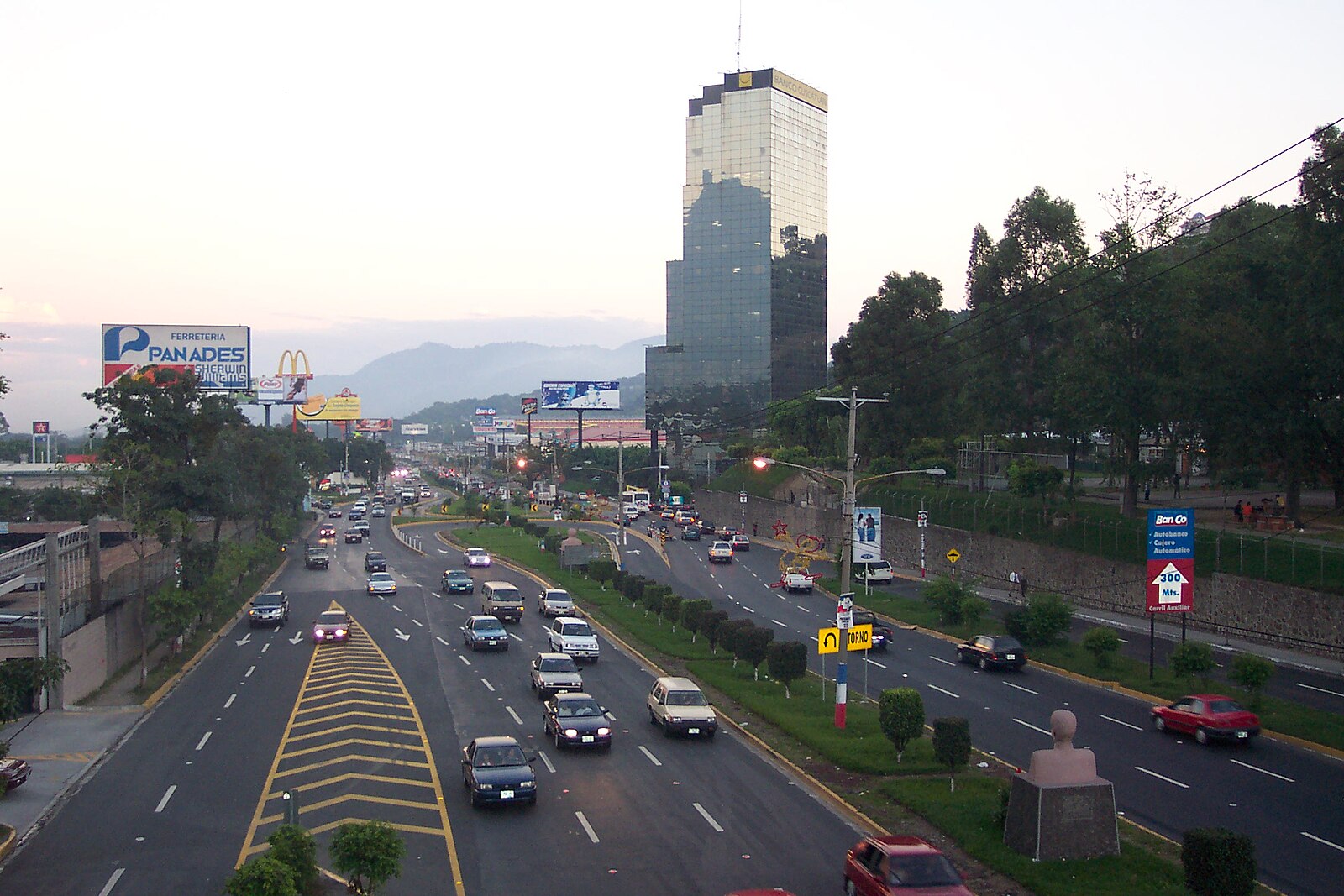
El Salvador runs a mixed health system: a public ministry network, a social-security network for formal workers, and private care. In practice, healthcare in El Salvador for expats means private care in the capital, paid in dollars, plus evacuation insurance.
How the system is organized
El Salvador’s health system has three parts. The Ministry of Health (Ministerio de Salud, MINSAL) runs the public network of hospitals, clinics and community health units.
The Salvadoran Social Security Institute (Instituto Salvadoreño del Seguro Social, ISSS) runs a separate network. It covers formal-sector employees and their dependents, funded by payroll contributions from workers and employers.
The third part is the private sector. It ranges from single-doctor practices to full hospitals, and most of its depth sits in San Salvador.
For a foreigner, the key question is which part you actually belong to. A retiree or remote worker with no Salvadoran employer is usually outside ISSS, which leaves the public network or private care.
The public network is open to the population at large, but official foreign advisories describe it as short of resources. The US government notes that public clinics lack basic supplies, and Canada rates public facilities below its own standards.
Why healthcare in El Salvador for expats is mostly private
The pattern is consistent across official advice and expat experience. Foreign residents who can pay tend to use private doctors and hospitals for speed, shorter waits and easier scheduling.
This is a choice along a spectrum, not a closed door. Some long-term residents use public facilities for simple needs, and formally employed foreigners contribute to ISSS like any other worker.
What changes for a life is the budget line. Healthcare in El Salvador for expats is a cost you plan and pay for, rather than a benefit you receive through residence.
That is normal across Central America. It simply needs to be written into the monthly plan from the start.
Private hospitals in San Salvador
The US Embassy’s provider list names private hospitals such as Hospital Centro Médico Escalón and Hospital Diagnóstico Escalón. It also lists Hospital de la Mujer and Hospital de Niños Centro Pediátrico.
The embassy stresses that inclusion is not an endorsement, and there is no official public ranking of private hospitals.
Expats typically use these facilities for consultations, laboratory tests, imaging, surgery and short hospital stays. Language skills vary, and official US advice notes that medical staff may speak little English.
Quality varies by department and by specialist rather than by building. A good approach is to choose a hospital and a general doctor early, before any urgent need.
What private care costs
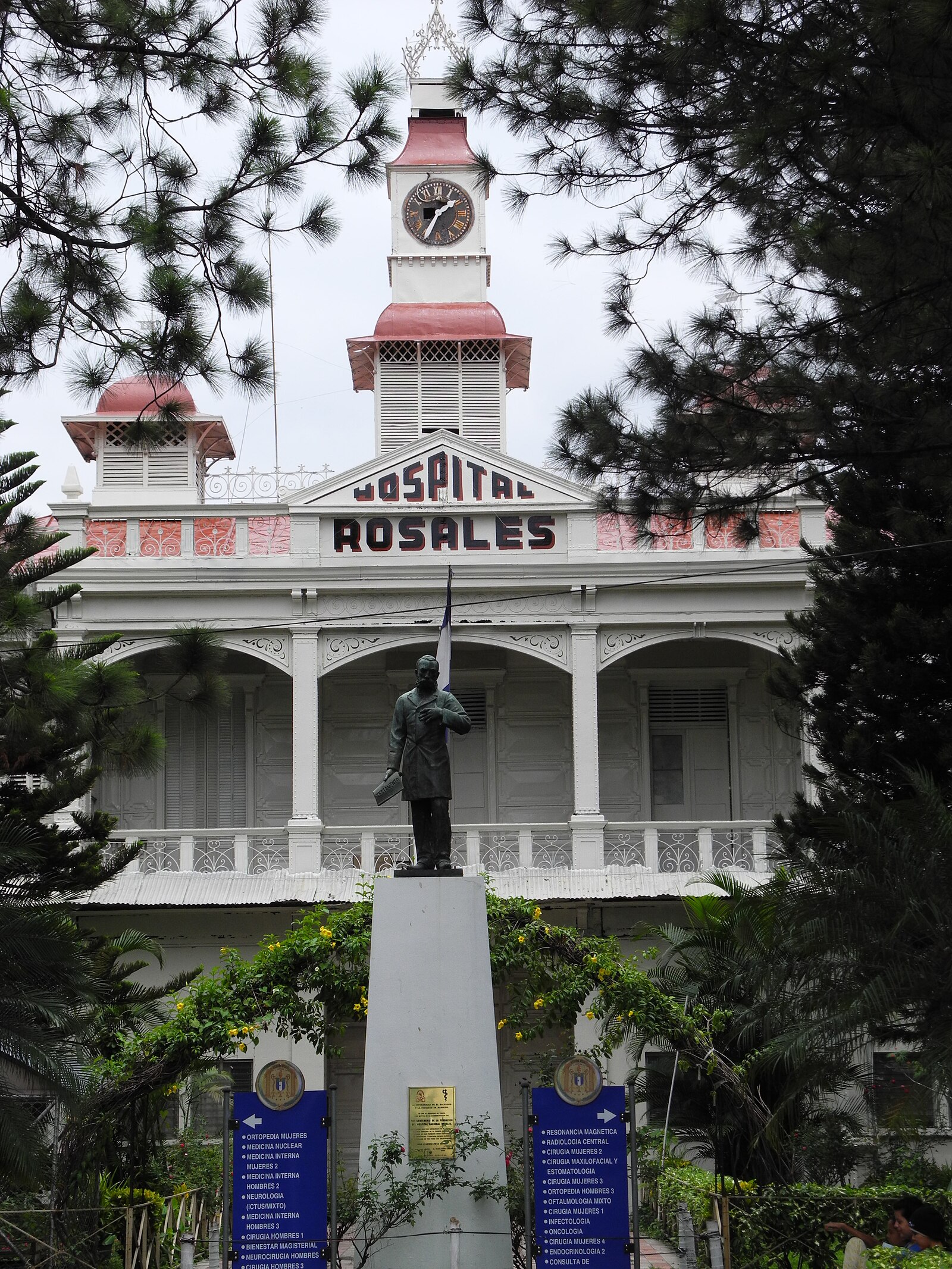
Relocation and insurance guides consistently describe private care in El Salvador as far cheaper than comparable care in the United States. That price gap is what draws regional medical travelers and keeps many expats in the private system.
No official price list exists, because each hospital and doctor sets its own fees. Any single figure you read online is an illustration, not a rate you can rely on.
Public care through MINSAL is free or low-cost at the point of use. The trade-off is time, supplies and uncertainty, not the bill itself.
US and Canadian advice notes that hospitals often want payment or proof of insurance up front. Some ask for a deposit before admission.
Insurance: local plans and international plans
There are two broad routes. Local private insurers sell plans that pay for care inside the Salvadoran private network, usually through partner hospitals.
International health plans cover treatment across borders. Their most important feature for this country is medical evacuation, which pays to move a patient when a case exceeds local capacity.
A US reader should know one hard rule. The US government states that Medicare and Medicaid do not pay for care abroad, and most US plans do not either.
The migration authority publishes requirements per residency category on official forms. Check your own category rather than assuming a general insurance rule.
When care goes abroad
El Salvador handles most everyday and many serious conditions. For some highly specialized treatment, patients may be referred to or choose care in Guatemala City, Mexico or the United States.
This tends to involve advanced cancer treatment, complex heart surgery or rare specialist procedures. How often it happens is not officially published, and the answer depends on the condition.
The US government strongly recommends supplemental insurance for medical evacuation, and Canada warns that evacuation can be very expensive. For long-term residents, that makes evacuation cover a baseline, not an extra.
This is the single most important planning point in this guide. Budget for the small chance that the right treatment is in another country.
Pharmacies, medication, dental and optical care
Pharmacies are easy to find in towns and cities, and many common medicines are available. The practical pattern is to see a private doctor for a diagnosis and a prescription, then buy medicines locally.
The health regulator (Superintendencia de Regulación Sanitaria, SRS) sets maximum retail prices for medicines. It runs a public online price lookup.
Specialty drugs are a different matter. Supply of some specialist or brand-name medicines can be uneven, so check availability before a long stay.
Carry a written list of your medicines with their generic names. It makes a local prescription faster and avoids mistakes over brand names.
Dental and eye care are the classic low-cost draw. Expat guides repeatedly cite cleanings, fillings, glasses and eye exams as clear savings compared with North America.
The value is strongest for straightforward work. For implants or eye surgery, ask about the practitioner’s training, the materials and the follow-up plan.
Anyone weighing healthcare in El Salvador for expats on cost alone should start here. Routine dental and optical work is where the savings are easiest to see.
The surf coast and life outside the capital

The US government notes that adequate care can be harder to find in rural areas than in cities. That describes the coast well.
Beach towns in La Libertad and nearby areas generally have pharmacies, small clinics and basic primary care. They do not have the hospital depth of San Salvador, so serious cases mean a road trip to the capital.
The surf-and-bitcoin community on the coast often expects city-level services. The coast does not yet offer them.
Canada’s advice adds a practical detail. In rural areas, staff may ask patients to buy disposable medical supplies before treatment.
For healthcare in El Salvador for expats living by the sea, the real plan is capital-based. Our safety guide covers roads and security.
Emergencies and paying in dollars
The national emergency number is 911, and medical emergencies use 132, run by the public emergency medical system. The fire service answers on 913.
Official US advice warns that ambulance services are not widely available and response times may be slow. Many residents therefore plan to drive or be driven straight to a private hospital.
Budgeting is simpler than in most of the region. El Salvador has used the US dollar as its currency since 2001, so hospital bills, insurance and medicines are priced in dollars.
Bitcoin lost its legal-tender status in a 2025 reform, and businesses no longer must accept it. For medical bills, plan on dollars by card or cash.
How El Salvador compares with Guatemala and Costa Rica
Guatemala City is widely described as having a larger private hospital market. That is why it appears as a referral point for some complex cases.
Costa Rica has the deeper overall system, with a strong public insurer and a well-developed private sector.
Costa Rica usually costs more, and most legal residents there must join its public insurance fund, the CCSS. El Salvador has no equivalent obligation, which keeps costs flexible but leaves cover to you.
The honest summary of healthcare in El Salvador for expats is a spectrum. It is strong for affordable routine private care in the capital, and thinner for complex medicine and anywhere far from San Salvador.
The direction of travel is slowly upward, with public investment in hospitals in recent years. How much that changes daily care for foreigners is not yet clear.
Residency, planning and what is not known
A 2026 reform, Decree 531, took effect on 31 March 2026. Temporary residents must spend at least 90 days a year in the country, continuous or combined, unless they prove force majeure.
For healthcare in El Salvador for expats this matters indirectly. If your plan involves long treatment abroad, keep records that justify the absence.
Several things are not officially published. There is no national private price list, no public hospital ranking, and no data on how often foreigners are evacuated.
Choose a hospital and doctor, insure for evacuation, and keep a medication list. Save 911 and 132, and treat the capital as your medical base.
Connected Coverage
Is El Salvador Safe for Expats in 2026: What the Level 1 Rating Leaves Out
Sources: This guide draws on US and Canadian government travel health advice, the US Embassy in San Salvador, El Salvador’s health regulator and migration authority, and legal and news reporting on recent reforms.
This article was produced by The Rio Times’ automated newsroom system. How we use AI · Report an error
Read More from The Rio Times