US Restricts Visas of 15+ Caravan Organizers

EL SALVADOR · MIGRATION
Key Facts
- The country El Salvador is a small Central American country of about 6 million people that uses the US dollar and is a source of migrants heading to the United States. It shares borders with Guatemala and Honduras, the first countries on the overland route north.
- Why it matters The US is applying a visa penalty to people who organize, promote, support or finance migrant caravans, which moves pressure from the border to the people behind the marches.
- Why now On Thursday 29 October 2026 Washington announced visa restrictions on more than 15 individuals tied to recent migrant caravans.
- What happened The US restricted visas for more than 15 people involved in organizing, facilitating or promoting recent caravans, and warned that caravan participants face extra scrutiny when they apply.
- The numbers More than 15 people are affected, and their names and nationalities were not released.
- What it means for you Visitors from Central America and Mexico who have joined a caravan should expect closer visa checks, and unauthorized crossing can bring arrest, detention, deportation and a future entry ban.
- Still open Who the 15 people are, which countries they come from, and whether any Salvadorans are among them.
In Plain English
A migrant caravan is a large group that travels together, usually on foot, from Central America through Mexico toward the US border. A visa restriction is a decision to refuse or cancel a person’s US visa, which does not require a court case.
The US State Department announced on Thursday 29 October 2026 that it imposed visa restrictions in the past week on more than 15 individuals involved in organizing, facilitating or promoting recent migrant caravans. The press statement, issued by spokesman Thomas Pigott, did not name the people or their nationalities and did not mention El Salvador.
The Salvadoran news site elsalvador.com carried the news on 30 October, and the news agency EFE reported in early October that a caravan then crossing Mexico included Salvadorans. The measure follows warnings from the US embassies in San Salvador and Tegucigalpa, and it adds a visa penalty for organizers to the El Salvador coverage of migration policy.
What the State Department Announced
The statement says the administration “will not tolerate actions that undermine the national security or immigration laws of the United States”, and it says the visa step targets people who knowingly organize, promote, support or finance caravans. It adds that investigations indicate individuals “recruited, coordinated, and directed large groups of immigrants” traveling toward the southern border.
The department says caravan participants who apply for US visas or try to travel to the United States will face additional scrutiny, and that action may include refusing or revoking their visas. It adds that crossing without authorization violates the law and can lead to arrest, detention, deportation and a future ban on entry.
The statement recalls a policy announced earlier to restrict visas for foreign government officials and others believed to be responsible for knowingly facilitating illegal immigration, and it does not cite a specific section of the Immigration and Nationality Act. The only country it names is Mexico, in the phrase “Central America and Mexico”, which describes the route that migrants travel.
The El Salvador Angle
The news site elsalvador.com reported on 30 October that officials can deny or revoke visas case by case and that the measure covers people who knowingly take part in organizing or facilitating these movements. It also noted that the State Department did not disclose the identities or nationalities of those affected.
On 6 October 2026 the US Embassy in El Salvador posted on X “No importa cómo lo intentes, entrar ilegalmente a Estados Unidos no funcionará” and added “Serás detenido, deportado y procesado”, as covered in an earlier report on the embassy warning. The post came after the Fe y Esperanza caravan, which EFE said had more than 600 people from El Salvador, Honduras, Guatemala, Ecuador and Haiti, resumed its walk north from Tapachula, Mexico.
On 18 October 2026 the US Embassy in Honduras told Hondurans not to fall for false promises tied to caravans, according to the Honduran outlet El Mundo. The same article reported that Honduras recorded 37,968 deportations between 1 January and 15 October 2026, an average of about 132 people a day, based on the figures of its national migration institute.
How Caravans Move Through the Region
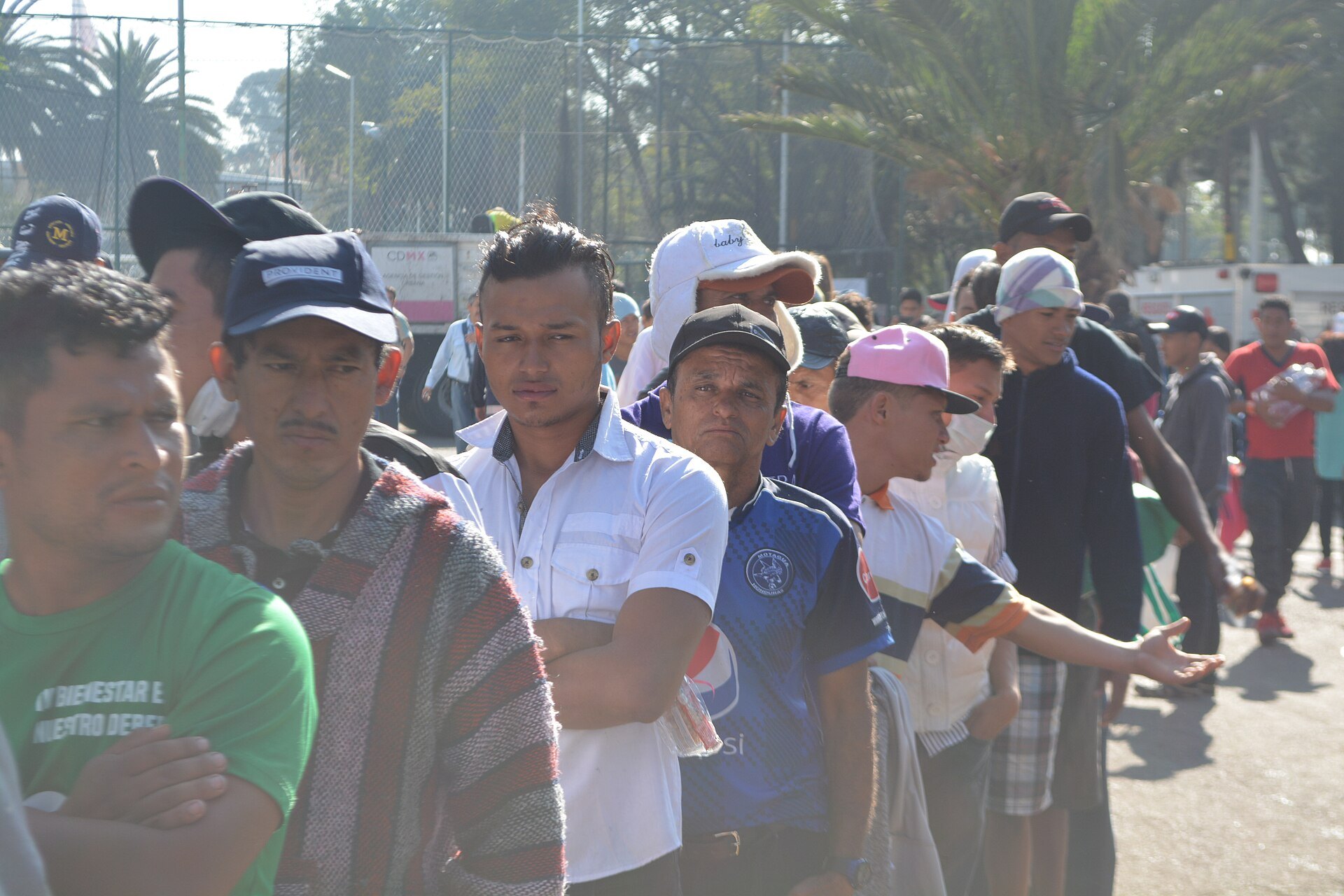
A Honduran caravan left San Pedro Sula on Sunday 20 September 2026 with about 400 people, and Guatemala’s migration institute registered about 400 Hondurans entering through the Izabal department the next day, according to the Honduran outlet Tunota. The route then runs through Guatemala and Mexico, and the outlet notes that Mexico requires a visa from Honduran citizens.
The director of the Honduran Observatory of International Migration, César Castillo, told Tunota that the caravan stage, mainly in 2018, 2019 and 2021, has passed. The 2026 marches in the same coverage involve about 400 to 600 people each.
What It Means for You
For US readers, the step shows Washington using visa rules, and not only border enforcement, to pressure the organizers and backers of caravans before they reach the border. Visitors from Central America and Mexico who have joined a caravan should expect additional scrutiny of a visa application, according to the statement.
The statement covers people who knowingly finance or promote a caravan, so the rule reaches beyond the walkers to organizers, supporters and funders. Whether it reaches relatives who send money for a journey is not addressed in the text.
What Is Not Known
The State Department has not released the names or nationalities of the more than 15 people, so it is not known whether any Salvadorans, officials or political figures are among them. The statement gives no exact dates for the restrictions beyond “the past week” before 29 October 2026.
The statement cites no specific section of the Immigration and Nationality Act, so the legal basis for each restriction is not public. It is also unclear whether the measure will slow new caravans, since Castillo describes the caravan era as a stage that mainly ran through 2018, 2019 and 2021.
Frequently Asked Questions
Who is targeted by the new US visa restrictions?
People who knowingly organize, promote, support or finance migrant caravans that facilitate illegal immigration. Caravan participants who apply for visas or try to travel to the United States face additional scrutiny.
How many people are affected by the visa restrictions?
The State Department says it restricted visas for more than 15 individuals in the past week. It has not released their names or nationalities.
When did the US announce the visa restrictions?
The State Department issued its press statement on Thursday 29 October 2026. Salvadoran media, including elsalvador.com, reported it on 30 October.
Does the policy mention El Salvador?
No, the statement names only Mexico, in the phrase Central America and Mexico, as part of the migrant route. Salvadoran outlets covered it, and EFE has reported Salvadorans in a recent caravan.
What can happen to people who cross the border illegally?
The State Department says unauthorized crossing violates the law and can lead to arrest, detention, deportation and a future ban on entry. The US embassies in San Salvador and Tegucigalpa have issued similar warnings.
Sources: US State Department press statement by Thomas Pigott, 29 October 2026; elsalvador.com, 30 October 2026; elsalvador.com on the US Embassy post, 7 October 2026; El Mundo Honduras, 18 October 2026; Tunota, 22 September 2026.
This article was drafted with automated assistance and reviewed before publication. How we use AI · Report an error · Editorial responsibility: Matthias Camenzind, Editor-in-Chief