El Salvador Residency Visa Requirements 2026 — Income, Documents and Timelines
GUIDES · EL SALVADOR
Key Facts
- —What it is A shared CA-4 visitor zone plus Salvadoran residence permits that can lead to permanent residence and citizenship.
- —Who it’s for Retirees with foreign pensions, people with steady foreign income, investors and staff hired by local employers.
- —What it costs Pensioners must show three monthly minimum wages, rentistas four — about US$1,226 and US$1,635 today.
- —Why it matters Since 31 March 2026, temporary residents need only 90 days a year inside El Salvador.
- —The catch CA-4 border runs do not reset the visitor clock, and pensioners and rentistas may not take paid work.
El Salvador residency visa requirements in 2026 rest on a shared regional visitor clock, income rules tied to the minimum wage and a lighter presence duty.
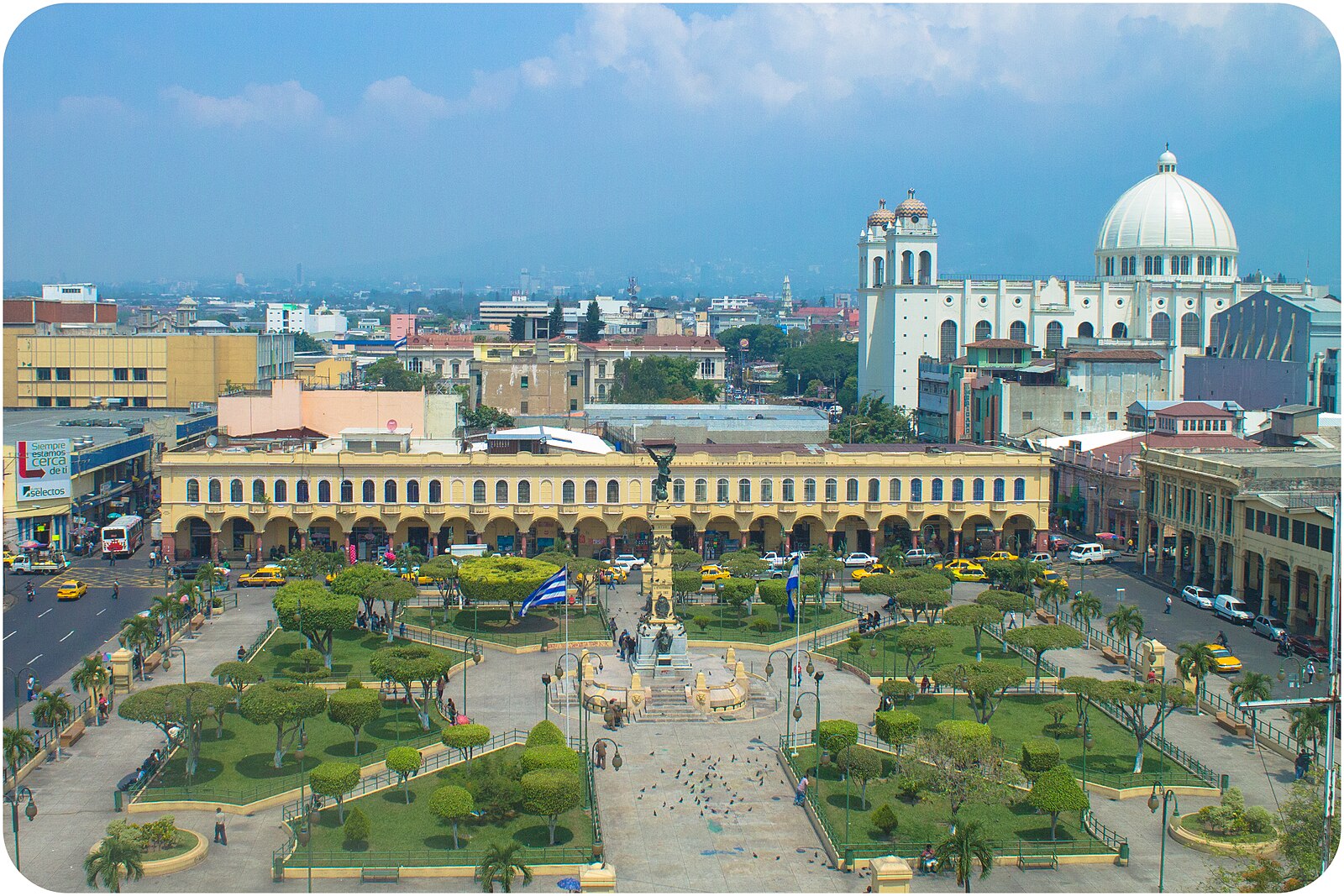
El Salvador residency visa requirements in 2026 start with a legal fact: visitors share one 90-day clock with Guatemala, Honduras and Nicaragua. Anyone who wants to live, retire or work in El Salvador needs a residence permit from the immigration directorate.
The CA-4 visitor zone and its shared 90-day clock
El Salvador belongs to the Central America-4 Border Control Agreement, known as CA-4, together with Guatemala, Honduras and Nicaragua. Many nationalities, including US and Canadian citizens, can enter without a visa as tourists.
The key detail is that the 90 days are counted across the whole CA-4 area, not per country. According to Canada’s official travel advice, the officer at your first entry sets the length of stay.
A trip from San Salvador to Guatemala or Honduras therefore does not restart the clock. Leaving the four countries, for example for Costa Rica or Mexico, ends the regional count, though re-entry is discretionary.
Salvadoran law allows a visitor extension of up to 90 more days if requested before the stay expires. Overstayers face a fine and a short deadline to leave, and repeat entries can be refused.
Visa-exempt nationalities differ and can change, so check your passport with a Salvadoran consulate before travel. Visitor status never allows paid work or residence.
The residence routes under Salvadoran law
The main legal text is the 2019 Special Law on Migration and Foreigners, applied by the migration directorate (DGME). The directorate lists about 16 temporary residence categories on its official site.
The rentista category is for people living on steady foreign income such as rents, dividends or interest. The pensionado category is for retirees with a permanent monthly pension paid from abroad.
Investors, shareholders, individual traders and business representatives have their own categories. Employed work needs a residence permit with work authorization, usually backed by the employer.
For work on someone else’s payroll, the Ministry of Labour gives an opinion before approval. Central Americans by birth are exempt from that step.
Income rules for rentista and pensionado residence
For income, El Salvador residency visa requirements set no dollar amount but link to the monthly minimum wage for commerce and services. Pensioners need at least three minimum wages a month, and rentistas at least four.
A rentista who brings two or more dependants needs at least six minimum wages. El Salvador uses the US dollar, so these amounts need no currency conversion.
The minimum wage for commerce and services has been US$408.80 a month since 1 June 2025, according to the labour ministry. That puts the pensionado floor near US$1,226 and the rentista floor near US$1,635 a month.
Many online guides still quote about US$1,095 and US$1,460, figures that match the older minimum wage. The DGME does not publish a dollar table, so confirm the amount it applies when you file.
Both routes bring tax breaks under the law: foreign income declared for residence is exempt from Salvadoran income tax. There is also a one-time duty exemption for household goods and a periodic one for a car.
The document file behind El Salvador residency visa requirements
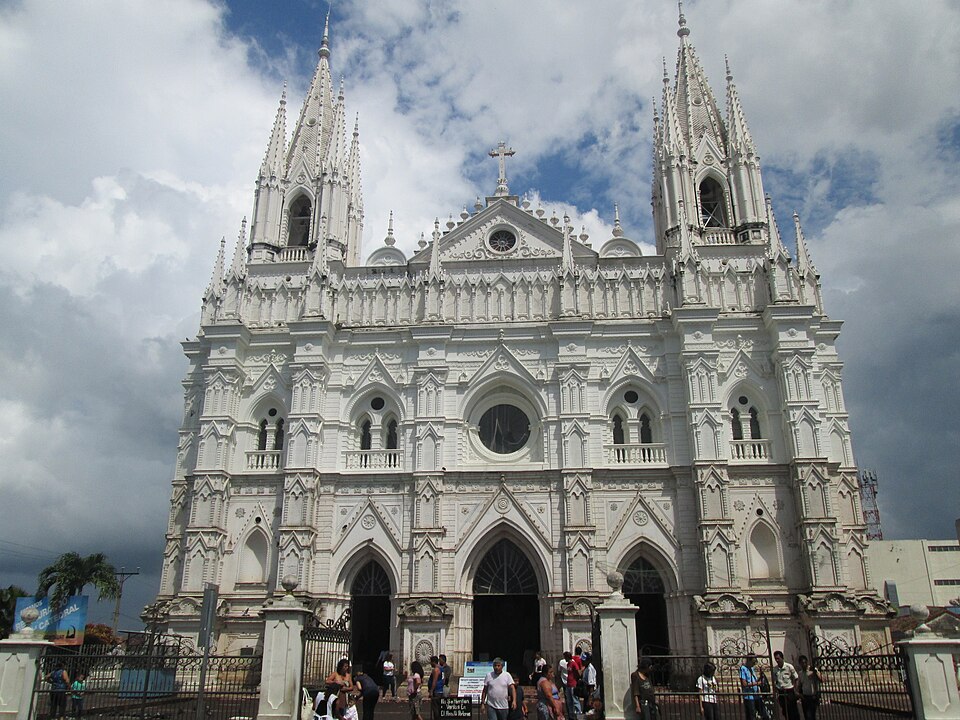
The general El Salvador residency visa requirements in the law are a valid passport and a police or criminal record certificate. That certificate must come from your country of origin or residence for the last two years.
Foreign documents must be apostilled or legalised, and anything not in Spanish needs an official translation. Applicants also prove economic solvency, or present an employer’s letter for work-based permits.
Children follow simpler rules, but their birth certificates must still be apostilled and translated. The implementing regulation and the DGME forms add category-specific items, such as pension letters or bank records.
Apostille gaps, missing translations and expired police certificates are the usual causes of delay. Fees are set in the law and change over time, so confirm them at the DGME before you pay.
The 90-day presence rule since March 2026
The biggest recent change to El Salvador residency visa requirements came from Legislative Decree 531, published on 23 March 2026. It entered into force on 31 March 2026.
Temporary residents now must spend at least 90 days a year in El Salvador, either in one block or in separate stays. Documented force majeure can excuse a shortfall.
Before the reform, temporary residents lost status after three consecutive months abroad, or four months in total in a year. That rule effectively required most of the year inside the country.
For a remote worker or a retiree with family abroad, this changes daily life. El Salvador can now be one base among several rather than a full-time home.
The same decree tightened nationality rules. Naturalised citizens now lose Salvadoran nationality automatically and permanently after a final conviction for an intentional crime.
From temporary to permanent residence
Temporary residence is granted for up to one or two years, depending on category, and renewed at the DGME. Renewal requests are due within 30 days before the permit expires.
Most temporary residents can apply for definitive, or permanent, residence after three years. Pensioners, rentistas and spouses of Salvadorans can apply after one year in that status.
The law caps temporary residence at five years except in special cases, which pushes long-stayers toward permanent status. A definitive resident may work freely, including for an employer.
The permanent card is renewed for one to four years at a time. Its holder may be abroad for up to two years before extra permission is needed.
Central Americans by birth may receive permanent residence directly, and Salvadoran nationality after one year of it. We found no published rule letting other foreigners carry residence time between CA-4 states.
Citizenship by naturalization after residence
Under the migration law, foreigners of any origin may apply for naturalization after five years of residence, counting temporary and permanent years. Spouses of Salvadorans qualify after two years.
People born in Spain or a Spanish-American country may apply after one year of permanent residence. Naturalization is decided by the justice and public security ministry and is not automatic.
Under El Salvador residency visa requirements, the realistic ladder is temporary residence, permanent residence, then a nationality application. Each step is a separate filing with its own documents.
Keep every receipt, card and renewal resolution. Gaps in documented status can delay both permanent residence and citizenship.
The Freedom Visa citizenship-by-contribution route
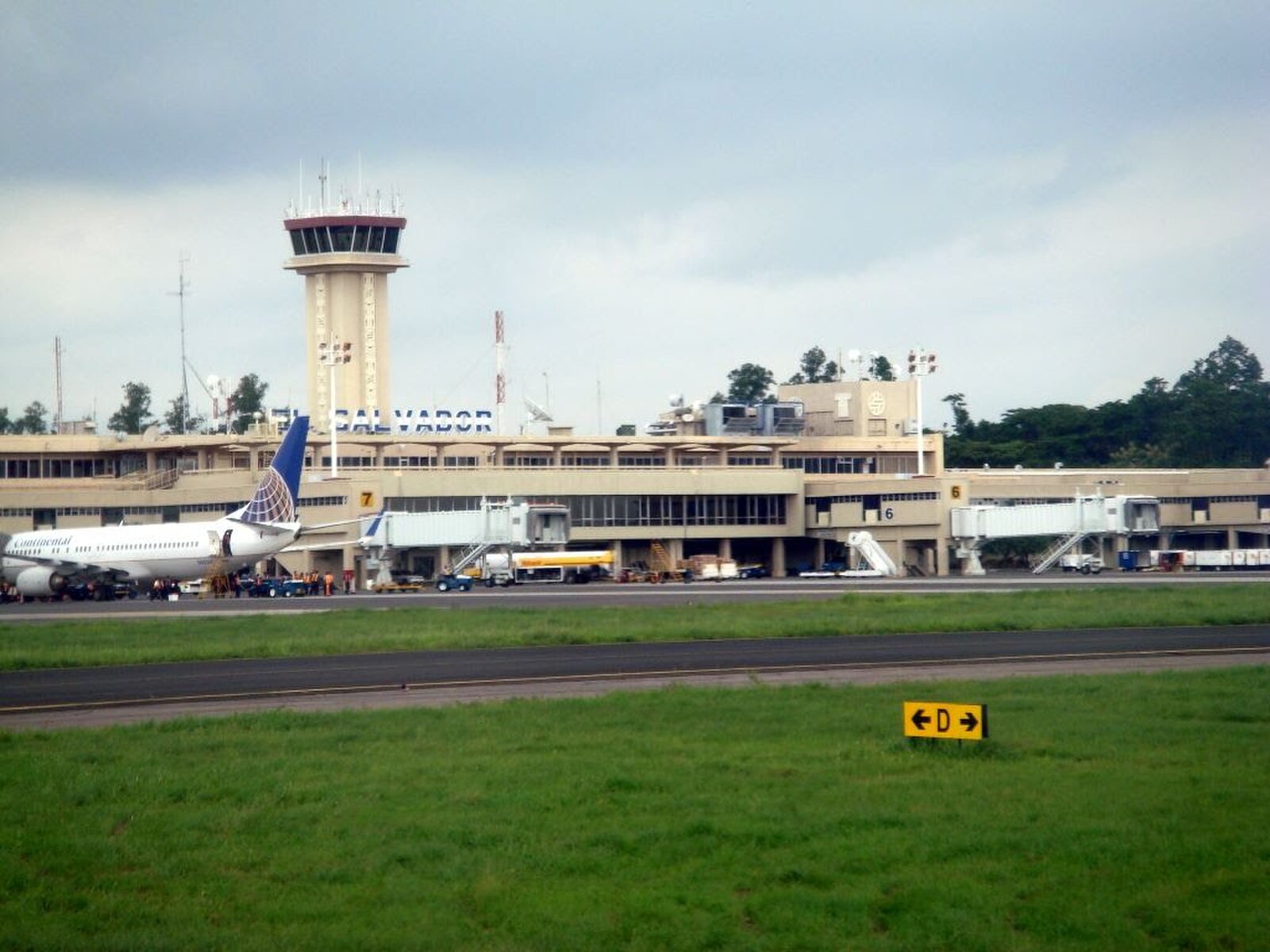
In December 2023 the government announced the Freedom Visa, for people contributing US$1 million in bitcoin or the stablecoin USDT. The foreign ministry said the program would admit up to 1,000 people a year.
Official announcements described residence and a path to Salvadoran citizenship for the contributor and close family. Private agents now market passports within about six weeks, with no residence period.
The full legal text, due-diligence rules and approval numbers have not been published in a form we could verify. Treat processing times and family terms as marketing claims until confirmed in writing by the government.
This route sits outside the normal ladder. It suits very few people, and it does not change El Salvador residency visa requirements for pensioners, rentistas or workers.
Bitcoin, the dollar and crypto-driven interest
El Salvador made bitcoin legal tender in 2021, which drew crypto investors and remote earners. In January 2025, under an IMF financing deal, the law was changed so that accepting bitcoin became voluntary.
The US dollar, used since 2001, remains the currency for rent, wages, taxes and residence fees. Crypto holders still apply through the ordinary categories and must document the source of their income.
Crypto income can support a rentista file only if it is stable, foreign and provable with statements. For daily life and security questions, read our separate El Salvador safety guide.
Common mistakes that cost residence
The most common mistake is the CA-4 border run. A visitor who spends 60 days in Guatemala has only about 30 left on arrival in El Salvador.
The second is working without authorization. The law lets the DGME cancel residence for unauthorized paid work, and pensionados and rentistas are barred from most paid jobs.
The third is filing on out-of-date numbers copied from websites. El Salvador residency visa requirements follow the minimum wage, so the income floor moves when the wage moves.
The fourth is letting a permit lapse. Late renewals bring fines, and a lapse can break the continuous record needed for permanent residence.
How El Salvador compares with Guatemala and Panama
Guatemala shares the CA-4 visitor clock, so short visits follow the same logic. Its residence permits are issued by its own migration institute under its own rules and are filed there, not in San Salvador.
Panama sits outside CA-4 and runs a separate system with its own pensioner and investor visas. A stay in Panama does not count toward the CA-4 90 days.
El Salvador stands out for income floors tied to the minimum wage and a presence duty of 90 days a year. For many pensioners and remote earners, these El Salvador residency visa requirements are among the lighter ones in the region.
What is not known is how strictly the DGME will enforce the new presence rule, or when the minimum wage next rises. The direction since 2019 has been toward easier residence and stricter conduct rules for new citizens.
Connected Coverage
Is El Salvador Safe for Expats in 2026: What the Level 1 Rating Leaves Out
Healthcare in El Salvador for Expats 2026 — Hospitals, Insurance and Evacuation
Sources: Figures and rules are drawn from El Salvador’s General Directorate of Migration and Foreigners, the Special Law on Migration and Foreigners, reporting on Legislative Decree 531, labour ministry minimum-wage data, Canada’s official travel advice, Fragomen and Americas Quarterly.
This article was produced by The Rio Times’ automated newsroom system. How we use AI · Report an error
Read More from The Rio Times